Loading city...
Skip to main content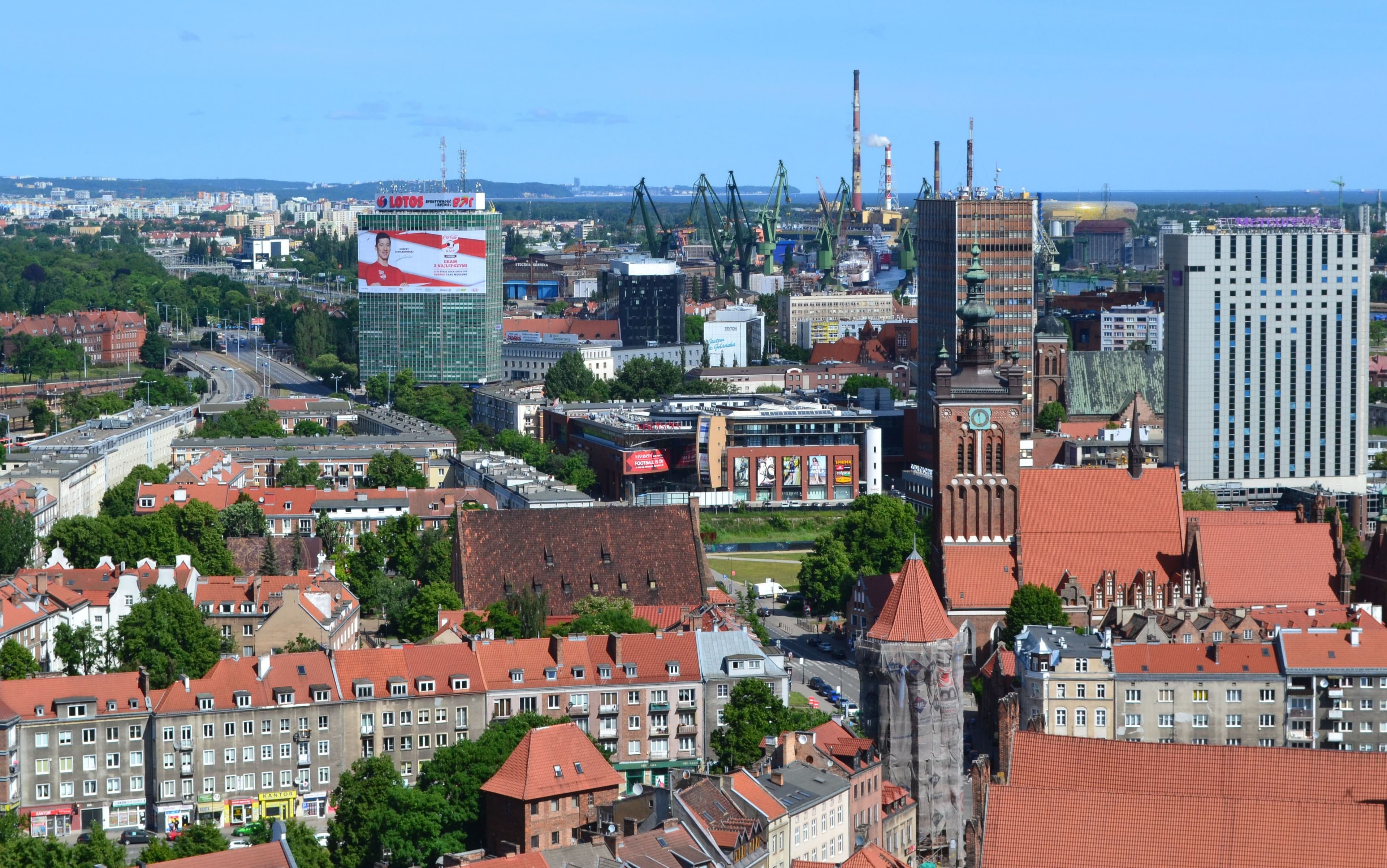
Neighborhoods in Gdańsk
6 neighborhoods selected in this guide.
- Gdańsk Old TownNeighborhood · 1h · Free
Gdańsk's Old Town (*Stare Miasto*) lies north of the more famous Main Town, centered around the Great Mill and St. Catherine's Church. Less restored than its southern neighbor, it offers a quieter, more local atmosphere with craft breweries, small galleries, and leafy canal-side streets.
 Mariacka StreetNeighborhood · 30 min · Free
Mariacka Street (*Ulica Mariacka*) is the most atmospheric street in Gdańsk, running between St. Mary's Church and the Motława riverbank. Lined with stone-terraced townhouses and their distinctive dragon-head rainwater spouts, it is the center of the city's amber trade and a favorite with photographers and jewelers alike.
- Długa Street (Royal Way)Neighborhood · 30 min · Free
Długa Street (*Ulica Długa*), together with the Long Market, forms the Royal Way — the ceremonial route Polish kings followed from the Golden Gate to the Green Gate when visiting Gdańsk. The street is lined with painstakingly rebuilt patrician townhouses, each narrating a chapter of the city's Hanseatic prosperity.
 Wyspa Spichrzów (Granary Island)Neighborhood · 45 min · Free
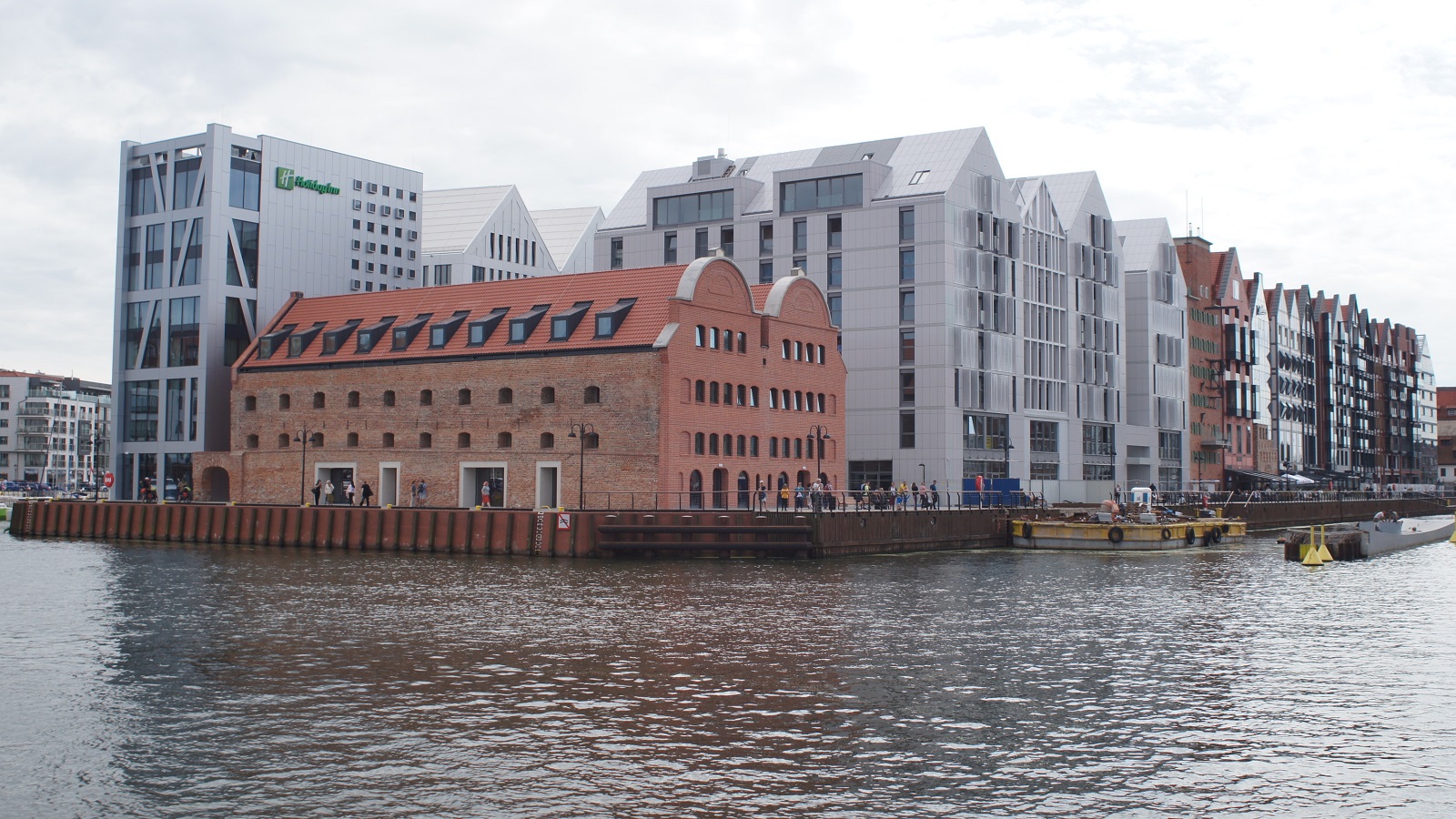
Granary Island (*Wyspa Spichrzów*) is a regenerated river island just south of the Main Town, once packed with medieval grain warehouses serving the Hanseatic port. Today it combines luxury hotels, waterfront promenades, and cultural spaces with remnants of its warehouse heritage.
 Long Market (Długi Targ)Neighborhood · 30 min · Free
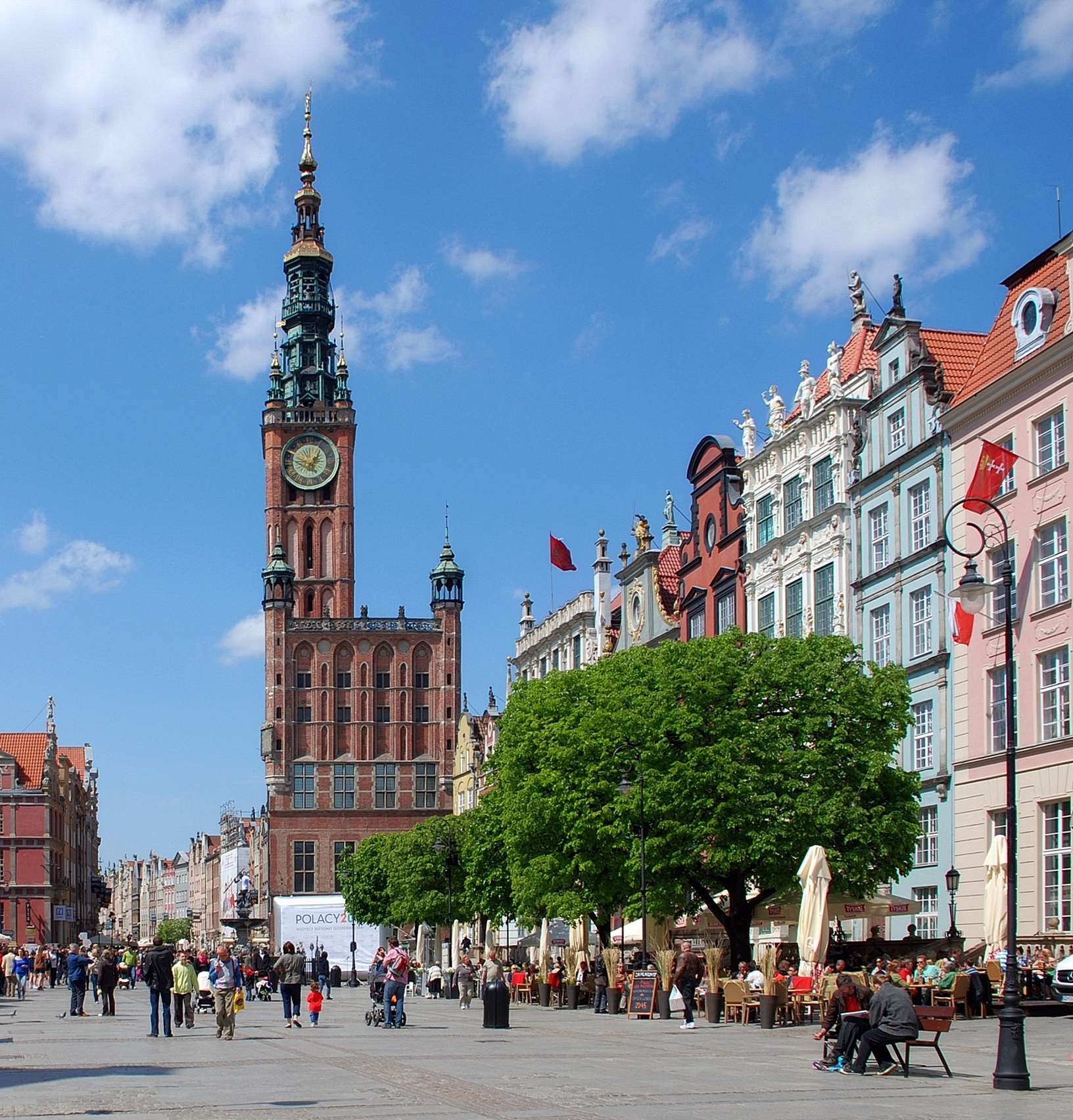
The Long Market (*Długi Targ*) is the main square and ceremonial heart of Gdańsk, flanked by tall, narrow Hanseatic townhouses rebuilt in vibrant colors after their total destruction in 1945. The Neptune Fountain anchors the square, with the Town Hall at one end and the Green Gate at the other, creating one of the most photographed streetscapes in Poland.
 Motława WaterfrontNeighborhood · 45 min · Free
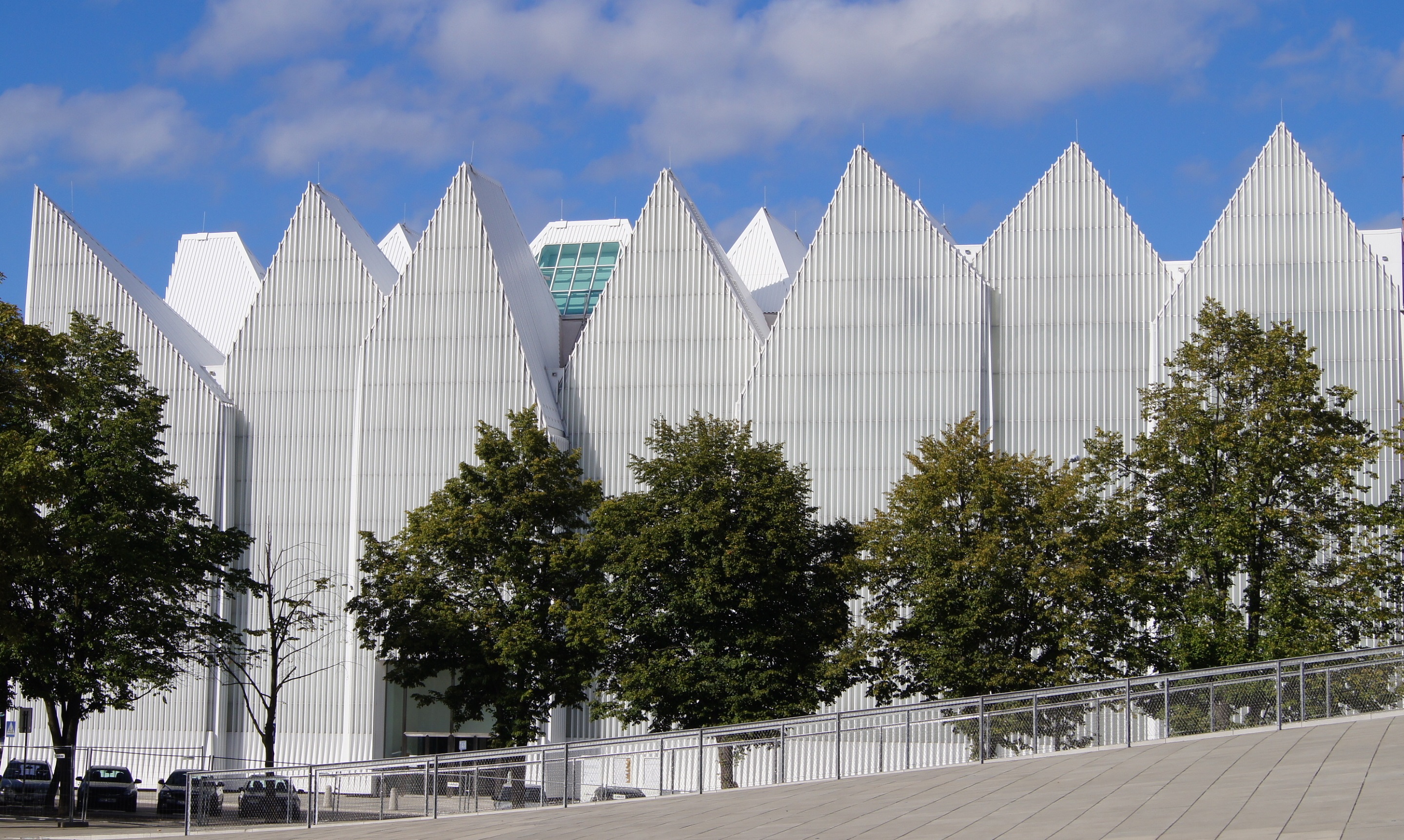
The Motława Waterfront (*Długie Pobrzeże*) is Gdańsk's picturesque river promenade, stretching along the western bank of the Motława. Facing the iconic Crane and lined with colorful warehouse facades, the walkway is the city's most popular gathering space, filled with boat excursion operators, amber vendors, and riverfront terraces.