Loading city...
Skip to main content
Attractions in Kuala Lumpur
13 attractions selected in this guide.
 Petronas Twin TowersAttraction · 1.5h · MYR127
The Petronas Twin Towers soar 452 metres above Kuala Lumpur's skyline, holding the title of world's tallest twin structures since their completion in 1998. Designed by Argentine-American architect César Pelli, the towers are clad in 65,000 square metres of stainless steel and glass and anchor the KLCC development.
 Batu CavesAttraction · 2h · Free
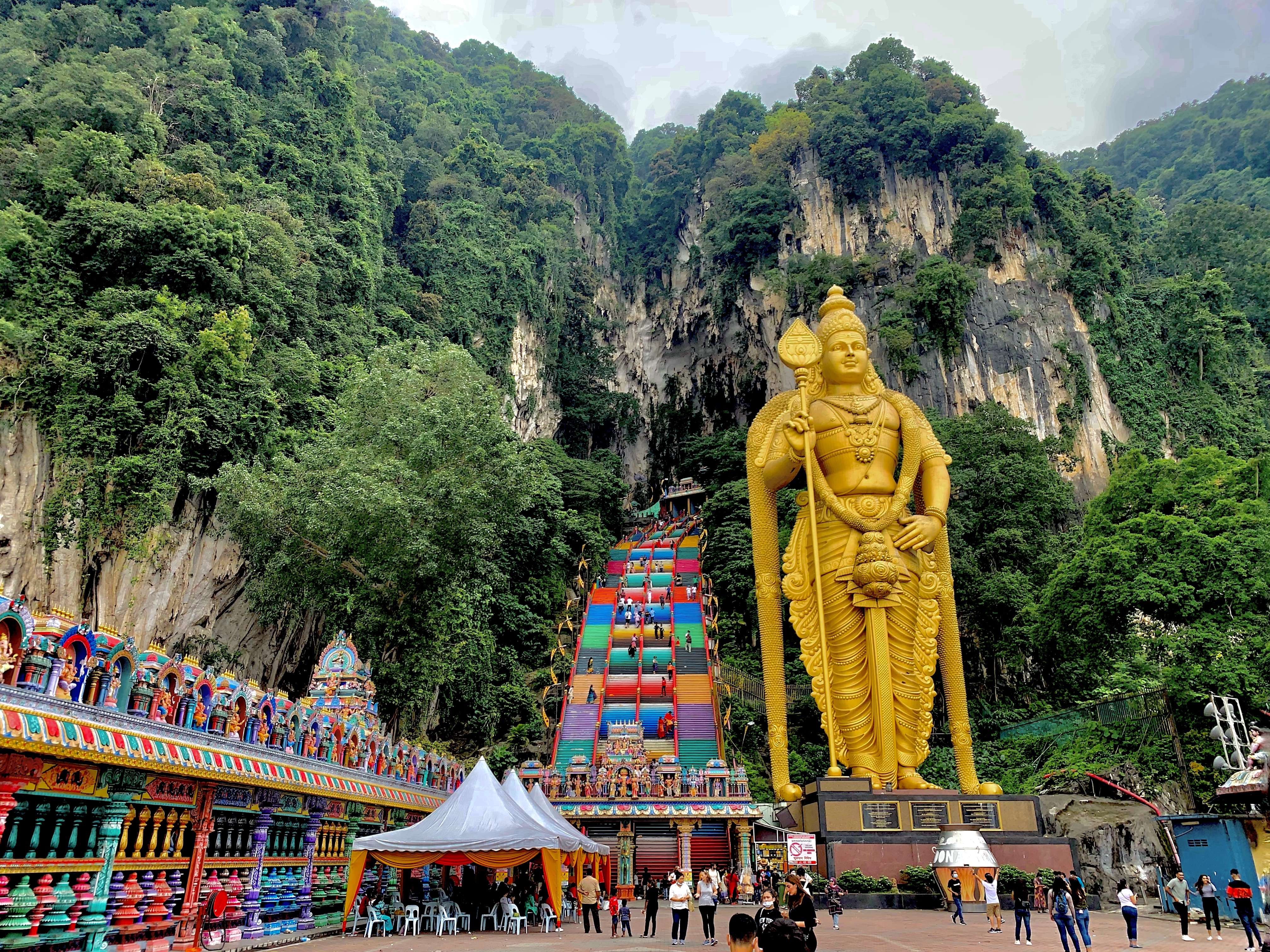
Batu Caves is a limestone karst hill containing a series of Hindu temple caves roughly 13 km north of KL's centre. The site's centrepiece is the 43-metre golden statue of Lord Murugan guarding 272 rainbow-painted steps that lead to the Cathedral Cave.
 Masjid JamekAttraction · 30 min · Free
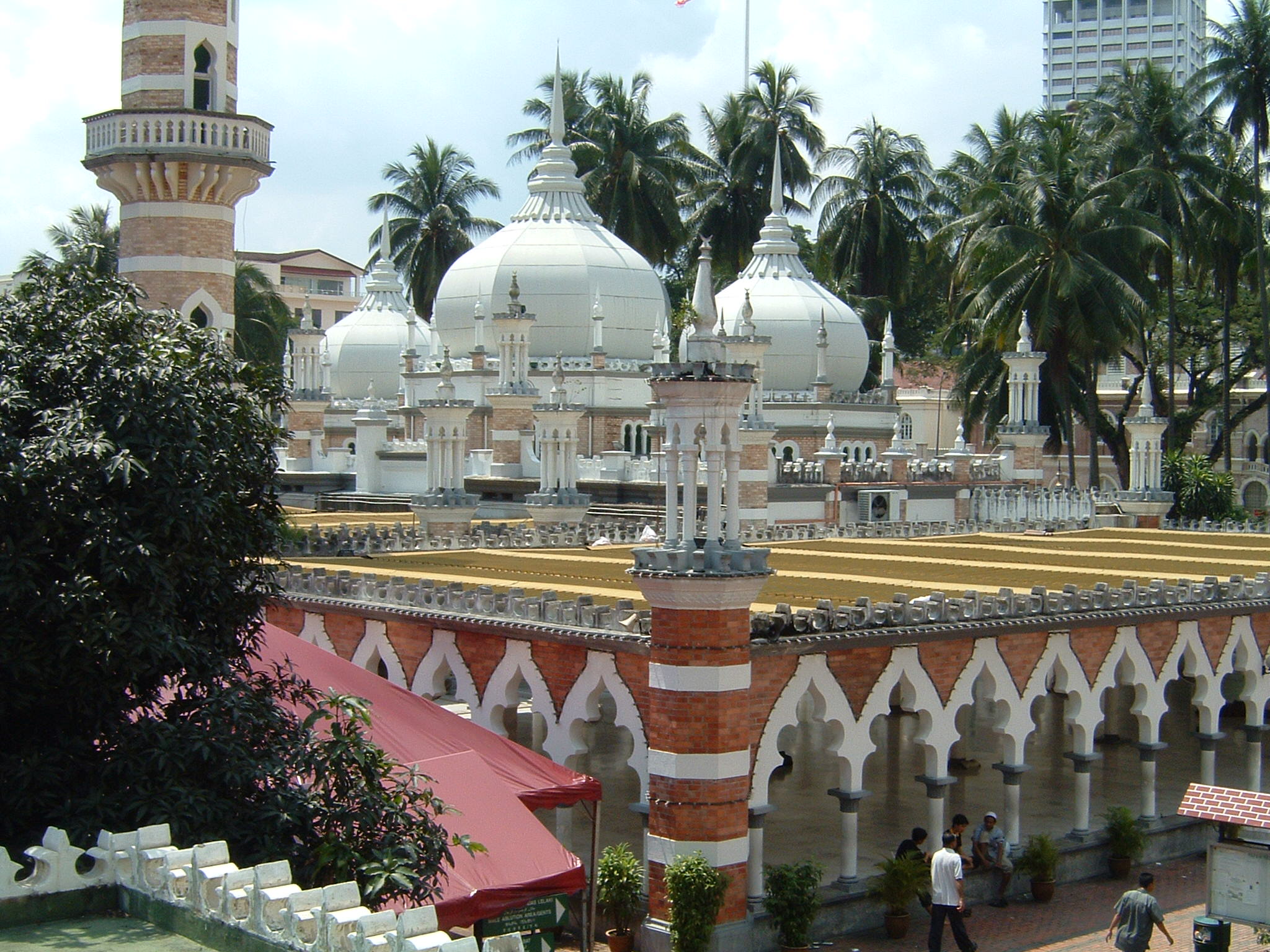
Masjid Jamek (Friday Mosque) is KL's oldest surviving mosque, built in 1909 at the exact confluence of the Klang and Gombak rivers—the spot where KL was founded. Its Mughal-style onion domes, palm-flanked courtyard, and white-and-red-striped arches evoke the mosques of northern India.
 Merdeka SquareAttraction · 30 min · Free
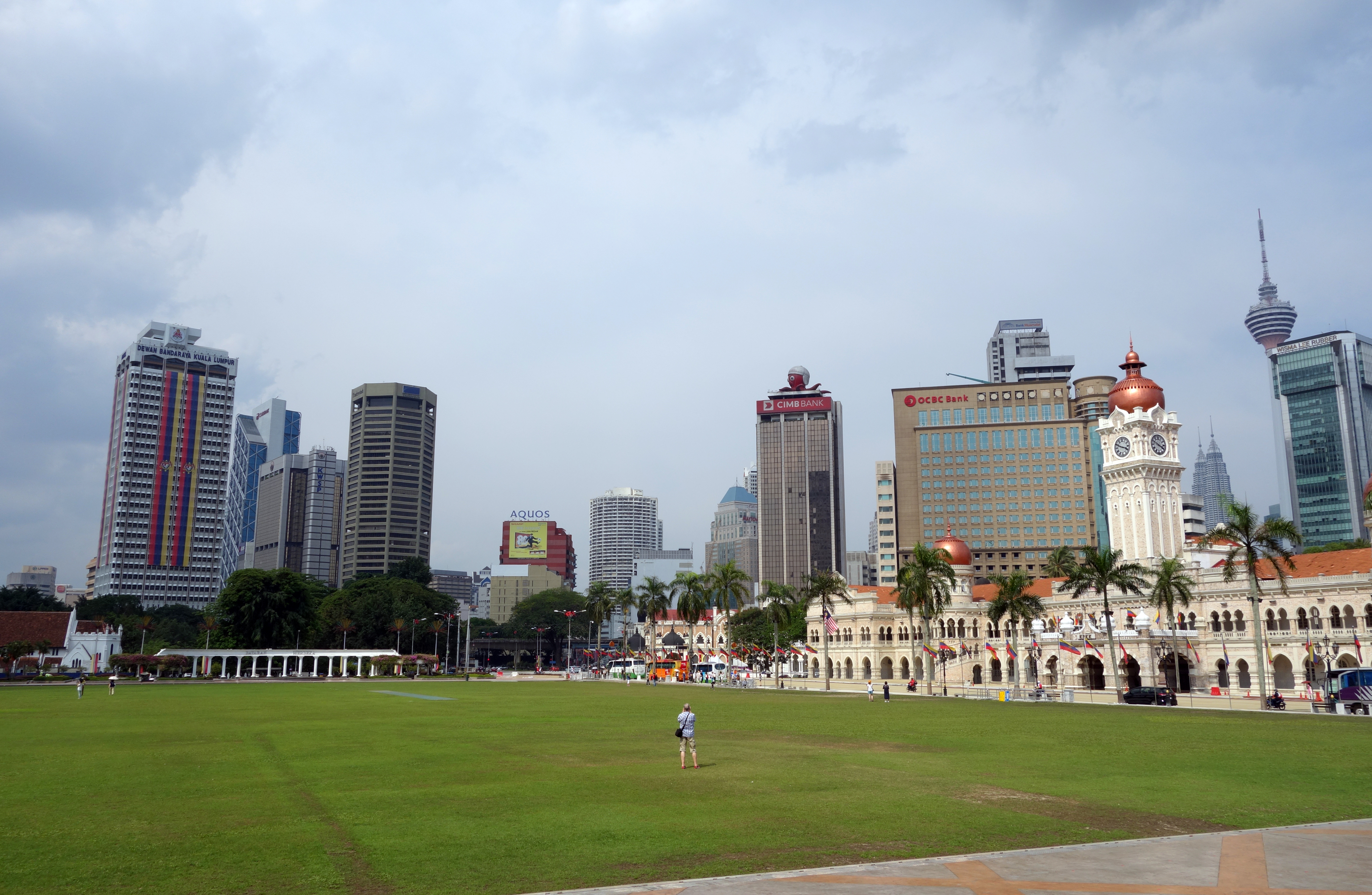
Merdeka Square (Dataran Merdeka) is the historic field where the Union Jack was lowered and the Malayan flag raised at midnight on 31 August 1957. Flanked by the Sultan Abdul Samad Building and the Royal Selangor Club, the square is the symbolic heart of Malaysian independence.
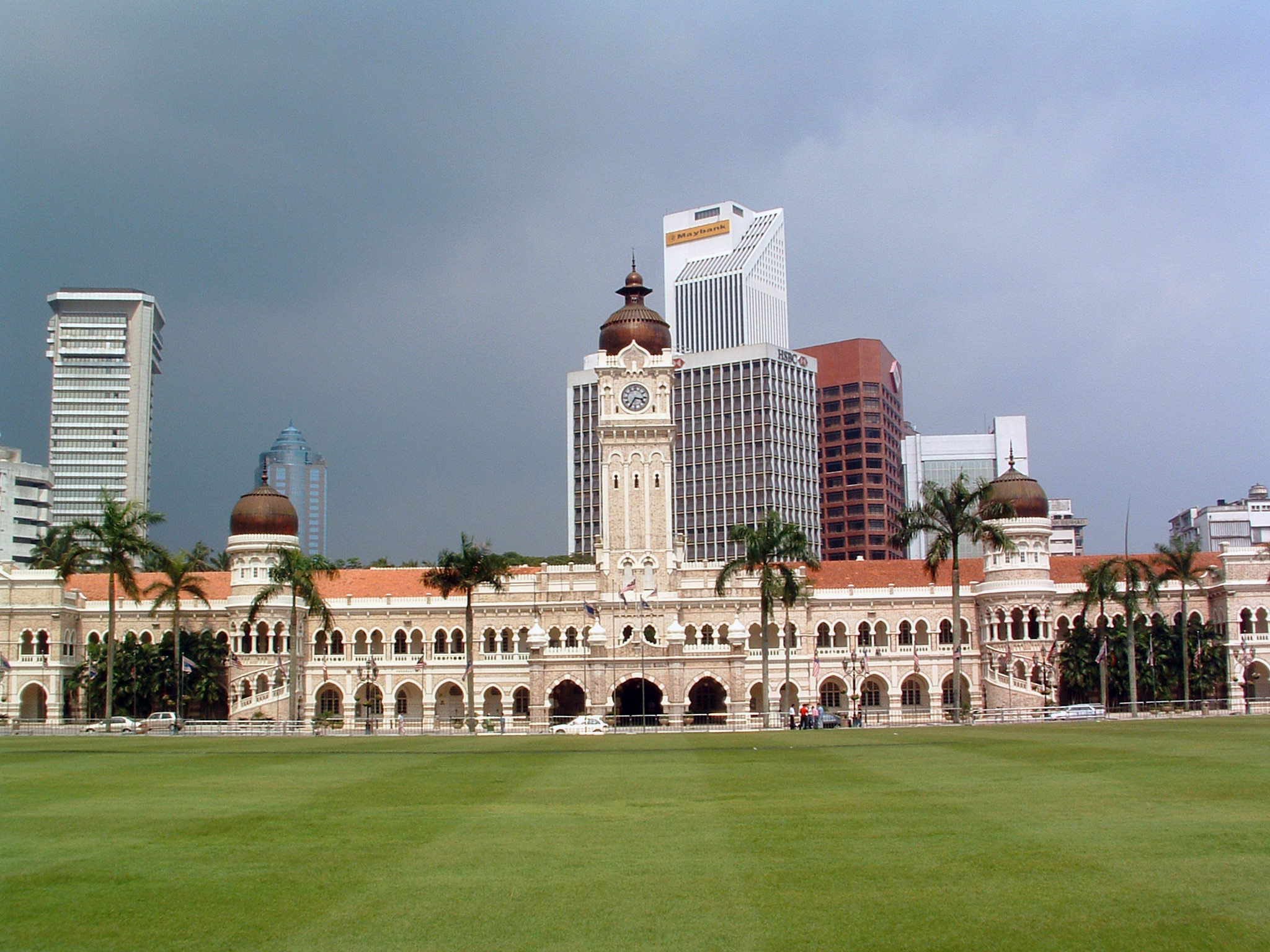 Sultan Abdul Samad BuildingAttraction · 20 min · Free
The Sultan Abdul Samad Building is a stunning Moorish-Revival structure completed in 1897, stretching along the eastern edge of Merdeka Square. Its copper-clad onion domes, 40-metre clock tower, and arched colonnades make it one of KL's most photographed landmarks.
 Thean Hou TempleAttraction · 45 min · Free
Thean Hou Temple is one of the largest and most ornate Chinese temples in Southeast Asia, perched on Robson Heights hill. Dedicated to the goddess Tian Hou (Mazu), protector of seafarers, its six tiers of red and gold architecture offer sweeping city views.
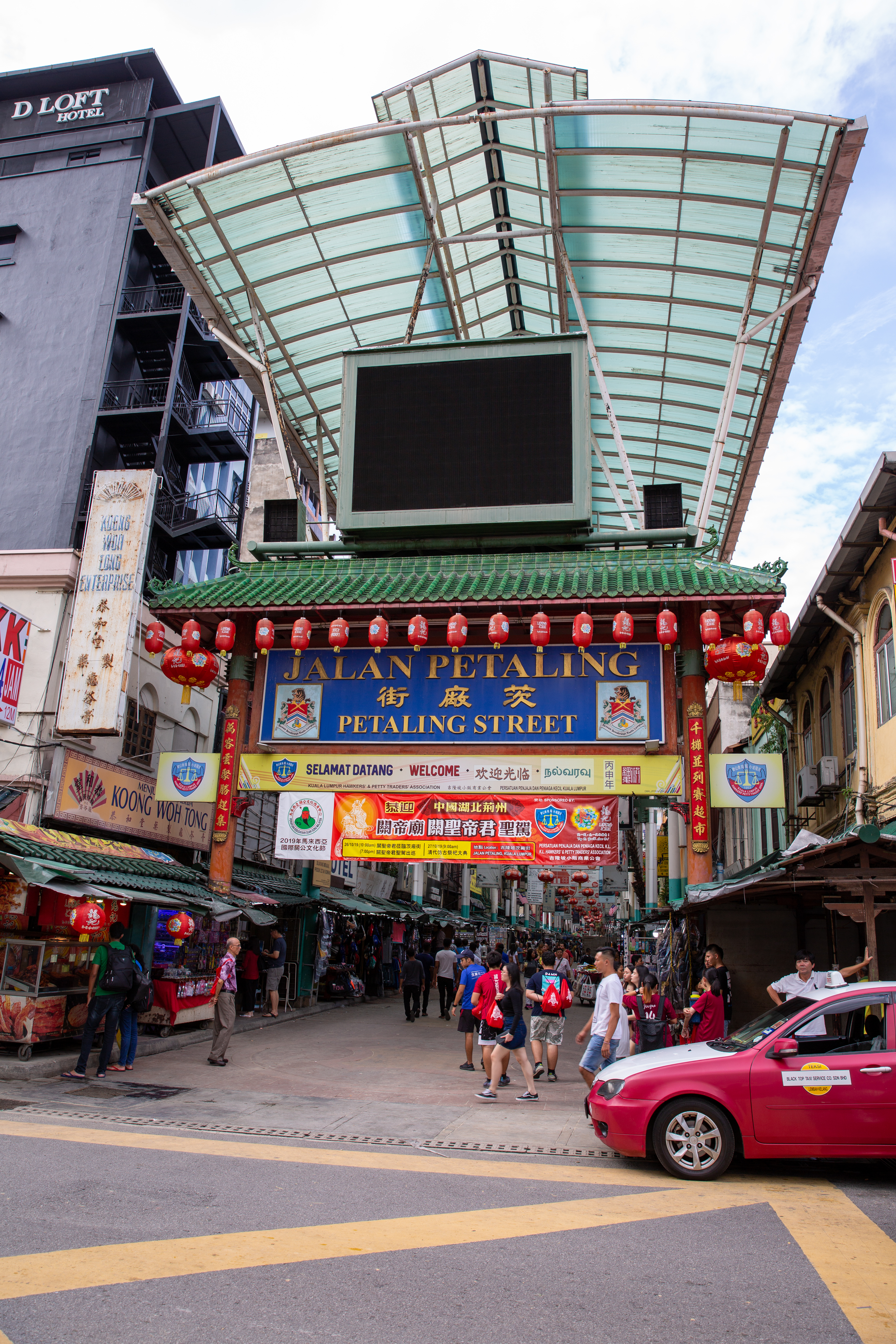 Kwai Chai HongAttraction · 20 min · Free
Kwai Chai Hong is a restored back-alley in Chinatown that has been transformed into an open-air art installation. Its murals depict scenes of daily life among KL's Chinese immigrant community in the 1960s, bringing forgotten stories to vivid life on crumbling plaster walls.
 Kuala Lumpur Railway StationAttraction · 20 min · Free
The Kuala Lumpur Railway Station is an extraordinary Moorish-Mughal Revival building completed in 1910, designed by A.B. Hubback. Its gleaming white façade of horseshoe arches, chatri pavilions, and pierced screens makes it one of the most beautiful railway stations in Asia.
- Tugu Negara (National Monument)Attraction · 20 min · Free
Tugu Negara (National Monument) is a bronze sculpture group commemorating the 11,000 who died in Malaysia's struggle against the Japanese occupation, the Malayan Emergency, and the communist insurgency. Set in a lily-pond garden within the Lake Gardens, the 15-metre monument was sculpted by Felix de Weldon.
- River of LifeAttraction · 30 min · Free
The River of Life project has transformed a section of the Klang River near Masjid Jamek into a pedestrian-friendly promenade with illuminated blue water, landscaped banks, and public art installations. The blue lighting makes the previously neglected waterway glow dramatically after dark.
 Sri Mahamariamman TempleAttraction · 30 min · Free
Sri Mahamariamman Temple is KL's oldest Hindu temple, founded in 1873 by Tamil immigrants and relocated to its current site on Jalan Tun H.S. Lee in 1885. Its towering gopuram (gateway tower), added in 1972, is covered with 228 Hindu deities sculpted in vivid colours.
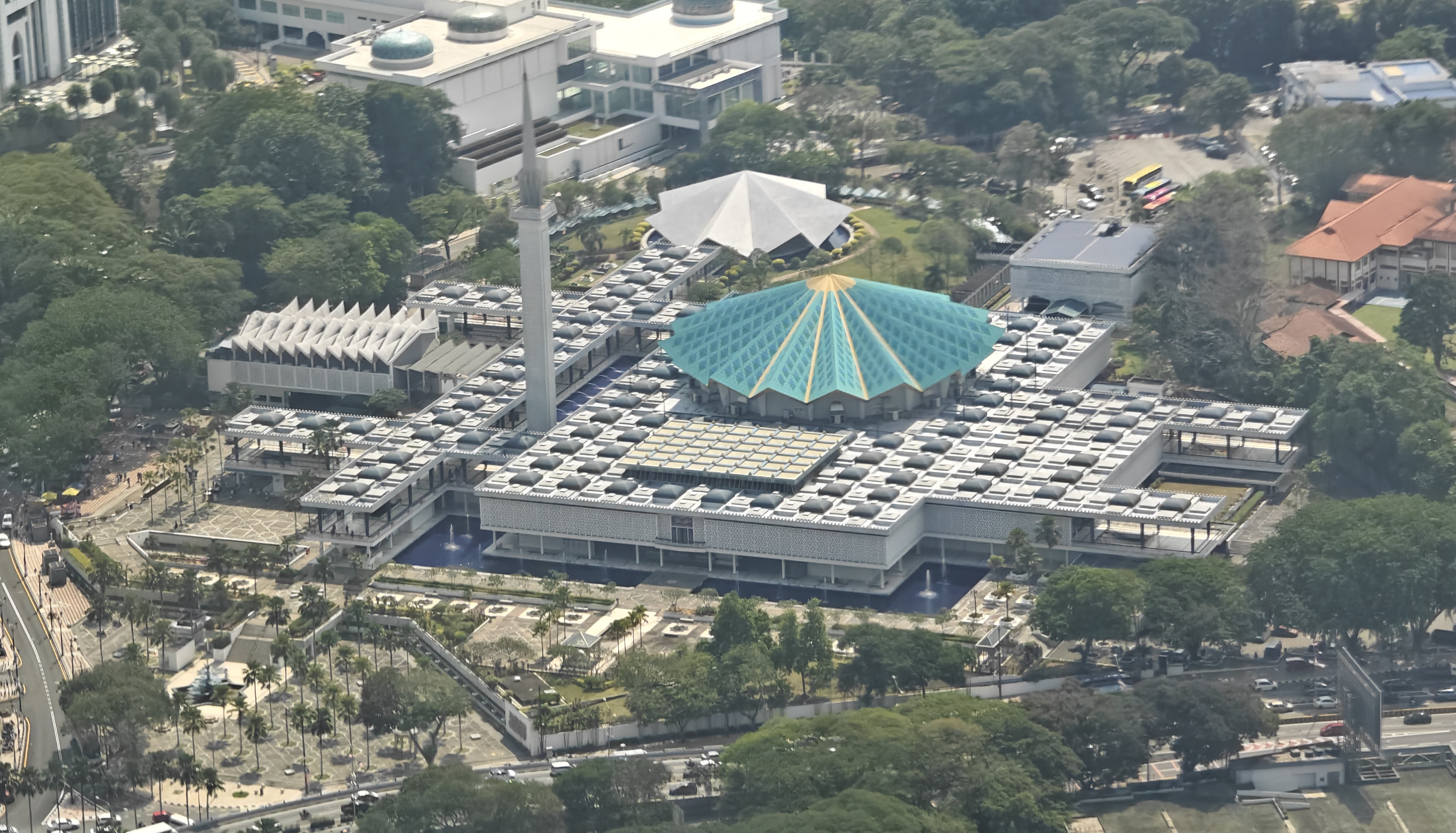 Masjid Negara (National Mosque)Attraction · 45 min · Free
Masjid Negara is Malaysia's national mosque, capable of accommodating 15,000 worshippers. Its distinctive folded-plate roof features a 16-pointed star design symbolising the 13 states of Malaysia and the five pillars of Islam, paired with a 73-metre-tall minaret.
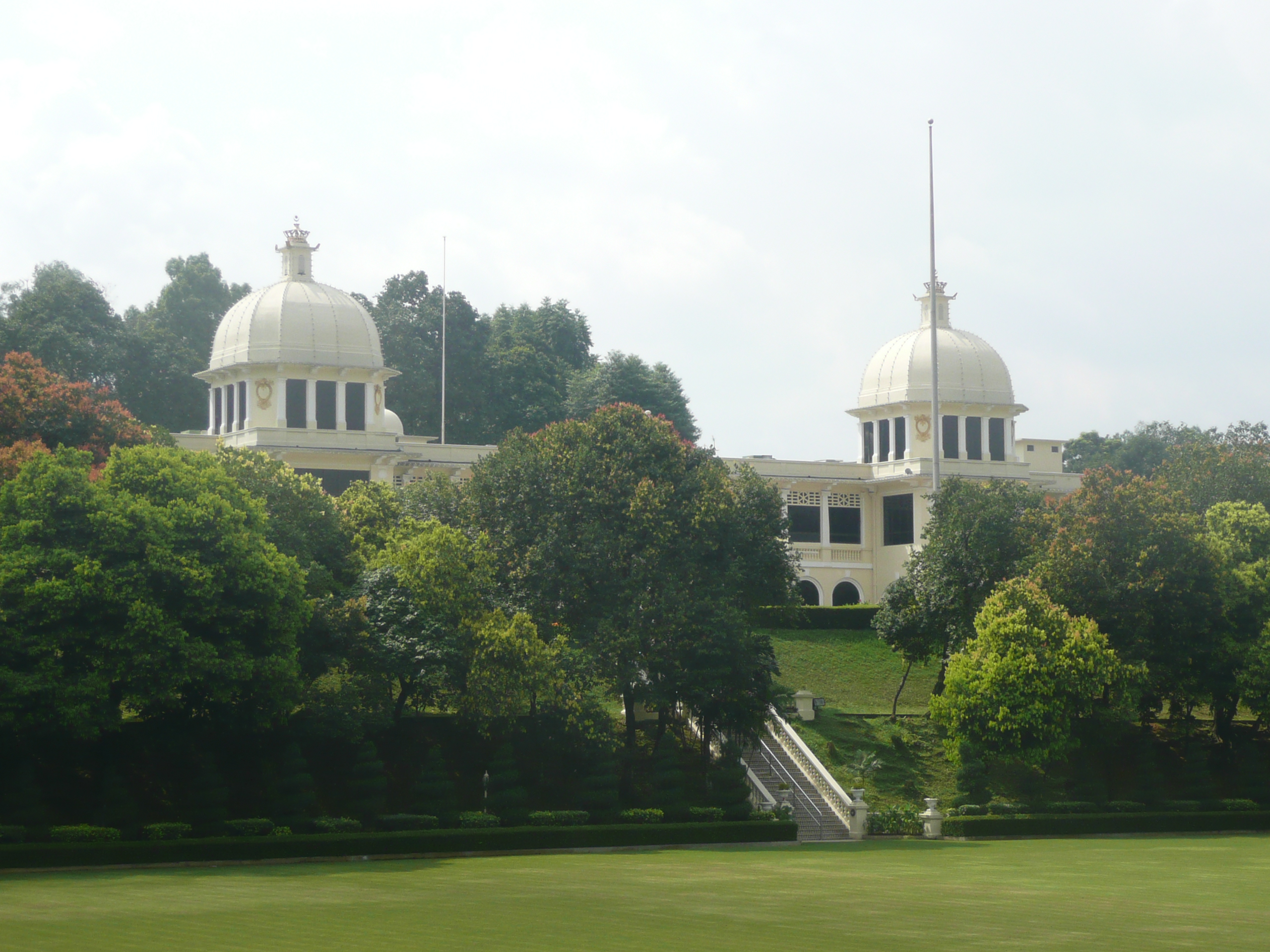 National Palace (Istana Negara)Attraction · 30 min · Free
Istana Negara is the official residence of Malaysia's Yang di-Pertuan Agong (constitutional monarch). The current palace, completed in 2011 at a cost of RM800 million, sits on a sprawling hilltop site along Jalan Duta with an ornate golden-domed gateway.