Loading city...
Skip to main content
Neighborhoods in Vilnius
3 neighborhoods selected in this guide.
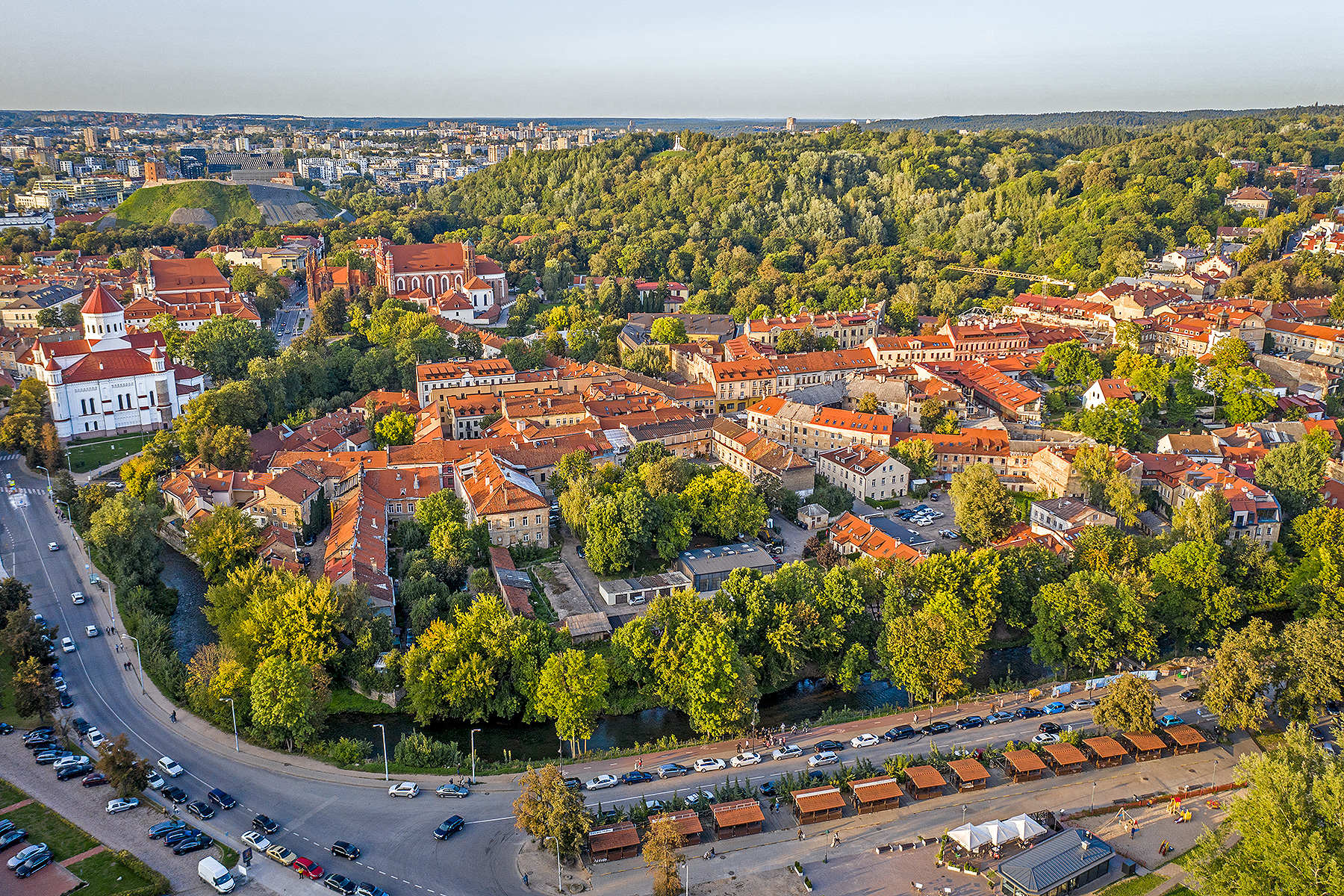 Užupis RepublicNeighborhood · 1.5h · Free
Užupis is a bohemian neighbourhood east of the Old Town, occupying a peninsula formed by the Vilnia river. In 1997, its residents semi-seriously declared independence, drafting a constitution (translated into over 50 languages) whose articles include "A cat is not obliged to love its owner, but must help in times of need." The district is a living canvas of street art, independent galleries, and creative studios.
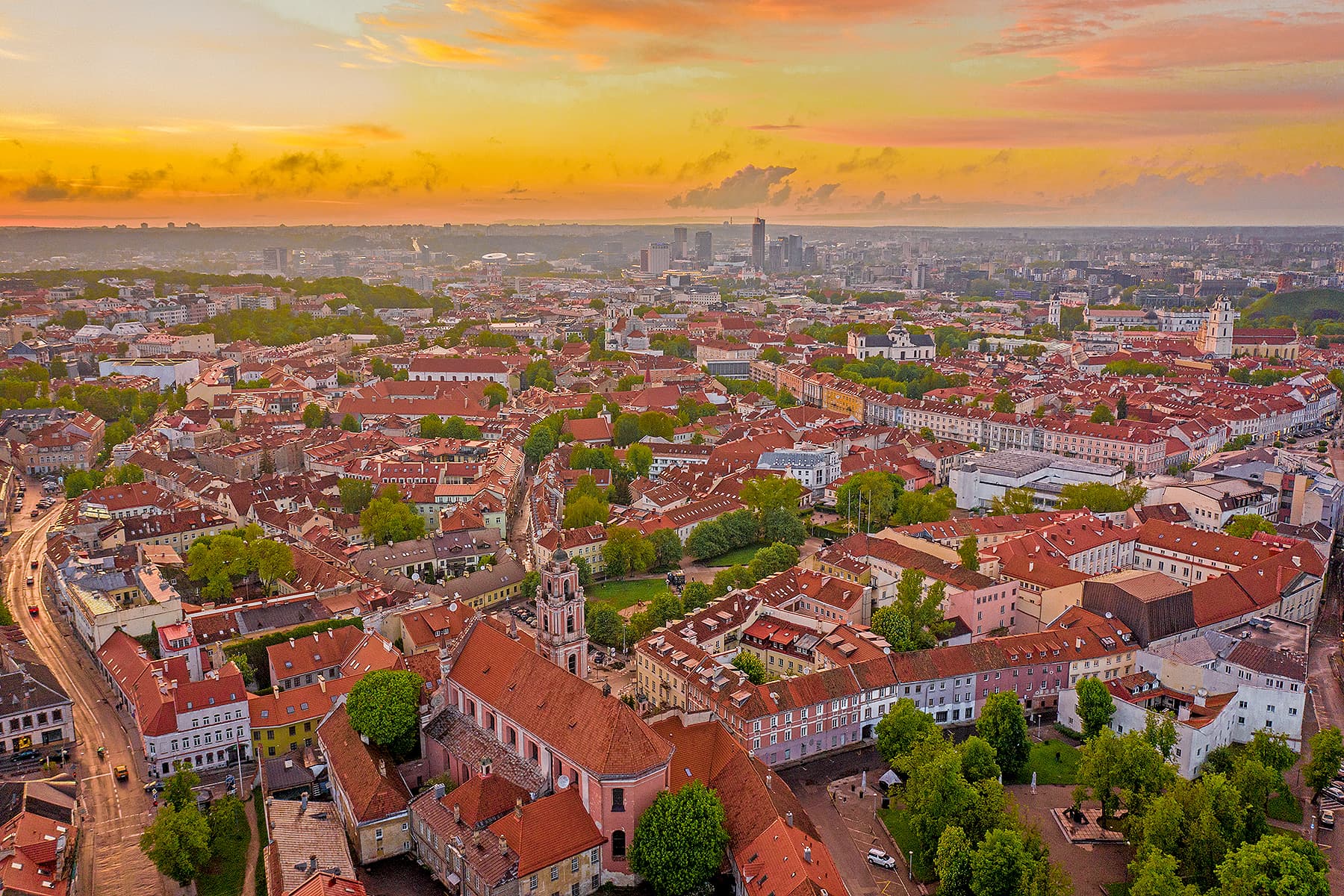 Vilnius Old TownNeighborhood · 3h · Free
Vilnius Old Town is one of the largest surviving medieval old towns in Europe, covering roughly 3.6 square kilometres. Inscribed as a UNESCO World Heritage Site in 1994, it encompasses over 1,500 buildings with an extraordinary mix of Gothic, Renaissance, Baroque, and Neoclassical architecture. The labyrinth of narrow cobblestoned streets, hidden courtyards, and church towers creates an atmosphere unlike any other European capital.
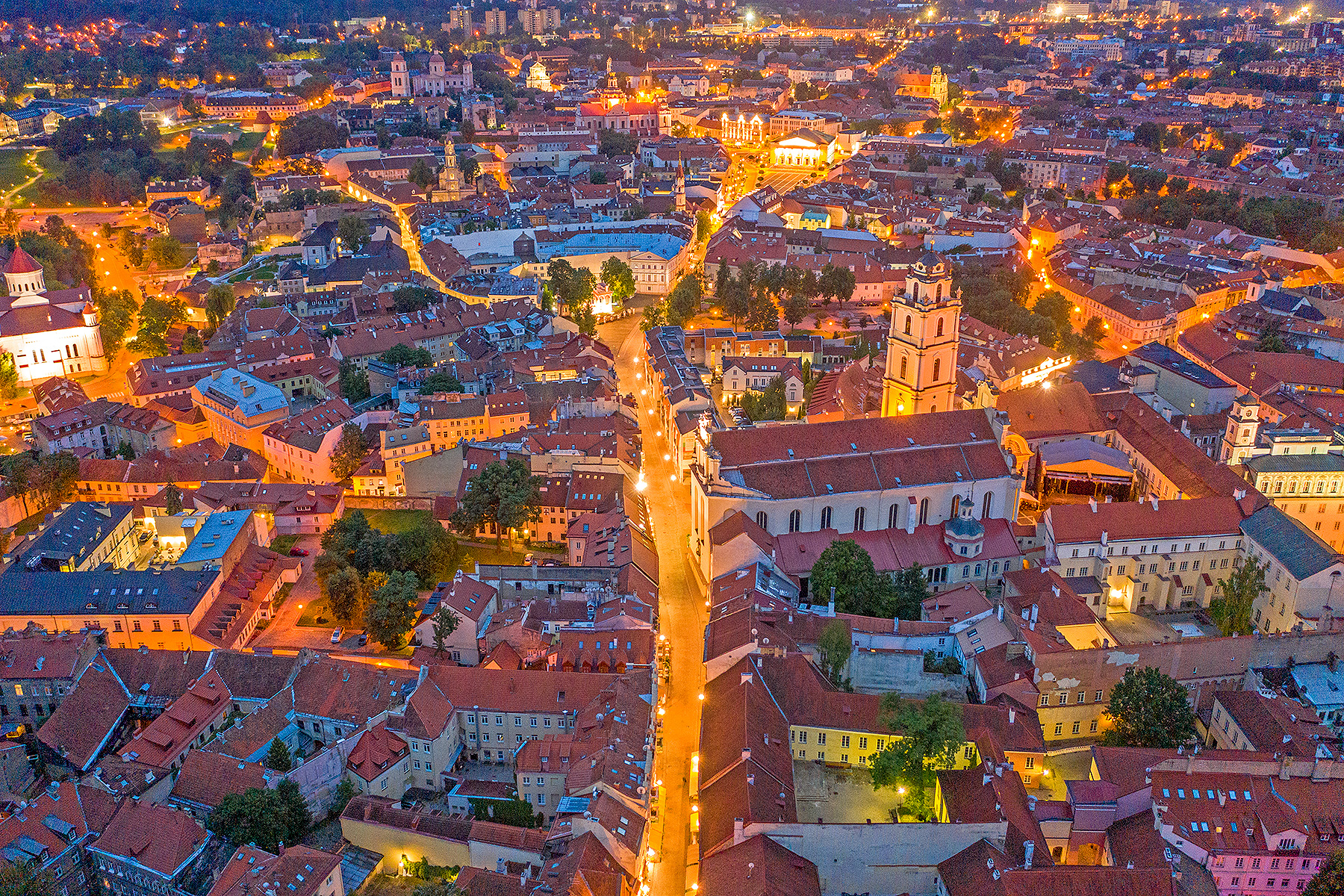 Pilies StreetNeighborhood · 45 min · Free
Pilies Street (Pilies gatvė) is the oldest and busiest pedestrian street in Vilnius, connecting Cathedral Square to Town Hall Square. Lined with colourful baroque and neoclassical facades, it is the city's main artery for souvenir shopping, amber jewellery, and street buskers. The street's name translates to "Castle Street," referencing the medieval route from the city gate to the royal castle.