Loading city...
Skip to main content
Attractions in Incheon
9 attractions selected in this guide.
 Incheon StationAttraction · 20 min · Free
Incheon Station is the western terminus of Seoul Line 1 and one of Korea's earliest railway stations, originally built in 1899 during the push to connect Seoul with its main port. The current Italianate-Renaissance façade dates from a 1925 reconstruction and stands as a registered cultural property.
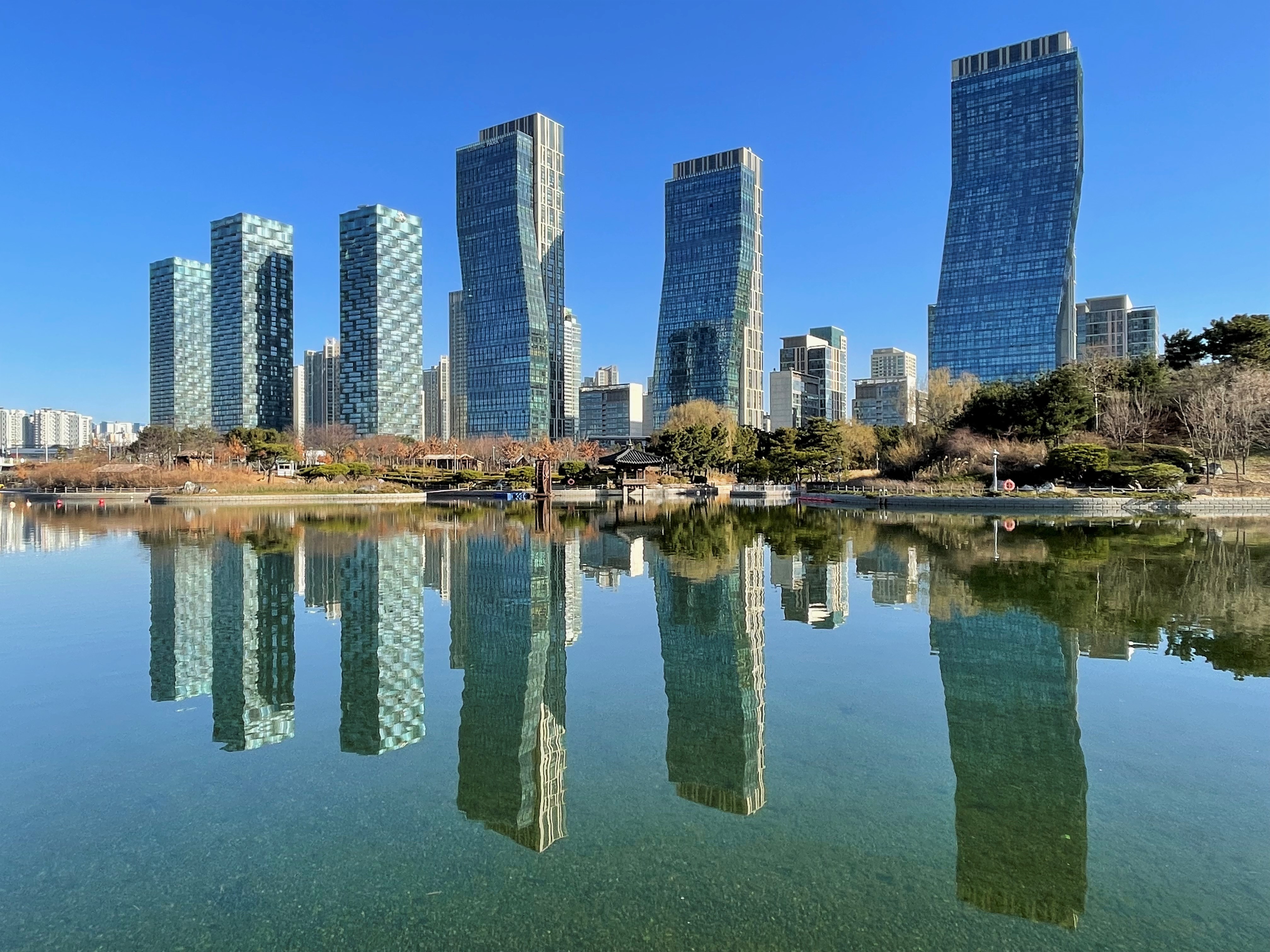 Songdo Convensia Convention CenterAttraction · 30 min · Free
Convensia is Songdo's flagship convention and exhibition centre, housed beneath a soaring aluminium-clad roof that has become a symbol of the district. Even when no event is on, the surrounding plaza is worth the detour for its architecture.
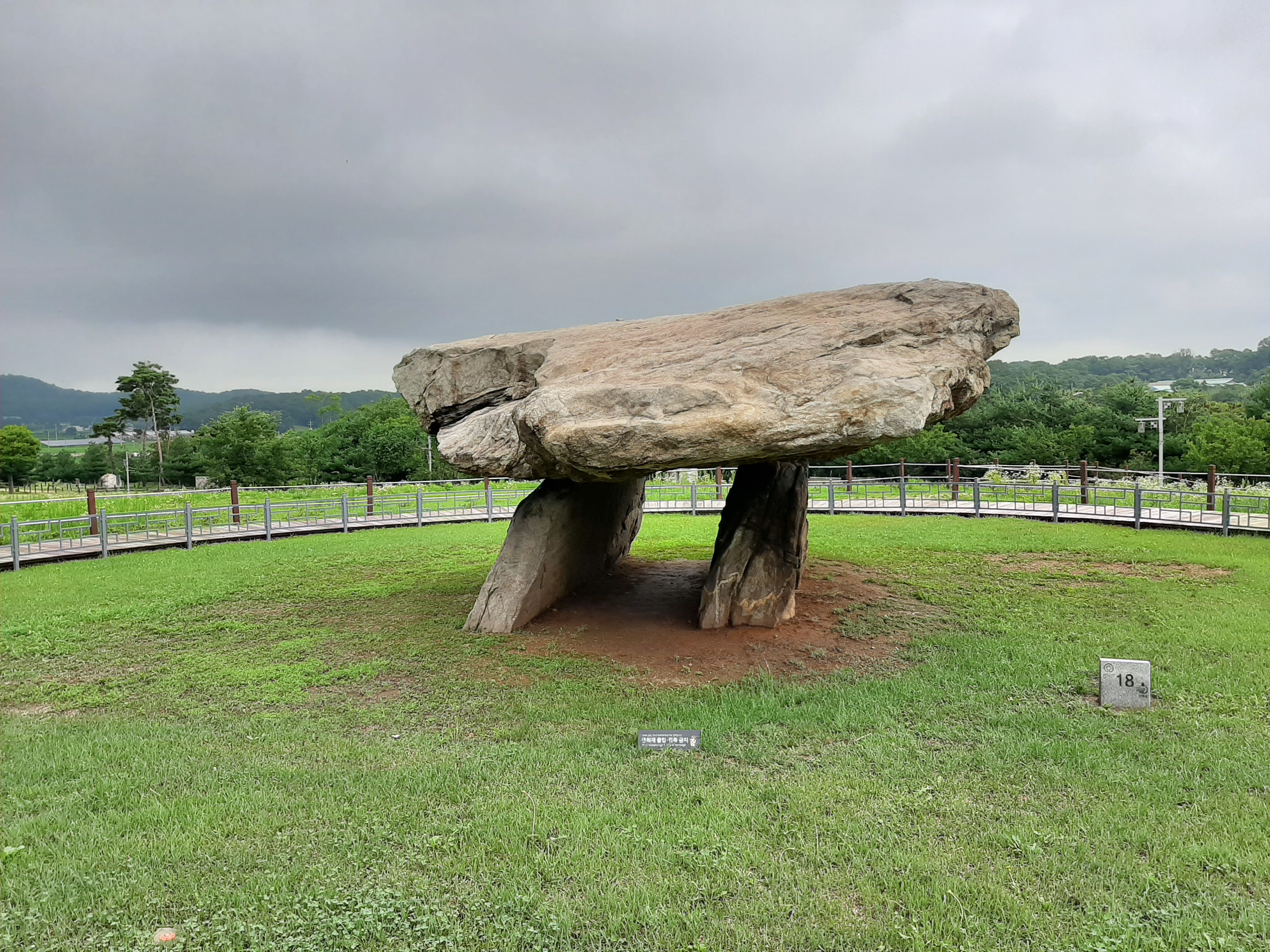 Ganghwa Dolmen SiteAttraction · 1h · Free
The Ganghwa Dolmen Site is a UNESCO World Heritage-listed cluster of prehistoric megalithic burial monuments scattered across the northern part of Ganghwa Island. Korea contains roughly 40% of the world's dolmens, and this site includes some of the peninsula's most impressive examples, dating from 1000–300 BCE.
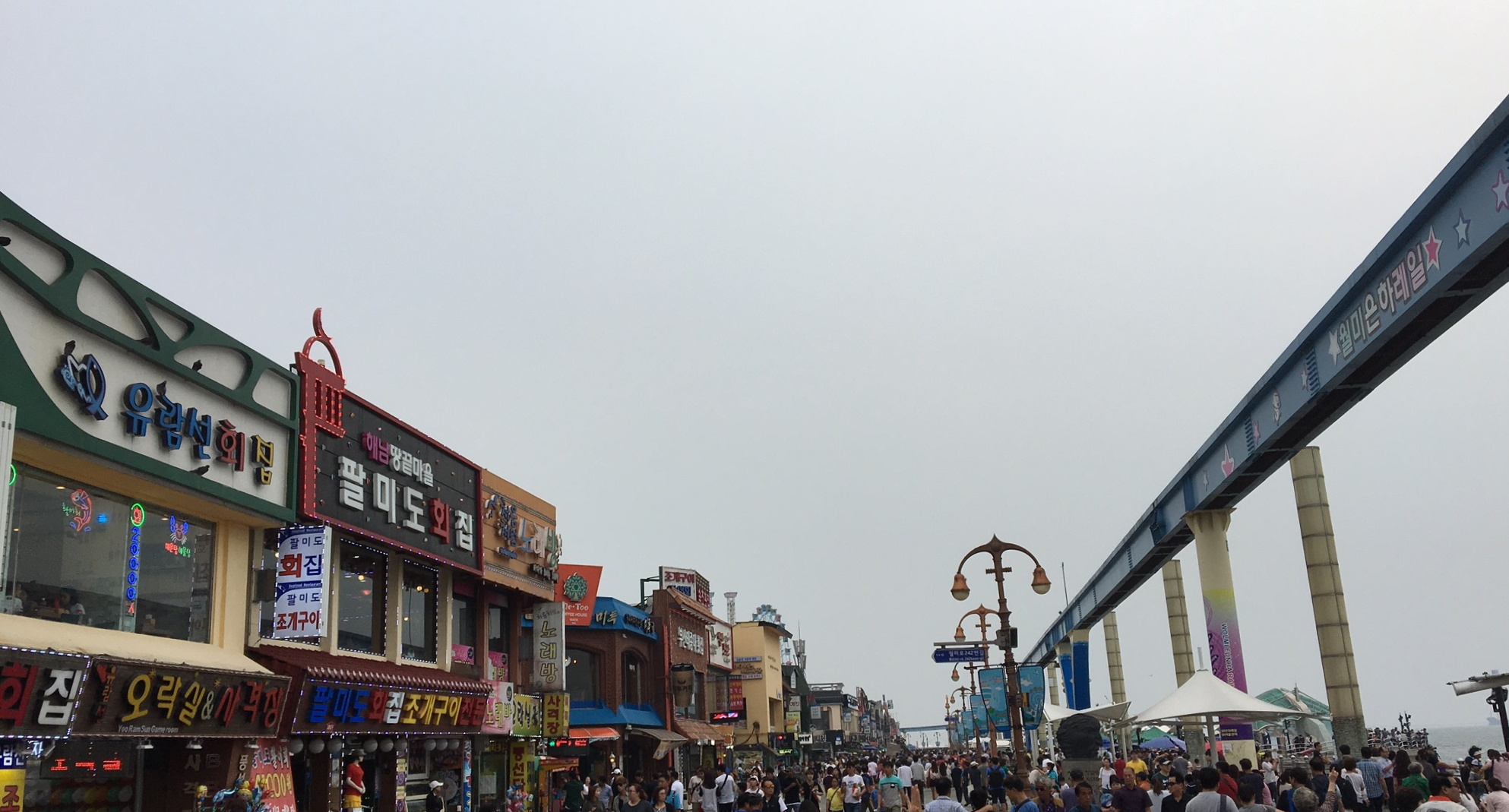 Wolmido IslandAttraction · 2h · Free
Wolmido is a small island connected to central Incheon by a 1-kilometre causeway, famous for its seafood boardwalk, amusement park rides, and panoramic Yellow Sea views. Once a military stronghold during the Korean War, it has been transformed into one of the city's favourite leisure destinations. The waterfront promenade comes alive at sunset with fairground lights and the aroma of grilled shellfish.
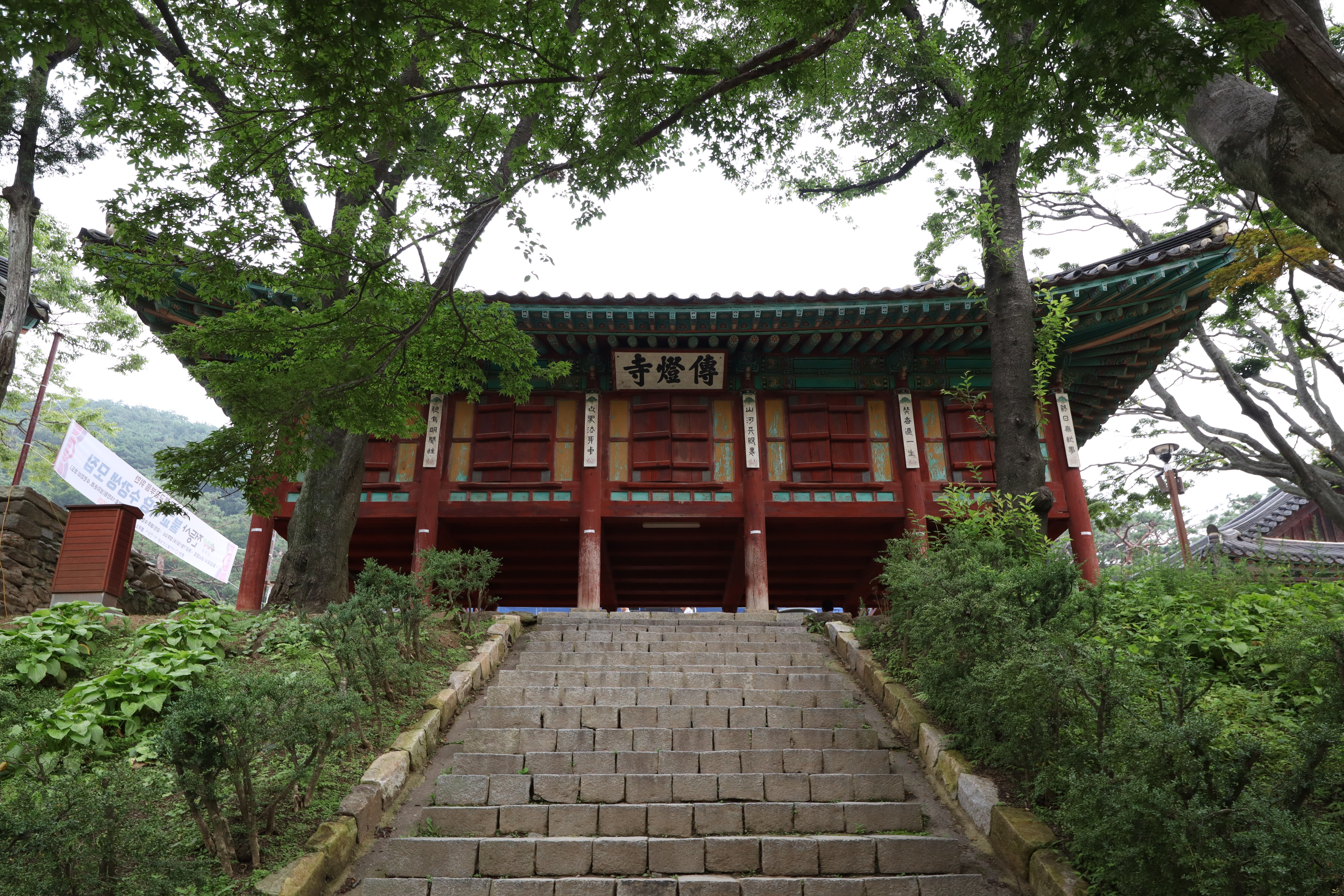 Jeondeungsa TempleAttraction · 1.5h · Free
Jeondeungsa is one of the oldest Buddhist temples in Korea, originally founded in 381 CE during the Goguryeo kingdom on the forested slopes of Ganghwa Island's Jeongjok Mountain. The temple sits within the walls of Samrangseongjeon Fortress, combining religious and military heritage in a single atmospheric site.
 Ganghwa Anglican ChurchAttraction · 30 min · Free
Ganghwa Anglican Church is a unique architectural fusion built in 1900 by Bishop Charles John Corfe, combining the form of a Korean Buddhist temple with the liturgical plan of a Western basilica. The wooden structure sits amid a quiet village on Ganghwa Island and is designated Historic Site No. 424.
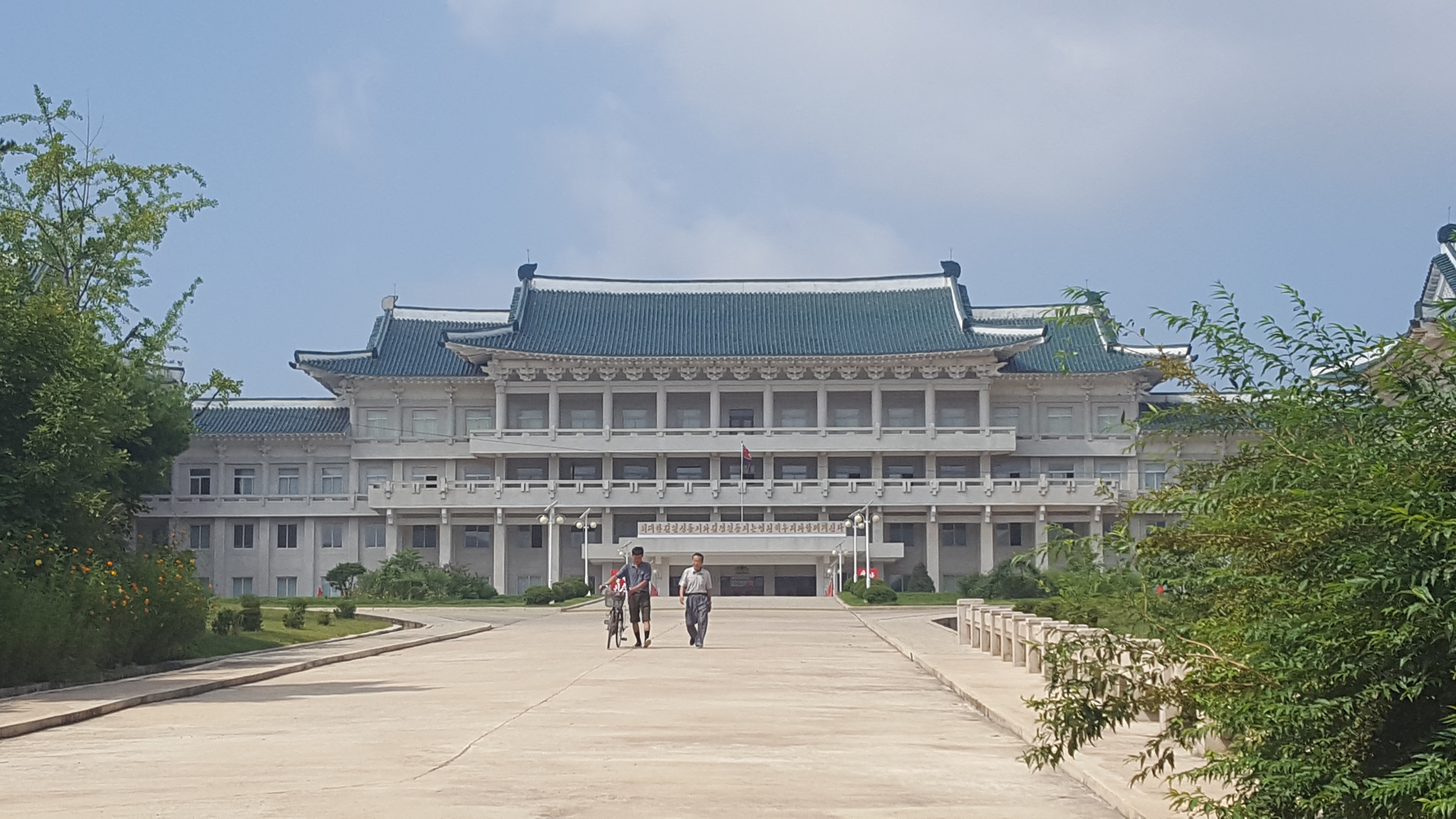 Songdo Hanok VillageAttraction · 1h · Free
Songdo Hanok Village is a modern recreation of traditional Korean hanok architecture, built in 2014 within the ultra-modern Songdo International Business District. The cluster of curved-roof wooden buildings houses a cultural centre, a tea house, and craft workshops, offering visitors a taste of Joseon-era life against a backdrop of glass skyscrapers.
 Ssanggyeongsa TempleAttraction · 1h · Free
Ssanggyeongsa Temple is a serene Jogye-order Buddhist temple nestled in the forested slopes of Mount Gwanmo in Incheon's Namdong-gu district. Surrounded by ancient pine trees and a bamboo grove, it offers temple-stay programmes, meditation sessions, and tranquil forest walks away from the urban bustle.
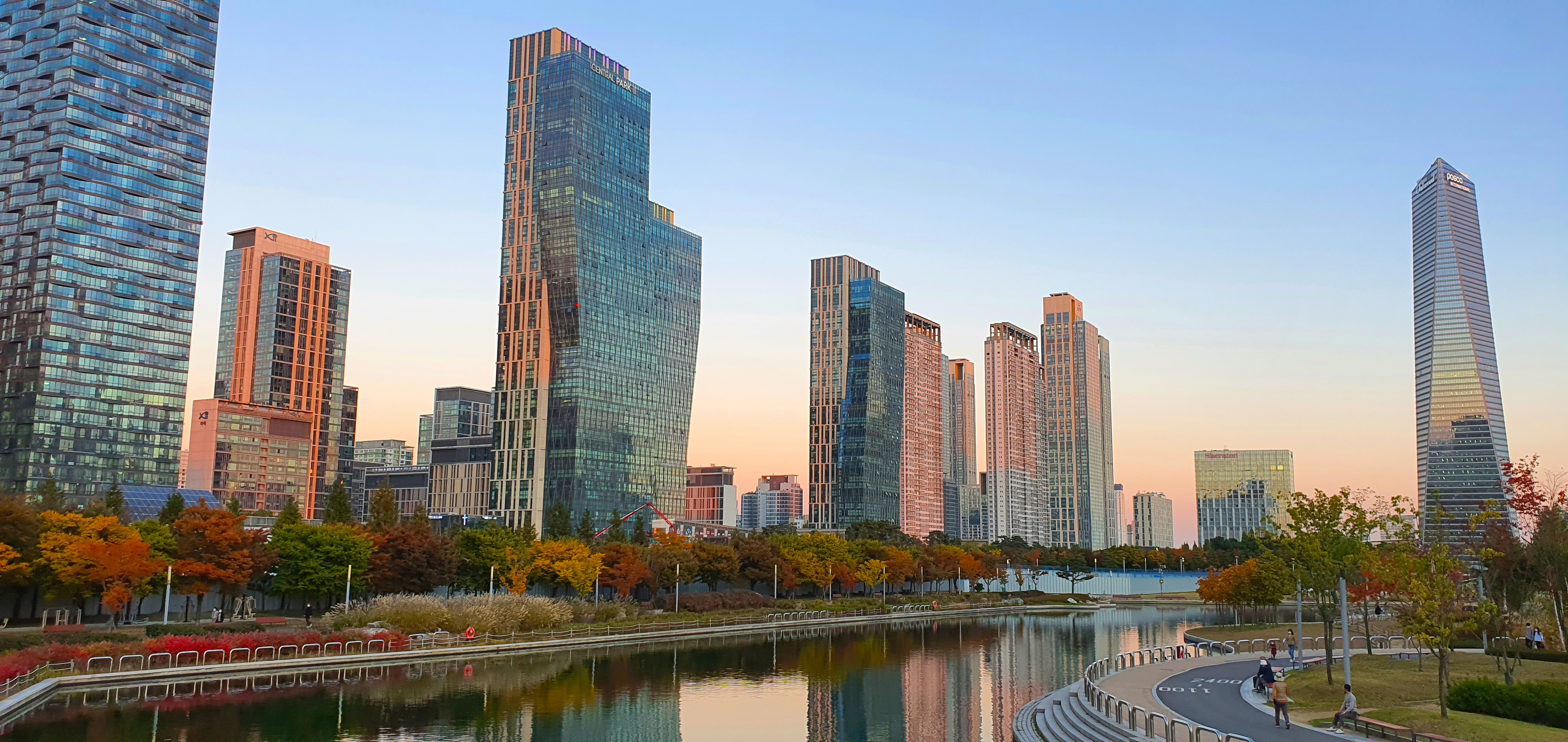 Tri-BowlAttraction · 30 min · Free
The Tri-Bowl is a striking cultural venue in Songdo designed as three interlocking bowl-shaped shells, resembling abstract celadon bowls or UFOs perched on a waterfront plaza. It hosts exhibitions, performances, and cultural events and has become one of Incheon's most photographed architectural landmarks.