Loading city...
Skip to main content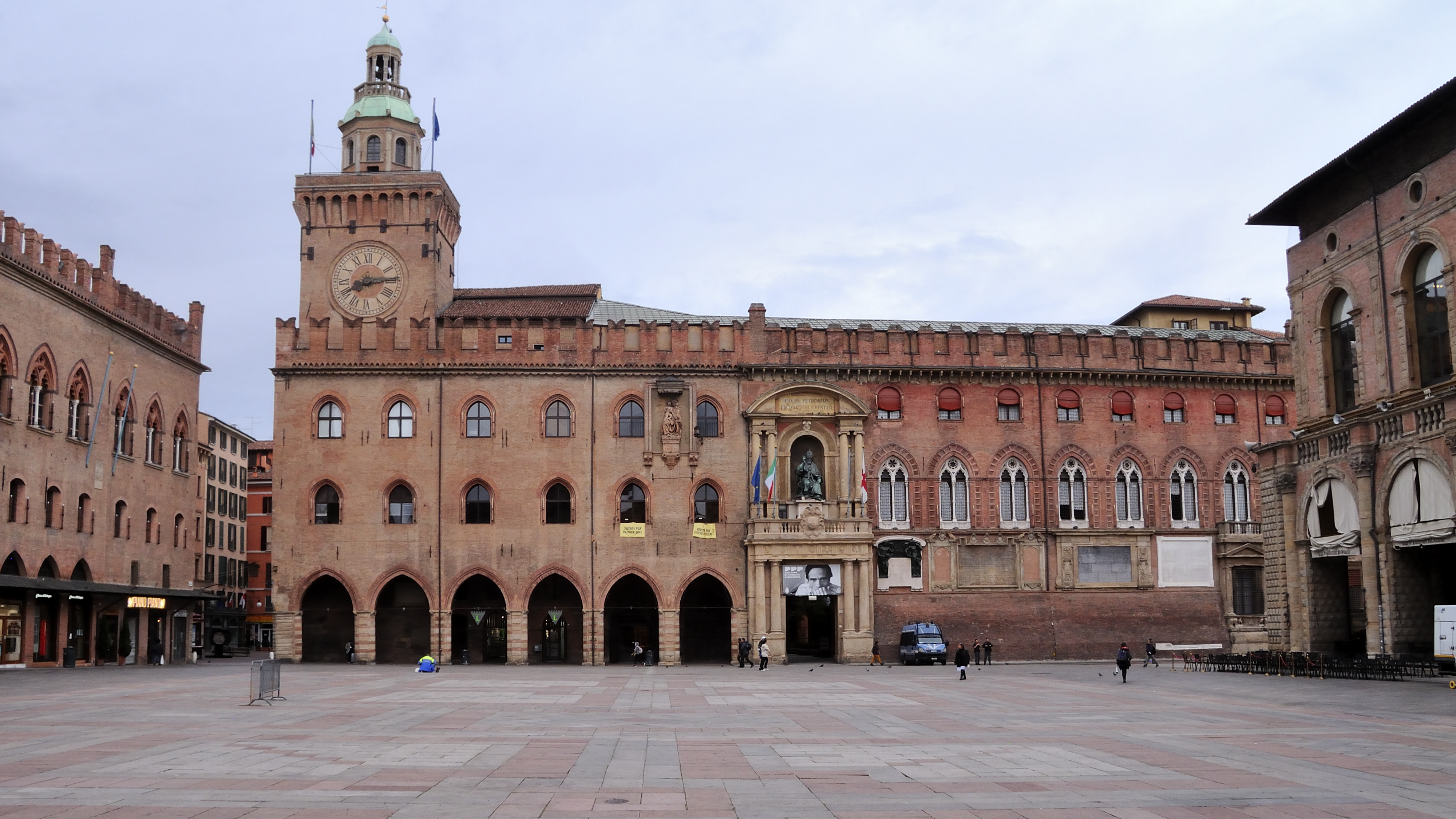
Attractions in Bologna
15 attractions selected in this guide.
 Chiesa di Santa Maria della VitaAttraction · 30 min · €5
This small church hides one of the most emotionally powerful sculptural groups in Italian art: the Lamentation over the Dead Christ by Niccolo dell'Arca, created around 1463.
 Basilica di San DomenicoAttraction · 40 min · Free
One of Christianity's most important Dominican churches, housing the tomb of Saint Dominic with sculptures by Michelangelo.
- Basilica di San PetronioAttraction · 45 min · Free
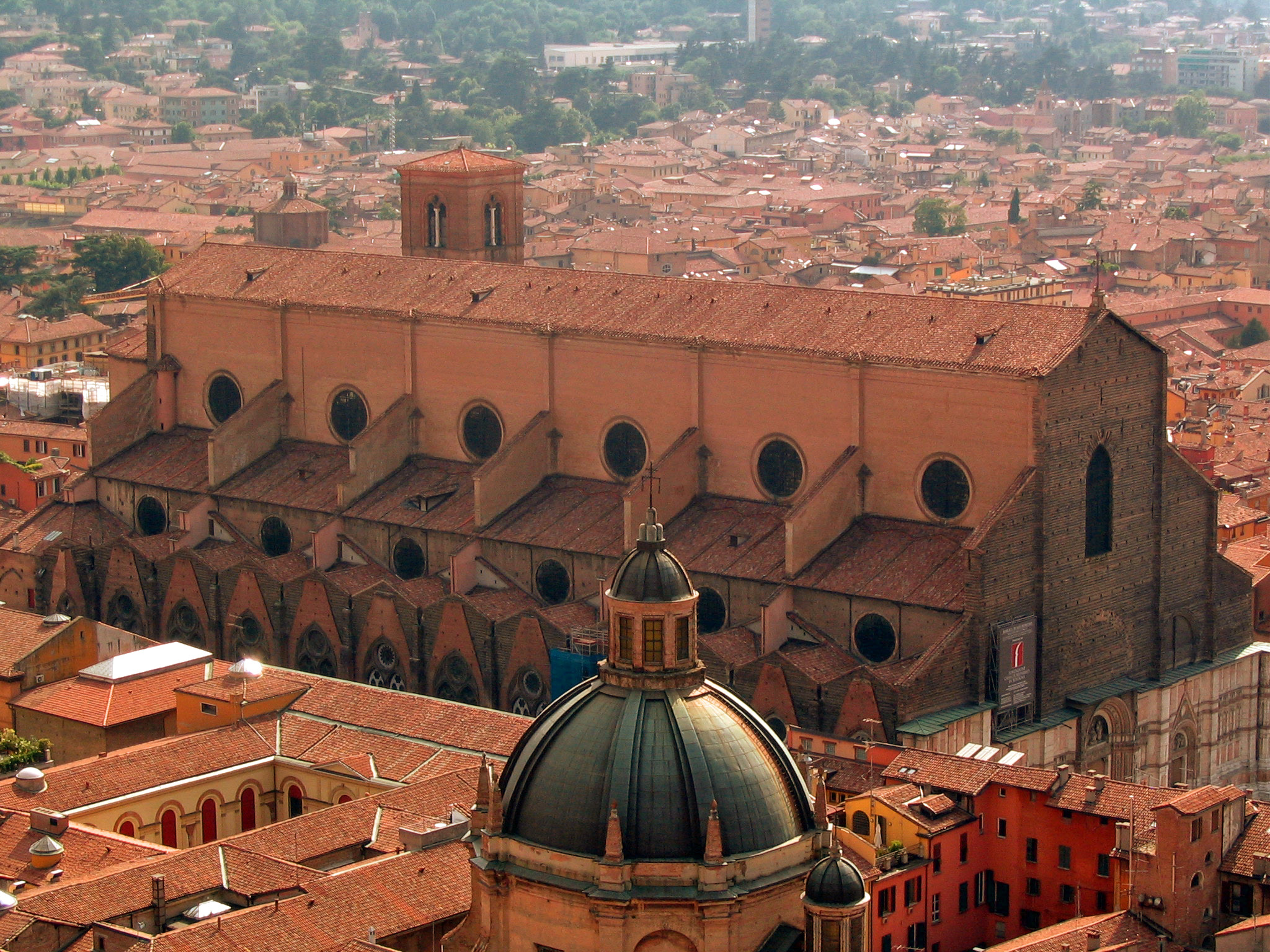
The Basilica di San Petronio is Bologna's main church and one of the largest in the world at 132 meters long. Its famously unfinished marble-and-brick facade tells a story of ambition thwarted by papal politics.
 Portico di San LucaAttraction · 1.5h · Free
The longest portico in the world—3.8 km and 666 covered arches—stretching from Porta Saragozza to the Sanctuary of San Luca. UNESCO World Heritage since 2021.
 Fountain of NeptuneAttraction · 15 min · Free

A monumental bronze and marble fountain created by Giambologna in 1566, standing in Piazza del Nettuno adjacent to Piazza Maggiore.
- Sanctuary of the Madonna di San LucaAttraction · 2h · Free
Perched atop Colle della Guardia at 300 meters, this 18th-century Baroque sanctuary is Bologna's most beloved landmark, housing a Byzantine icon attributed to Saint Luke.
 Basilica di Santo StefanoAttraction · 45 min · Free
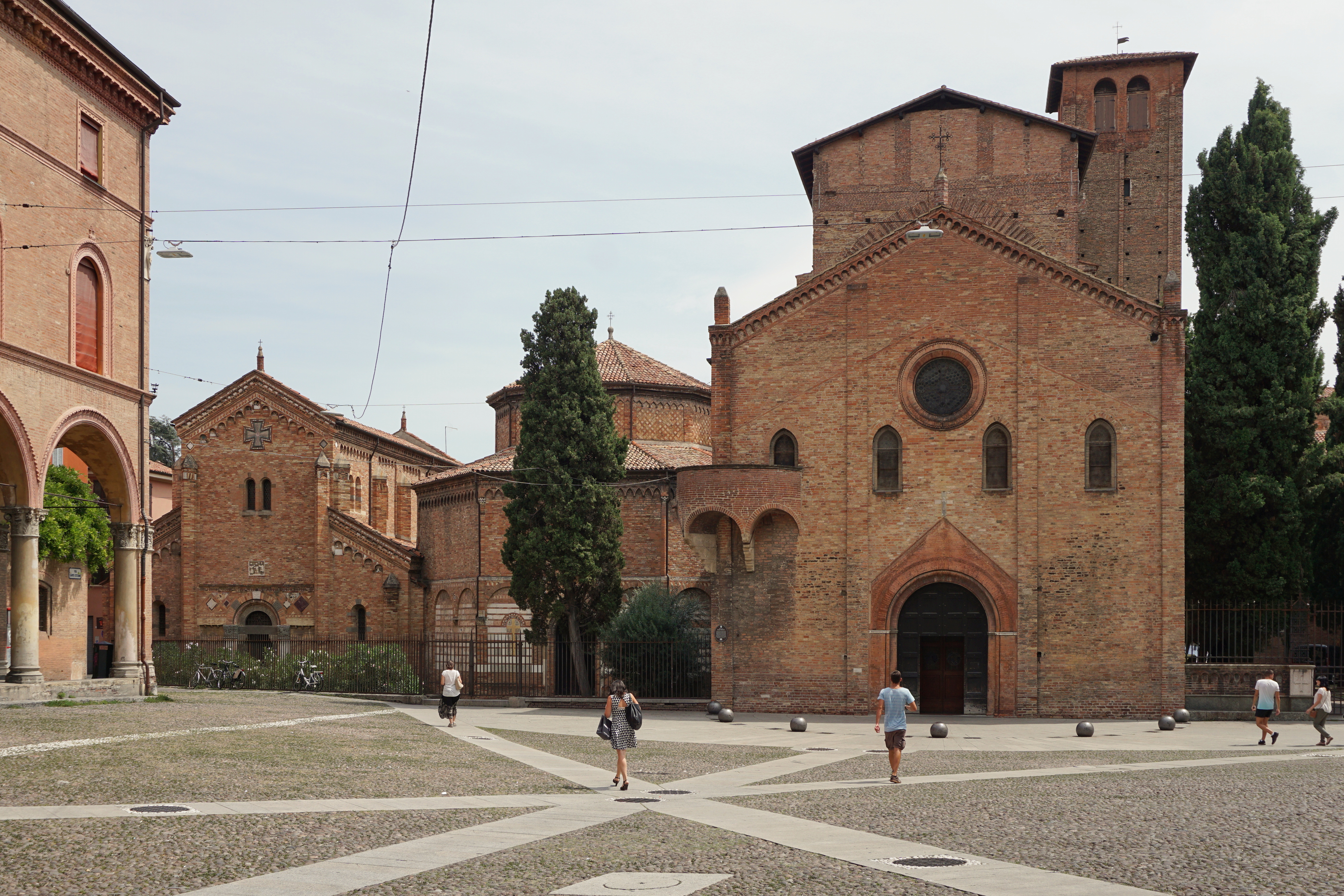
Known as "Sette Chiese" (Seven Churches), this extraordinary complex is a group of interconnected religious buildings dating from the 5th to the 13th century, built on the site of a Roman temple of Isis.
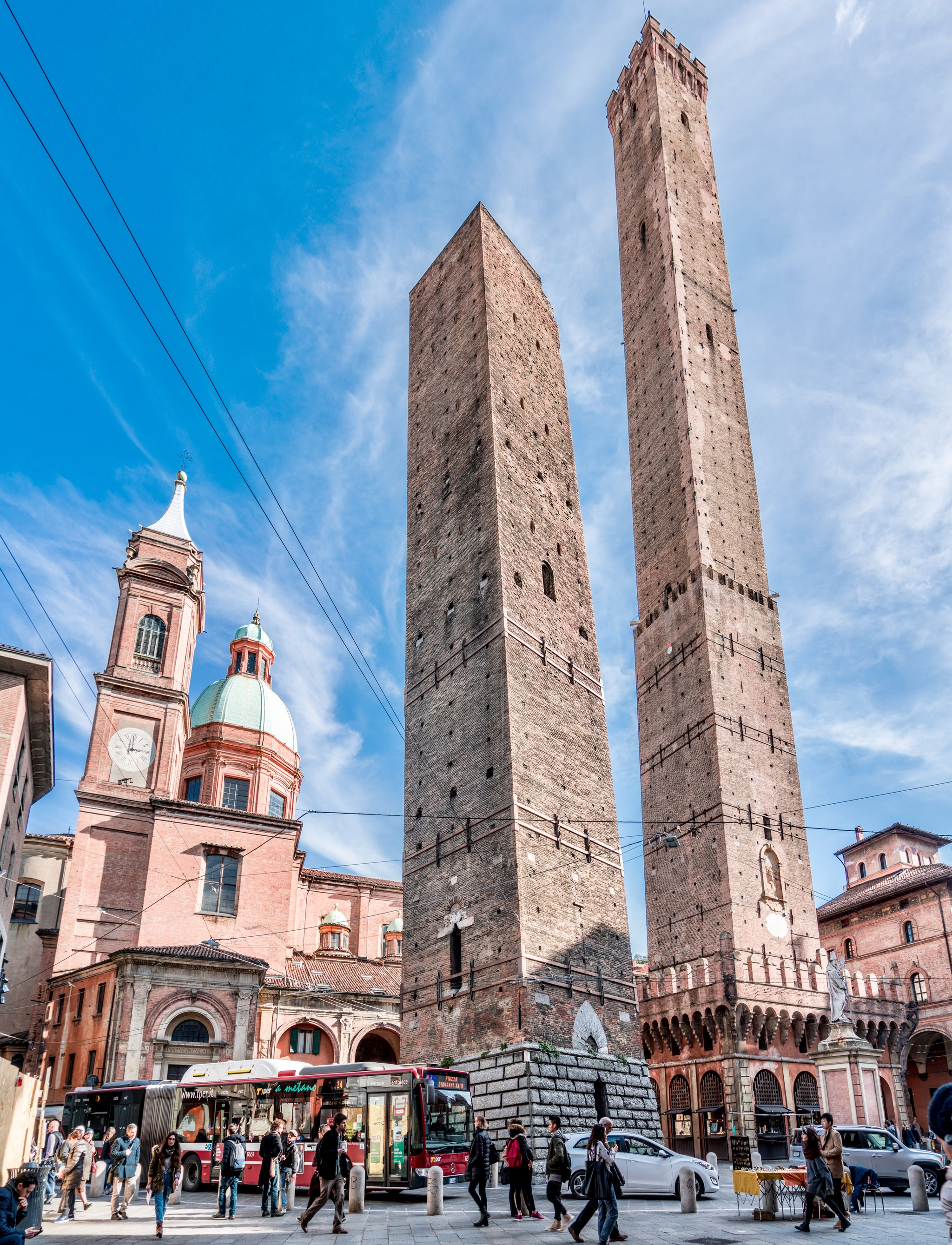 Two Towers (Due Torri)Attraction · 45 min · €5
The Two Towers—Torre degli Asinelli (97.2 m) and Torre Garisenda (48 m)—are Bologna's most recognizable landmarks. They are the tallest survivors of the roughly 100 towers that dotted the medieval skyline.
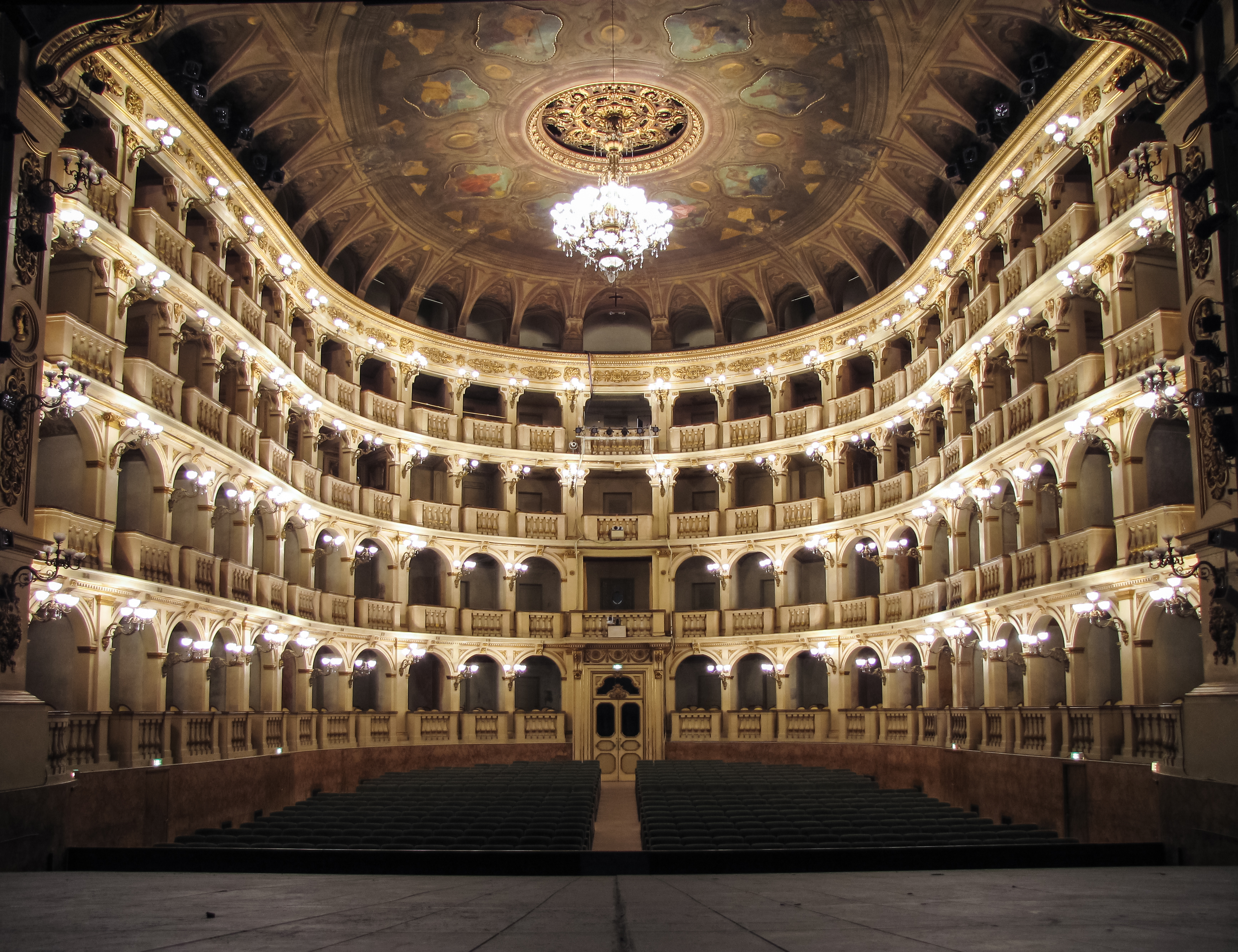 Teatro Comunale di BolognaAttraction · 1h · €15
One of Italy's great opera houses with a distinguished tradition since 1763. Wagner's early Italian performances took place here.
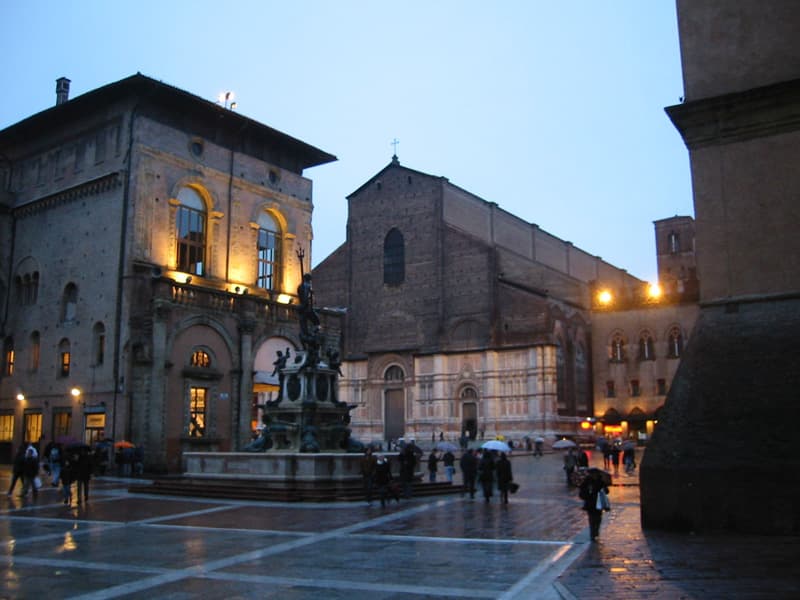 Piazza MaggioreAttraction · 30 min · Free
Piazza Maggiore is the beating heart of Bologna, a vast medieval square surrounded by some of the city's most important civic and religious buildings. Since the 13th century, it has served as the center of political, social, and cultural life.
 Palazzo d'AccursioAttraction · 45 min · Free
Bologna's city hall since 1336, overlooking Piazza Maggiore, housing the Collezioni Comunali d'Arte.
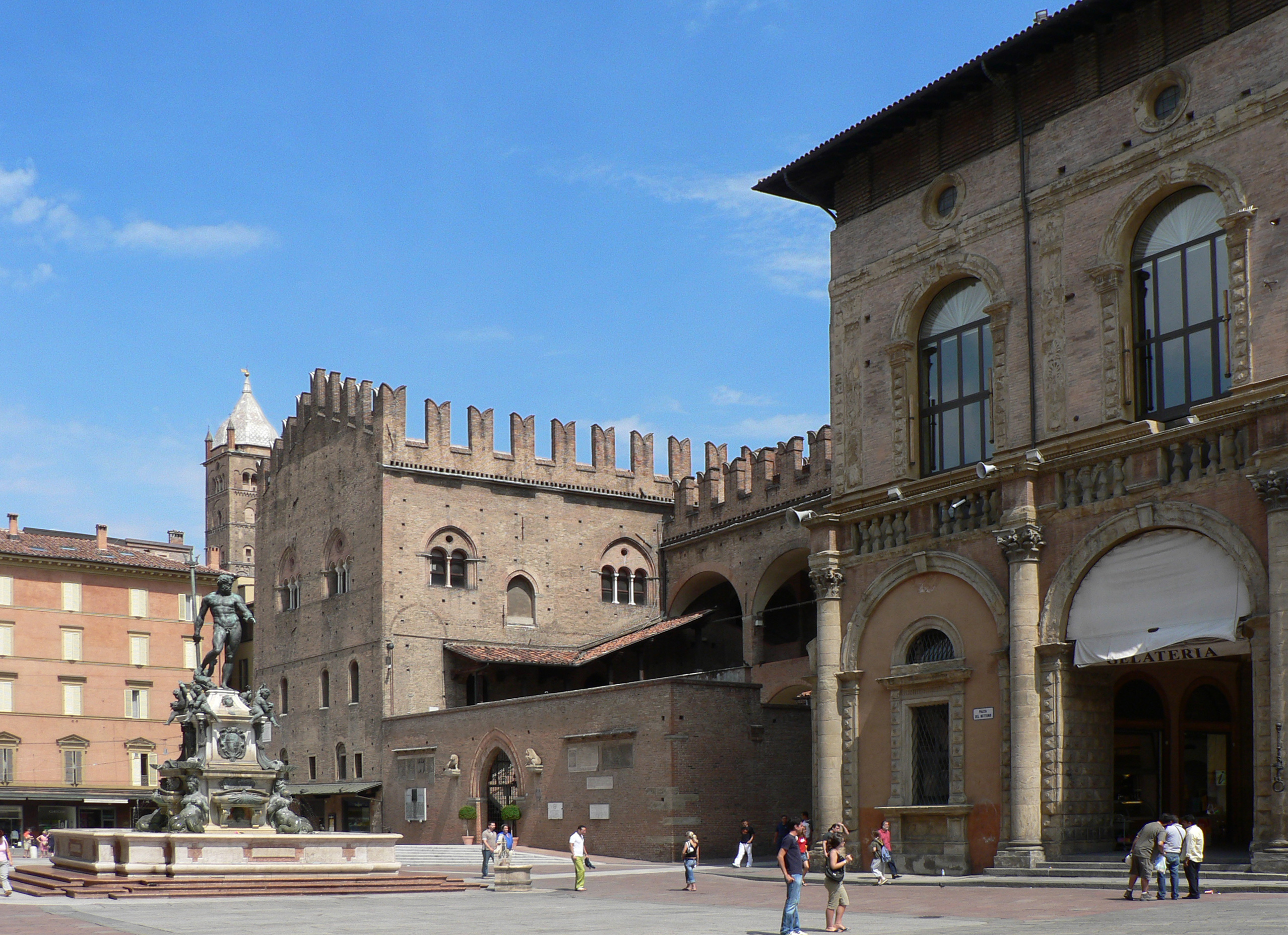 Palazzo Re EnzoAttraction · 30 min · Free
A medieval palace where King Enzo of Sardinia was imprisoned for 23 years until his death in 1272.
 Certosa di BolognaAttraction · 1.5h · Free
Monumental cemetery and former Carthusian monastery functioning as an open-air museum of funerary art spanning six centuries.
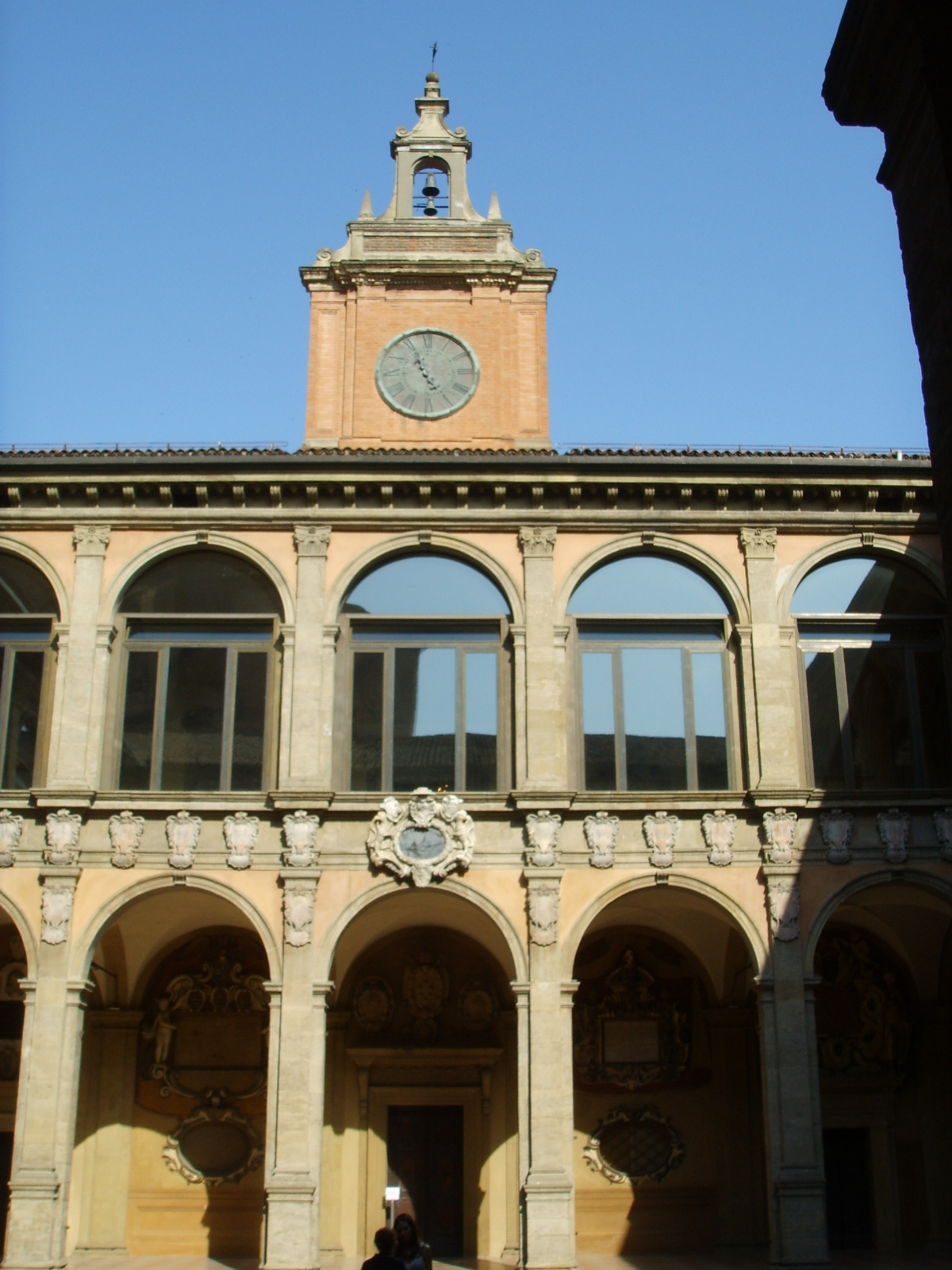 Palazzo dell'ArchiginnasioAttraction · 45 min · Free
A stunning Renaissance palace that served as the central seat of the University of Bologna for over 200 years, with every surface decorated with coats of arms.
 Canale delle MolineAttraction · 15 min · Free
Bologna's hidden canals are one of the city's best-kept secrets. Through a small window on Via Piella, visitors get a Venice-like glimpse of a medieval waterway.