Loading city...
Skip to main content
Attractions in Reykjavík
10 attractions selected in this guide.
 HallgrímskirkjaAttraction · 45 min · Free
Hallgrímskirkja is Reykjavík's most recognizable landmark, a towering Lutheran parish church whose 74.5-metre concrete façade was inspired by the columnar basalt formations found across Iceland's volcanic landscapes. Designed by state architect Guðjón Samúelsson in 1937, the church took 41 years to complete.
 Harpa Concert HallAttraction · 1h · Free
Harpa is Reykjavík's award-winning concert hall and conference centre, perched on the edge of the old harbour. Its geometric glass façade, designed by Ólafur Elíasson and Henning Larsen Architects, shifts colour with the light and seasons, making it one of northern Europe's most striking modern buildings.
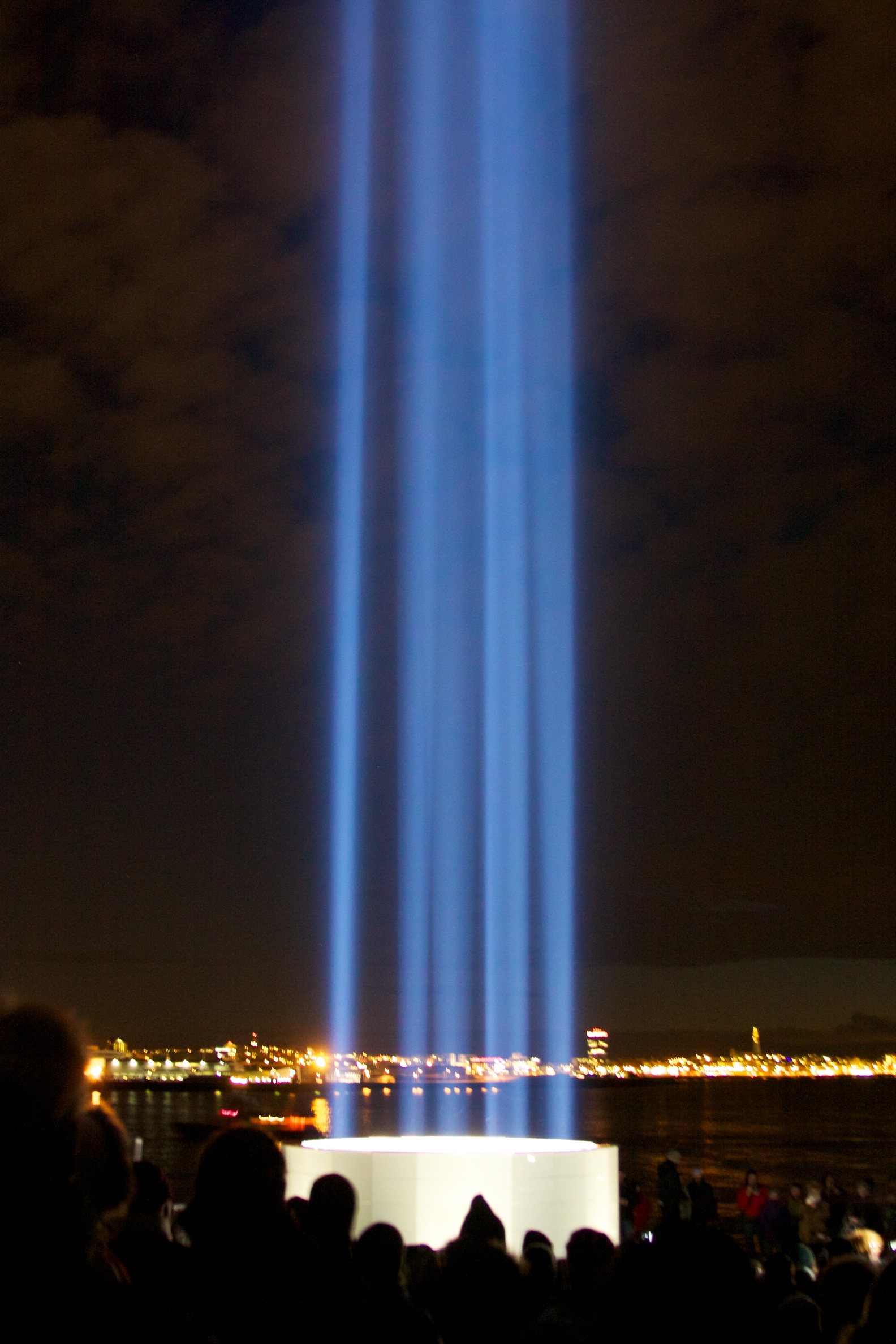 Imagine Peace TowerAttraction · 1.5h · ISK1800
Imagine Peace Tower is a luminous art installation on Viðey island by Yoko Ono, dedicated to John Lennon. Each autumn, a powerful beam of light is projected skyward from a white stone wishing well, visible across Reykjavík.
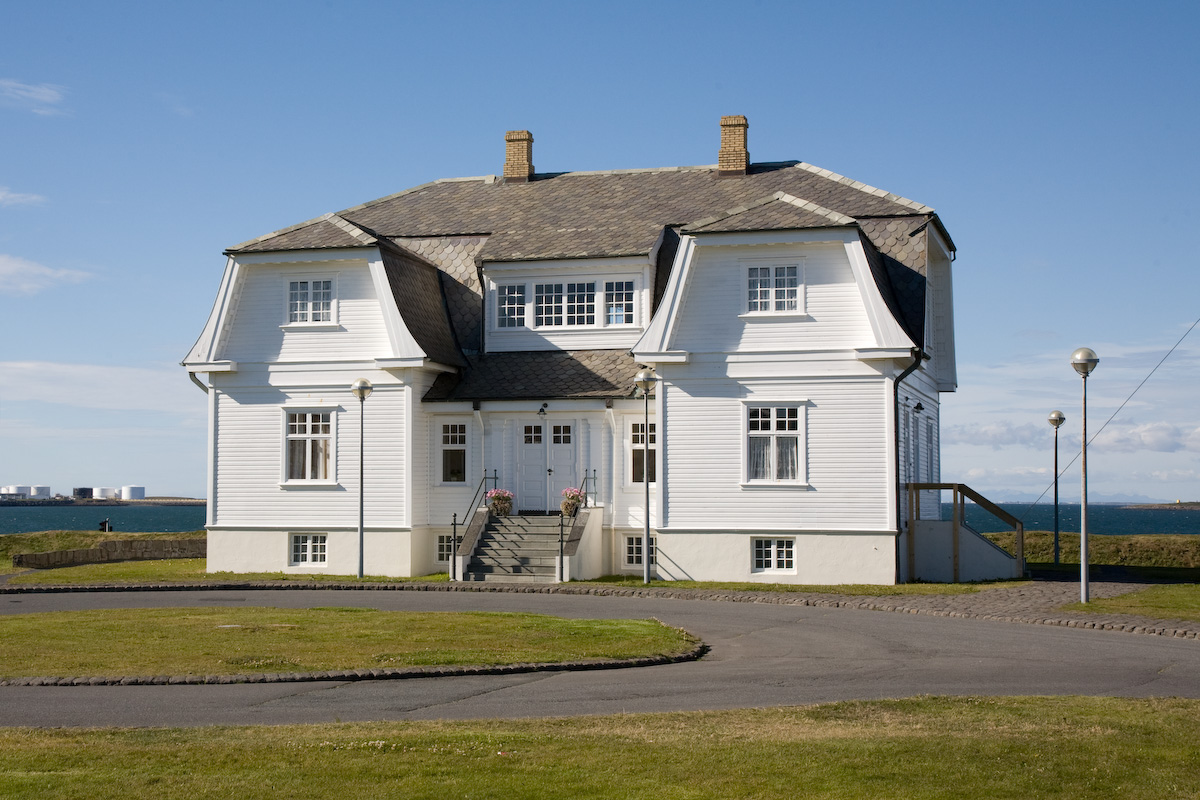 Höfði HouseAttraction · 15 min · Free
Höfði is an elegant early-20th-century white wooden manor on the Reykjavík waterfront, famous as the venue of the 1986 Reykjavík Summit between US President Ronald Reagan and Soviet General Secretary Mikhail Gorbachev—a pivotal moment in ending the Cold War.
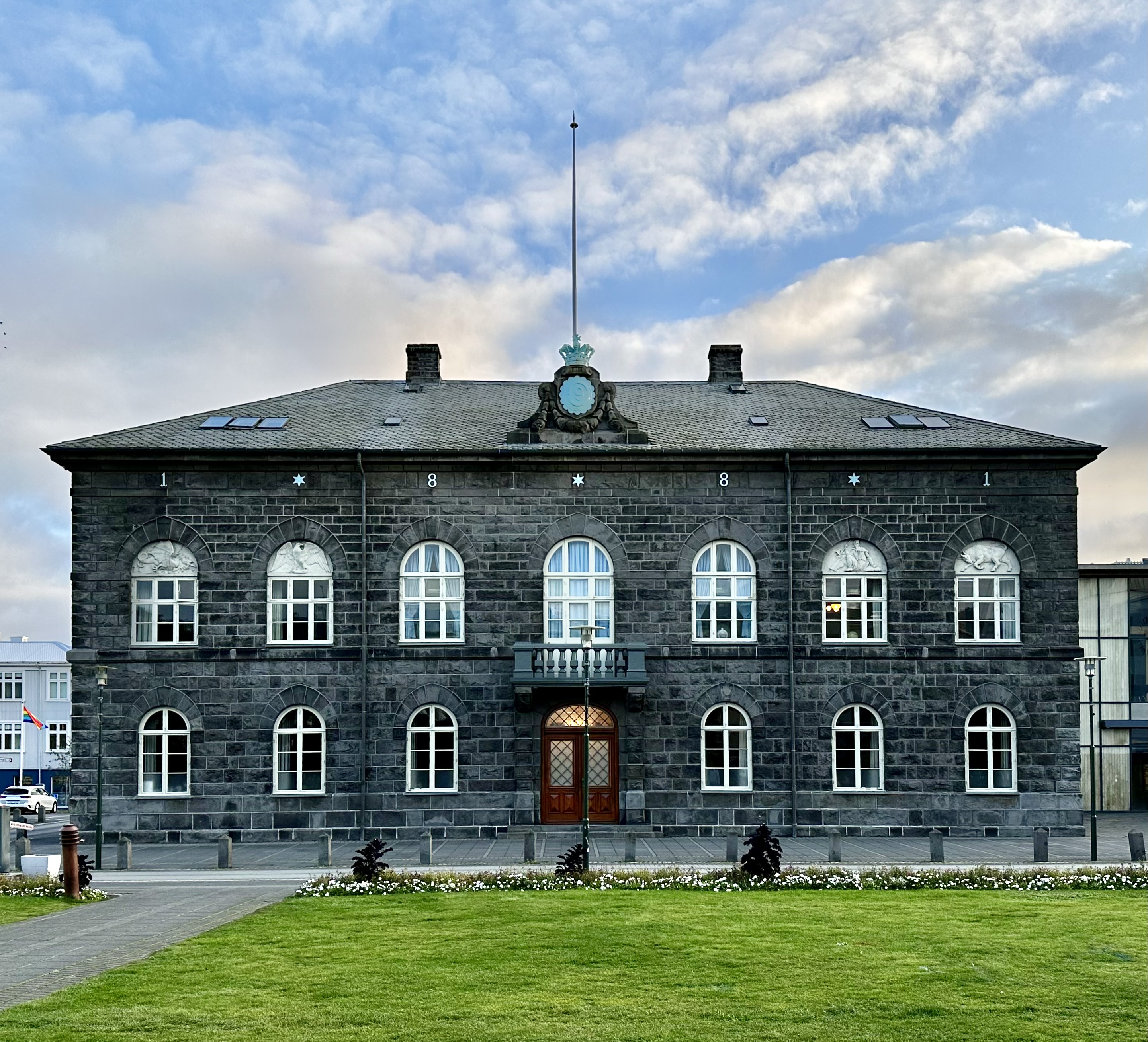 Alþingishúsið – Parliament HouseAttraction · 20 min · Free
Alþingishúsið is the modest basalt-stone building housing the Icelandic parliament, the Alþingi—one of the oldest parliamentary institutions in the world, originally established at Þingvellir in 930 AD.
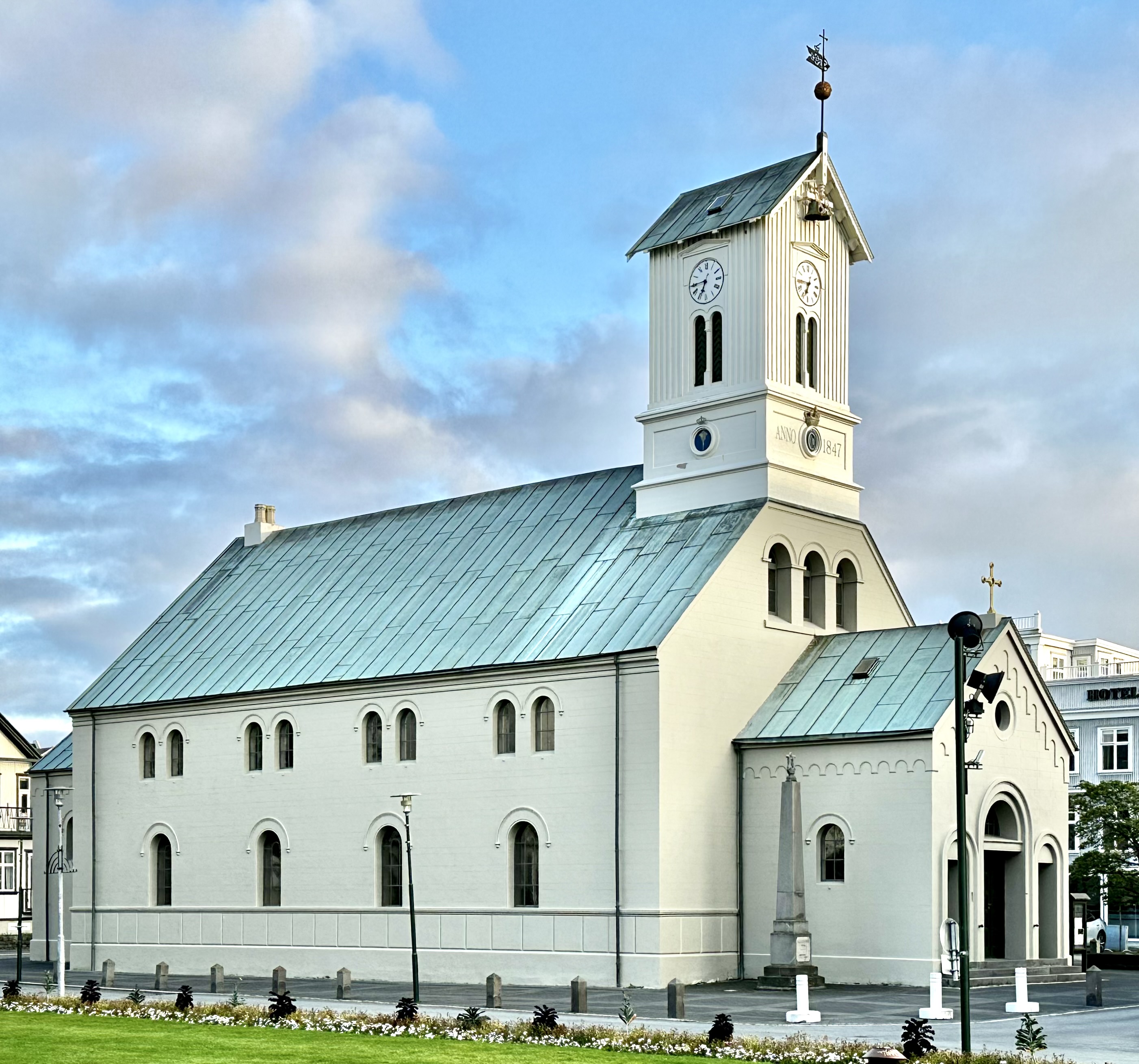 Reykjavík Cathedral (Dómkirkjan)Attraction · 20 min · Free
Dómkirkjan (Reykjavík Cathedral) is a charming pink-and-white neoclassical church overlooking Austurvöllur square. Despite its modest size, it is the seat of the Bishop of Iceland and the mother church of the Evangelical Lutheran Church of Iceland.
 Sun VoyagerAttraction · 15 min · Free
Sun Voyager (Sólfar) is a gleaming stainless-steel sculpture on Reykjavík's waterfront, often mistaken for a Viking ship but actually representing a dream boat and an ode to the sun. Created by Jón Gunnar Árnason, it was unveiled in 1990 to celebrate the city's 200th anniversary.
- Reykjavík City HallAttraction · 20 min · Free
Reykjavík City Hall (Ráðhús Reykjavíkur) is a modernist civic building that juts out over the northern shore of Tjörnin lake. Its main public attraction is a huge 3-D topographic relief map of Iceland in the ground-floor lobby, free to visit.
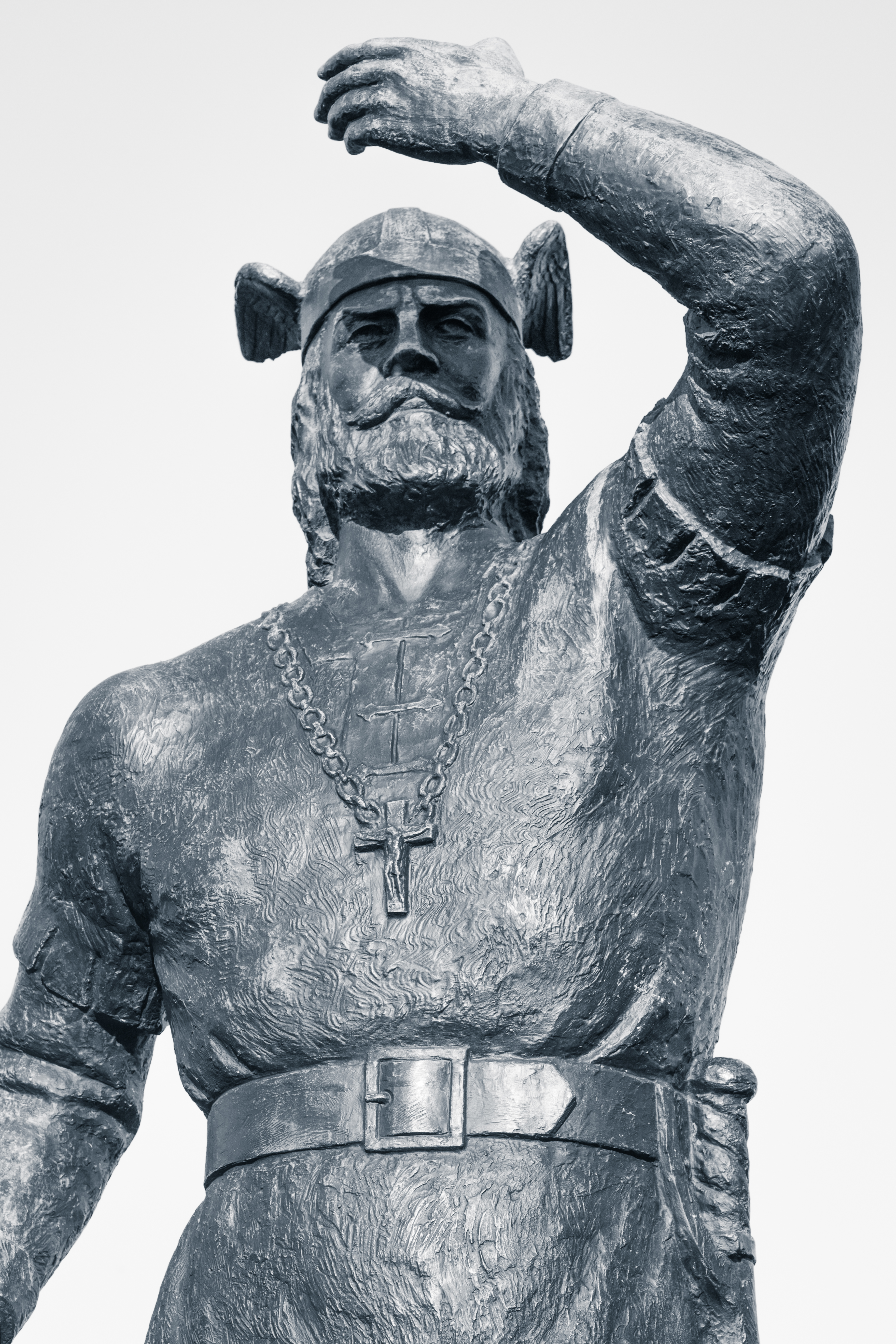 Leifur Eiríksson StatueAttraction · 10 min · Free
This bronze statue of Leifur Eiríksson—the Norse explorer believed to have reached North America 500 years before Columbus—stands prominently in front of Hallgrímskirkja. It was a gift from the United States to Iceland in 1930.
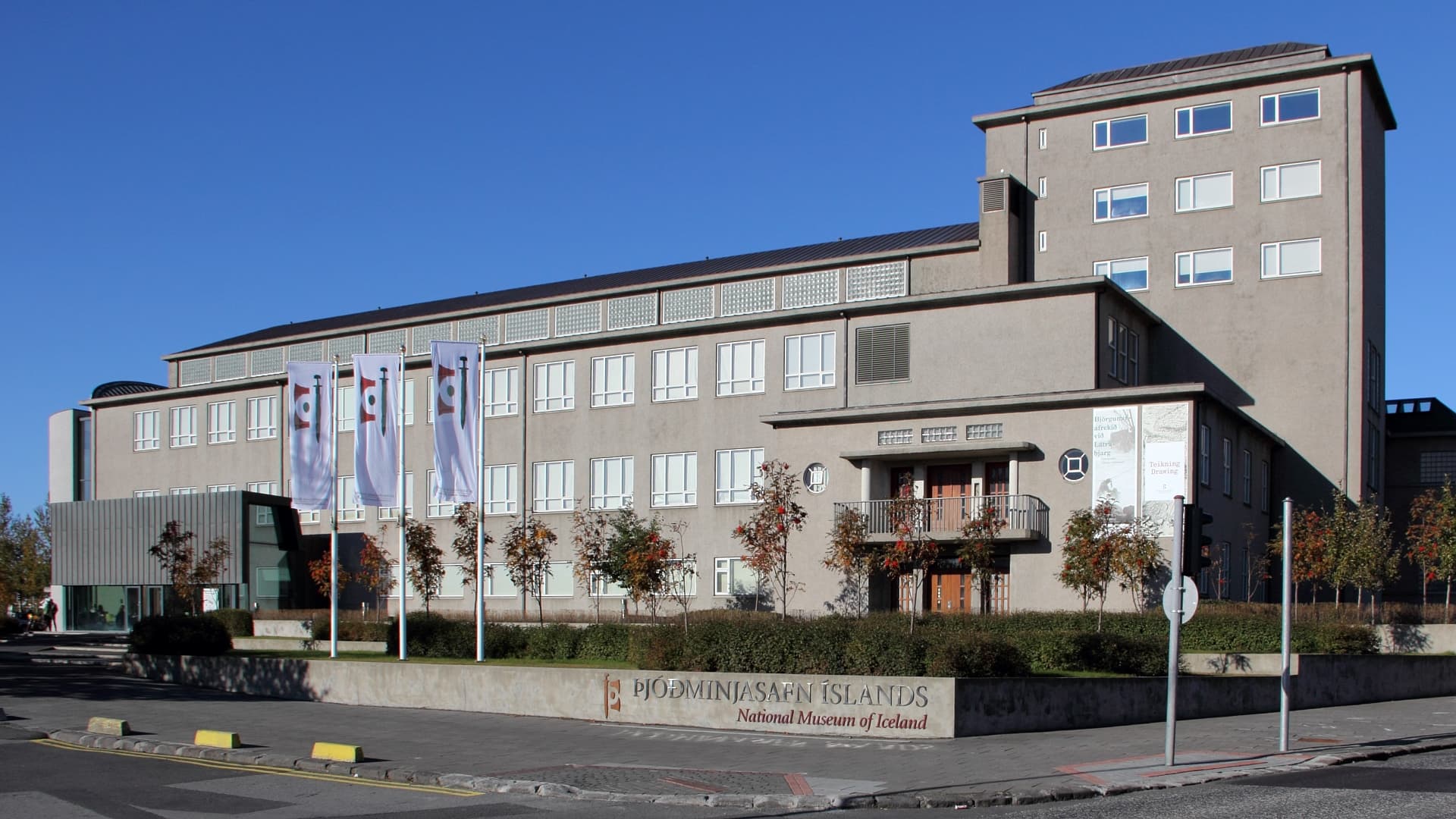 Þjóðminjasafn Íslands – Culture HouseAttraction · 45 min · ISK2000
The Culture House (Safnahúsið) is an elegant stone building on Hverfisgata that displays Iceland's most precious medieval manuscripts—including key Saga texts—alongside rotating cultural exhibitions. It was originally built to house the National Library and National Archives.