Loading city...
Skip to main content
Attractions in Bengaluru
17 attractions selected in this guide.
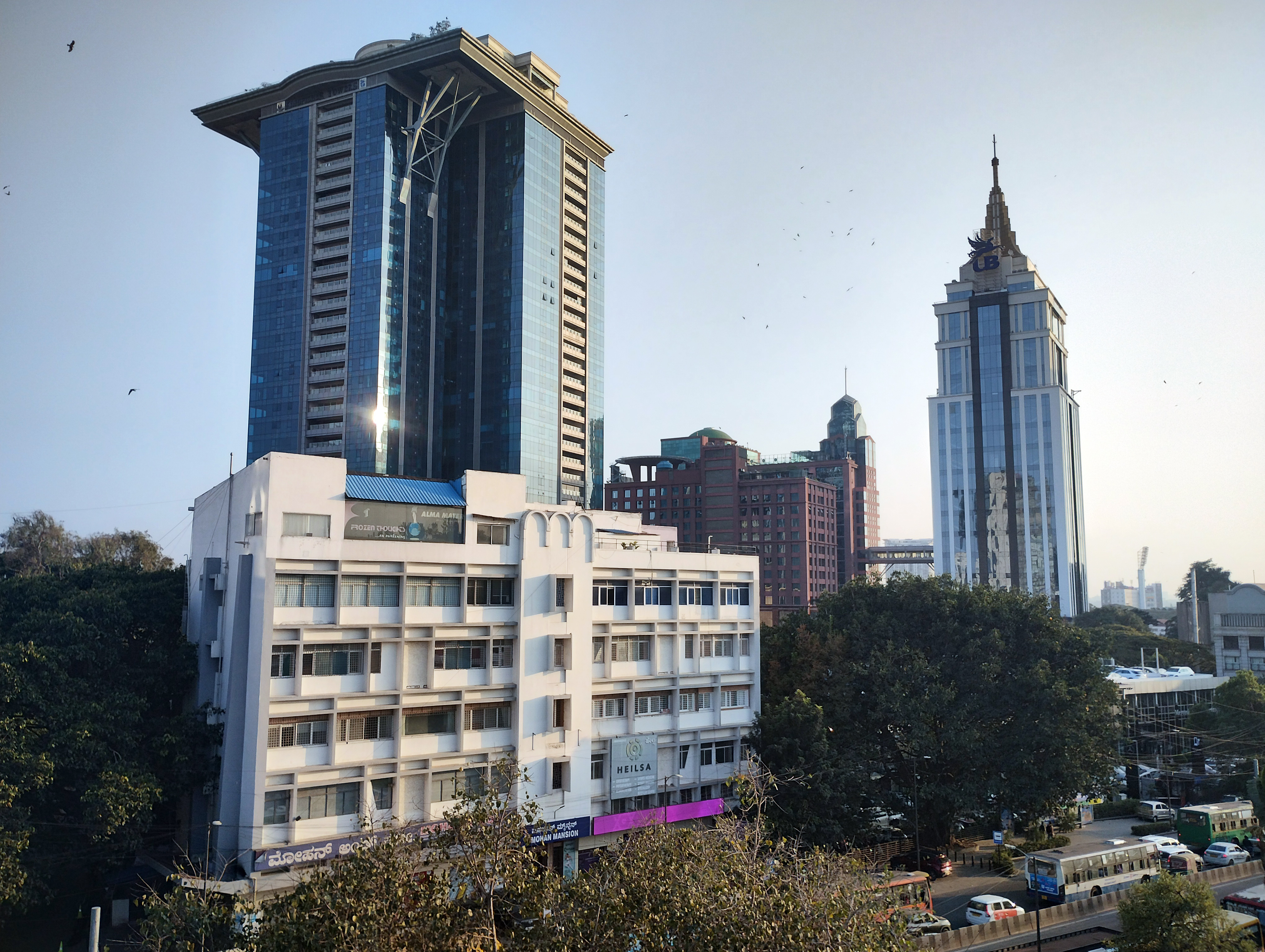 Bengaluru PalaceAttraction · 1h · ₹230
Tudor-inspired palace built in 1878, modelled on Windsor Castle, with fortified towers and wood carvings..
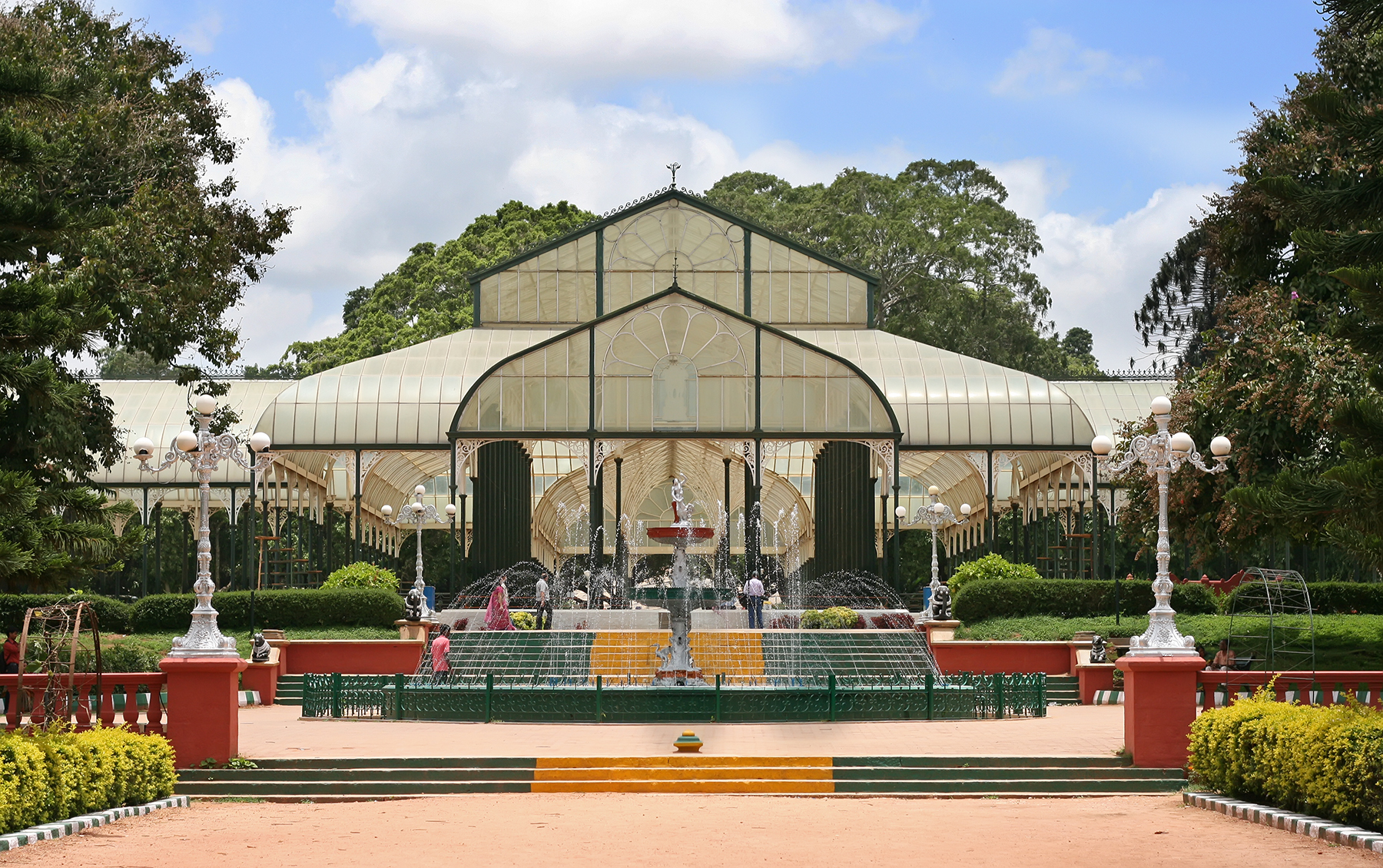 Lal Bagh Glass HouseAttraction · 30 min · Free
Crystal Palace-inspired glass house in Lal Bagh Botanical Garden hosting annual flower shows..
 Devanahalli FortAttraction · 1h · Free
Devanahalli Fort is a 16th-century stone fortification located 35 km north of Bengaluru, near Kempegowda International Airport. It is historically significant as the birthplace of Tipu Sultan, one of India's most famous warrior kings.
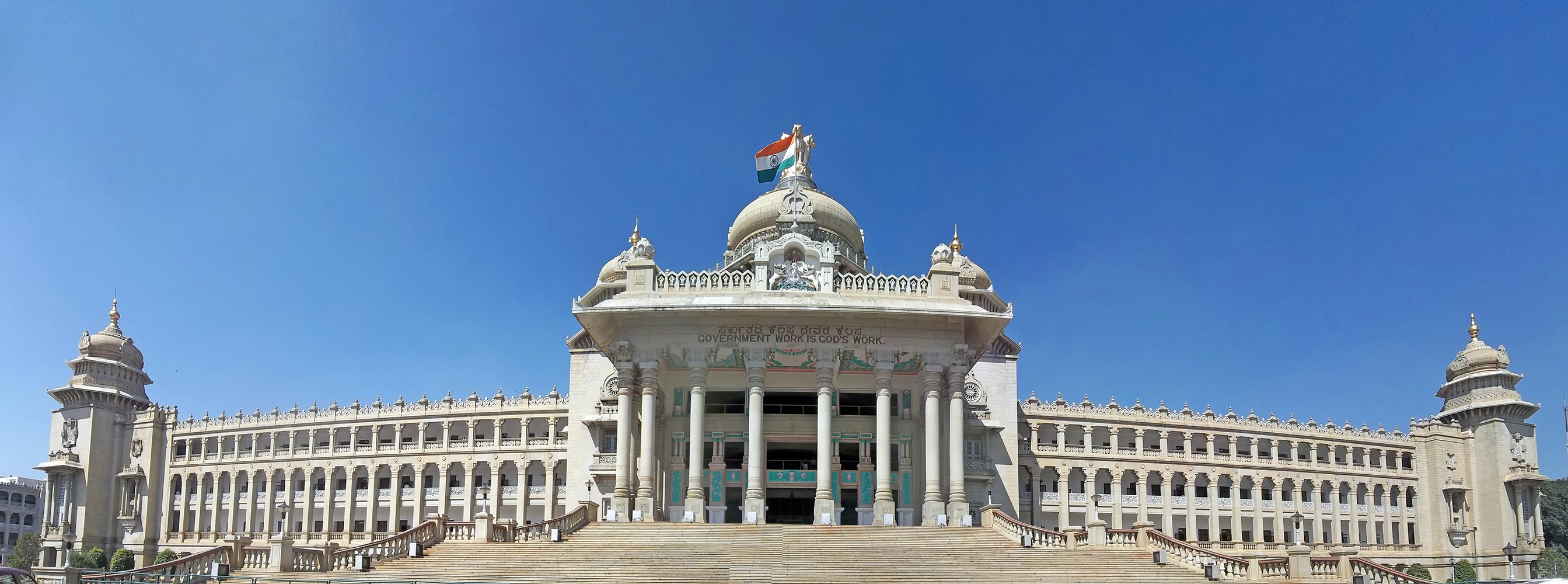 Vidhana SoudhaAttraction · 30 min · Free
Vidhana Soudha is the seat of Karnataka's state legislature and one of the most imposing government buildings in India. Completed in 1956, it was designed in a Neo-Dravidian style and is often called a symbol of Bengaluru's civic pride.
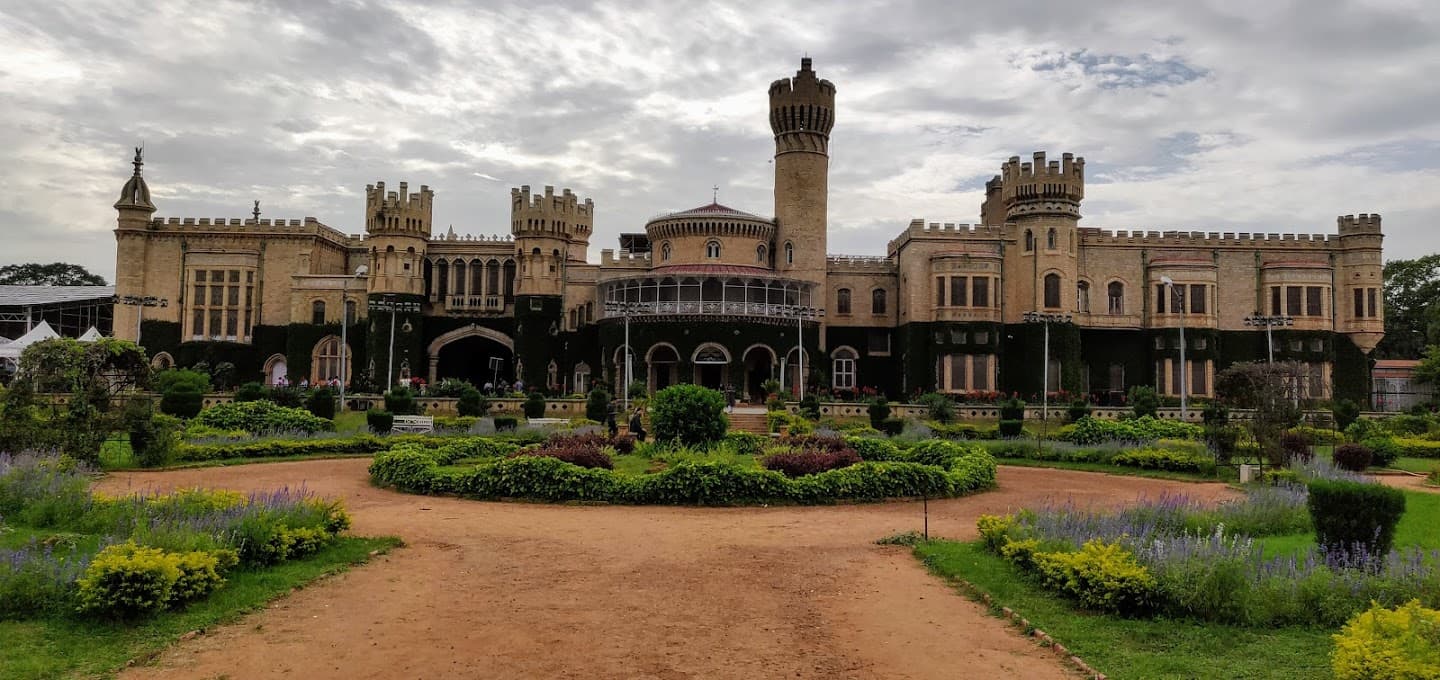 Bangalore PalaceAttraction · 1.5h · ₹230
Bangalore Palace is a Tudor-style royal residence built in 1878 by King Chamaraja Wadiyar, inspired by England's Windsor Castle. Set within 454 acres of gardens in the heart of Bengaluru, it showcases a striking blend of Tudor and Scottish Gothic architecture with fortified towers, turrets, and ornate woodwork.
 Bangalore FortAttraction · 45 min · Free
Bangalore Fort is the remnant of a 16th-century mud and stone fortification originally built by Kempe Gowda I, the founder of Bengaluru. Only a small section of the original two-layered fort complex survives today, including the Delhi Gate and two bastions.
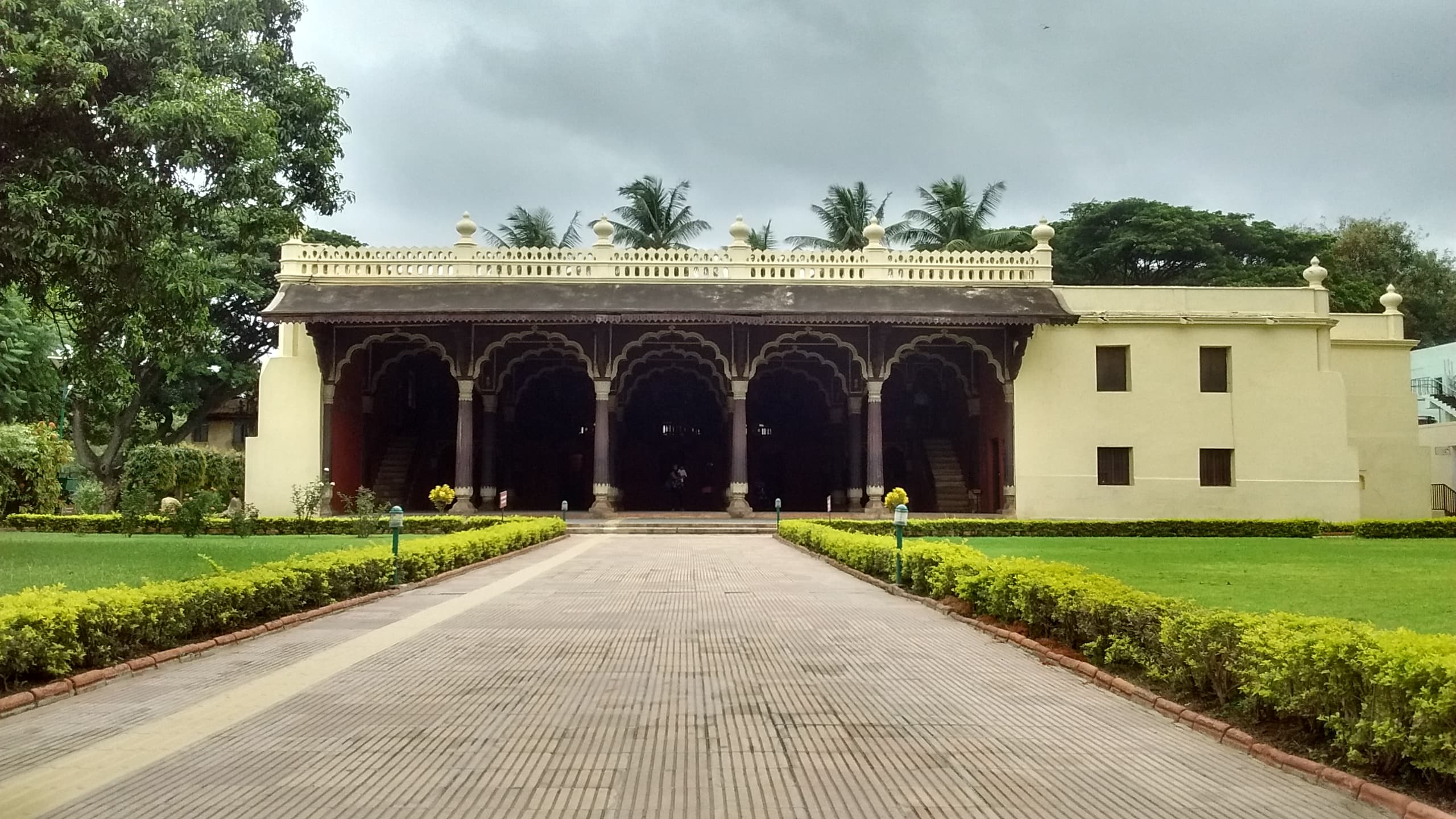 Tipu Sultan's Summer PalaceAttraction · 1h · ₹20
Tipu Sultan's Summer Palace, known as Daria Daulat Bagh, is an 18th-century wooden palace in the heart of Bengaluru built by Tipu Sultan around 1791. This Indo-Islamic masterwork features ornate frescoes, teak pillars, and fluted columns.
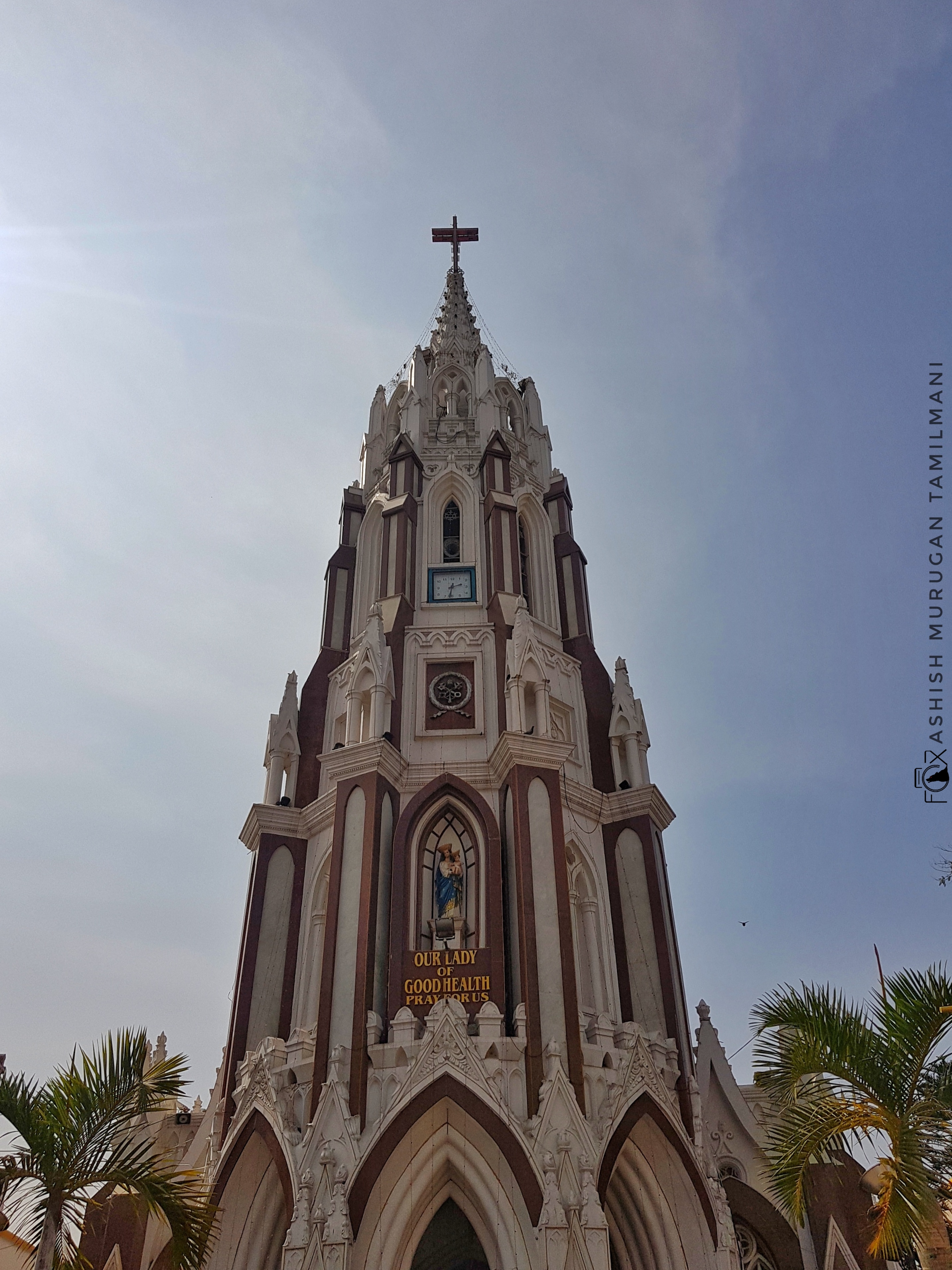 St. Mary's BasilicaAttraction · 30 min · Free
St. Mary's Basilica is one of the oldest churches in Bengaluru, originally built in 1818 and elevated to the status of a minor basilica by Pope Paul VI in 1973. Its Gothic Revival architecture and twin spires make it a landmark on Shivaji Nagar's busy streets.
 Dodda Ganeshana Gudi TempleAttraction · 20 min · Free
Temple with a massive monolithic Ganesha idol next to the Bull Temple in Basavanagudi..
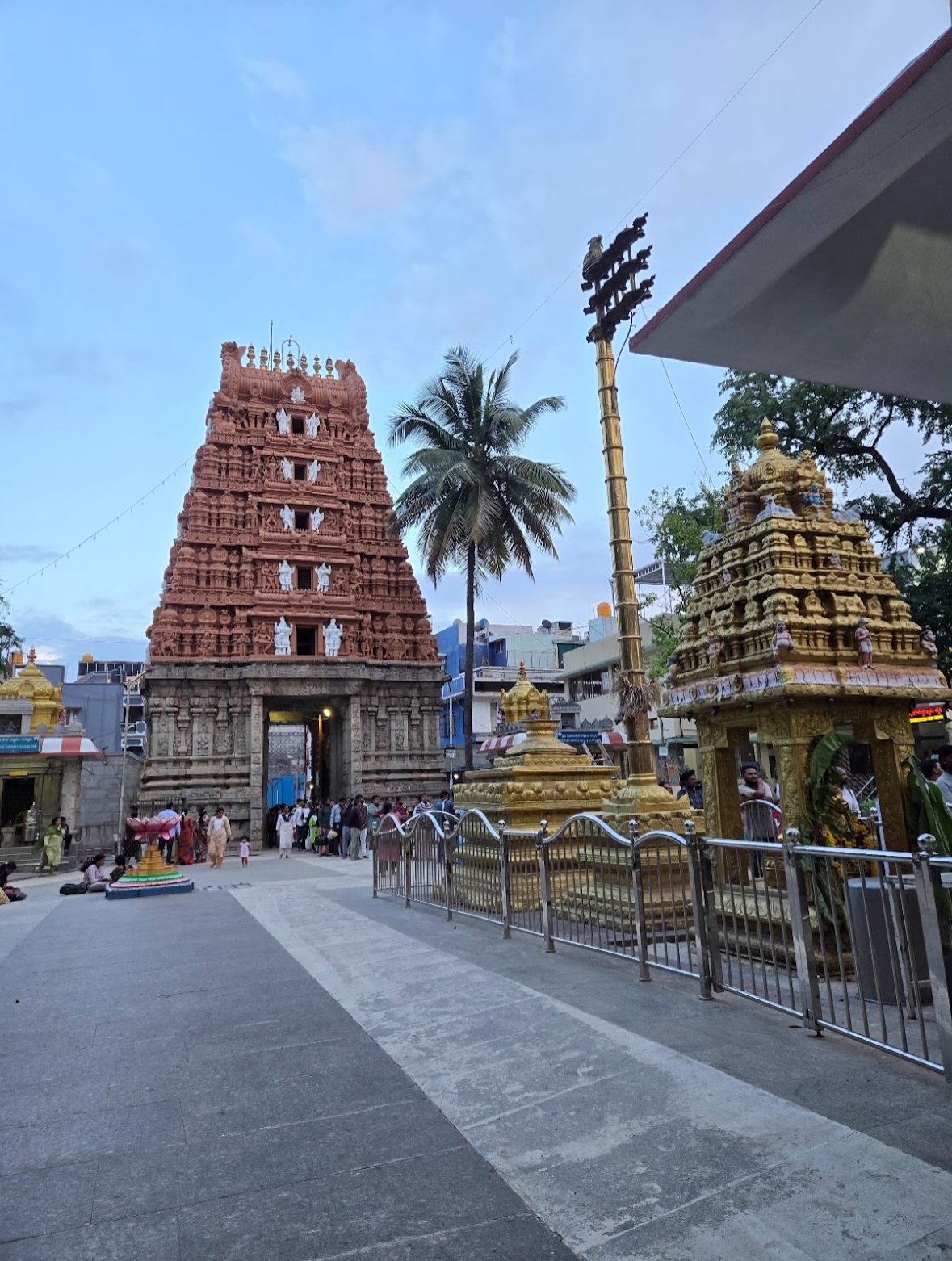 Someshwara TempleAttraction · 30 min · Free
Someshwara Temple is a 12th-century Chola-dynasty Shiva temple in the Ulsoor locality, notable for its beautifully carved stone pillars and rare architectural features. It is one of the oldest surviving structures in Bengaluru.
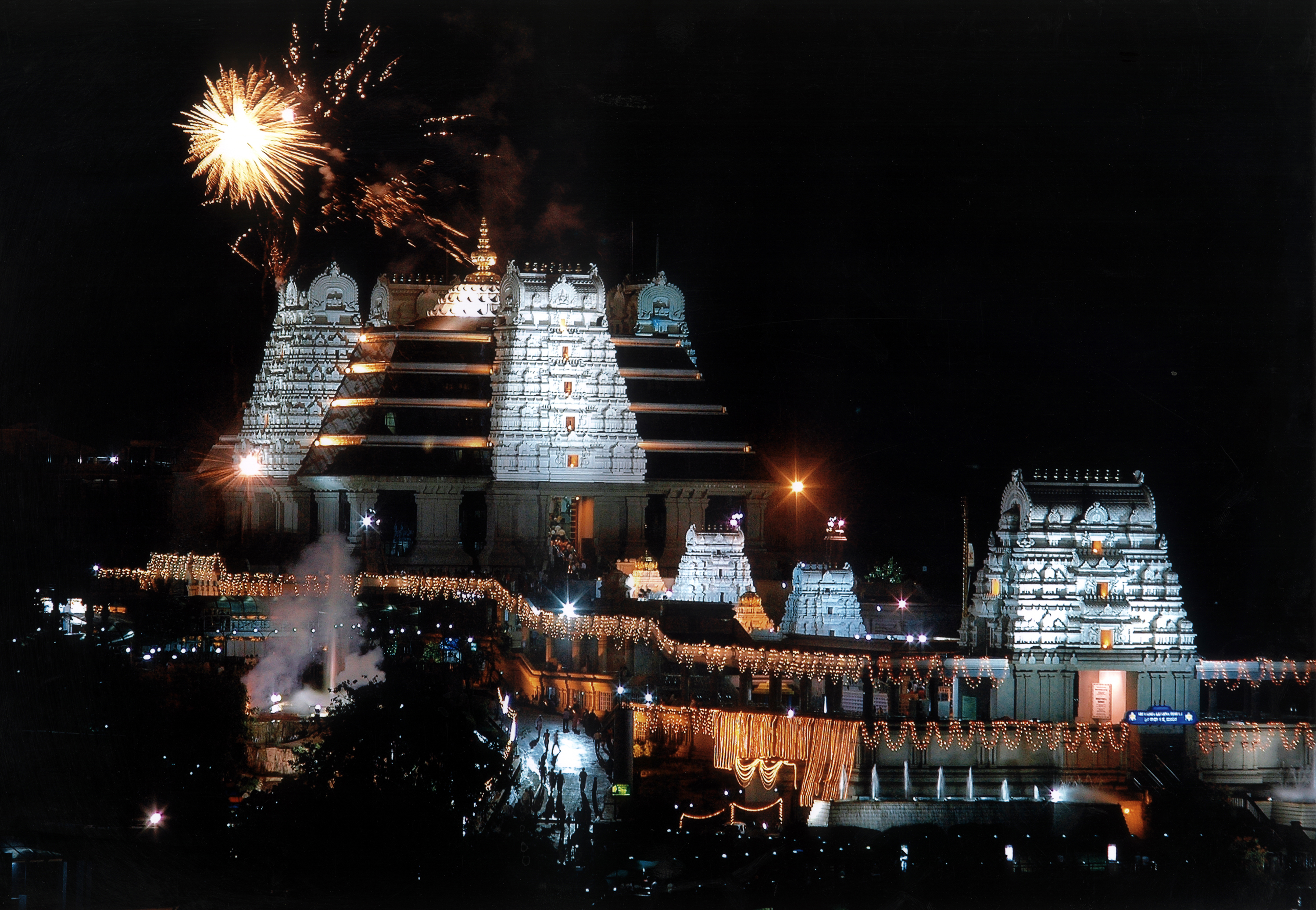 ISKCON Temple BengaluruAttraction · 1h · Free
One of the largest ISKCON temples in the world with ornate Rajasthani and Dravidian architecture..
- ISKCON Temple BangaloreAttraction · 1.5h · Free
ISKCON Temple Bangalore, officially Sri Radha Krishna Mandir, is one of the largest ISKCON temples in the world. Built in 1997 atop Hare Krishna Hill in Rajajinagar, it blends traditional Dravidian architecture with modern construction and draws millions of visitors annually.
- Nandi Temple (Bull Temple)Attraction · 30 min · Free
16th-century Dravidian temple housing one of the world's largest Nandi bull monoliths..
 Gavi Gangadhareshwara TempleAttraction · 45 min · Free
Gavi Gangadhareshwara Temple is an ancient cave temple carved out of a natural rock formation near the Bull Temple in Basavanagudi. Famous for a rare astronomical phenomenon, a ray of sunlight passes between the horns of a stone Nandi bull to illuminate the Shiva lingam during Makar Sankranti (January 14).
- Bull TempleAttraction · 45 min · Free
Bull Temple (Dodda Basavana Gudi) is a 16th-century Dravidian temple in Basavanagudi housing one of the world's largest monolithic Nandi (bull) statues. Carved from a single granite boulder, the statue stands 4.6 meters tall and 6.1 meters long.
 Attara KacheriAttraction · 20 min · Free
Attara Kacheri is the seat of the Karnataka High Court, an elegant two-story red-brick building from 1868 located opposite the Vidhana Soudha in the heart of Bengaluru. Its classic European Neo-Classical design makes it one of the city's finest heritage structures.
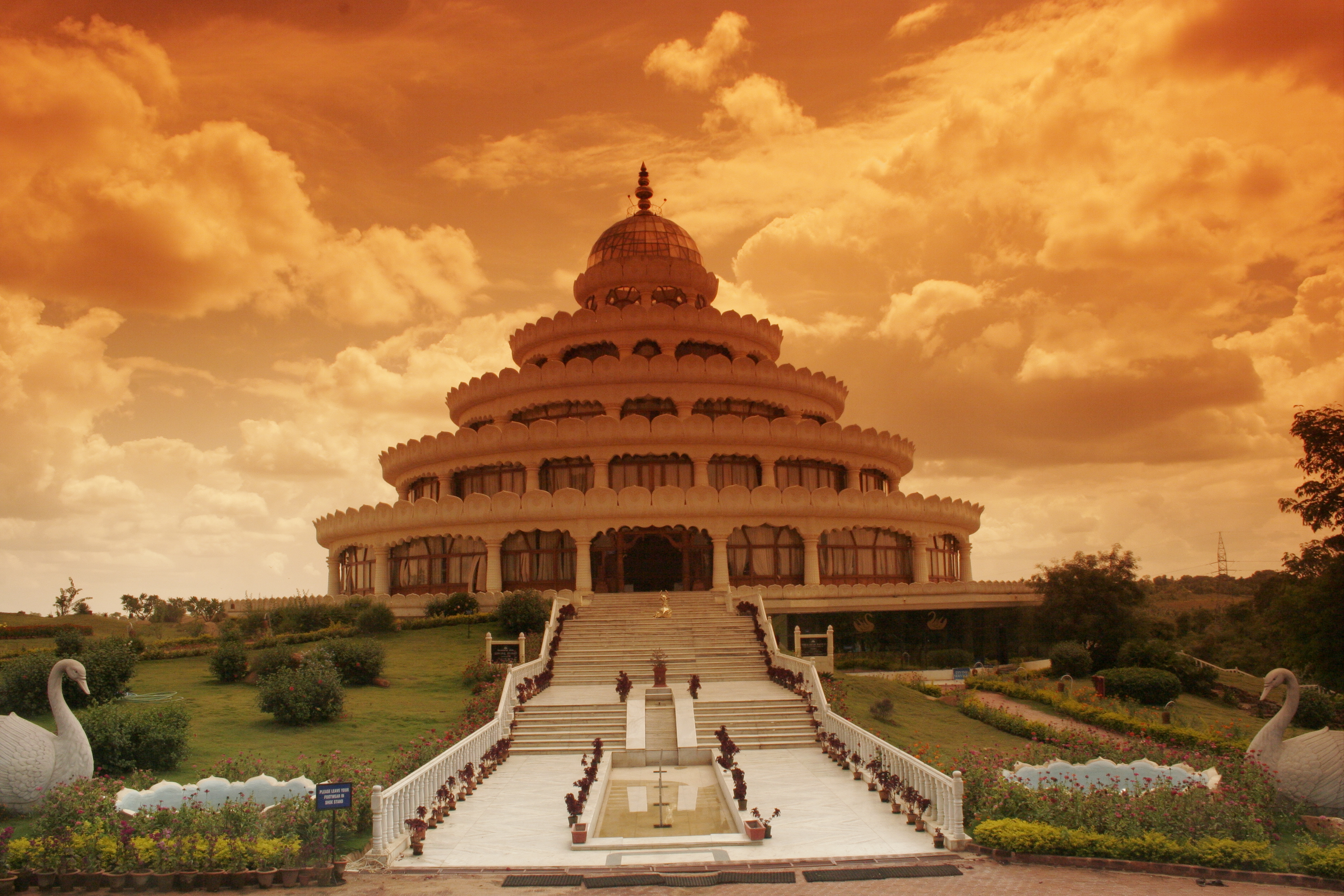 Art of Living International CenterAttraction · 2h · Free
The Art of Living International Center is the global headquarters of the Art of Living Foundation, spread across 65 acres of forested hillside about 30 km south of Bengaluru. Its centerpiece is the Vishalakshi Mantap, a massive lotus-shaped meditation hall.