Loading city...
Skip to main content
Attractions in Dublin
12 attractions selected in this guide.
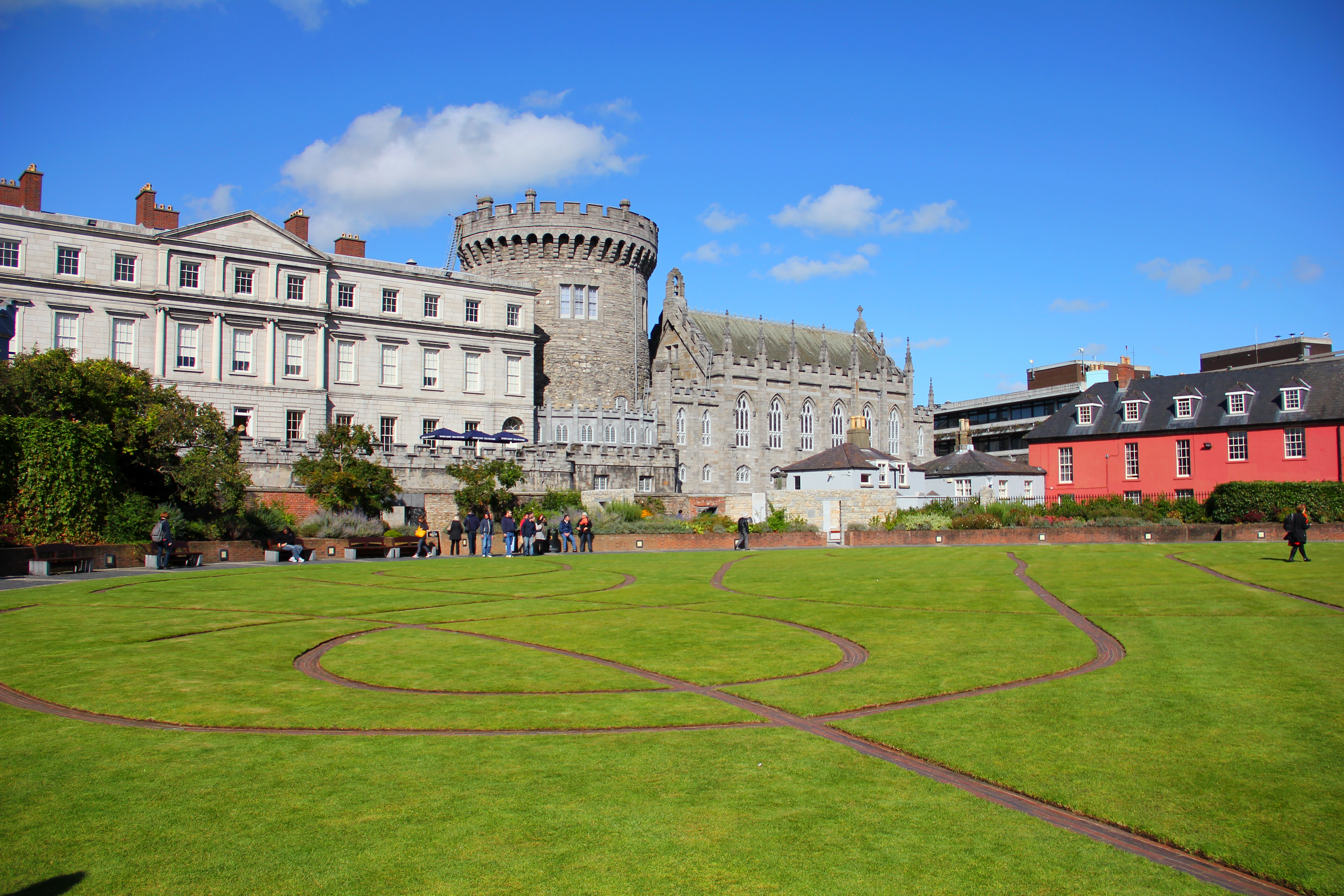 Dublin CastleAttraction · 1h · €8
Dublin Castle has been at the centre of Irish political life for over 800 years — serving successively as a Viking fortress, Norman stronghold, British viceregal court, and now a major government complex and cultural venue.
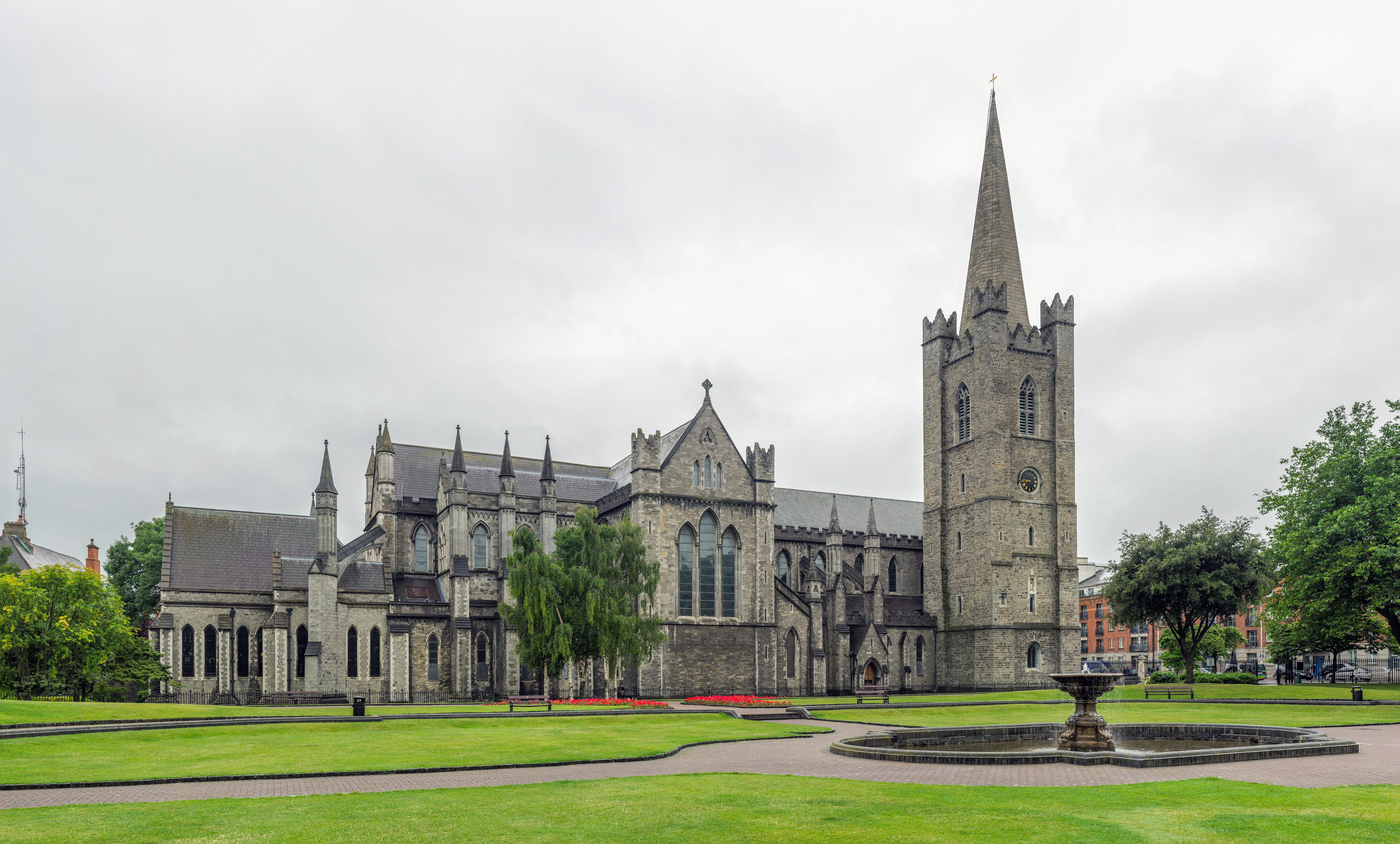 St Patrick's CathedralAttraction · 1h · €10
St Patrick's Cathedral is Ireland's largest church, founded in 1191 near a well where tradition says St Patrick baptised converts around 450 AD. It has been the National Cathedral of the Church of Ireland since the Reformation.
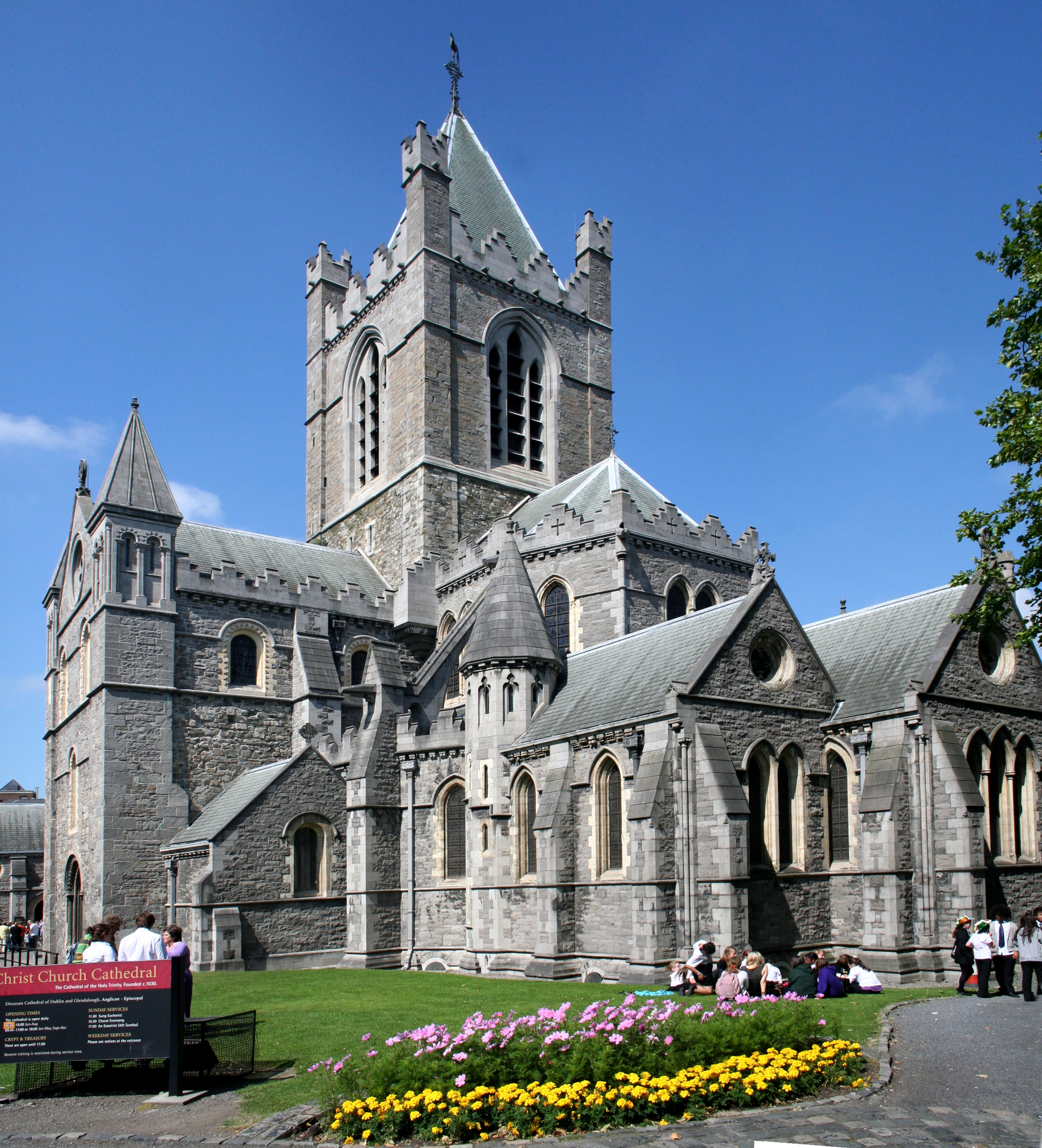 Christ Church CathedralAttraction · 1h · €12
Christ Church Cathedral, formally the Cathedral of the Holy Trinity, is Dublin's oldest medieval building, founded by the Norse King Sitriuc Silkenbeard and the first Bishop of Dublin, Dúnán, around 1030. It stands on a prominent hill overlooking the River Liffey.
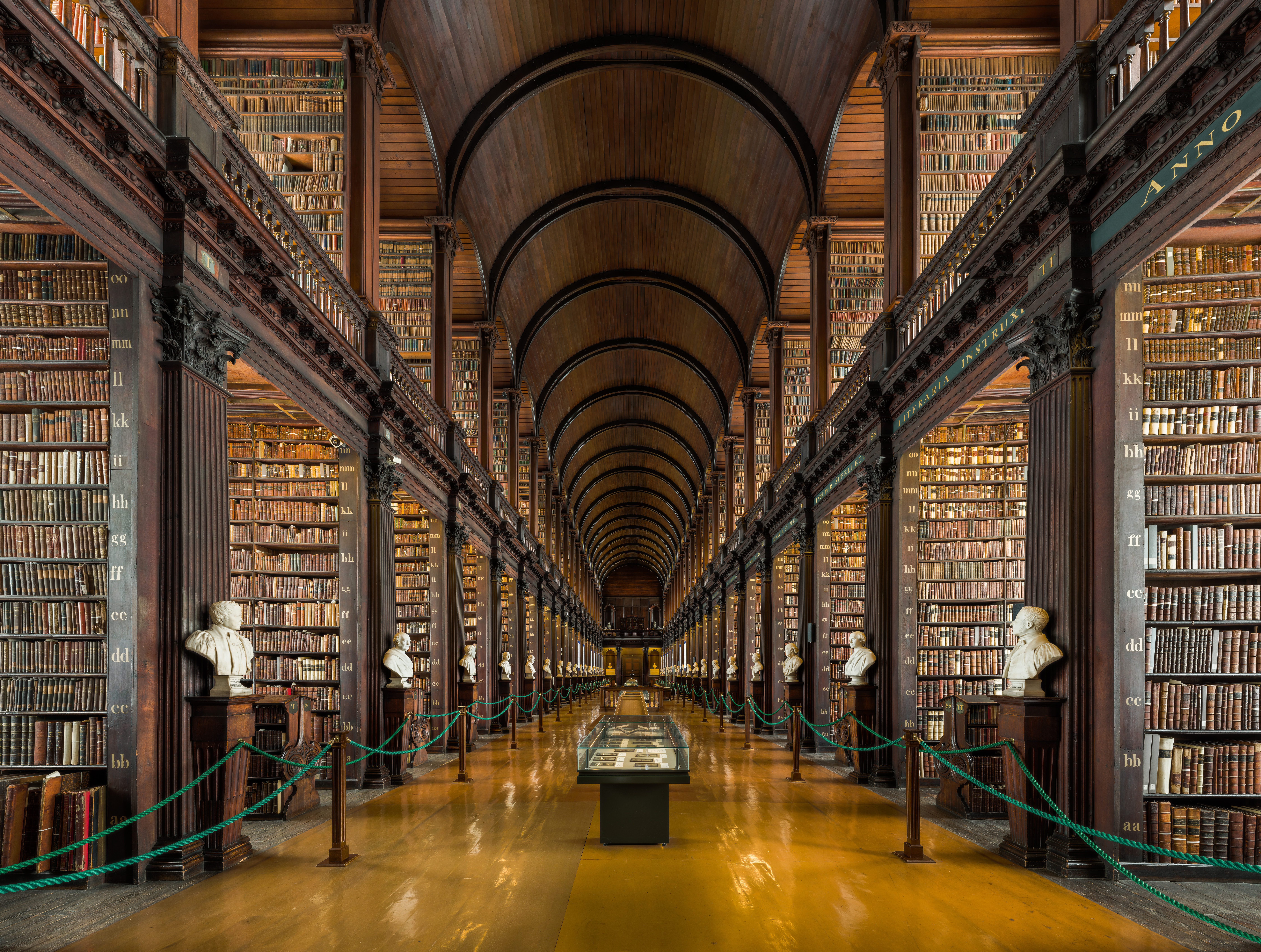 Trinity College & Book of KellsAttraction · 1.5h · €18
Founded by Queen Elizabeth I in 1592, Trinity College Dublin is Ireland's oldest and most prestigious university. Its cobblestoned campus in the heart of the city houses the world-famous Book of Kells — a lavishly illuminated 9th-century manuscript of the four Gospels.
 Glasnevin CemeteryAttraction · 1.5h · €14
Glasnevin Cemetery is Ireland's largest and most historically significant burial ground, founded by Daniel O'Connell in 1832 as the first cemetery in Ireland where people of all faiths could be buried with dignity.
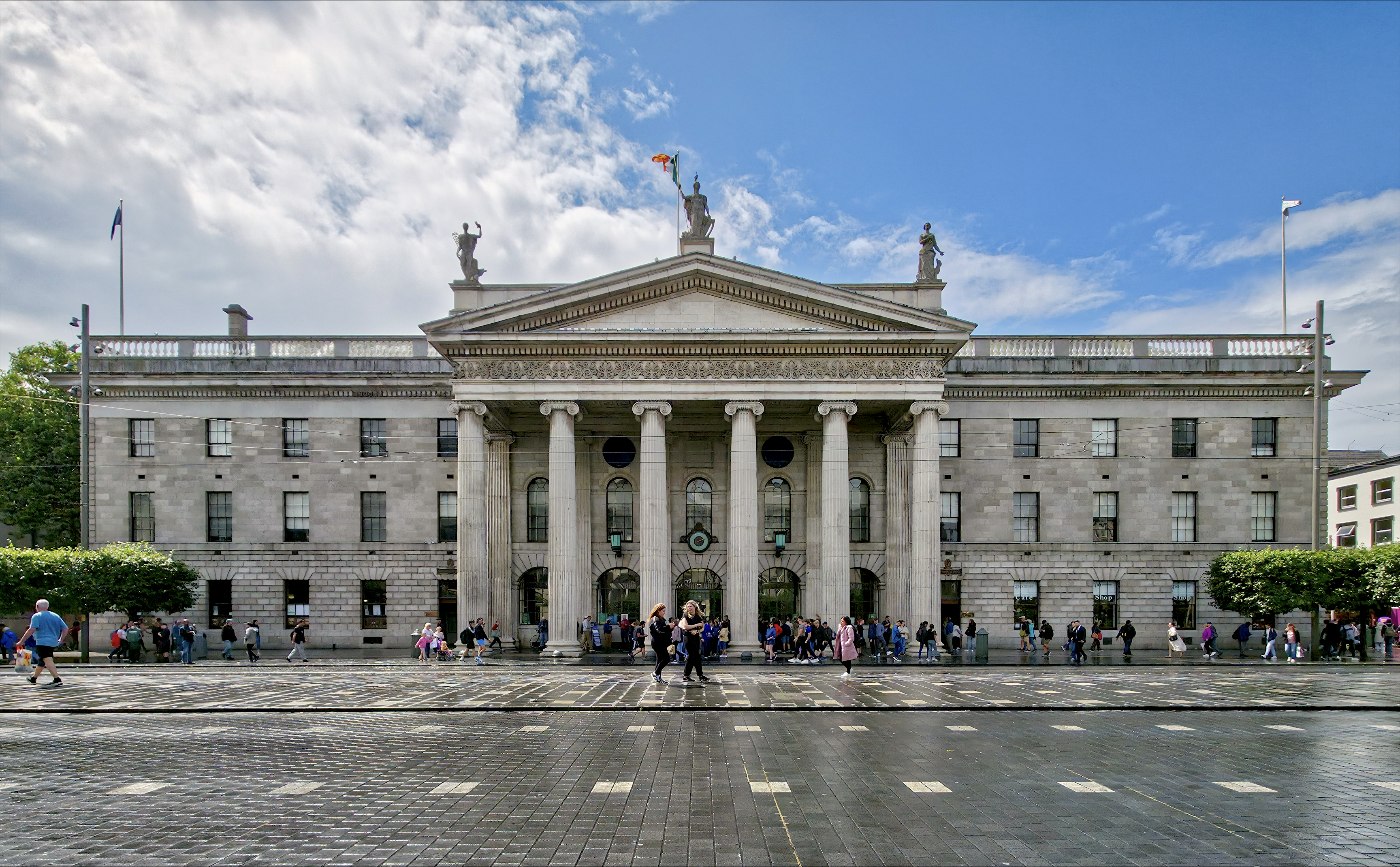 General Post Office (GPO)Attraction · 45 min · Free
The GPO on O'Connell Street is one of Ireland's most iconic buildings — not merely a functioning post office but the headquarters of the 1916 Easter Rising, the event that catalysed Irish independence.
 Four CourtsAttraction · 30 min · Free
The Four Courts is one of Dublin's most prominent landmarks, an imposing neoclassical building on the north bank of the Liffey that has served as the seat of Ireland's superior courts since 1796.
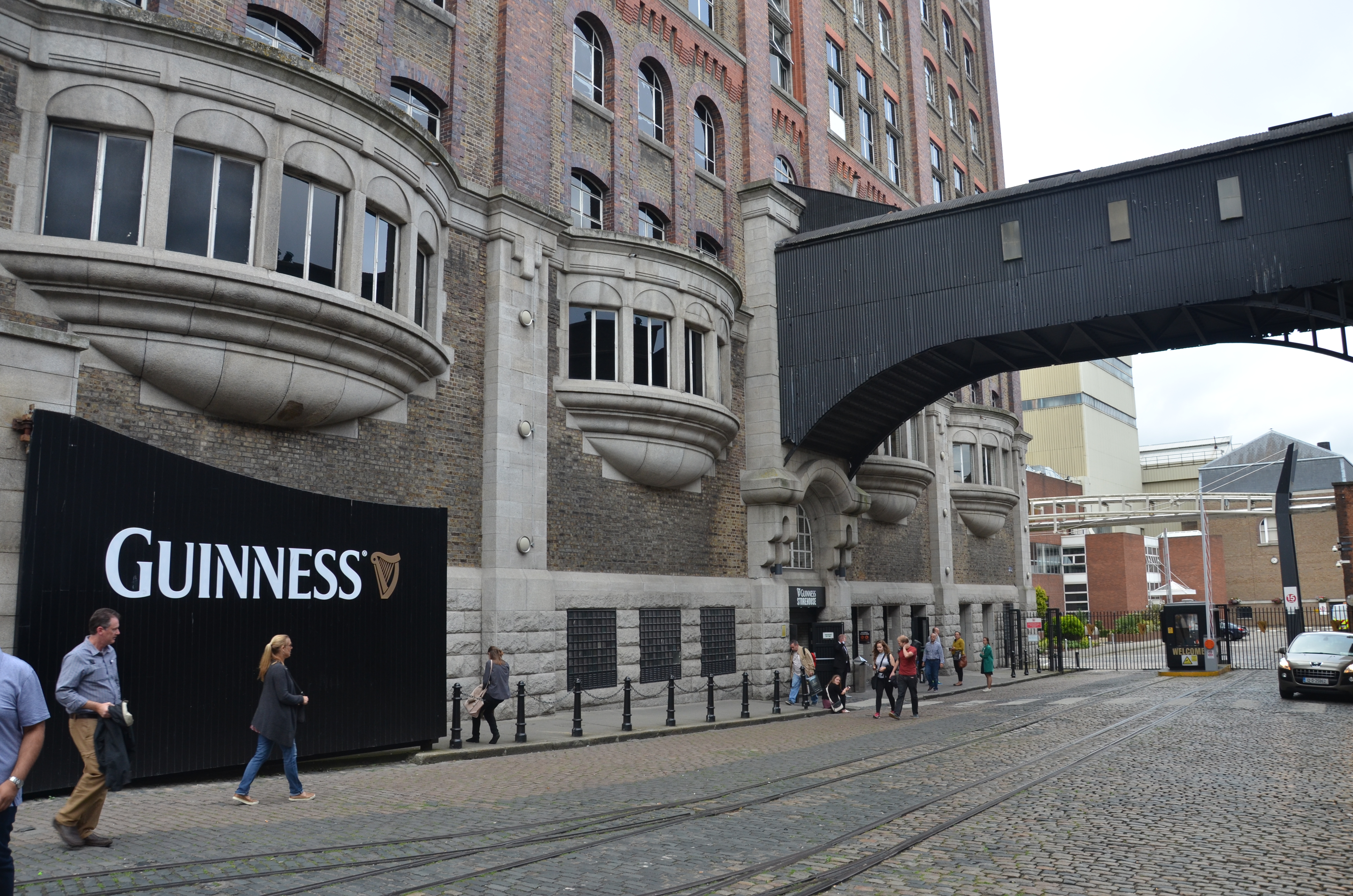 Guinness StorehouseAttraction · 2h · €26
The Guinness Storehouse is Ireland's most visited tourist attraction, welcoming over 1.7 million visitors annually. Housed in a 1904 fermentation plant at St James's Gate Brewery, it tells the 260-year story of Ireland's most famous export across seven floors built around a giant glass atrium shaped like a pint glass.
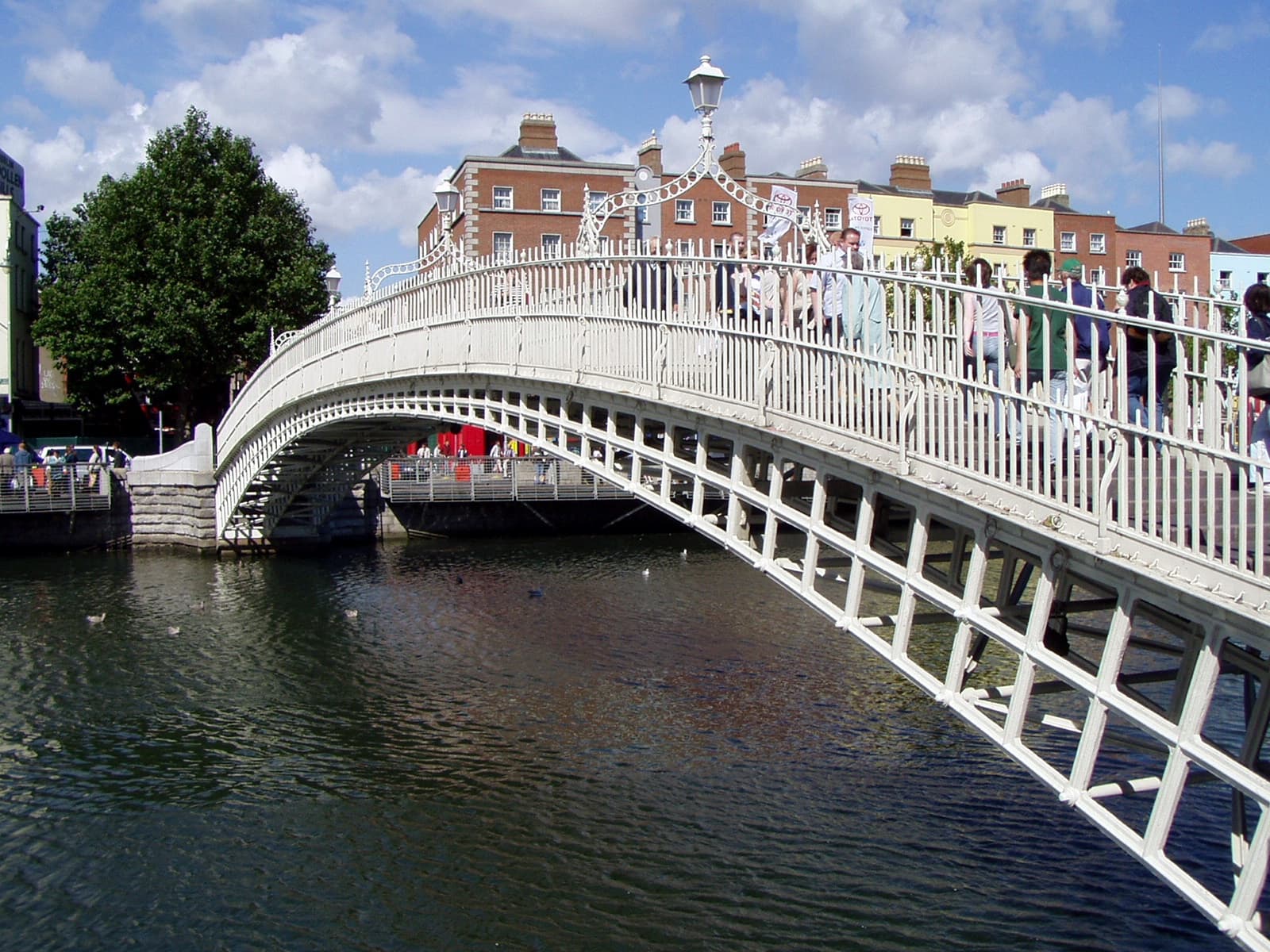 Ha'penny BridgeAttraction · 15 min · Free
The Ha'penny Bridge is Dublin's most photographed landmark — a graceful cast-iron pedestrian bridge spanning the River Liffey since 1816. Its official name is the Liffey Bridge, but Dubliners named it for the halfpenny toll once charged to cross.
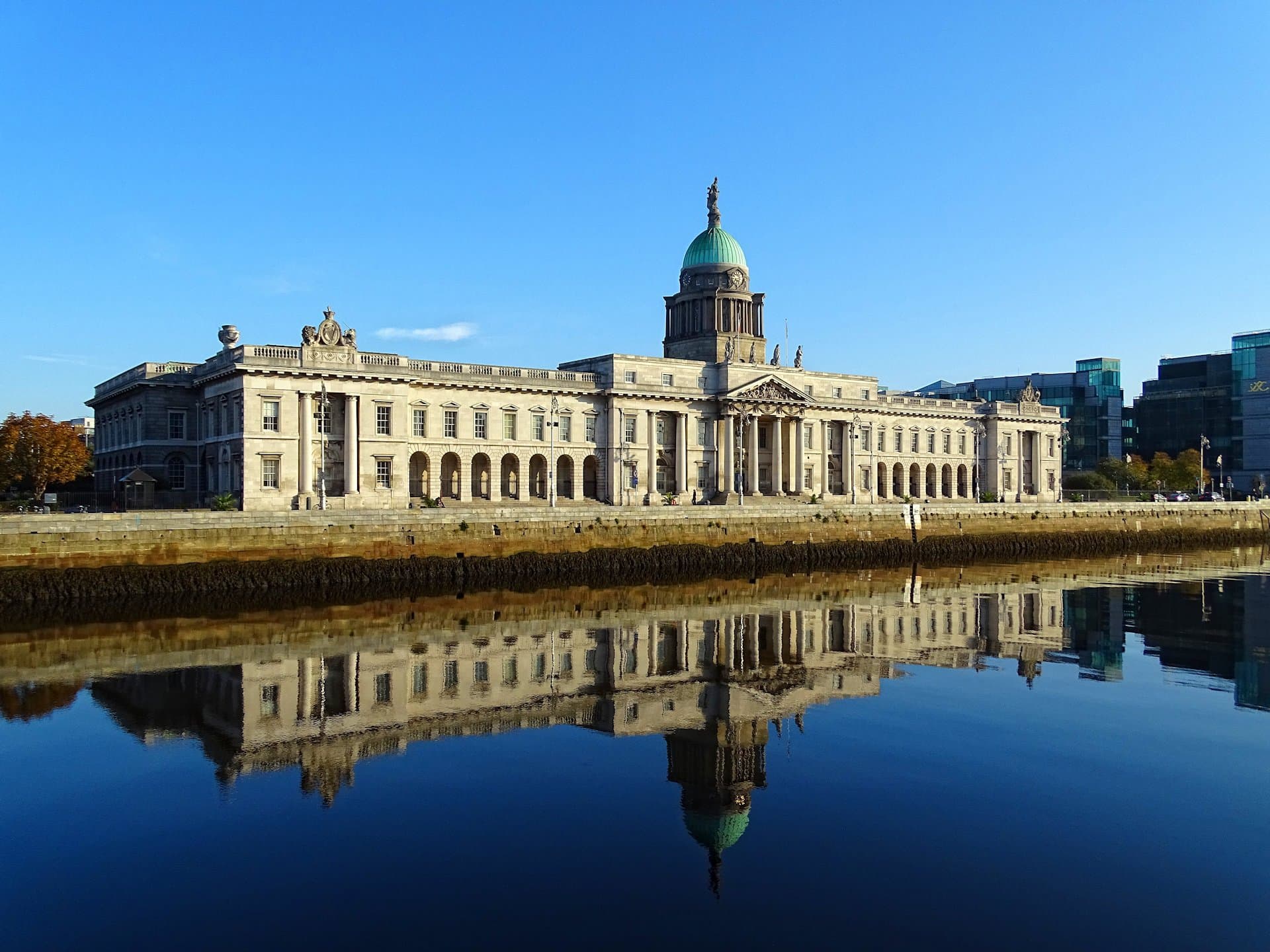 Custom HouseAttraction · 20 min · Free
The Custom House is widely considered Dublin's finest Georgian building — a masterpiece of neoclassical architecture by James Gandon, originally built as the city's customs headquarters.
 St Michan's ChurchAttraction · 30 min · €7
St Michan's Church is a small but fascinating medieval church in Dublin's north city, famous for its crypt where mummified remains have been naturally preserved for centuries in the unusually dry limestone vaults.
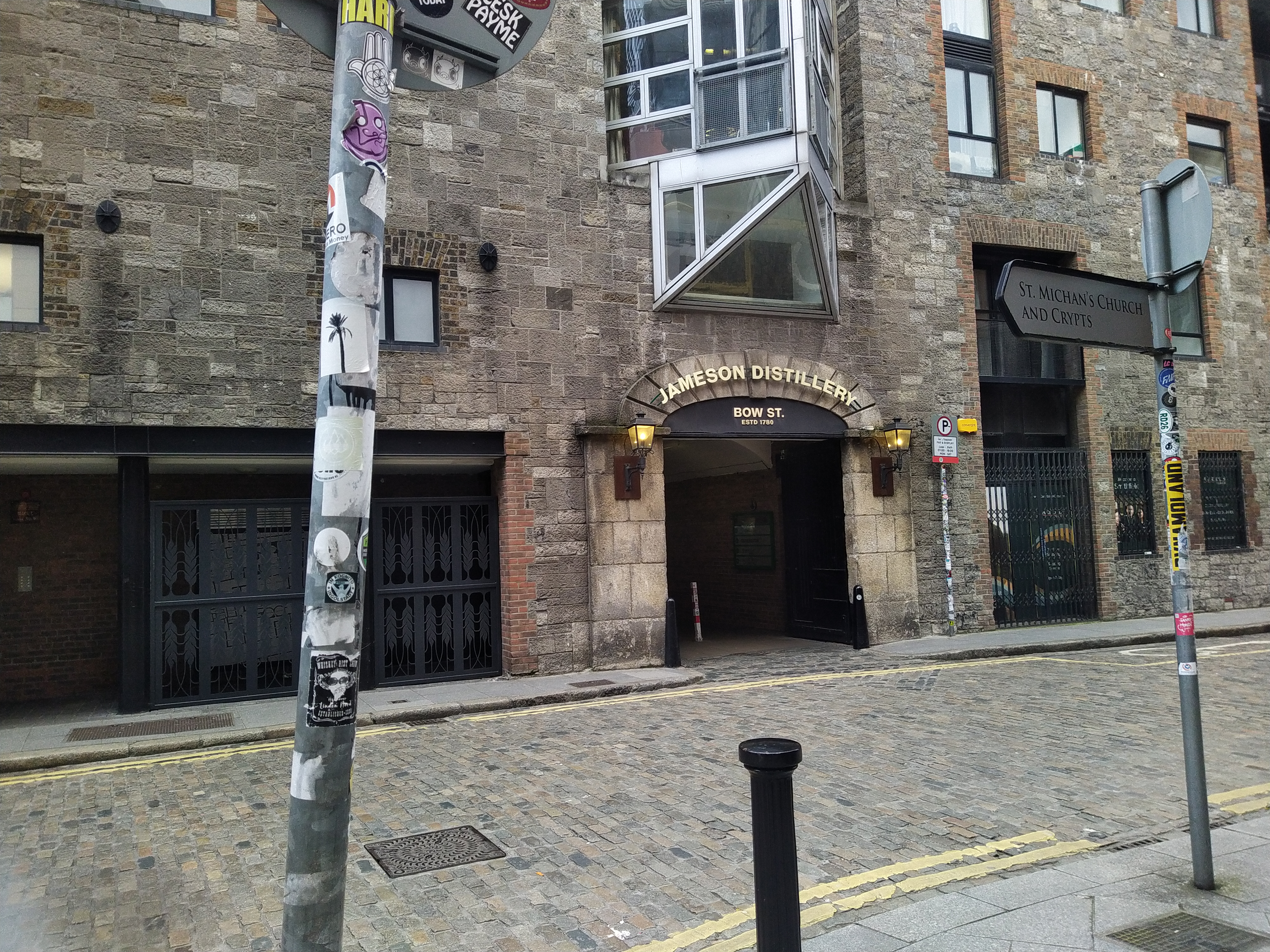 Jameson Distillery Bow St.Attraction · 1.3h · €26
The Jameson Distillery Bow St. is located in the original 1780 distillery building in Smithfield, offering guided tours through the history of Irish whiskey and comparative tastings that have made it one of Dublin's most popular visitor attractions.