Loading city...
Skip to main content
Attractions in Yogyakarta
12 attractions selected in this guide.
 Borobudur TempleAttraction · 3h · IDR455000
Borobudur is the world's largest Buddhist temple, a 9th-century Mahayana masterpiece built during the Sailendra dynasty. Rising from the Kedu Plain surrounded by volcanoes, this UNESCO World Heritage Site consists of nine stacked platforms topped by a central dome, decorated with 2,672 relief panels and 504 Buddha statues.
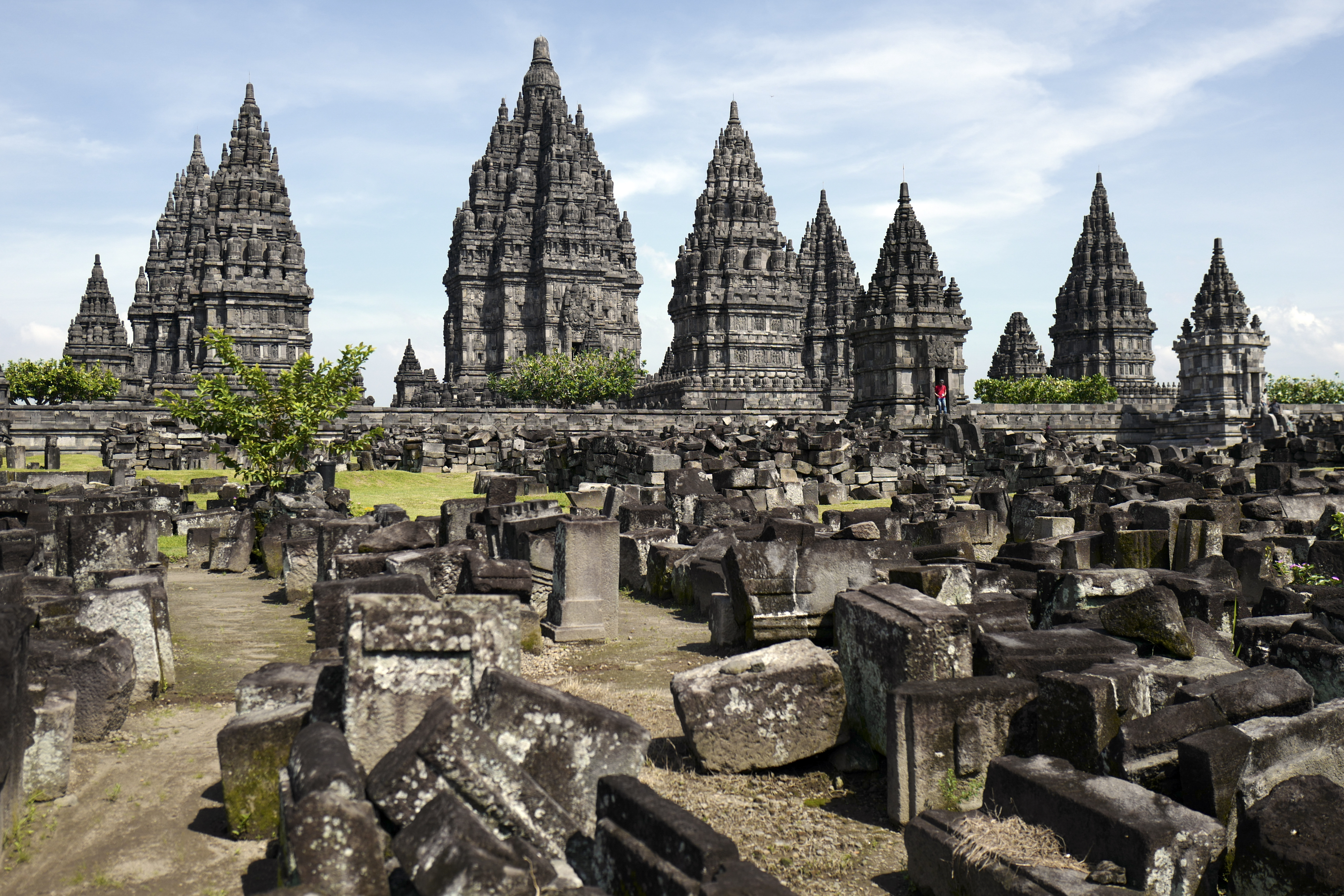 Prambanan TempleAttraction · 2.5h · IDR400000
Prambanan is the largest Hindu temple compound in Indonesia and a UNESCO World Heritage Site. Built in the 9th century, the complex features soaring towers dedicated to the Hindu trinity — Brahma, Vishnu, and Shiva — with the central Shiva temple rising 47 metres.
 Kraton (Sultan's Palace)Attraction · 1.5h · IDR25000
The Kraton of Yogyakarta is the official seat of the reigning Sultan and the cultural heart of the city. Founded in 1755 by Sultan Hamengkubuwono I, this walled palace complex blends Javanese cosmology with European colonial architectural influences and remains a functioning royal court.
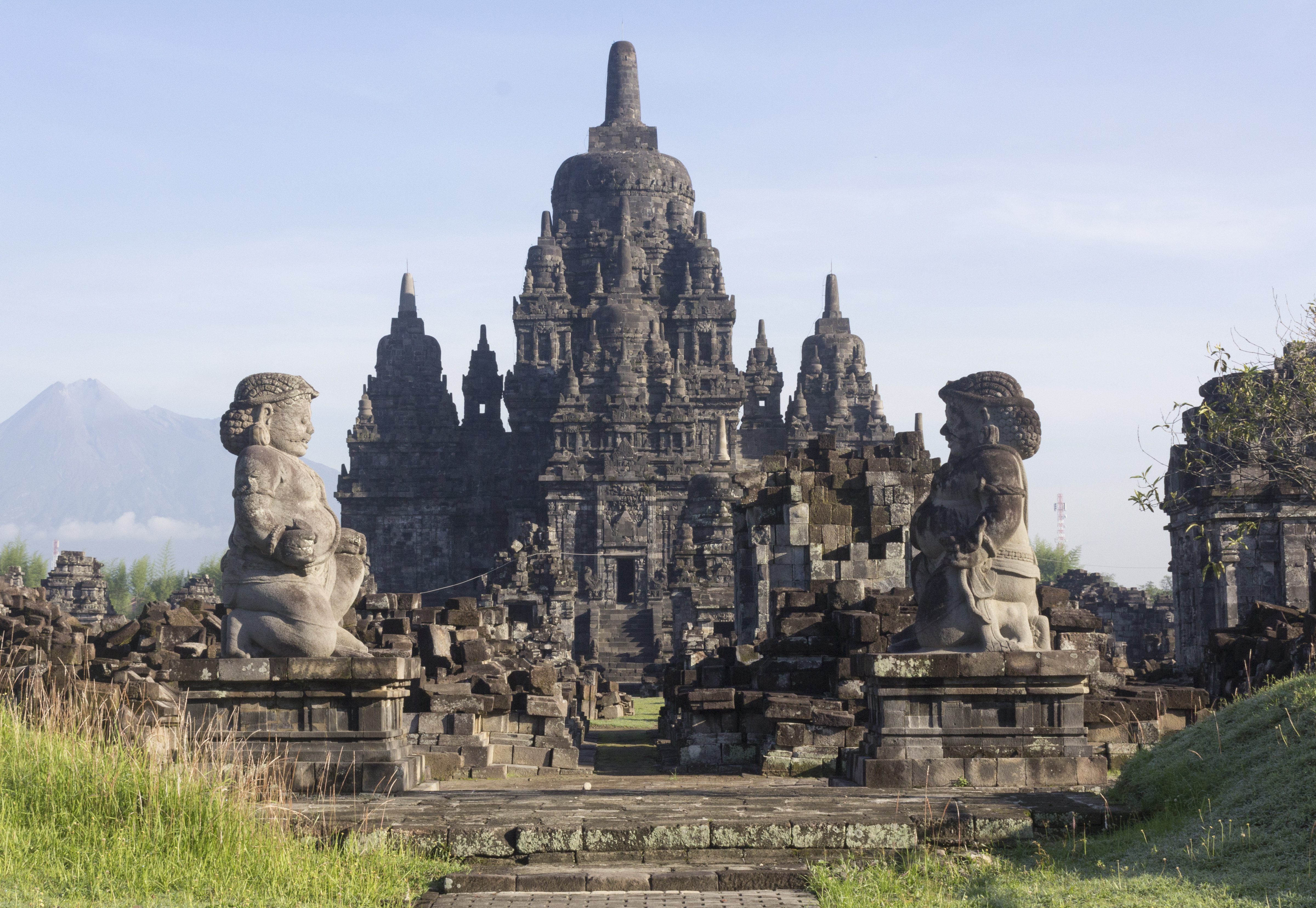 Sewu TempleAttraction · 1h · IDR400000
Candi Sewu is the second-largest Buddhist temple complex in Java, located about 800 metres north of Prambanan. Its name means 'a thousand temples' — while the actual count is 249, the scale of the compound is staggering, with a grand central temple surrounded by ring after ring of smaller shrines.
 Taman Sari Water CastleAttraction · 1h · IDR50000
Taman Sari is an 18th-century royal garden complex built as a pleasure retreat for Sultan Hamengkubuwono I. Once featuring bathing pools, meditation chambers, and an artificial lake, it now stands as a romantic ruin surrounded by a vibrant artists' kampung famous for batik painting.
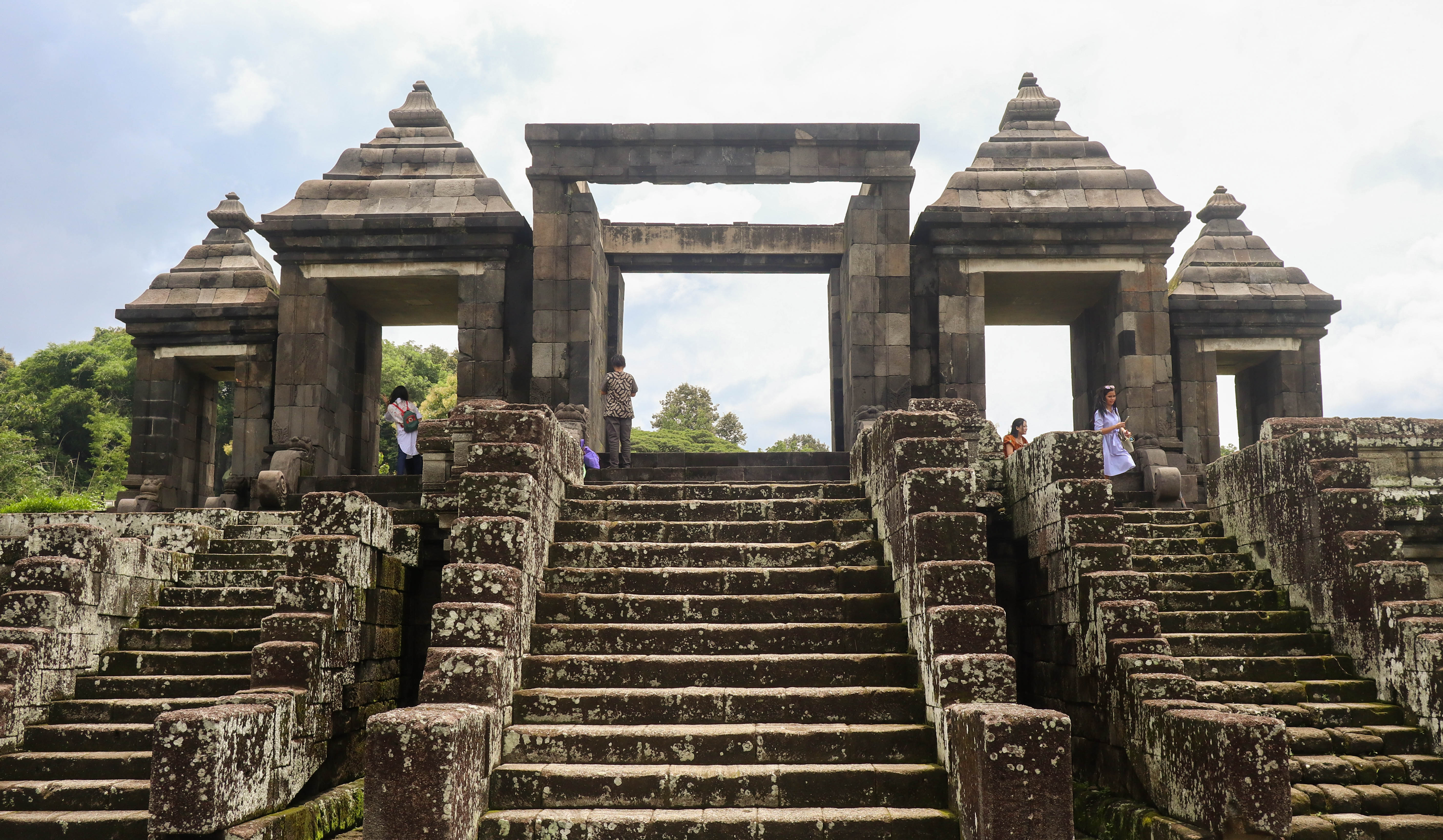 Ratu Boko PalaceAttraction · 2h · IDR435000
Ratu Boko is an 8th-century hilltop archaeological complex offering sweeping views over the Prambanan plain and the distant silhouette of Mount Merapi. The ruins include massive stone gateways, bathing pools, meditation caves, and ceremonial platforms, their purpose still debated by historians.
- ⭐Pawon TempleAttraction · 30 min · Free
Candi Pawon is a small but beautifully decorated Buddhist temple standing midway between Mendut and Borobudur on the ancient pilgrimage route. Its external walls feature some of the finest ornamental stone carving in Java, including celestial beings pouring treasures from overflowing jars.
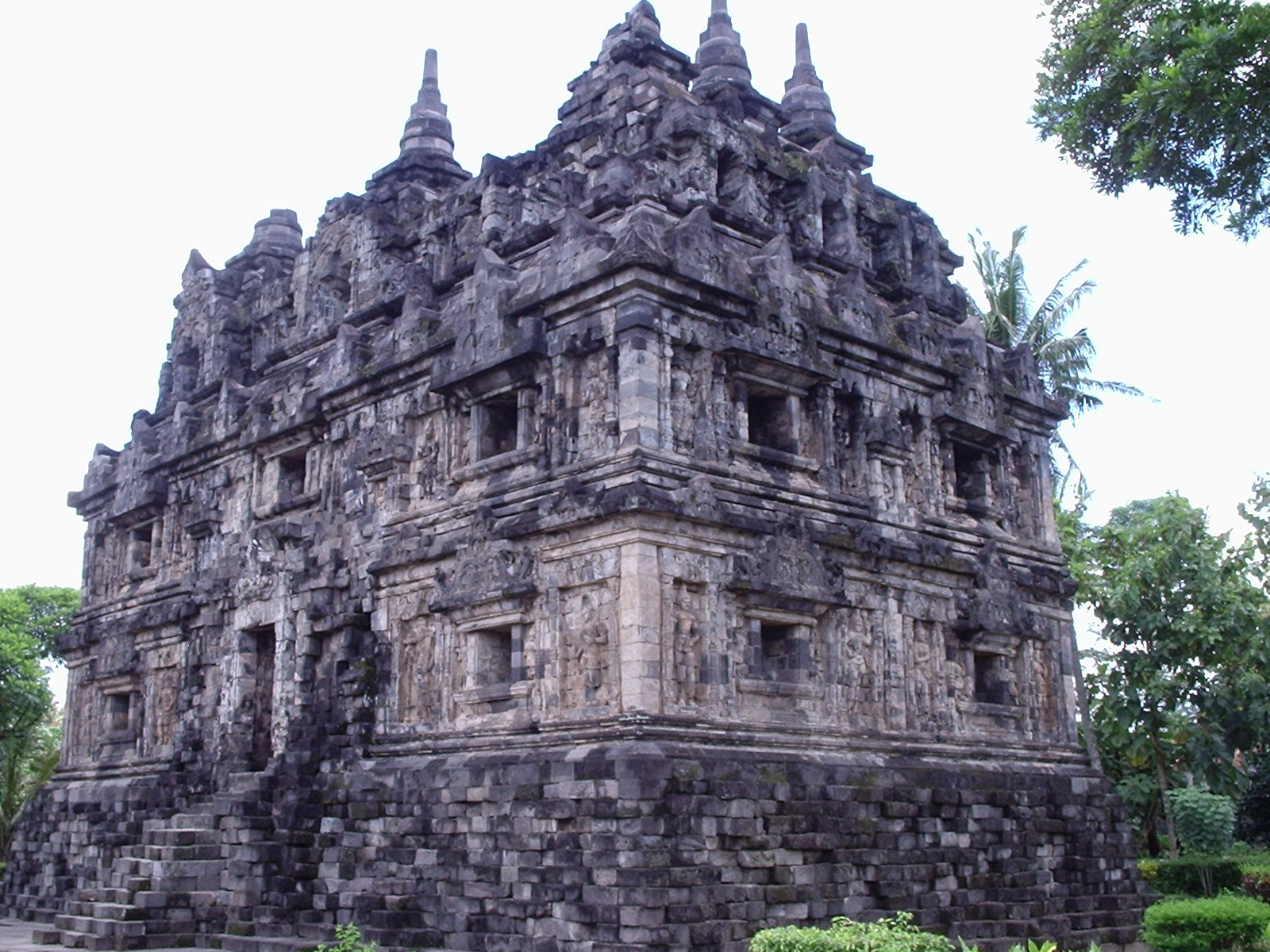 Mendut TempleAttraction · 45 min · IDR50000
Candi Mendut is a 9th-century Buddhist temple located 3 km east of Borobudur, housing three magnificent stone statues: a 3-metre seated Vairocana Buddha flanked by the bodhisattvas Avalokitesvara and Vajrapani. It served as the starting point of an ancient pilgrimage route to Borobudur.
- Plaosan TempleAttraction · 1h · IDR35000
Candi Plaosan is a striking twin-temple complex combining Buddhist and Hindu architectural elements, reflecting the religious harmony between the Sailendra and Sanjaya dynasties. The two main temples — Plaosan Lor (north) and Plaosan Kidul (south) — sit amid rice fields east of Prambanan.
- Tugu YogyakartaAttraction · 15 min · Free
Tugu Yogyakarta is the city's most recognisable landmark, a white pillar monument standing at the northern end of the Kraton's ceremonial axis. It marks the symbolic center of the imaginary line connecting Mount Merapi in the north with the Indian Ocean and Kanjeng Ratu Kidul in the south.
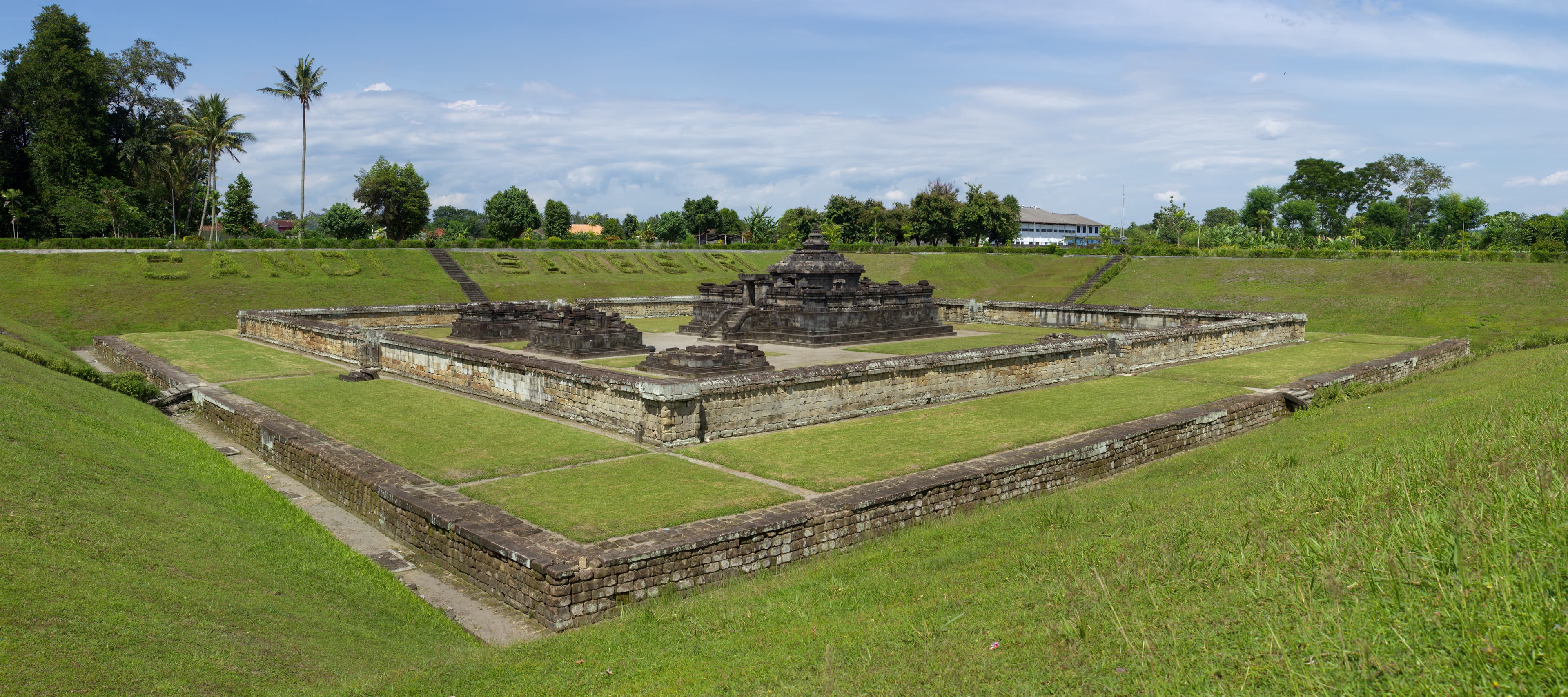 Sambisari TempleAttraction · 45 min · IDR10000
Candi Sambisari is a 9th-century Hindu temple that was discovered completely buried under 6 metres of volcanic ash and sediment from Mount Merapi. Excavated starting in 1966, the temple now sits dramatically below ground level, accessed by descending into a sunken pit.
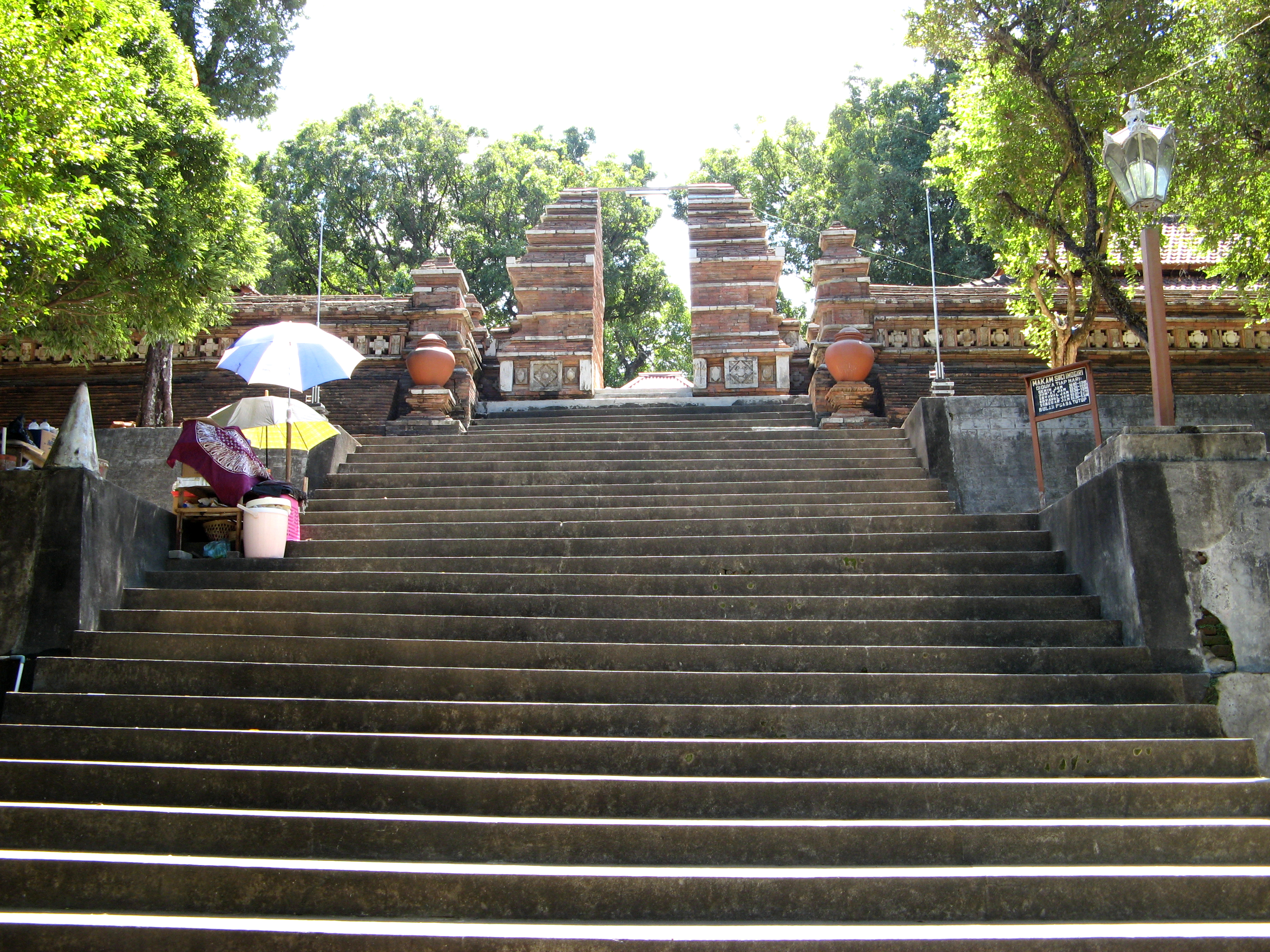 Imogiri Royal CemeteryAttraction · 1.5h · IDR15000
Imogiri is the sacred hilltop burial complex of the Mataram Sultanate and its successor kingdoms of Yogyakarta and Surakarta. Visitors must climb a steep staircase of 345 steps and don traditional Javanese court dress before entering the hallowed cemetery grounds.