Loading city...
Skip to main content
Attractions in Granada
12 attractions selected in this guide.
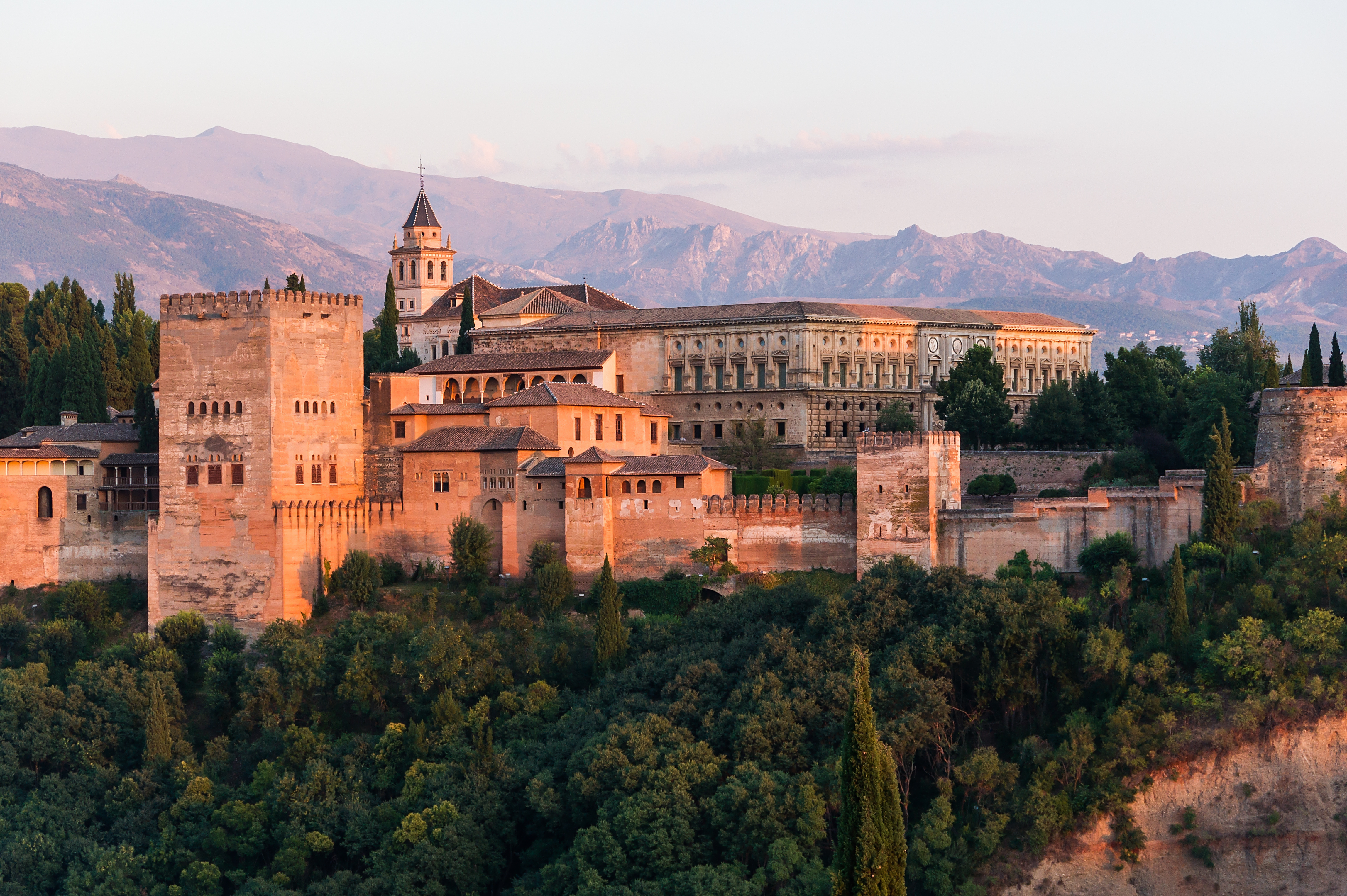 AlhambraAttraction · 3h · €22
The Alhambra is a vast palace-fortress complex perched on the Sabika hill, overlooking Granada. Built mainly between 1238 and 1358 by the Nasrid dynasty, it is the finest surviving example of medieval Islamic architecture in Europe and a UNESCO World Heritage Site since 1984.
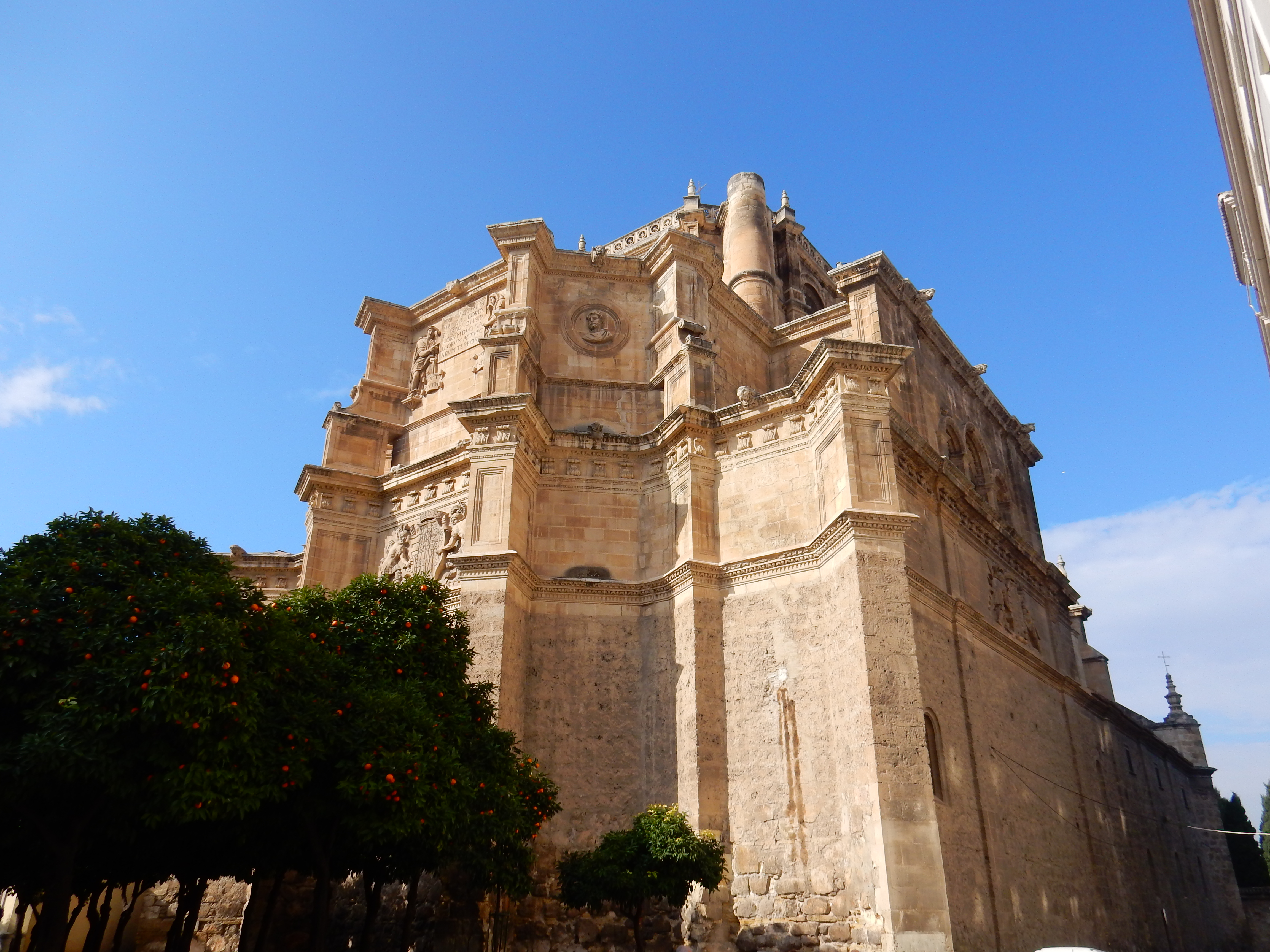 Madrasa of GranadaAttraction · 30 min · €2
The Madrasa of Granada was founded in 1349 by Yusuf I as the only Islamic university in the Iberian Peninsula. Behind its later Baroque facade lies a stunning original prayer hall (oratory) with polychrome stucco and a carved wooden ceiling.
- Granada CathedralAttraction · 1h · €7
The Cathedral of the Incarnation is Granada's imposing Renaissance cathedral, built between 1518 and 1704 on the site of the former Great Mosque. Designed by Diego de Siloé, it was conceived as a statement of Christian triumph.
 Generalife GardensAttraction · 1.5h · €13
The Generalife was the summer retreat of the Nasrid emirs, set on the hillside above the Alhambra. Its terraced gardens, fountains, and pavilions are among the oldest surviving Moorish gardens in the world.
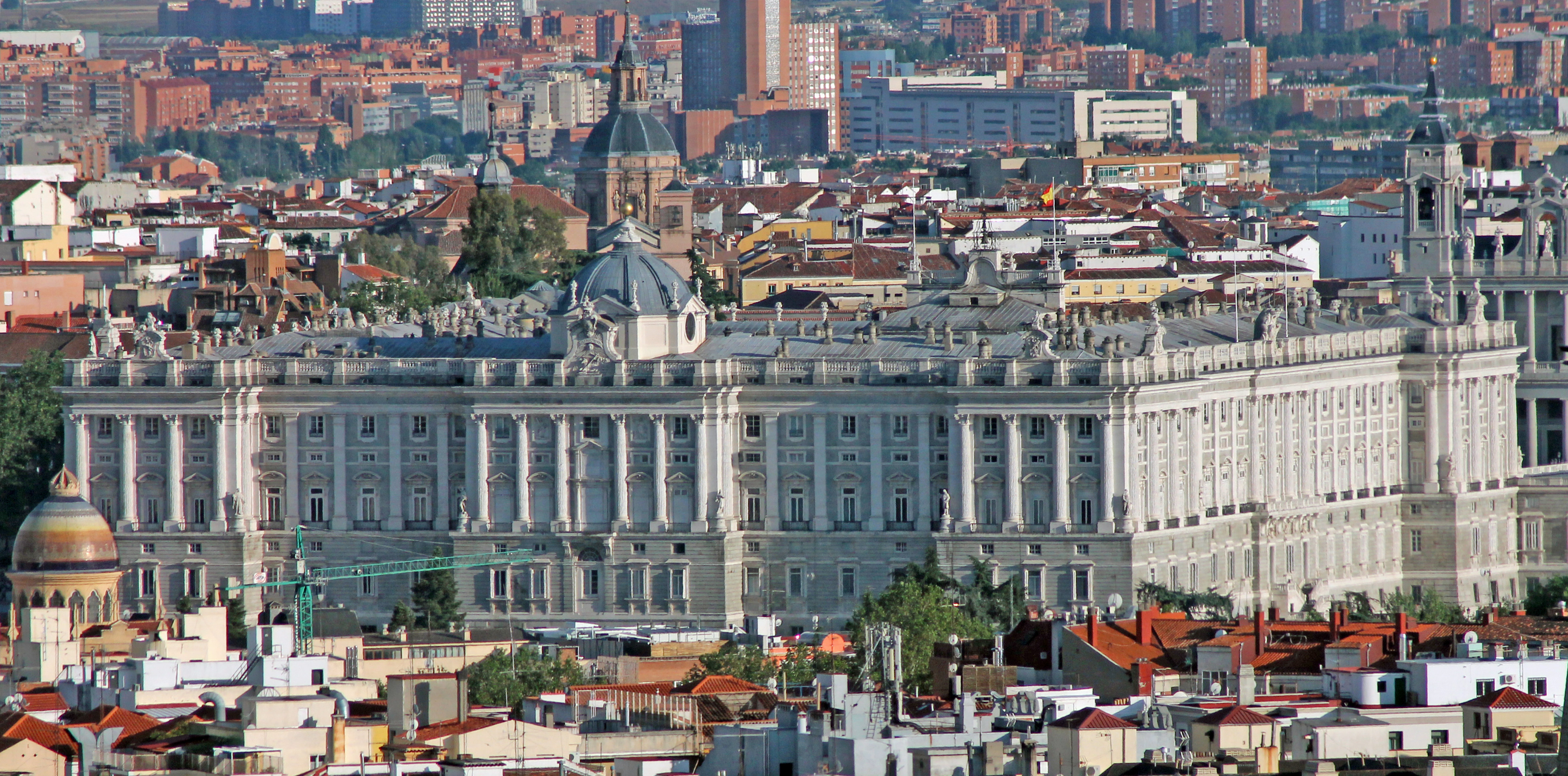 Palacio de Carlos VAttraction · 45 min · Free
The Palace of Charles V is a striking Renaissance building set incongruously within the Alhambra complex. Commissioned by the Holy Roman Emperor in 1527, its circular inner courtyard is considered a masterpiece of High Renaissance design.
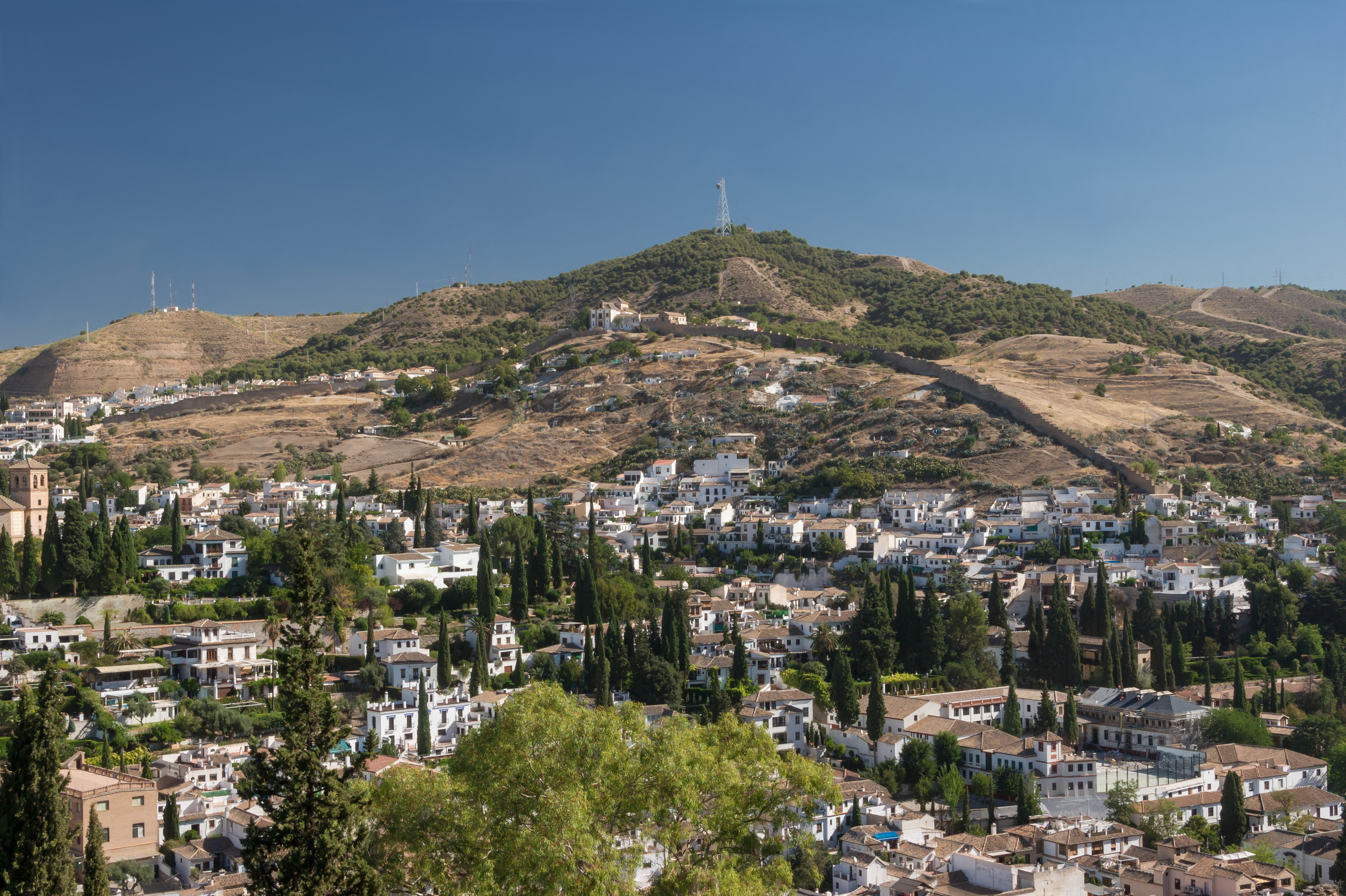 Abbey of SacromonteAttraction · 1h · €7
The Abbey of Sacromonte sits on the hill above the Sacromonte cave neighbourhood. Founded in 1600 around lead tablets and relics discovered in the hillside, it offers panoramic views and subterranean catacombs.
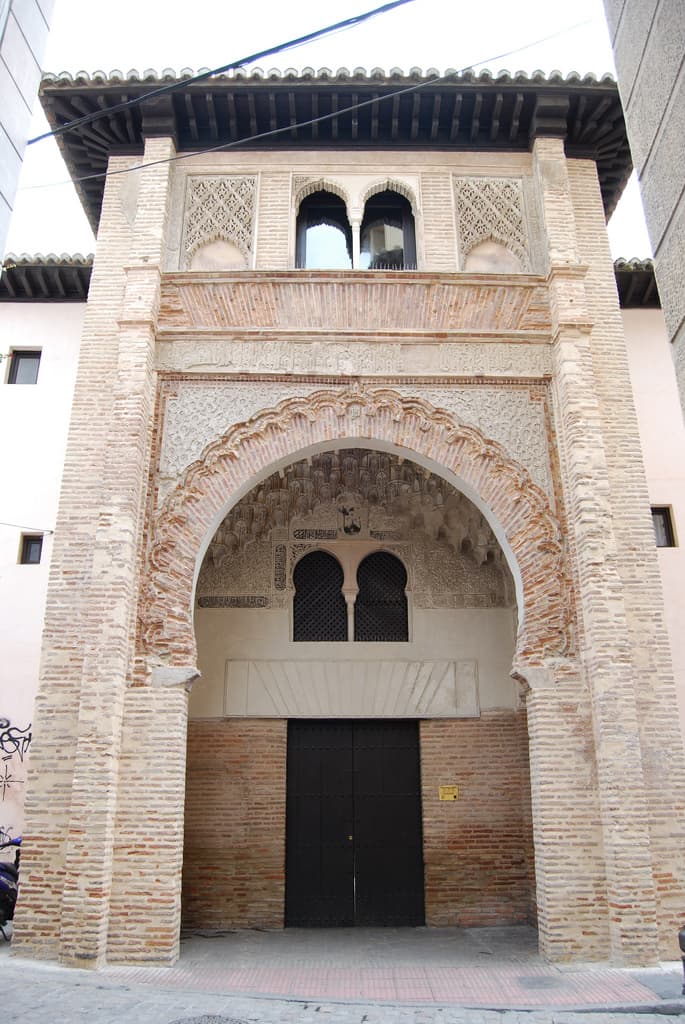 Corral del CarbónAttraction · 20 min · Free
The Corral del Carbón is a 14th-century Nasrid-era caravanserai (inn for travelling merchants), and the only one of its kind surviving in the Iberian Peninsula. Its horseshoe arch entrance leads to a cobbled courtyard surrounded by galleries.
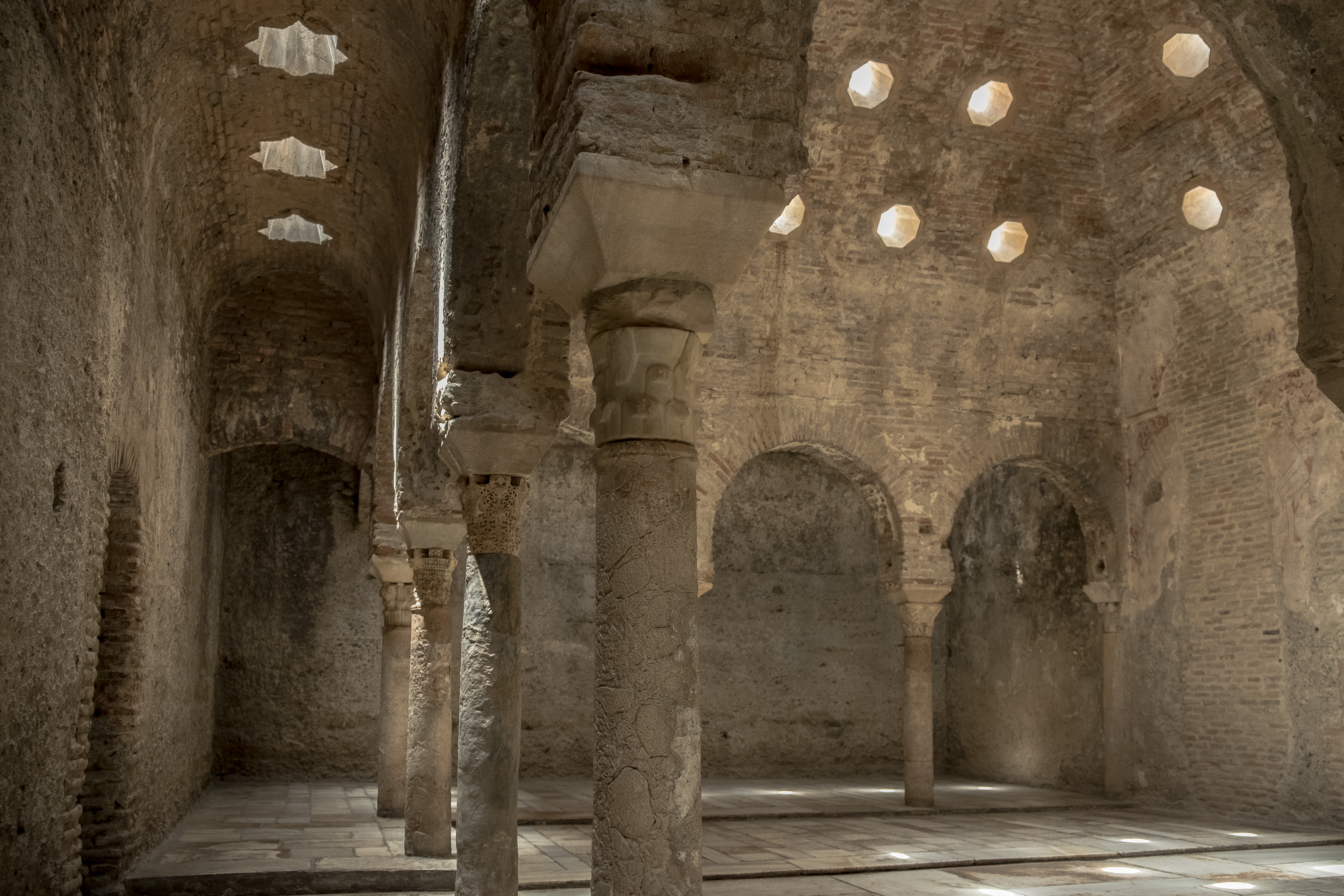 Bañuelo (El Bañuelo)Attraction · 20 min · €7
El Bañuelo is an 11th-century Zirid-era hammam — one of the best-preserved Arab baths in Spain. Tucked away on the Carrera del Darro, its intimate brick chambers feature star-shaped skylights that pierce the vaulted ceilings.
- Monastery of San JerónimoAttraction · 45 min · €7
The Monastery of San Jerónimo was the first monastery founded in Granada after the Christian conquest in 1492. Its church interior is an astonishing riot of Renaissance frescoes, gilding, and sculptural decoration.
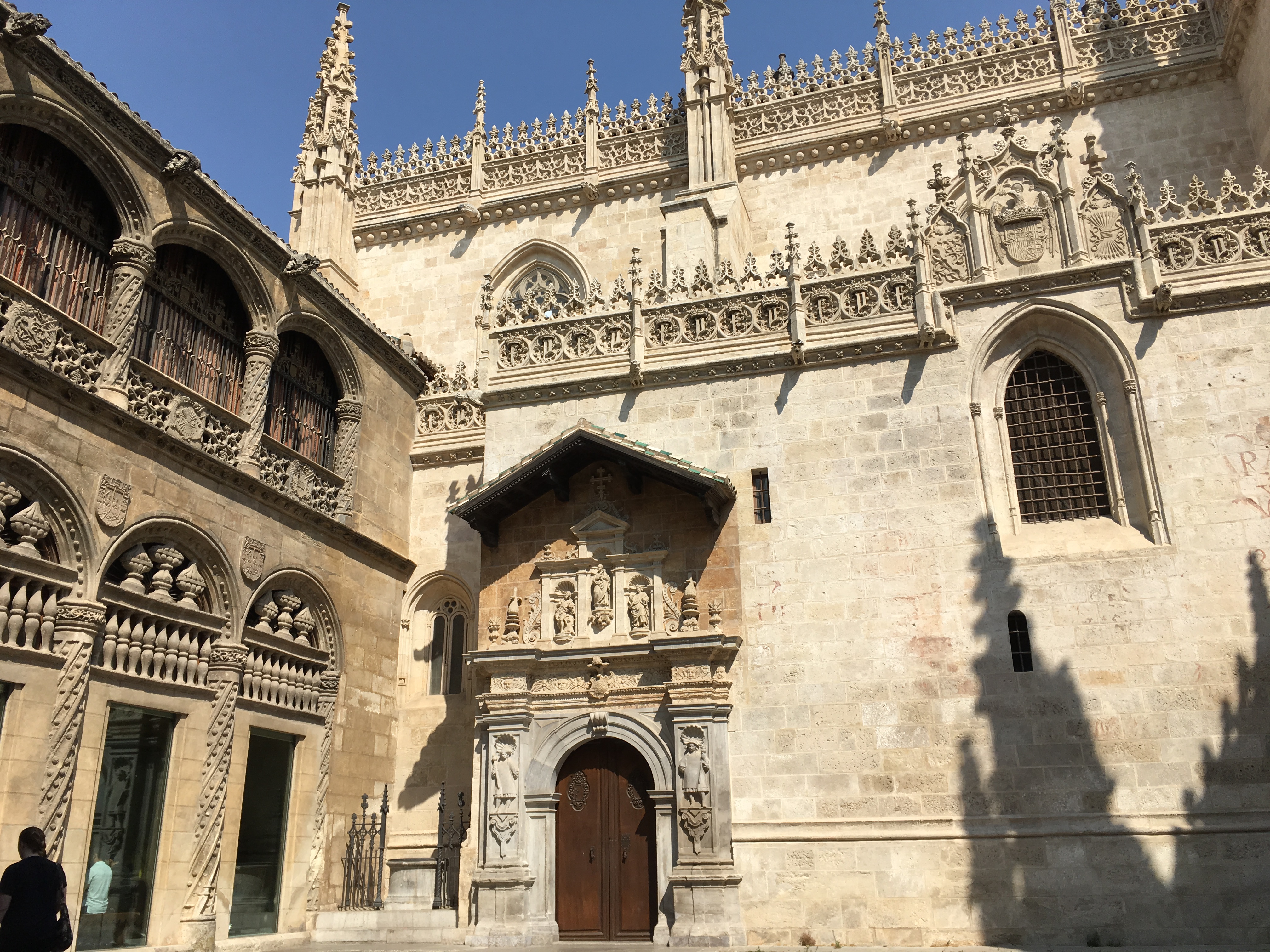 Royal Chapel of GranadaAttraction · 45 min · €7
The Capilla Real is the burial place of the Catholic Monarchs, Ferdinand II of Aragon and Isabella I of Castile, who captured Granada from the Moors in 1492. It stands as a masterpiece of the Isabelline Gothic style.
 Basílica de San Juan de DiosAttraction · 30 min · €10
The Basílica de San Juan de Dios is one of Spain's most sumptuously decorated Baroque churches, built to honour Saint John of God, who founded his hospitaller order in Granada in 1539.
- Church of San NicolásAttraction · 20 min · Free
The Iglesia de San Nicolás is a 16th-century Mudéjar church located next to the famous Mirador de San Nicolás in the Albaicín. While visitors flock to the viewpoint, the church itself is a quiet gem of Moorish-Christian architecture.