Loading city...
Skip to main content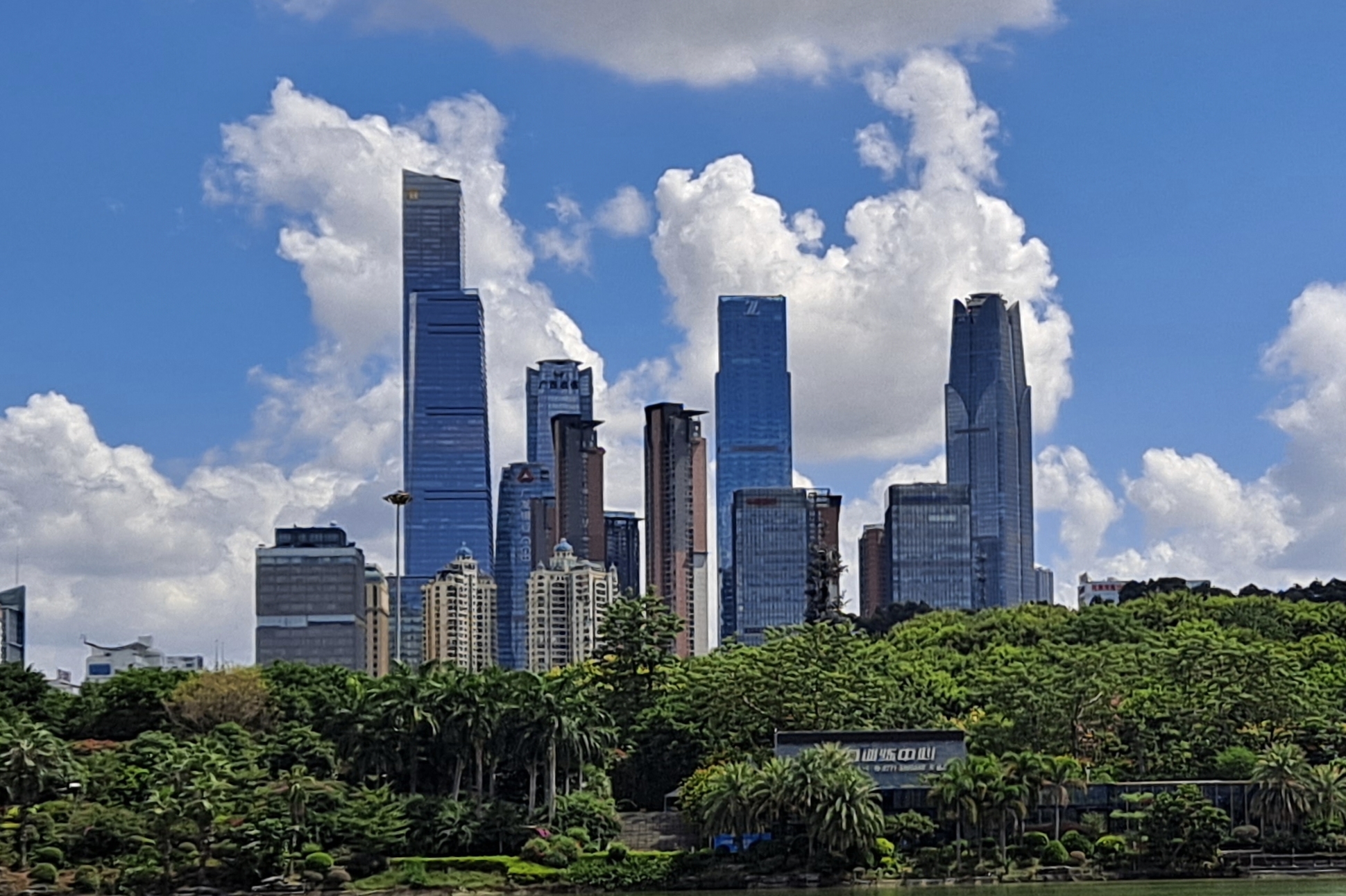
Attractions in Guilin
19 attractions selected in this guide.
 Dawei Ancient TownAttraction · 2h · Free
Dawei is a quiet riverside town west of Guilin with Qing-era merchant houses, a crumbling city wall, and an unhurried atmosphere far from the tourist mainstream.
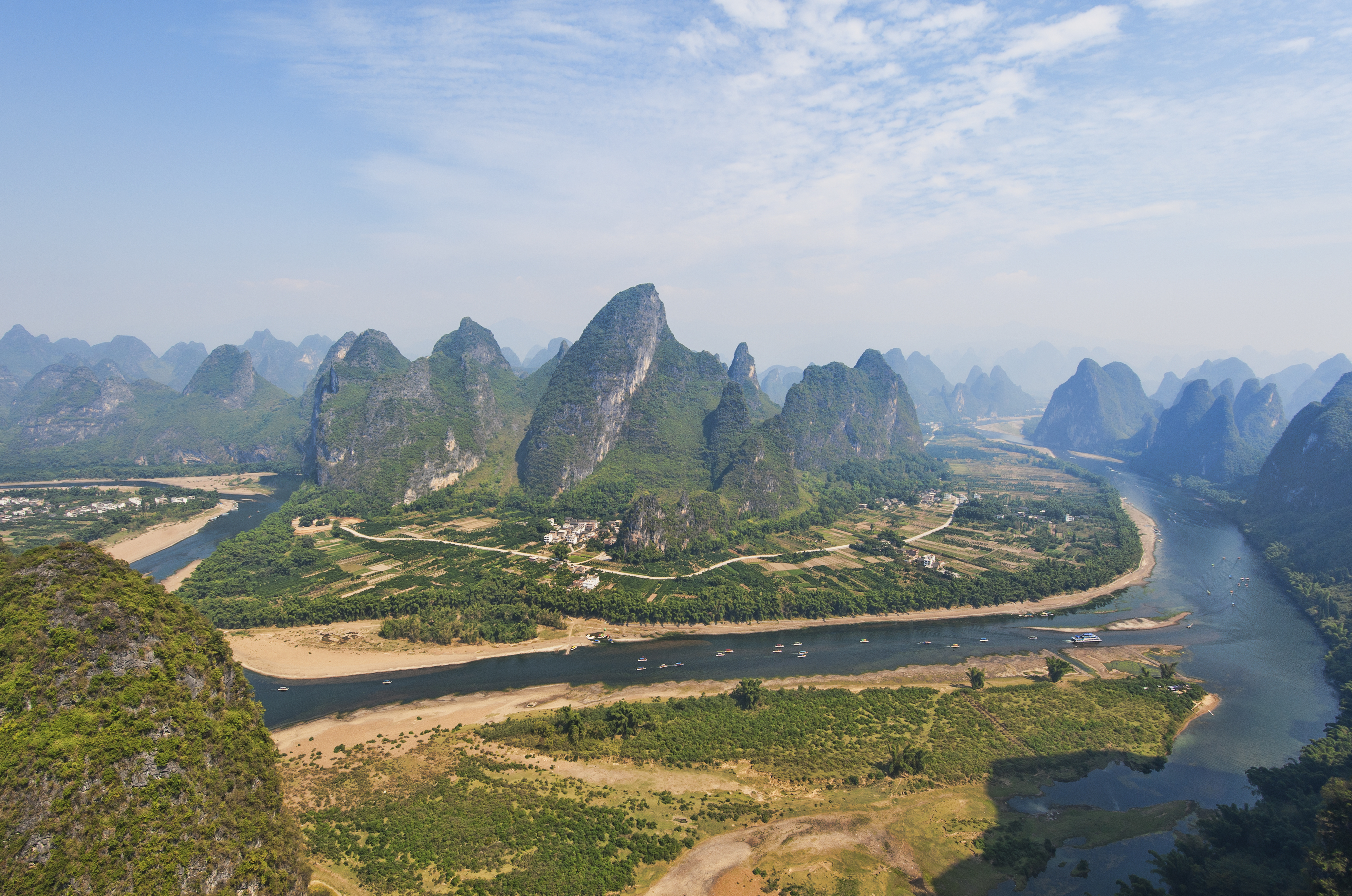
 Chuan Shan Scenic AreaAttraction · 1.5h · CNY55
A scenic area featuring Tunnel Hill with its pierced peak, a pagoda, and views along the Li River..
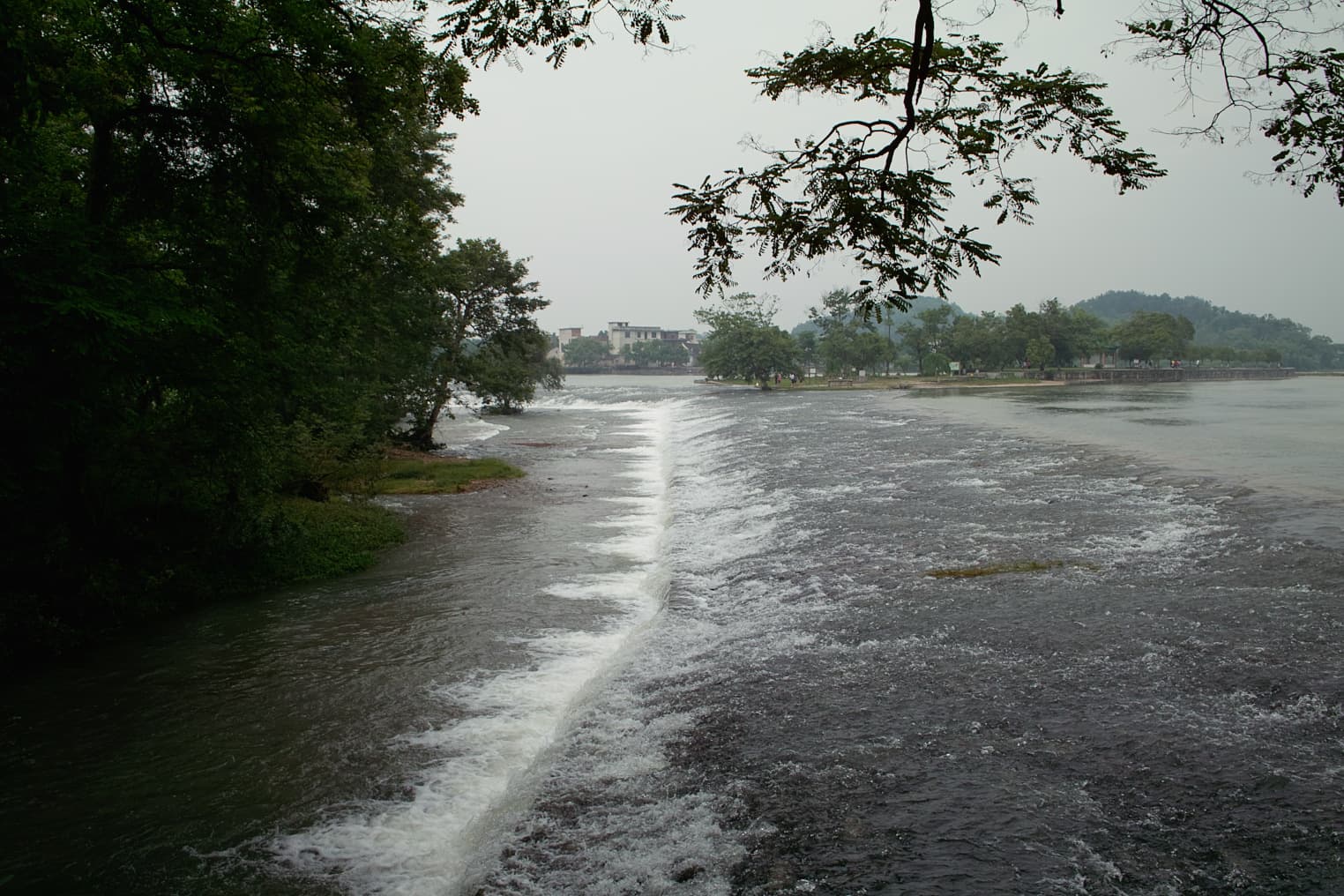 Lingqu CanalAttraction · 1.5h · CNY50
The Lingqu Canal is one of the world's three oldest canals, built in 214 BC during the Qin dynasty to connect the Yangtze and Pearl River systems — enabling the military conquest of southern China.
 Gongcheng Ancient TownAttraction · 2.5h · CNY50
Gongcheng is a 1,300-year-old county seat east of Guilin with original stone city gates, a Confucius temple, and the tradition of oil-tea — a savoury beaten-tea drink unique to the Yao and Zhuang peoples of the region.
 Sanjiang Drum TowerAttraction · 45 min · CNY30
The Sanjiang Drum Tower is the tallest and most elaborate Dong drum tower in existence — 42.6 m and 27 storeys of interlocking wooden framework built without a single nail.
 Huangluo Yao VillageAttraction · 1.5h · CNY80
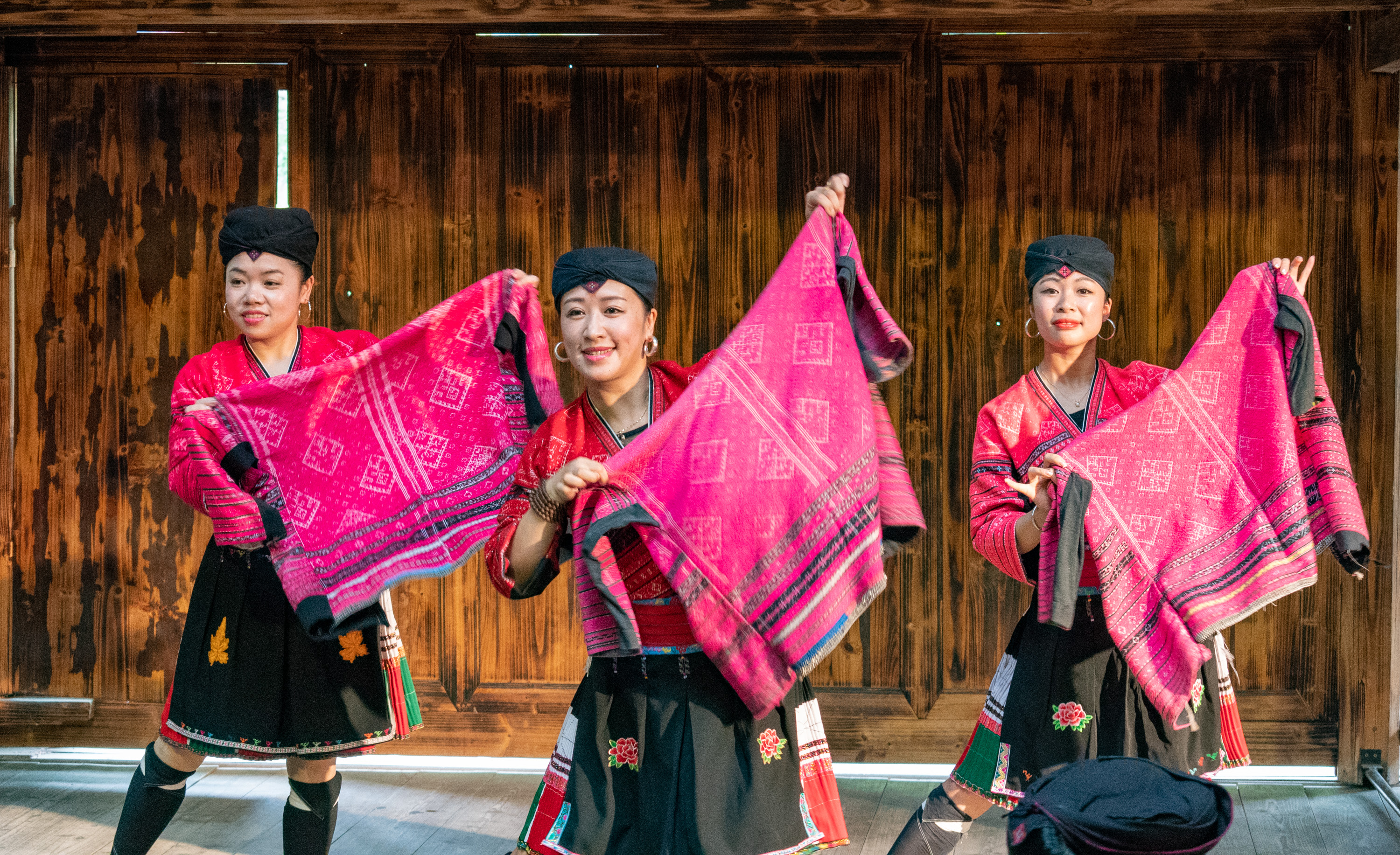
Huangluo Yao Village is a living settlement of the Red Yao minority, internationally known for women who never cut their hair — many have locks exceeding 1.7 metres. The village sits at the base of the Longji rice terraces.
 Reed Flute CaveAttraction · 1h · CNY90
A spectacular limestone cave illuminated with colorful lights, featuring stalactites and rock formations..
 Longji Rice TerracesAttraction · 4h · CNY80
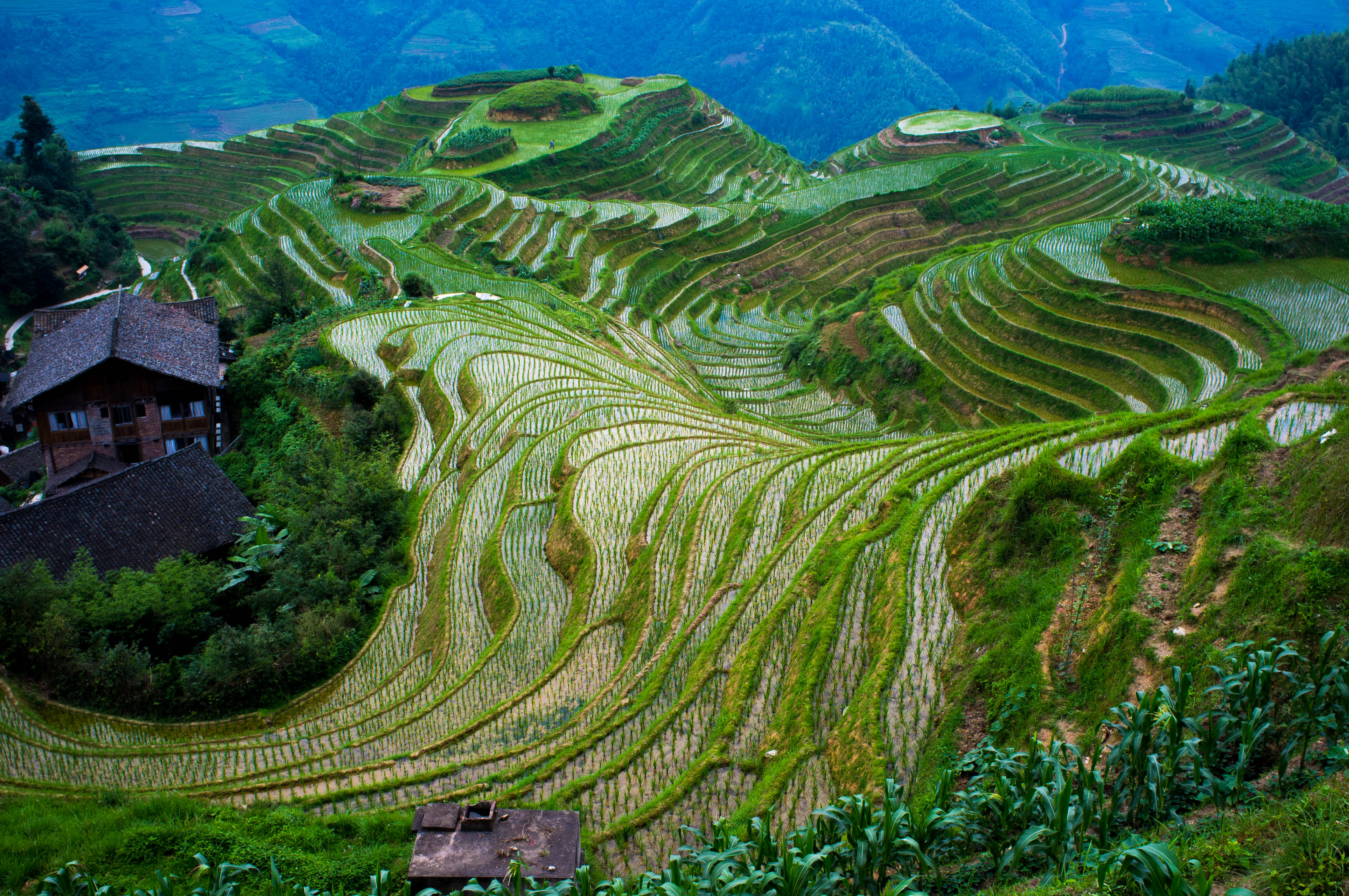
Spectacular terraced rice paddies carved into mountainsides by Zhuang and Yao ethnic groups over centuries..
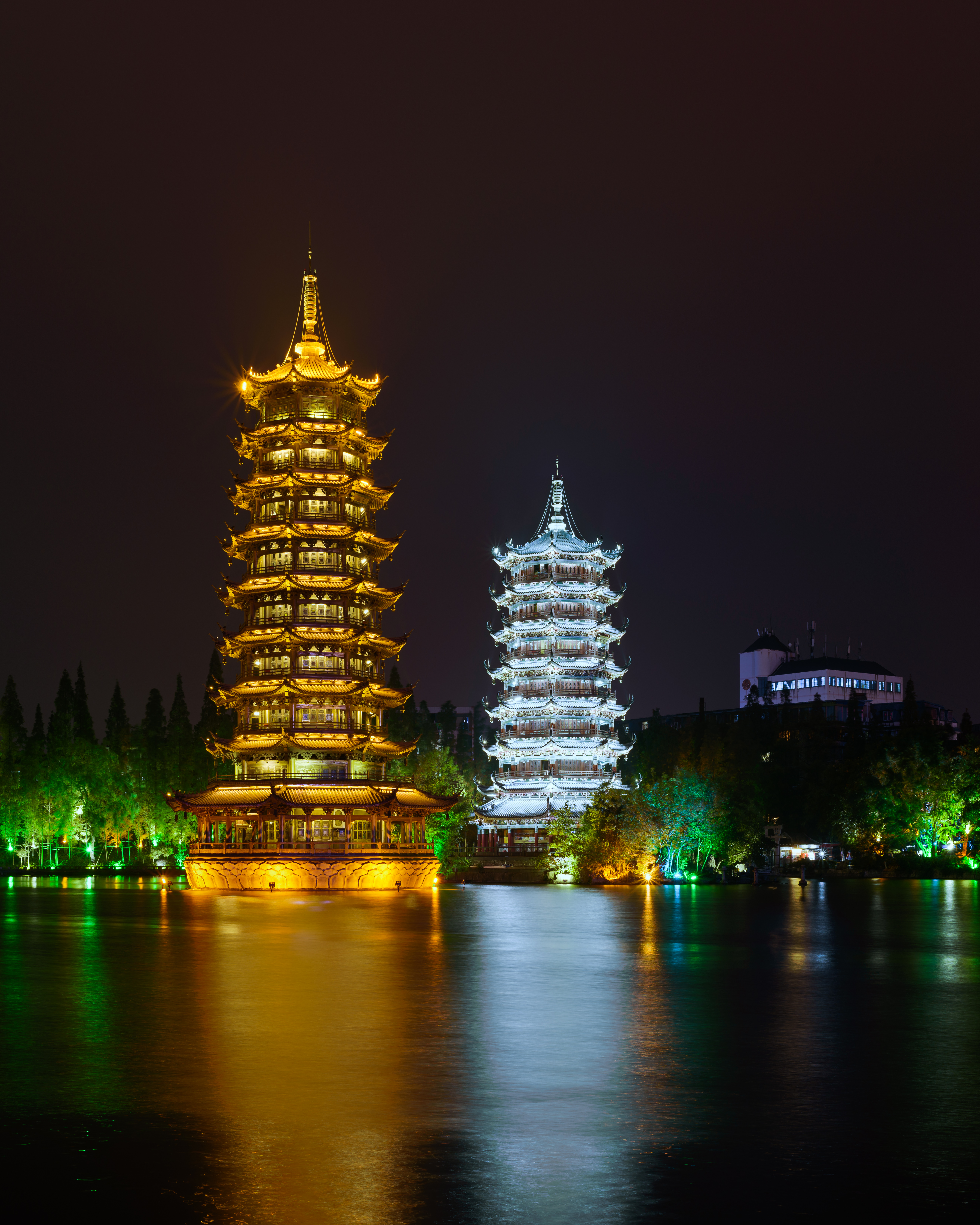 Sun and Moon Twin PagodasAttraction · 45 min · CNY50
Two iconic pagodas on Shanhu Lake connected by an underwater tunnel, stunning when illuminated at night..
 Jingjiang Princes' CityAttraction · 1.5h · CNY100
A Ming Dynasty royal palace complex at the city center, older than Beijing's Forbidden City..
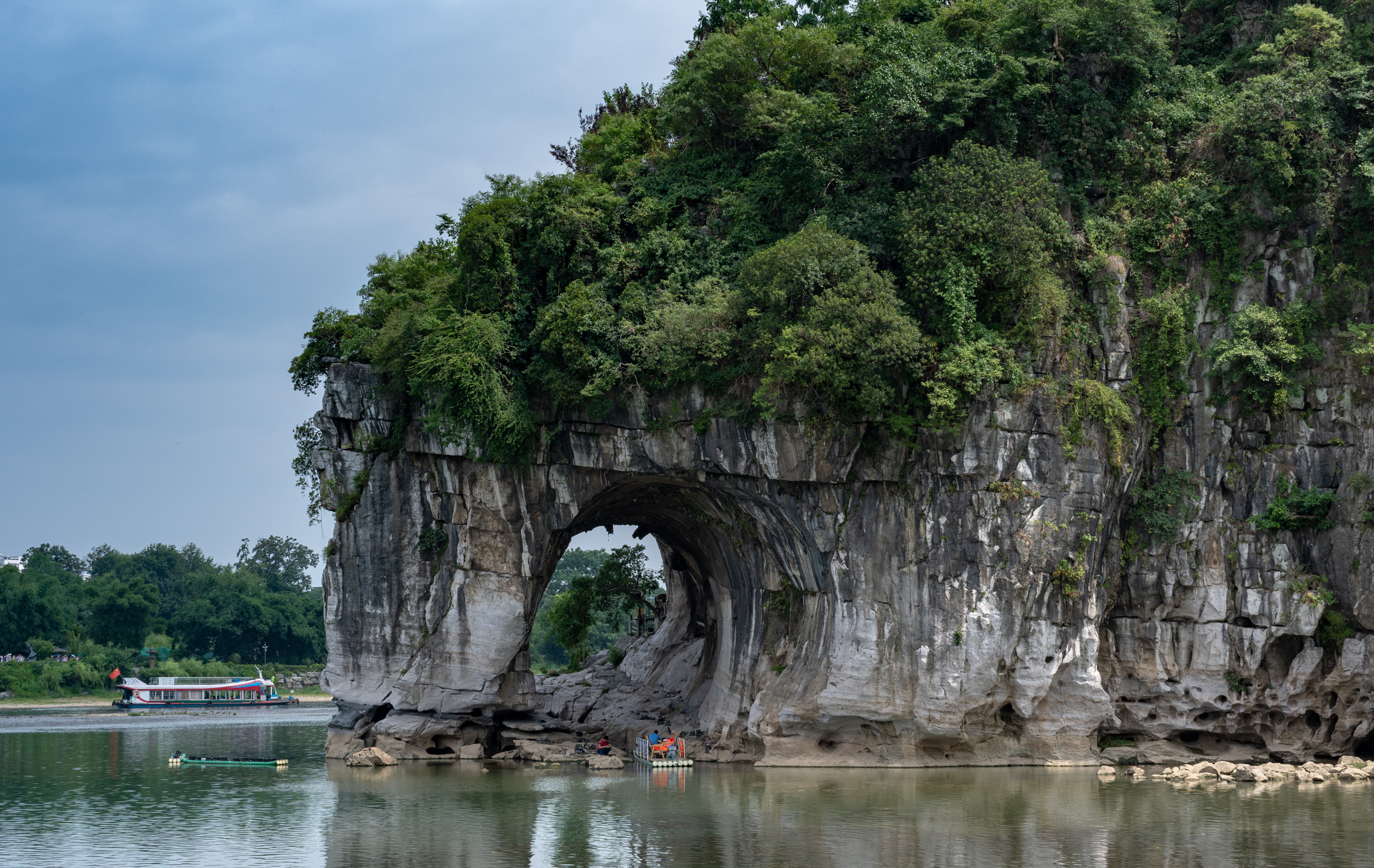
- Elephant Trunk HillAttraction · 1h · Free
Guilin's iconic symbol, a karst hill resembling an elephant drinking from the Li River..
- Silver CaveAttraction · 1.5h · CNY65
One of China's largest natural caves, with towering crystal-like stalactites and underground waterfalls..
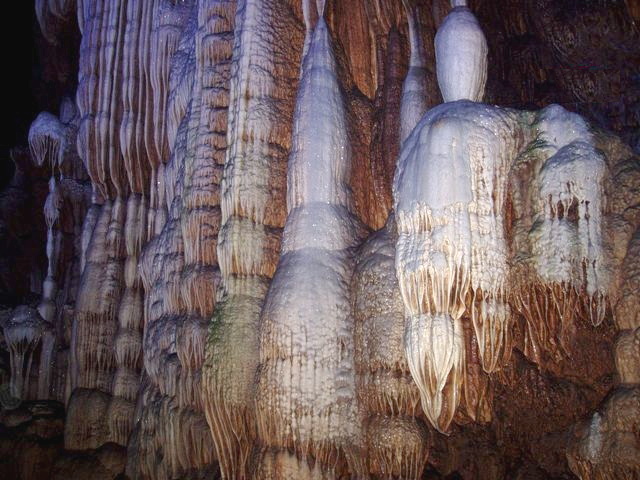 Crown CaveAttraction · 1.5h · CNY80
A multi-level karst cave system accessible via underground river boat, elevator, and toboggan..
- ⭐Lipu Yinzi Rock CaveAttraction · 1.5h · CNY75
Yinzi (Silver) Cave is a spectacular show cave in Lipu county featuring massive stalagmites, stalactites, and underground waterfalls illuminated with coloured lights across three levels spanning 2 km.
 Guilin Academy of Classical LearningAttraction · 45 min · Free
A restored Qing-dynasty Confucian academy tucked behind modern Guilin, with carved stone stelae, a courtyard garden, and rooms displaying classical calligraphy and scholarly artefacts.
- ⭐Jiangtouzhou Ancient VillageAttraction · 1.5h · CNY50
Jiangtouzhou is a remarkably intact Ming-dynasty village 30 km north of Guilin, home to descendants of Zhou Dunyi — the Song-dynasty Confucian philosopher. Its ancestral halls, courtyards, and stone-paved lanes have survived 600 years.
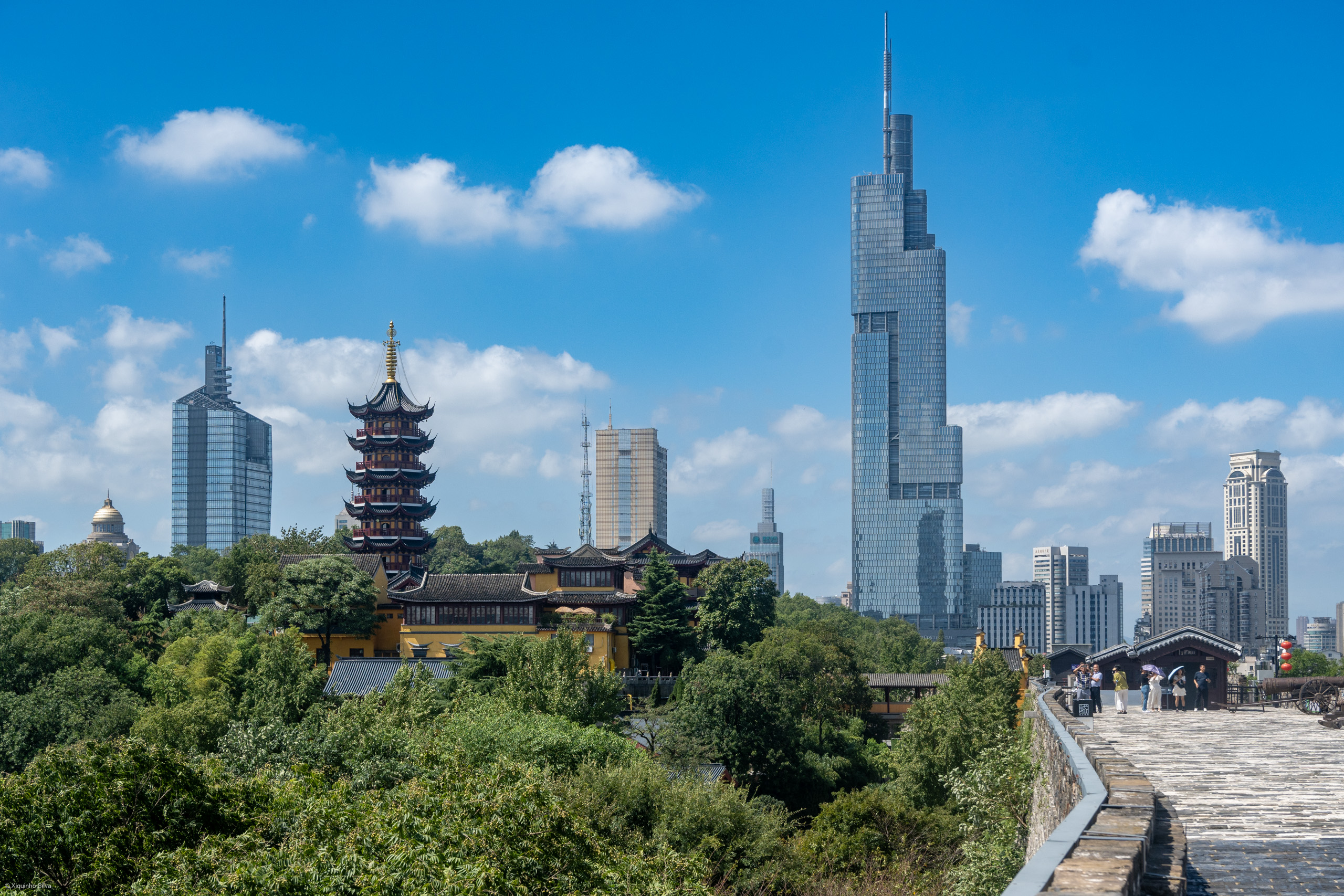 Jingjiang Royal TombsAttraction · 1.5h · CNY20
The Jingjiang Royal Tombs are the burial ground of 11 generations of Ming-dynasty Jingjiang princes who governed Guilin from 1370 to 1650. The necropolis sprawls across pine-covered hills northeast of the city.
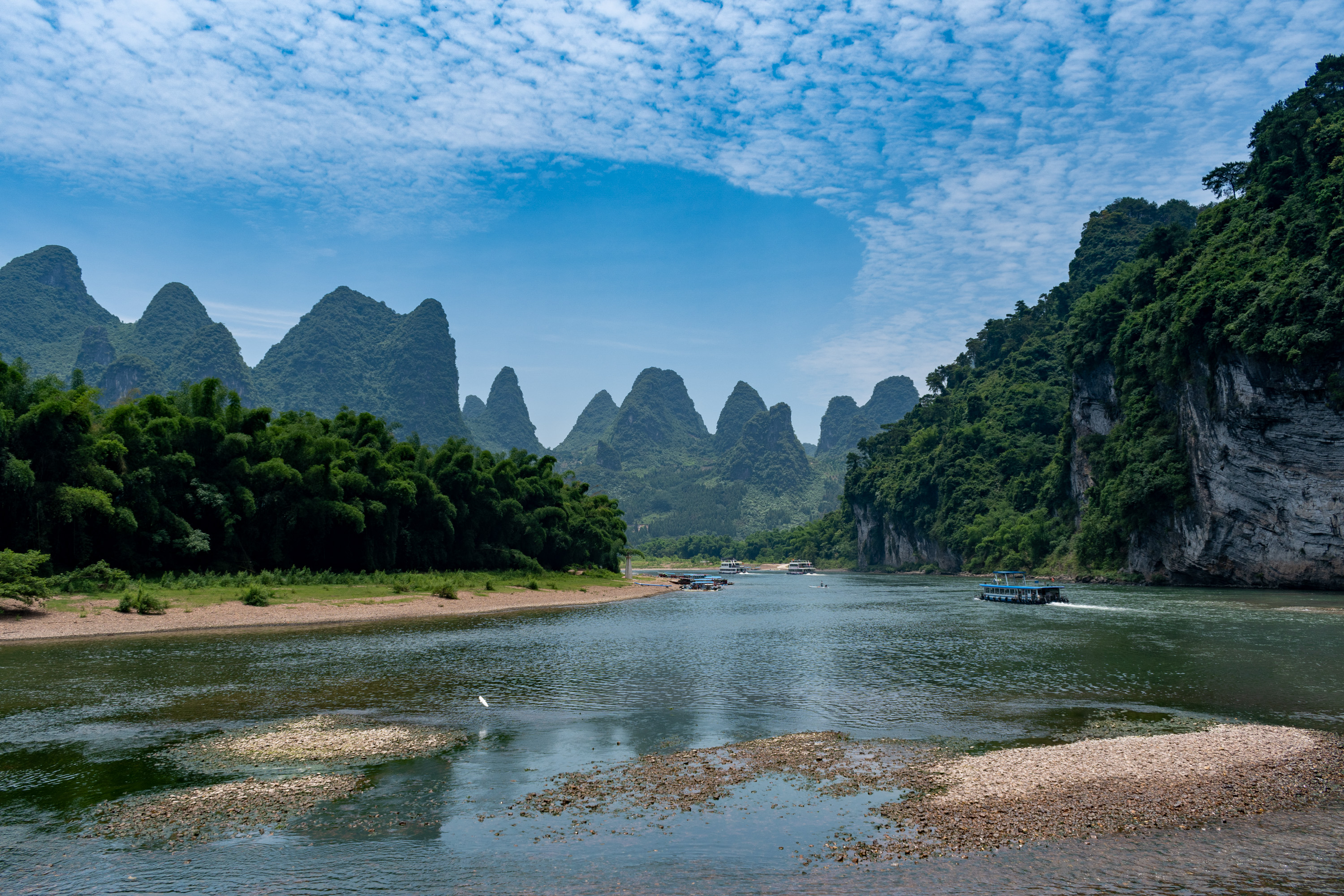 Lipu Fengyu RockAttraction · 45 min · Free
Fengyu Rock is a natural karst arch in rural Lipu county that frames distant mountain scenery through its opening — a hidden gem known mainly to local photographers.
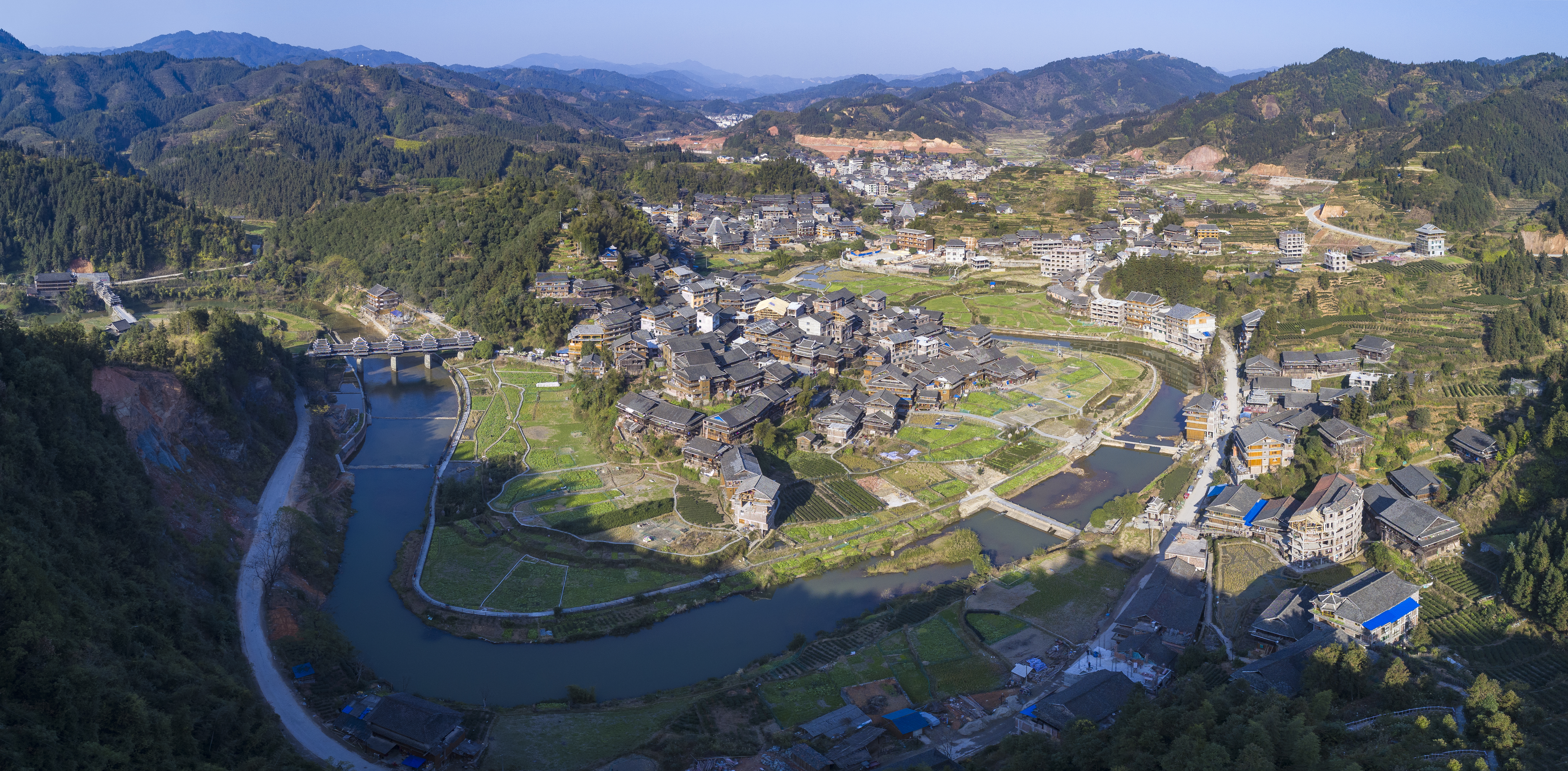
- ⭐Chengyangba Wind-and-Rain BridgeAttraction · 1h · CNY60
Chengyang Wind-and-Rain Bridge is the most celebrated piece of Dong vernacular architecture in China — a 77.76 m covered wooden bridge with five pagoda-like towers, built entirely without nails in 1916.