Loading city...
Skip to main content
Attractions in Ghent
11 attractions selected in this guide.
 Ghent City HallAttraction · 20 min · Free
Ghent's City Hall (Stadhuis) is a remarkable building that displays two entirely different architectural styles depending on which street you're on. The Hoogpoort facade is Flamboyant Gothic with ornate tracery; the Botermarkt face is sober Renaissance.
- St Bavo's Cathedral & Ghent AltarpieceAttraction · 1h · €13
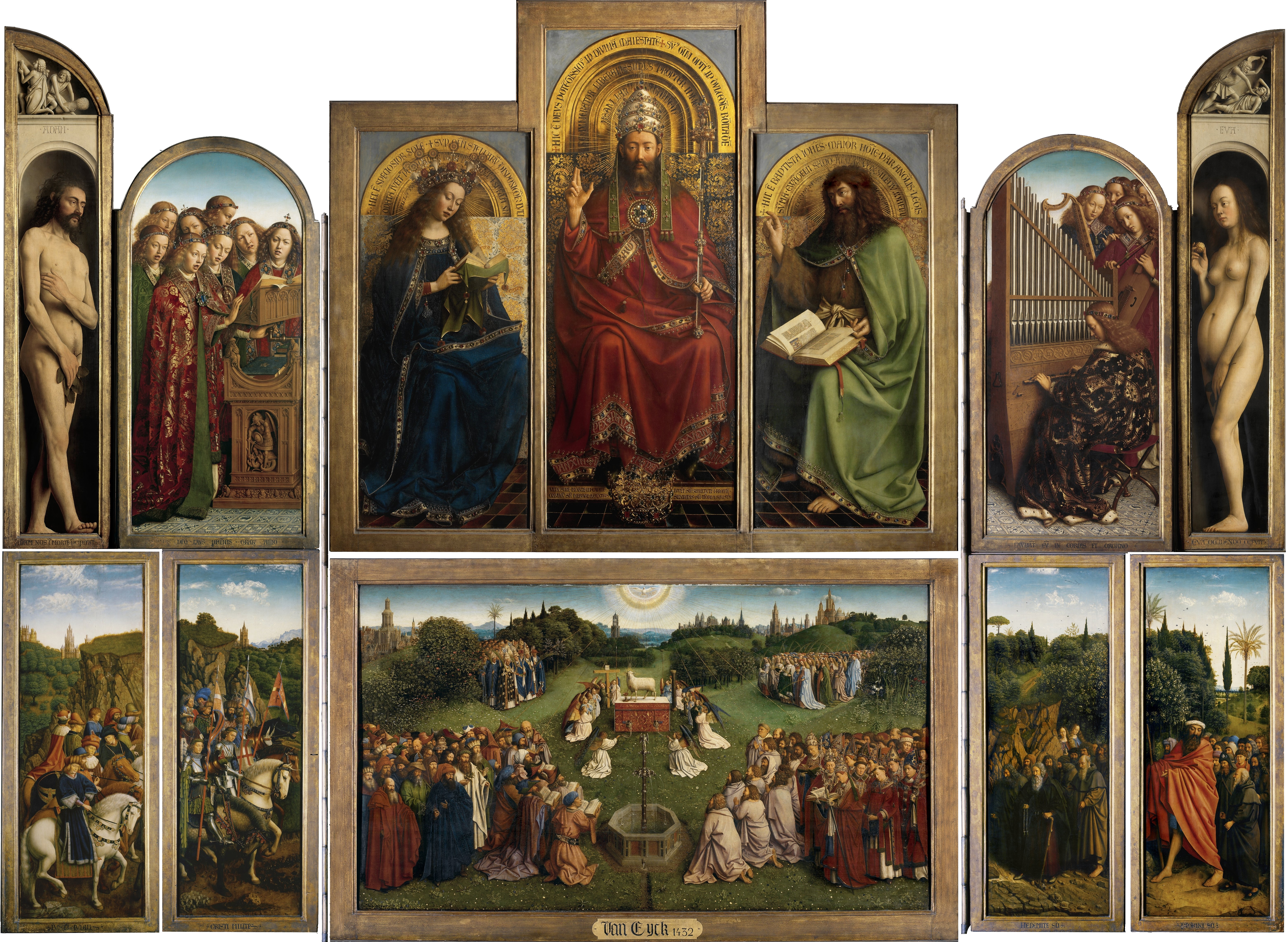
St Bavo's Cathedral (Sint-Baafskathedraal) is a Gothic masterpiece and the most important church in Ghent, famous above all as the home of the Ghent Altarpiece — the *Adoration of the Mystic Lamb* by Hubert and Jan van Eyck (1432), widely considered one of the most significant artworks in Western civilization.
 Gravensteen (Castle of the Counts)Attraction · 1.3h · €14
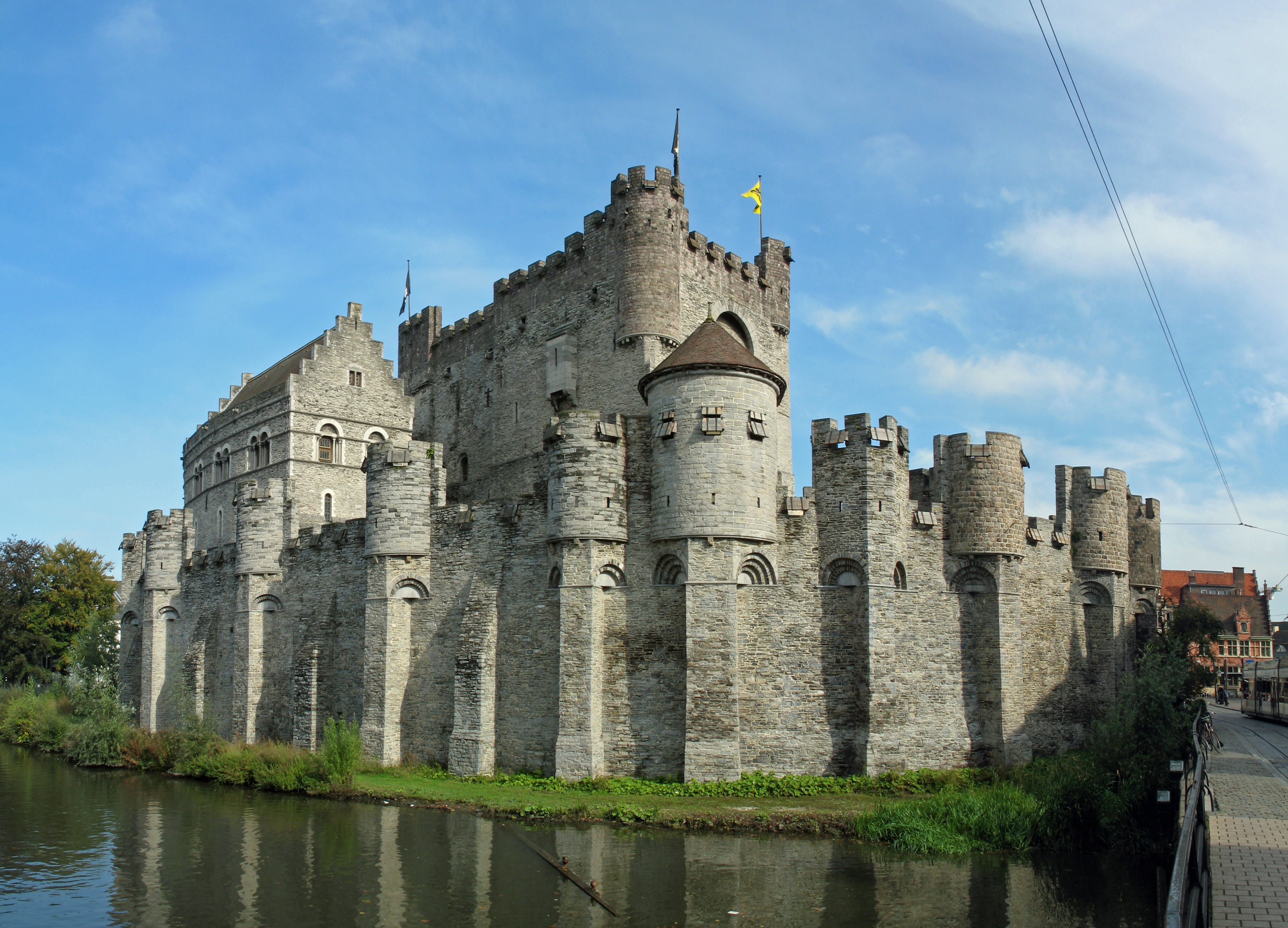
The Gravensteen (Castle of the Counts) is a forbidding 12th-century stone fortress in the heart of Ghent, complete with a moat, turrets, and a well-preserved keep. It was the seat of the Counts of Flanders and served as a court, prison, and factory before becoming a museum.
 St Nicholas' ChurchAttraction · 25 min · Free
Sint-Niklaaskerk (St Nicholas' Church) is one of the oldest and most prominent churches in Ghent, built in the 13th century in Scheldt Gothic style. Its distinctive blue-grey Tournai limestone facade forms the middle tower of Ghent's famous three-tower skyline.
- Ghent Market HallAttraction · 15 min · Free
The Ghent Market Hall (Stadshal) is a contemporary canopy structure between the Belfry and St Nicholas' Church, designed by Robbrecht en Daem architects. It houses the tourist office, a Ghent mustard shop, and a public space for events.
 St Peter's AbbeyAttraction · 1h · Free
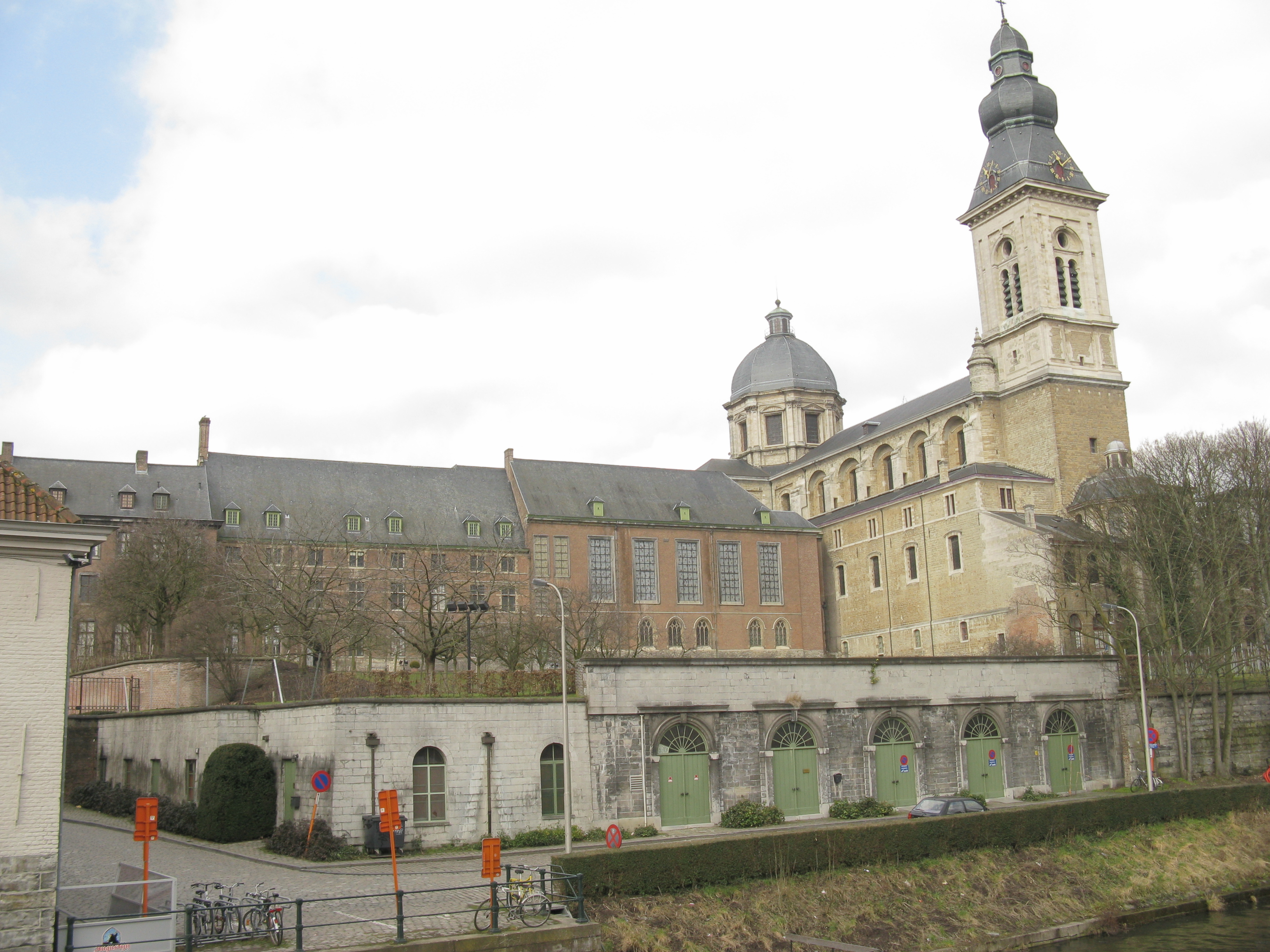
Sint-Pietersabdij (St Peter's Abbey) is one of the oldest abbeys in Flanders, founded in the 7th century. The sprawling complex includes Baroque buildings, a herb garden, vineyard, and art exhibition spaces set around tranquil cloistered courtyards.
 PrinsenhofAttraction · 15 min · Free
The Prinsenhof (Prince's Court) was the grand medieval palace where Emperor Charles V was born on 24 February 1500. Once one of the largest palaces in Europe, only fragments survive — including the entrance gate and a wing that now houses a hotel.
 Graslei & KorenleiAttraction · 30 min · Free
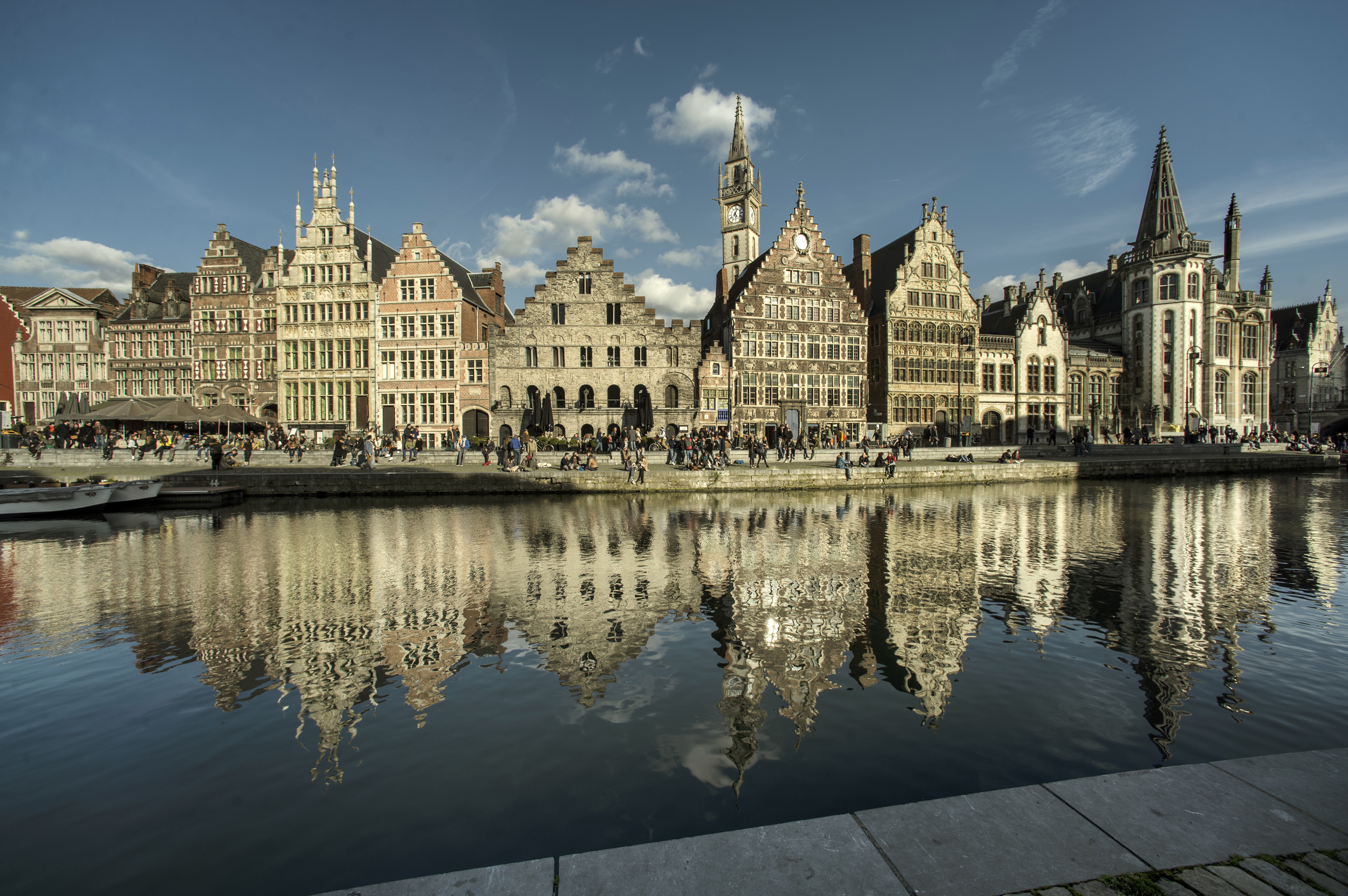
The Graslei and Korenlei are twin medieval quays facing each other across the Leie River at the heart of old Ghent. Lined with spectacular guild houses from the 12th to 17th centuries, they create Ghent's most iconic waterfront panorama.
 Ghent Beguinage (Groot Begijnhof)Attraction · 20 min · Free
The Groot Begijnhof Sint-Elisabeth (Great Beguinage) is a tranquil walled compound of whitewashed houses and a church, founded in 1234. One of 13 Flemish Beguinages inscribed on the UNESCO World Heritage List.
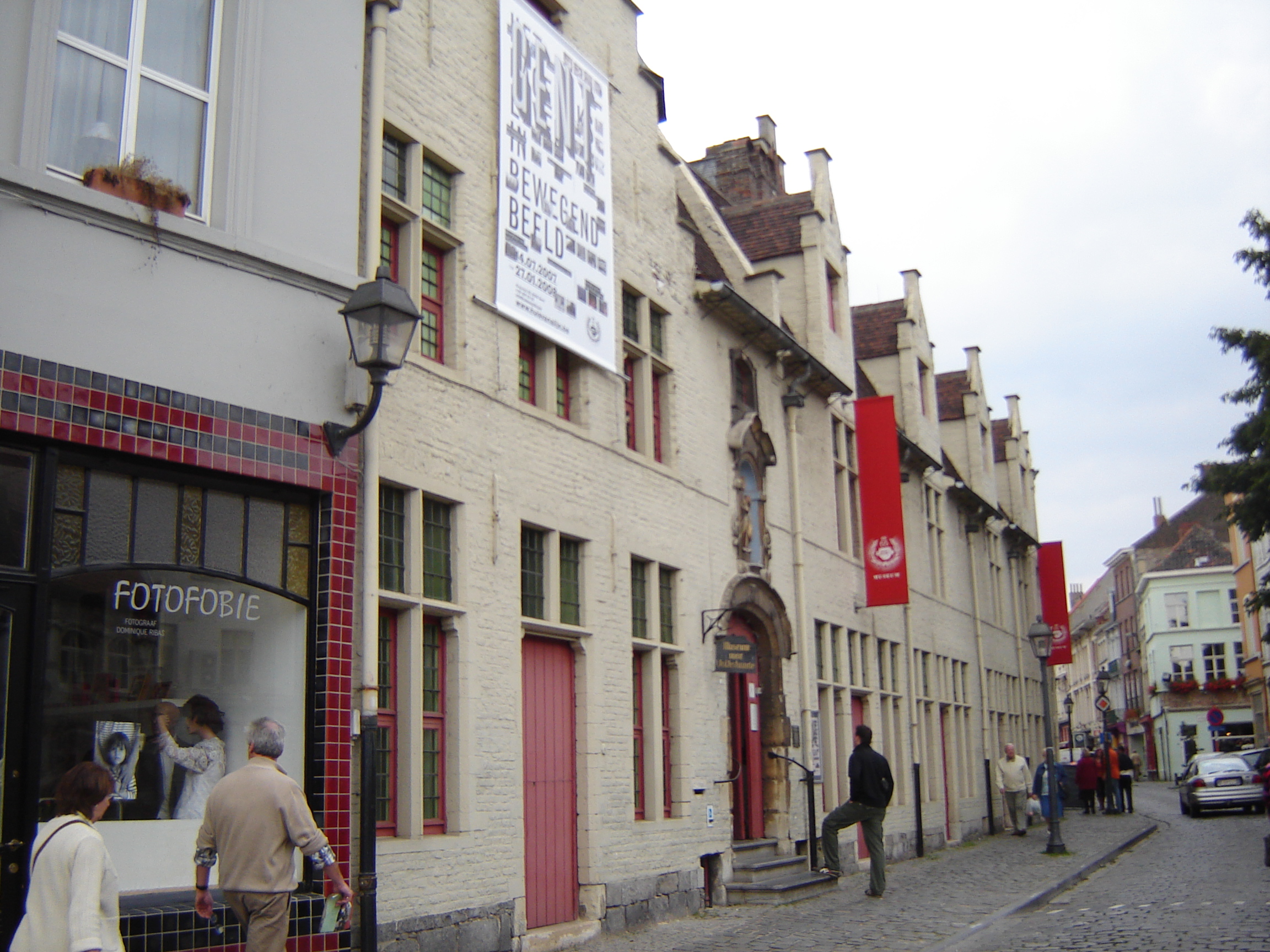 KraanleiAttraction · 15 min · Free
Kraanlei is one of Ghent's most picturesque canal-side streets, stretching along the Leie north of the Gravensteen. Its step-gabled houses, many with ornamental facades, are among the finest in the city.
 Graffiti Street (Werregarenstraat)Attraction · 15 min · Free
Werregarenstraat (Graffiti Street) is a narrow alley officially designated as a legal graffiti zone by the city of Ghent. Every surface is covered in ever-changing murals, tags, and street art — a stark contrast to the medieval architecture just meters away.