Loading city...
Skip to main content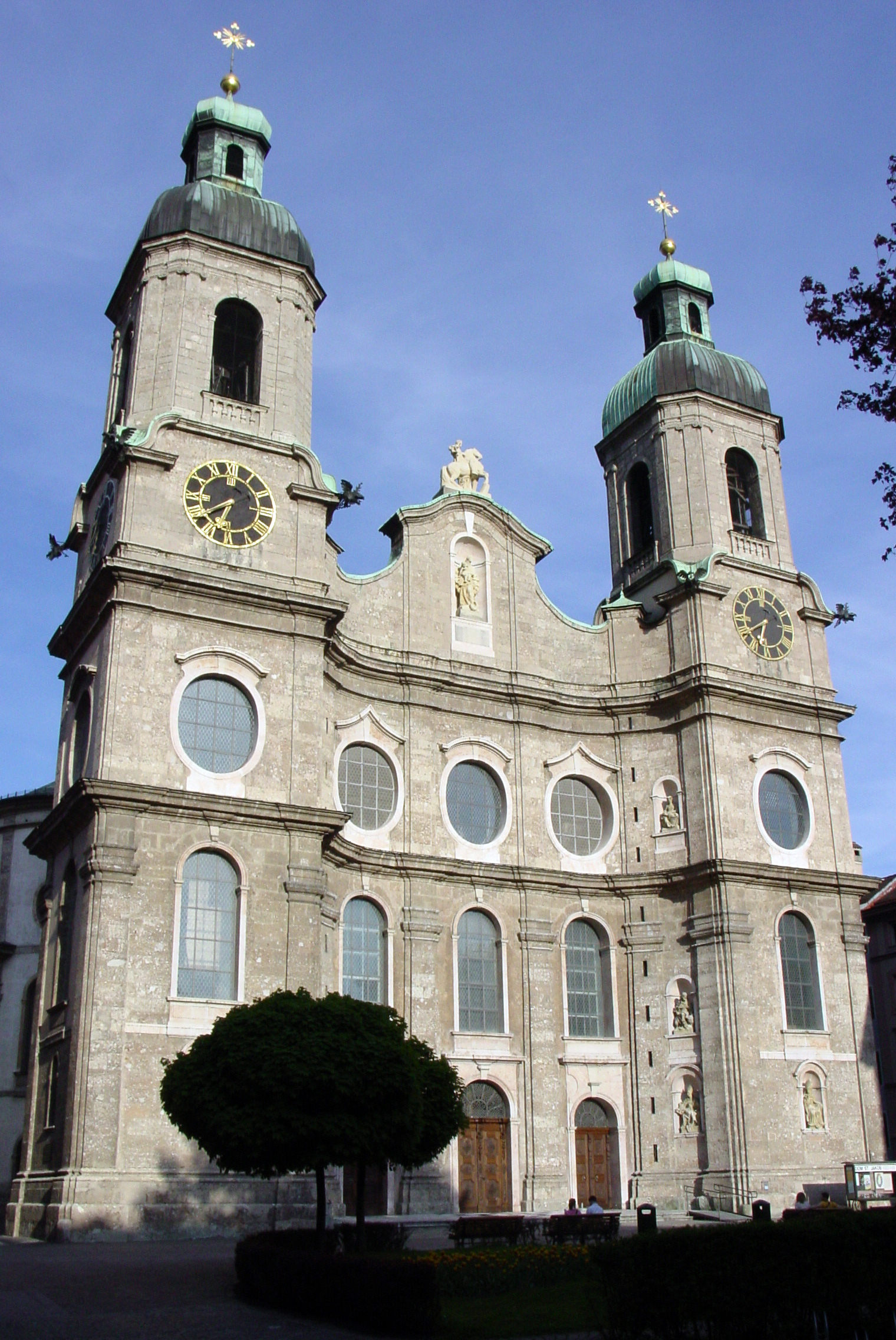
Attractions in Innsbruck
9 attractions selected in this guide.
 Basilica WiltenAttraction · 20 min · Free
The Wiltener Basilika is one of the finest Rococo churches in Austria, located in the Wilten district south of the Altstadt. Its exterior is relatively plain, but the interior explodes with gold, frescoes, and ornamental stuccowork.
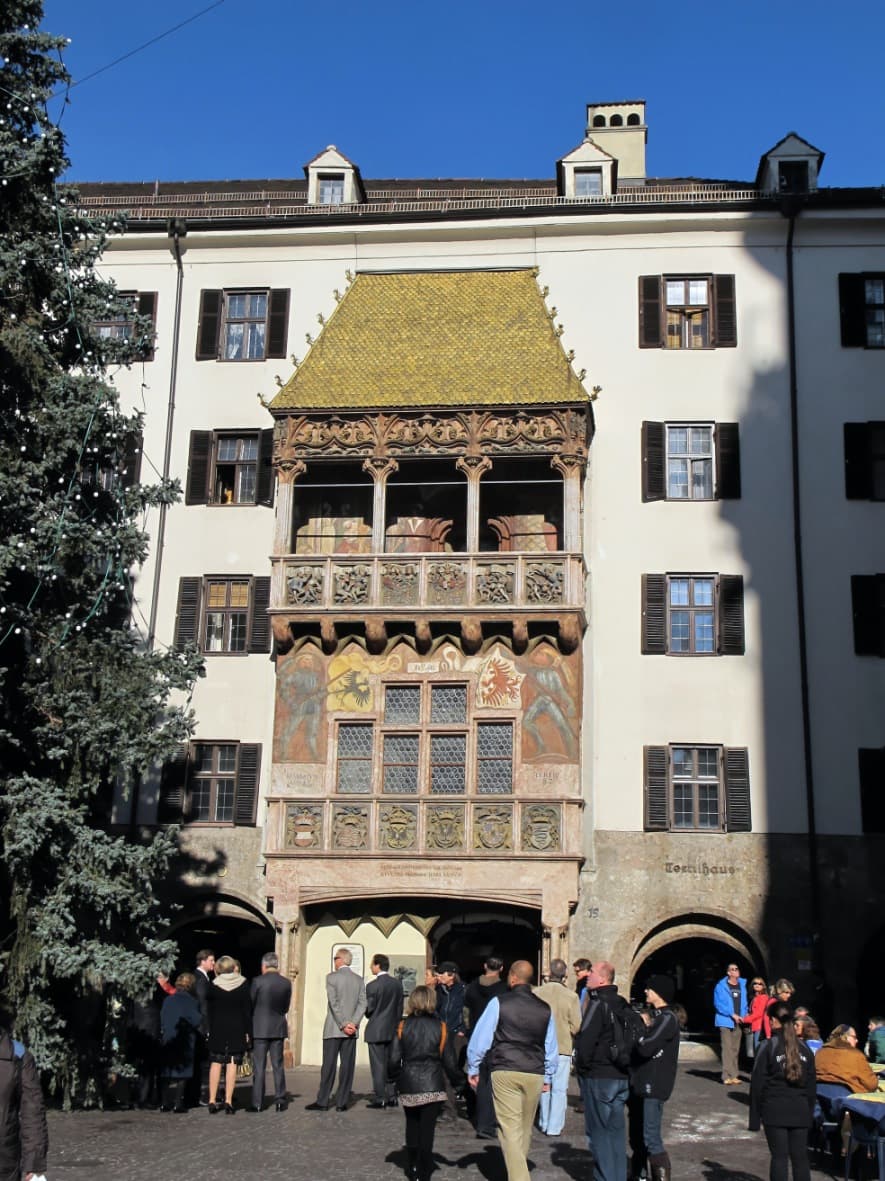 Golden Roof (Goldenes Dachl)Attraction · 20 min · Free
The Goldenes Dachl (Golden Roof) is Innsbruck's most famous landmark, a late-Gothic oriel window added to the Neuer Hof (New Court) residence in 1500. Its roof of 2,657 fire-gilded copper tiles glitters above Friedrich-Straße, catching light reflected off the Nordkette mountains.
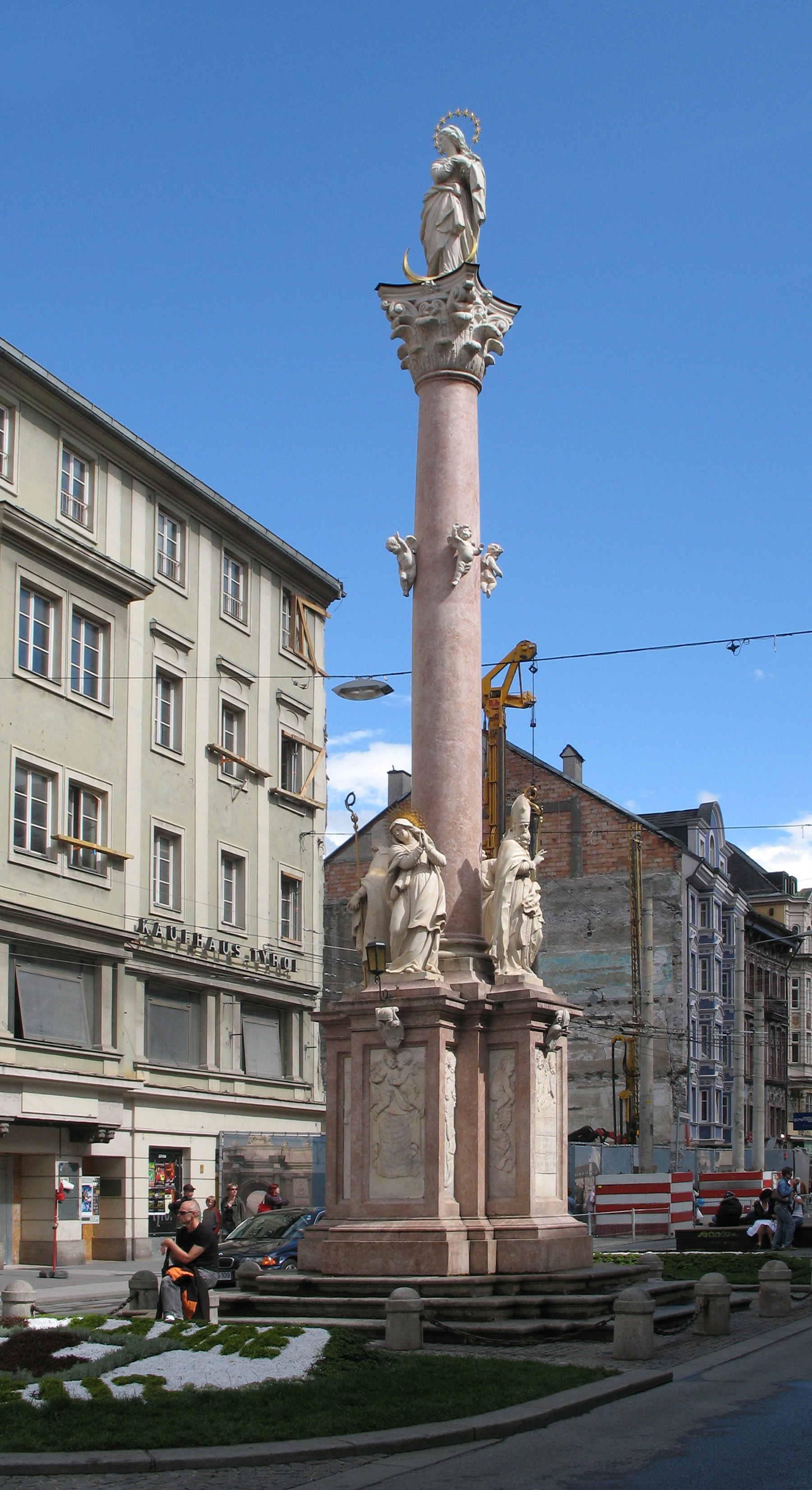 Annasäule (St. Anne's Column)Attraction · 10 min · Free
The Annasäule (St. Anne's Column) is a 13-metre Baroque column standing at the centre of Maria-Theresien-Straße. Crowned by a statue of the Virgin Mary, its base features statues of Saints Anne, George, Vigilius, and Kassian.
- Dom zu St. Jakob (Cathedral of St. James)Attraction · 30 min · Free
The Dom zu St. Jakob (Cathedral of St. James) is Innsbruck's Baroque cathedral, distinguished by its lavish ceiling frescoes by Cosmas Damian Asam and its prized painting, the Mariahilf (Our Lady of Succour) by Lucas Cranach the Elder.
 Hofkirche (Court Church)Attraction · 45 min · €8
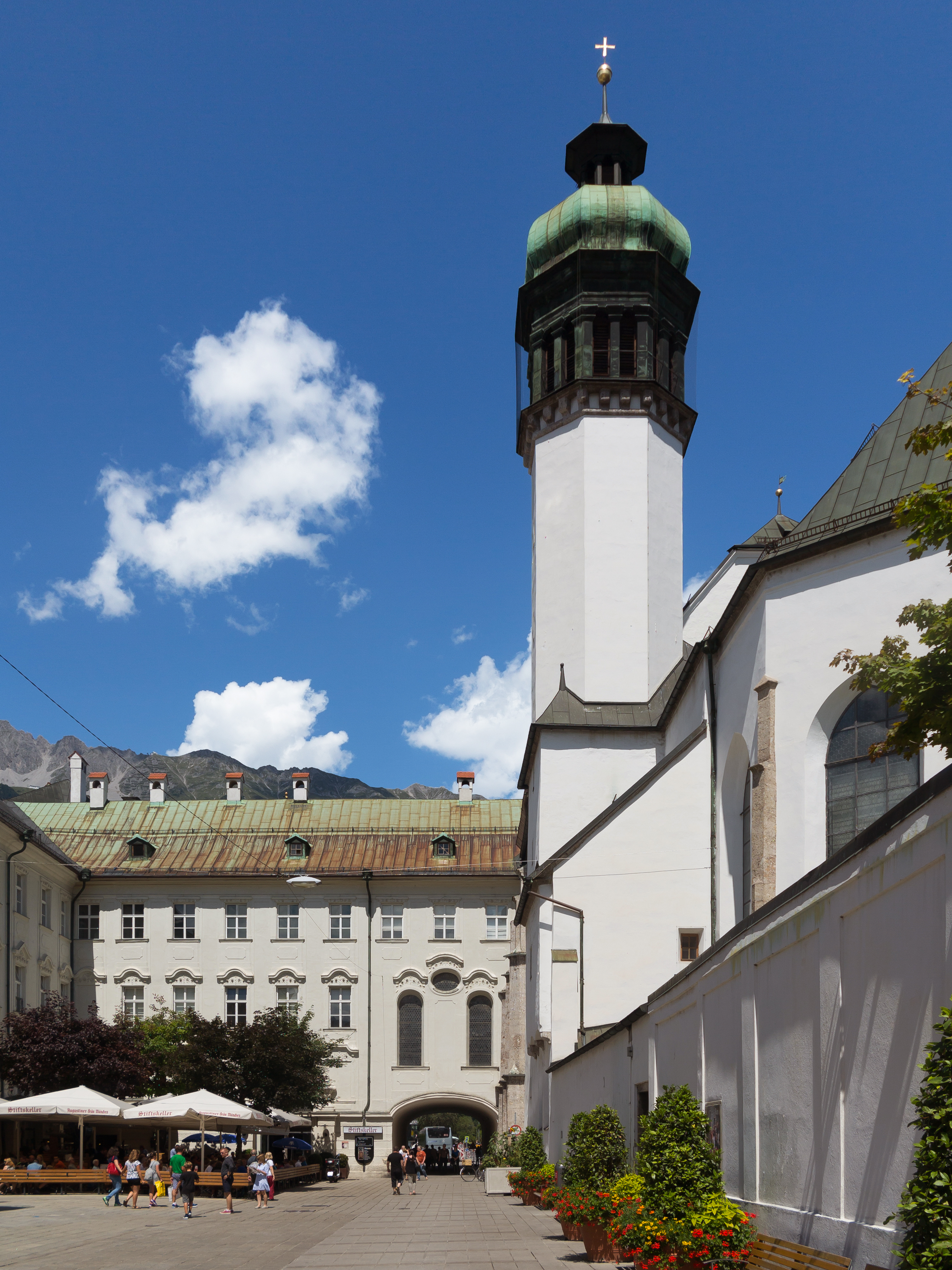
The Hofkirche (Court Church) was built between 1553 and 1563 to house the monumental cenotaph of Emperor Maximilian I. The centrepiece is surrounded by 28 larger-than-life bronze statues of real and legendary figures from Maximilian's lineage, known locally as the 'Schwarze Mander' (Black Men).
 HelblinghausAttraction · 10 min · Free
The Helblinghaus is a medieval townhouse on Herzog-Friedrich-Straße, directly opposite the Golden Roof, famous for its exuberant Rococo stucco facade added in 1730. The ornate plasterwork — shells, garlands, fruit, and scrollwork — makes it one of the most decorated secular buildings in Tyrol.
 Triumphpforte (Triumphal Arch)Attraction · 10 min · Free
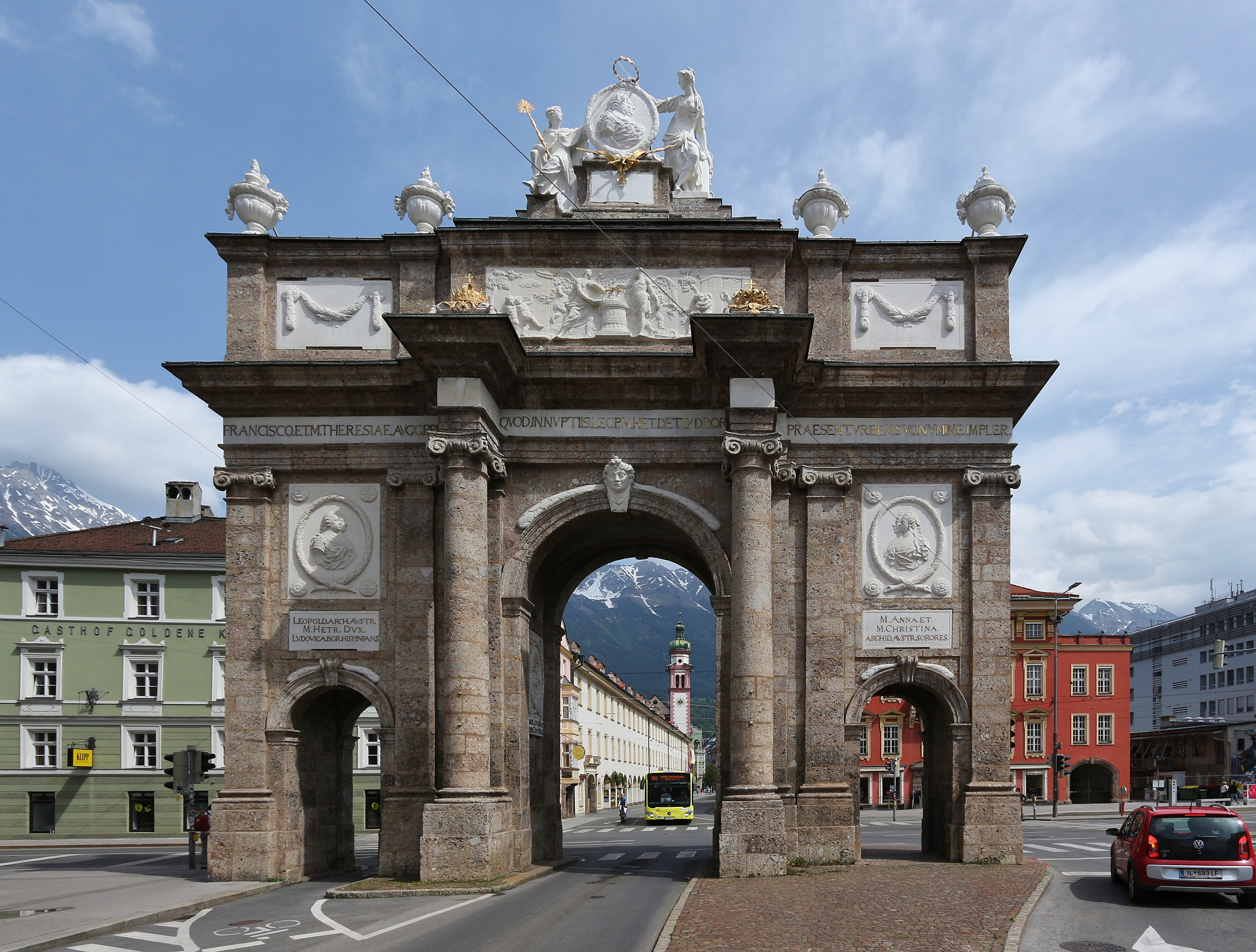
The Triumphpforte (Triumphal Arch) stands at the southern end of Maria-Theresien-Straße, serving as a gateway between the inner city and the southern suburbs. Uniquely, it commemorates both joy and sorrow — a wedding and a death that occurred on the same day.
 Inn River Coloured Houses (Mariahilf)Attraction · 15 min · Free
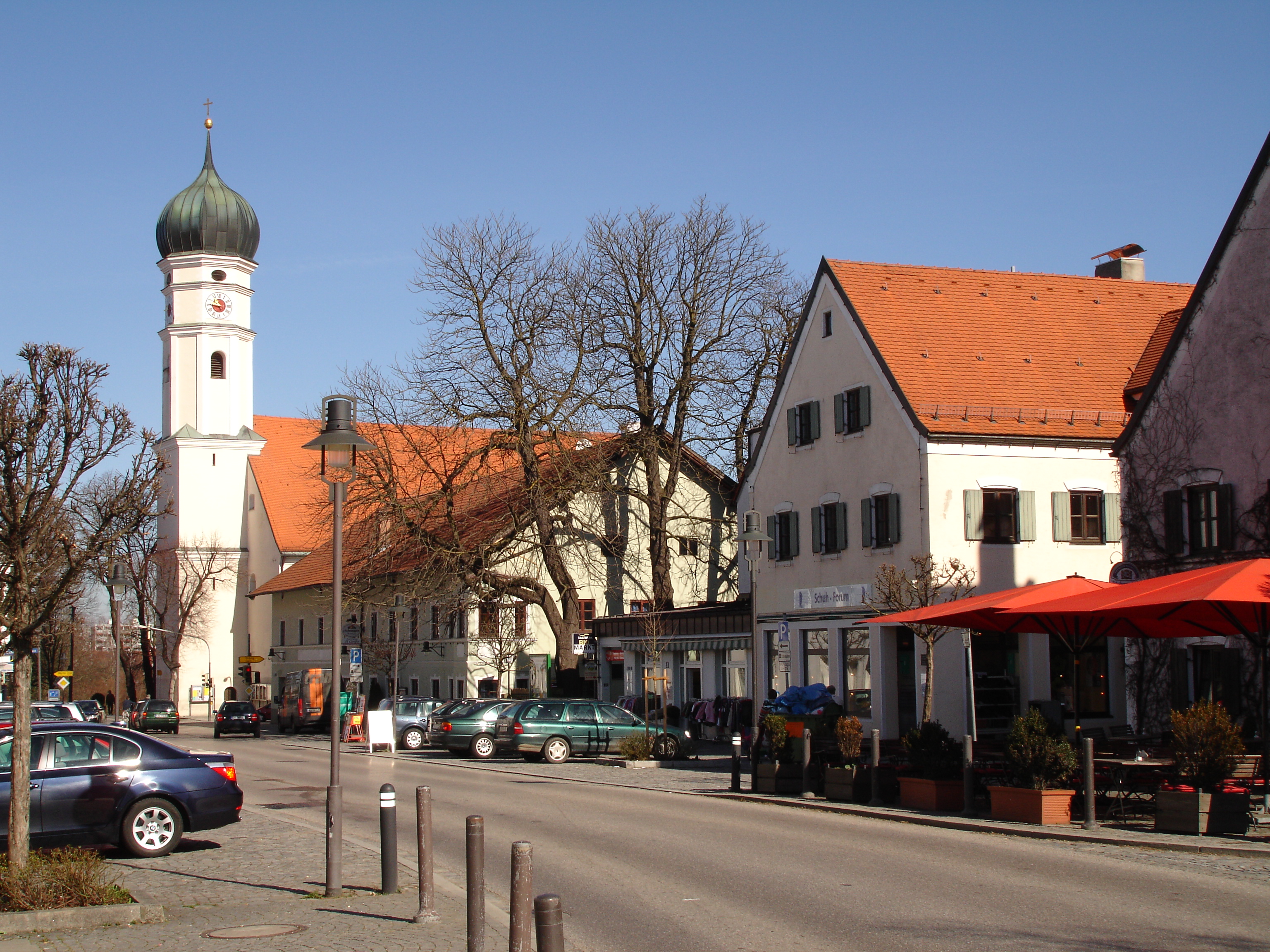
The Mariahilf coloured houses are a row of tall, narrow buildings lining the northern bank of the Inn River in the Mariahilf-St. Nikolaus district. Their pastel-painted facades — pink, yellow, green, terracotta — reflected in the river create Innsbruck's most iconic and photographed cityscape.
 Stift Wilten (Wilten Abbey)Attraction · 30 min · Free
Stift Wilten (Wilten Abbey) is a Premonstratensian monastery founded in 1138, located south of the Altstadt. The abbey is home to the Wiltener Sängerknaben (Wilten Boys' Choir), one of the oldest and most respected boys' choirs in the world.