Loading place...
Skip to main content
Photos
5 images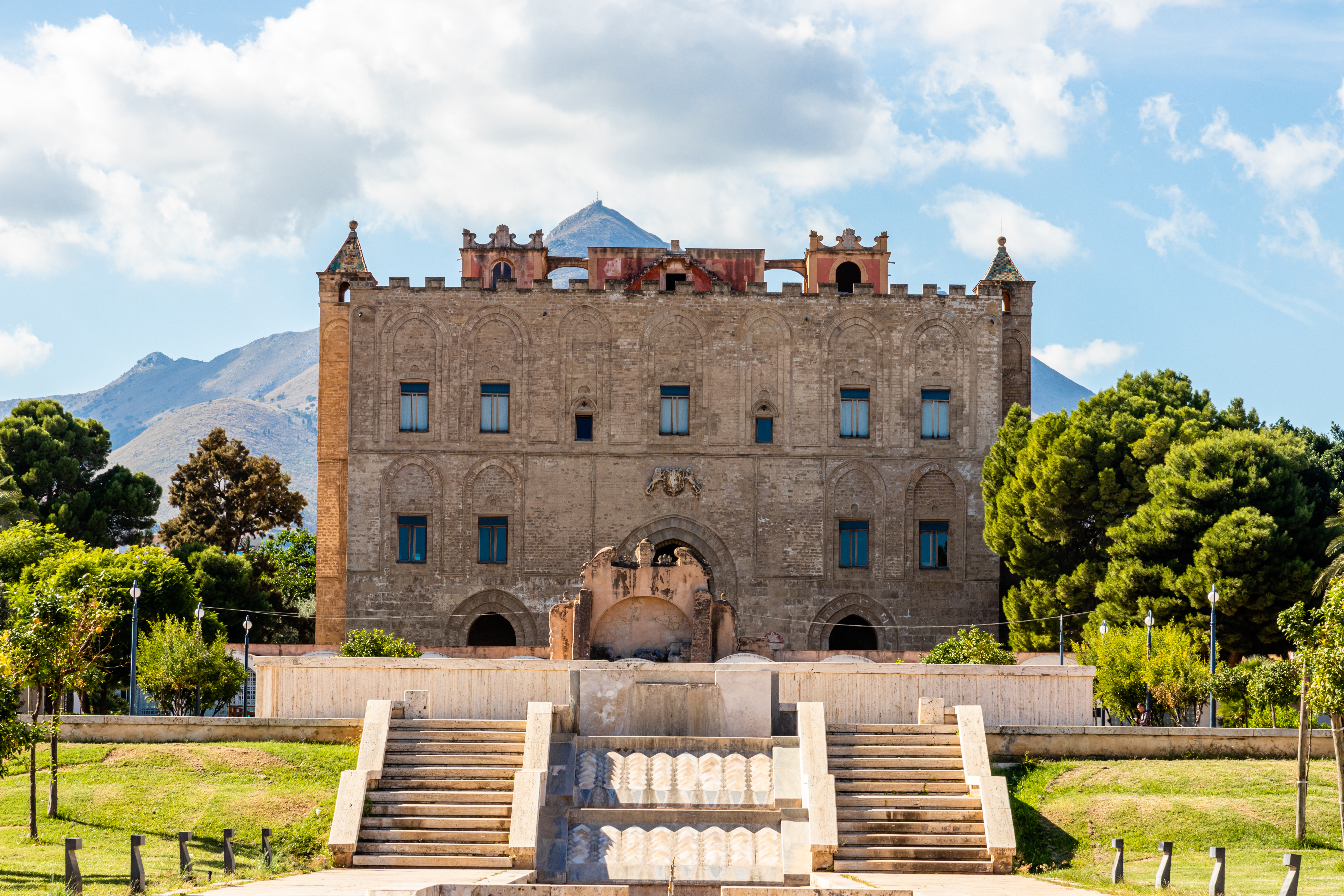



Duration
60 min
Entry Fee
€7
Overview
La Zisa (from the Arabic al-Azīza, 'the splendid') is a 12th-century pleasure palace built for the Norman King William I. Its Fatimid-inspired architecture, muqarnas vaults, and water features make it one of the finest surviving examples of Arab-Norman art.
Highlights
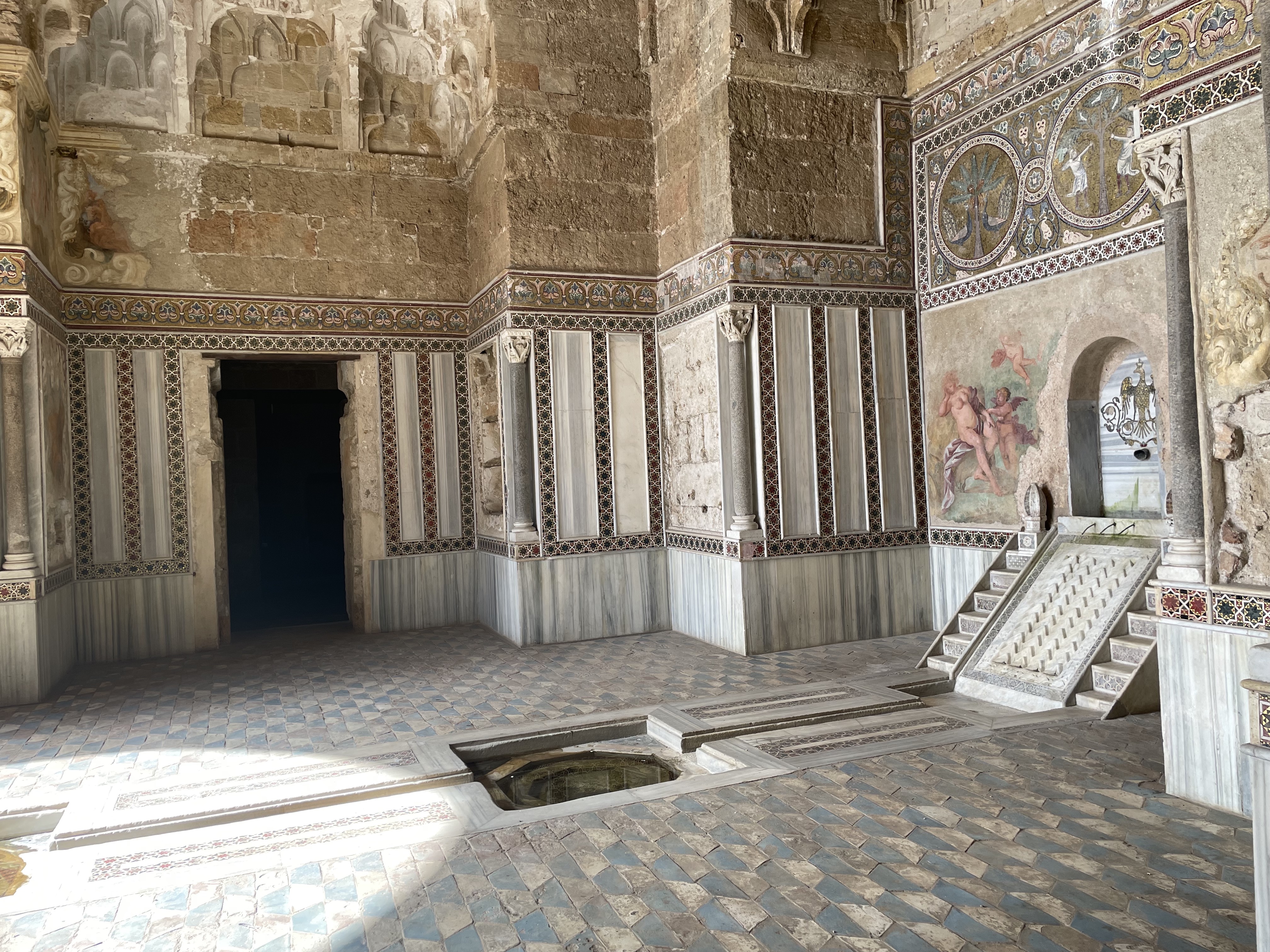
- Fountain Hall: A ground-floor room with a wall fountain, water channel, and muqarnas ceiling — designed to cool the interior.
- Islamic Art Museum: Upstairs galleries display carved wood, ceramics, and metalwork from the Islamic world.
- Exterior: A symmetrical three-storey façade with blind arcades characteristic of Fatimid palaces.
History
William I began construction in 1165; William II completed it around 1180. Abandoned after the fall of the Normans, it was fortified by the Chiaramonte family and later fell into ruin. A full restoration was completed in 1991.
Visitor Tips
- Tip 1: Visit the fountain hall first when the sunlight catches the water.
- Tip 2: Part of the UNESCO Arab-Norman itinerary; combine with Palazzo dei Normanni.
- Duration: 45–60 minutes.
Tags
#architecture#history#medieval#unesco
Location
See something wrong with this page? Help us fix it →