Loading place...
Skip to main content
Photos
5 images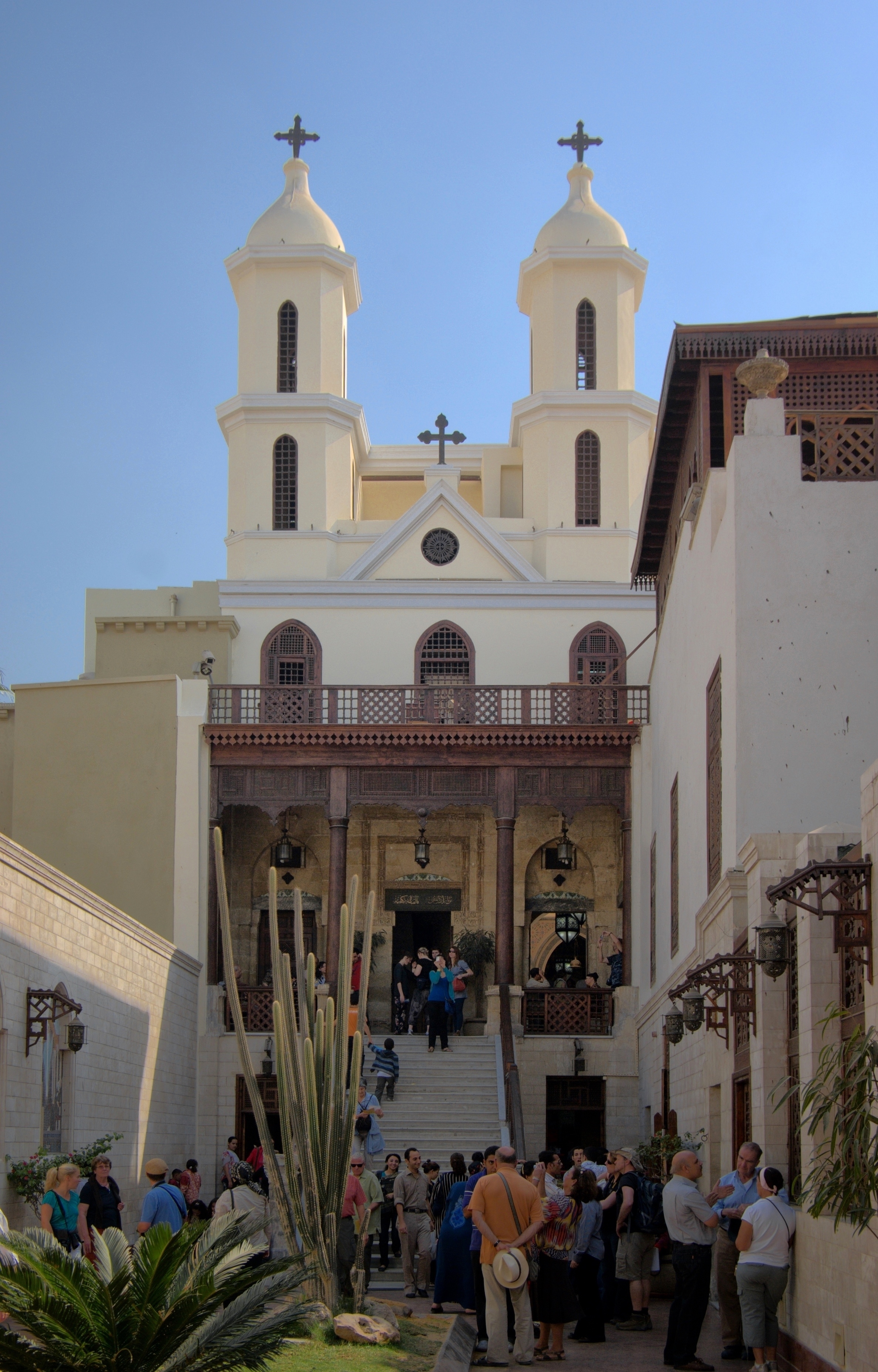


Duration
90 min
Entry Fee
EGP280
Overview
The Coptic Museum in Old Cairo houses the world's largest collection of Coptic Christian art and artifacts, spanning Egypt's early Christian period from the 3rd to the 19th century.
Highlights
- Nag Hammadi Codices: Original copies of the Gnostic Gospels, discovered in 1945, including the famous Gospel of Thomas.
- Coptic Textiles: Stunning examples of late-antique Egyptian weaving with vivid colours and mythological scenes.
- Woodwork and Icons: Carved wooden panels from early churches and brilliantly coloured icons showing the unique Coptic artistic tradition.
History
Founded in 1908 by Marcus Simaika Pasha within the compound of the Babylon Fortress, the museum was designed to preserve Egypt's Christian heritage at a time when colonial-era collectors were shipping it abroad.
Visitor Tips
- Combine with Coptic Cairo: The museum shares the fortress compound with the Hanging Church, Ben Ezra Synagogue, and several ancient churches.
- Small but Dense: Don't rush — the collection is smaller than the Egyptian Museum but exceptionally curated.
- Duration: 1–1.5 hours.
Tags
#history#art#religious
Location
See something wrong with this page? Help us fix it →