Loading place...
Skip to main content
Photos
5 images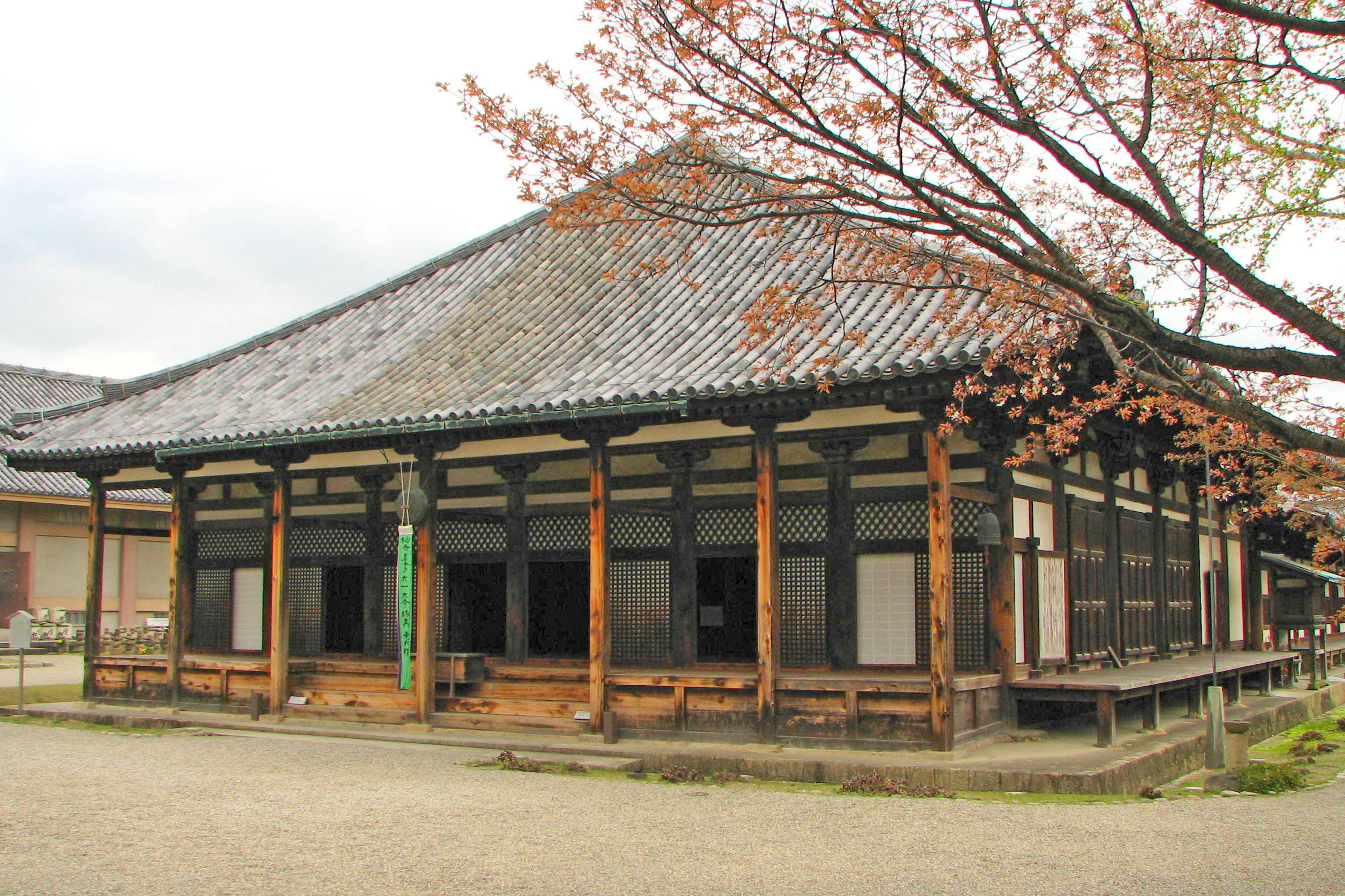


Duration
40 min
Entry Fee
¥500
Overview
Gangō-ji is one of the Seven Great Temples of ancient Nara and a UNESCO World Heritage Site, remarkable for its roof tiles — some dating from the 6th century, making them the oldest roof tiles still in use anywhere in Japan.
Highlights
- Ancient Roof Tiles: The rear section of the main hall preserves original tiles from the Asuka period (6th century), visually distinct from later replacements and representing 1,400 years of continuous use.
- Stone Buddhist Figures: The rear garden contains a serene collection of stone Buddhist figures and stupas gathered from around the temple grounds over centuries.
- Naramachi Integration: The temple sits at the heart of Naramachi, and the merchant quarter actually developed on its former temple grounds.
History
Originally founded in 588 as Asuka-dera — Japan's first full-scale Buddhist temple — it was relocated to Nara when the capital moved in 710. Though greatly reduced from its original vast scale, the surviving structures contain irreplaceable architectural elements spanning over a millennium.
Visitor Tips
- Tile Spotting: Ask staff to point out the Asuka-period tiles on the rear roof — they are darker and slightly different in shape from the later Nara-period tiles.
- Naramachi Combo: Combine with a walk through the surrounding Naramachi district for a half-day exploring Nara's quieter cultural heritage.
- Duration: 30–40 minutes.
Tags
#temple#unesco#history#hidden_gem
Links
Location
See something wrong with this page? Help us fix it →