Loading place...
Skip to main content
Photos
5 images


Duration
45 min
Entry Fee
Free
Overview
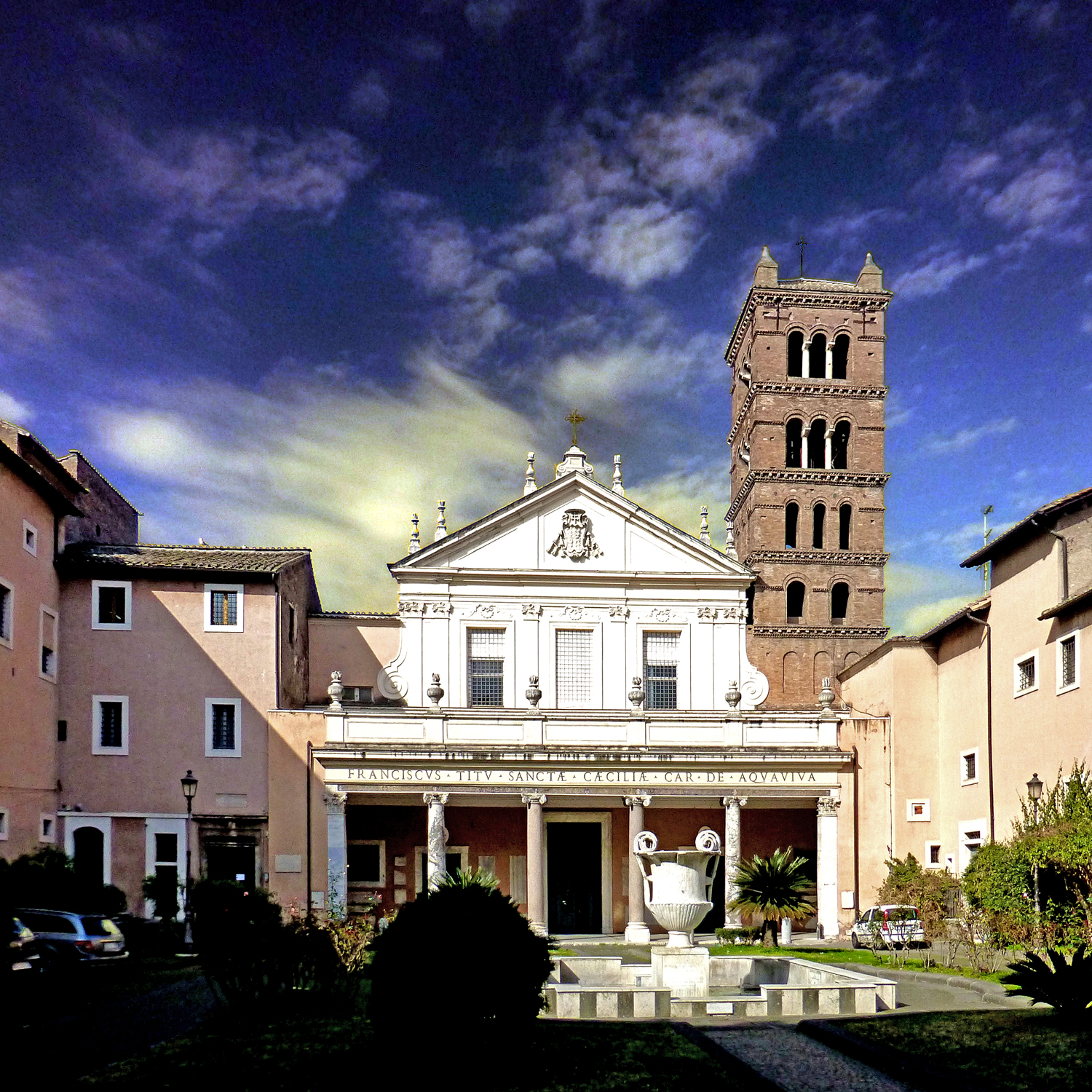
Hidden in a peaceful courtyard in Trastevere, Santa Cecilia is a profoundly moving, historic church dedicated to the patron saint of music, built over the ancient Roman house where she was notably martyred.
Highlights
- The Statue of Saint Cecilia: Stefano Maderno's hauntingly beautiful, tragic 1600 marble sculpture of the saint as her miraculously preserved body was allegedly found when her tomb was opened: lying on her side with the brutal axe marks clearly visible on her neck.
- The Cavallini Frescoes: Located in the nuns' choir (requires a small fee and specific timing to enter), Pietro Cavallini's stunningly brilliant, colorful 13th-century Last Judgment fresco masterpiece.
- The Roman Crypt: You can physically descend beneath the church into the massive, excavated brick ruins of Cecilia's actual 3rd-century Roman home and tannery.
History
According to preserved tradition, the noblewoman Cecilia was condemned to die in 230 AD for her Christian faith. The Romans tried to suffocate her in her own overheated bathhouse (the calidarium). When she miraculously survived after three days, an executioner struck her neck three times with an axe, but failed to decapitate her.
Visitor Tips
- Timing for Cavallini: The nuns strictly only allow visitors to see the masterful Cavallini frescoes during a very brief window (typically 10:00–12:30). Plan your visit around this if you love medieval art.
- Atmosphere: The sweeping courtyard garden outside is one of the most peaceful, quietest spots in chaotic Trastevere.
Tags
#religious#art#neighborhood#quiet
Links
Location
See something wrong with this page? Help us fix it →