Loading place...
Skip to main content
Photos
5 images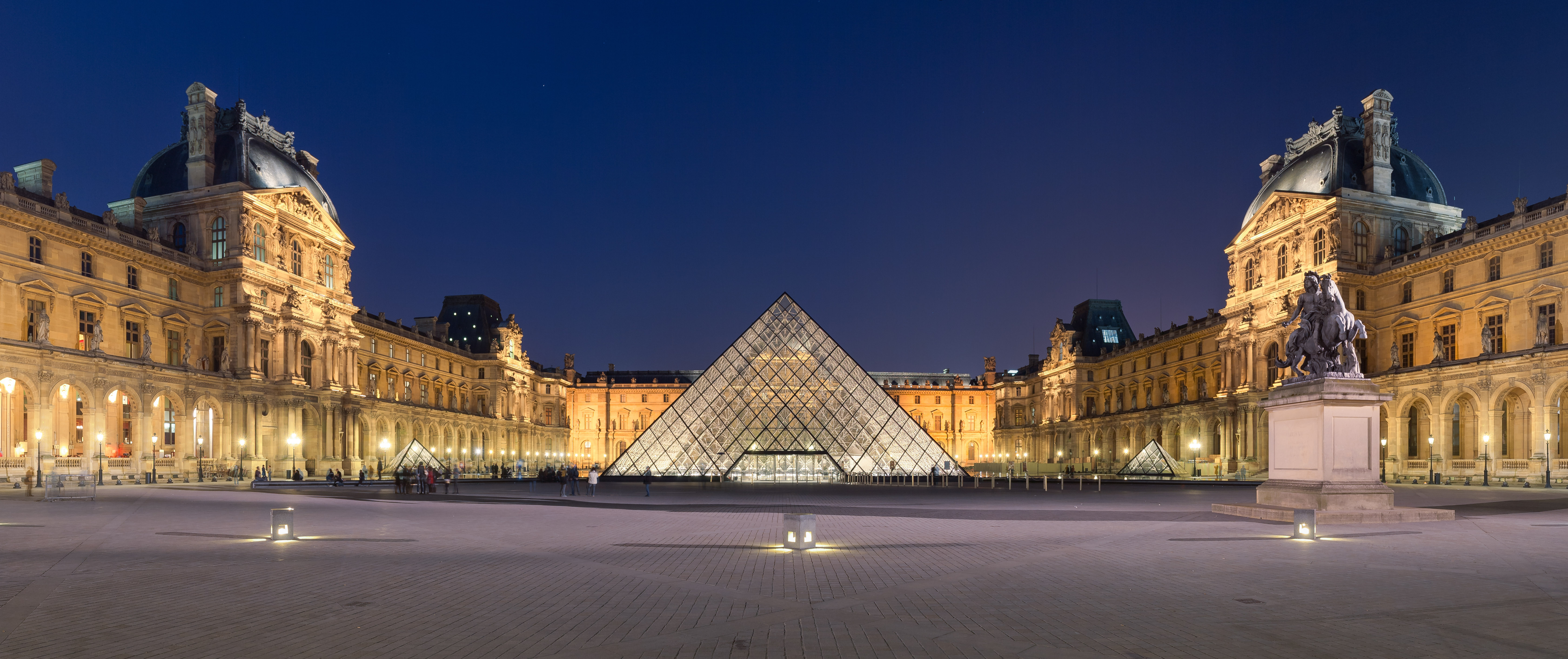


Duration
240 min
Entry Fee
€32
Overview
The Louvre is the world's largest art museum and a colossal historic monument sitting majestically along the Seine. Housed in a former royal palace, its staggering collection spans thousands of years of human history and creativity.
Highlights
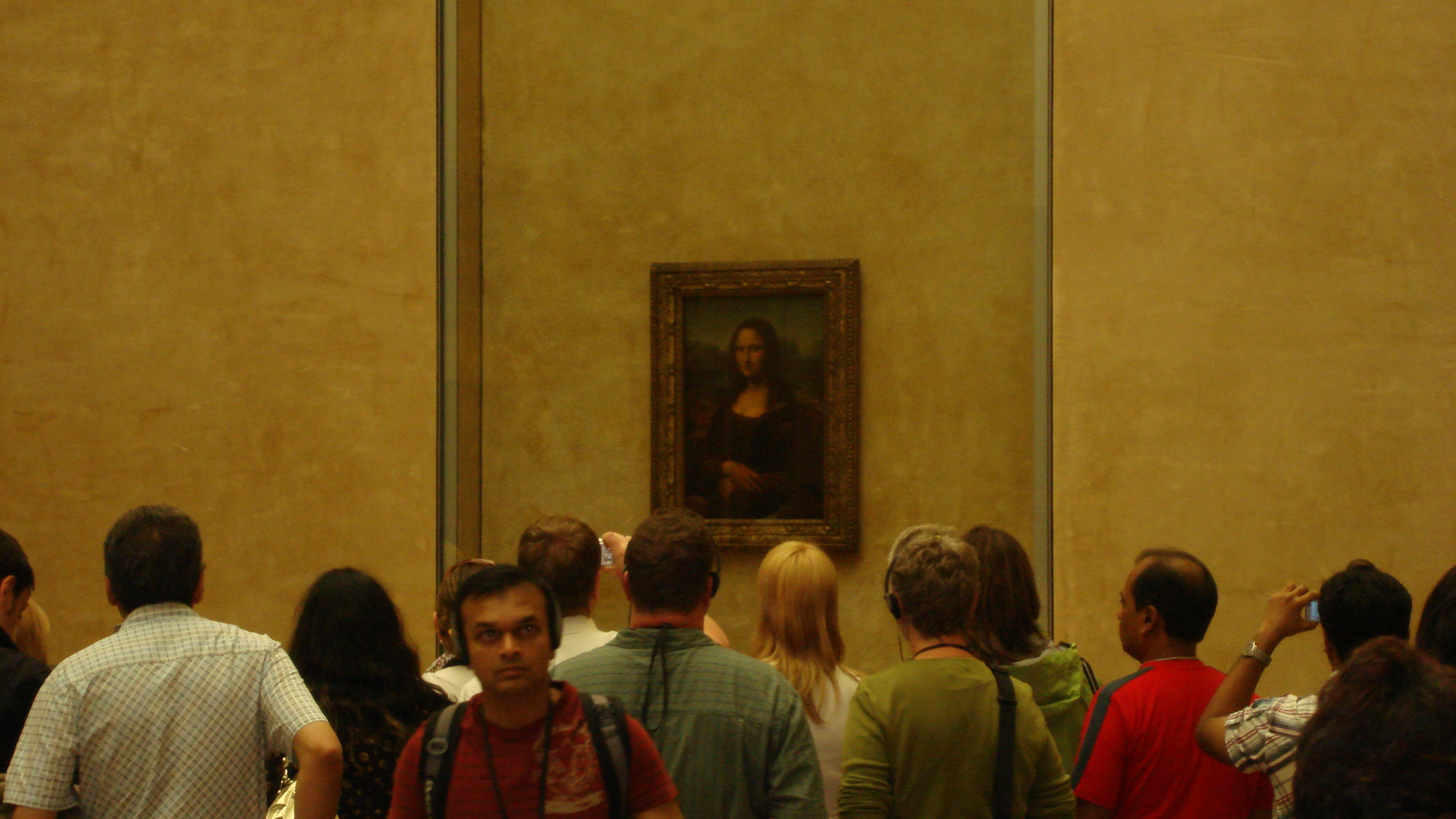
- The Mona Lisa: Leonardo da Vinci's enigmatic masterpiece.
- Venus de Milo: The iconic ancient Greek statue of Aphrodite renowned for its missing arms.
- The Glass Pyramid: I.M. Pei's brilliantly contrasting modern entrance sitting in the historical central courtyard.
History
Originally built as a defensive fortress in the late 12th century under Philip II, the building was extended numerous times to serve as the main residence of French kings. It was finally opened as a public museum during the French Revolution in 1793.
Visitor Tips
- Pacing: The Louvre is impossibly massive; attempting to see it all in one day will result in total museum fatigue. Pick a single wing or specific masterworks to focus on.
- Entry: Avoid the main Pyramid entrance; use the underground Carrousel du Louvre entrance for shorter lines.
- Duration: 3–4 hours minimum.
Tags
#art#history#iconic#museum#architecture
Location
See something wrong with this page? Help us fix it →