Loading place...
Skip to main content
Photos
5 images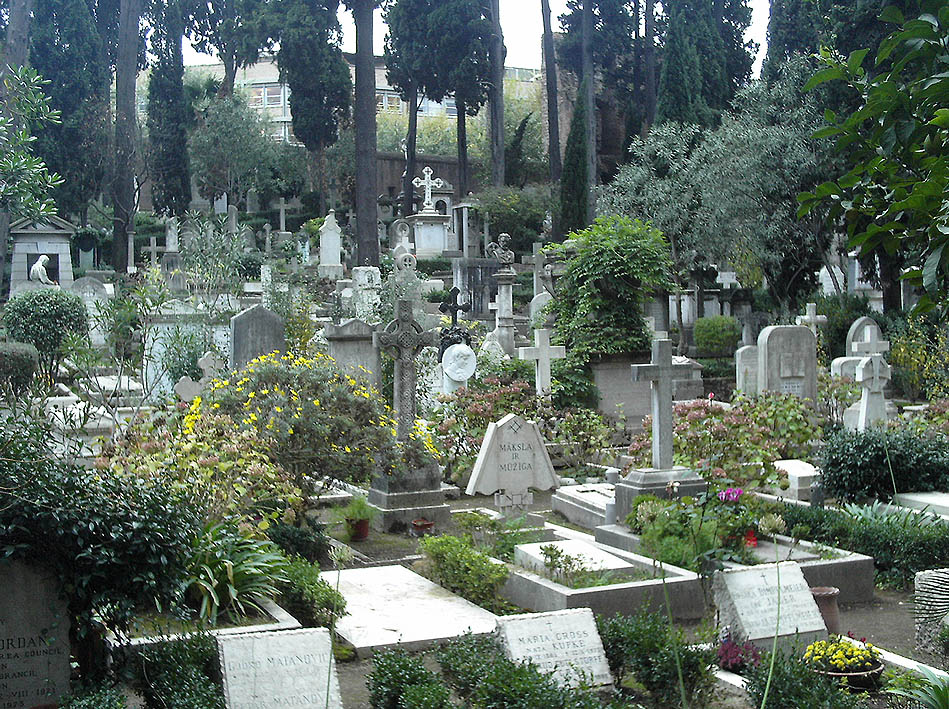


Duration
45 min
Entry Fee
Free
Overview
Hidden behind a massive ancient pyramid in the gritty Testaccio neighborhood, the Non-Catholic Cemetery (Cimitero Acattolico) is romantic, lush, and peaceful. It is the final resting place for foreigners, heretics, and exiles who died in Rome.
Highlights
- John Keats' Grave: The profoundly tragic, un-named tombstone of the brilliant Romantic poet who died in Rome at 25, bearing the famous epitaph: "Here lies One Whose Name was writ in Water."
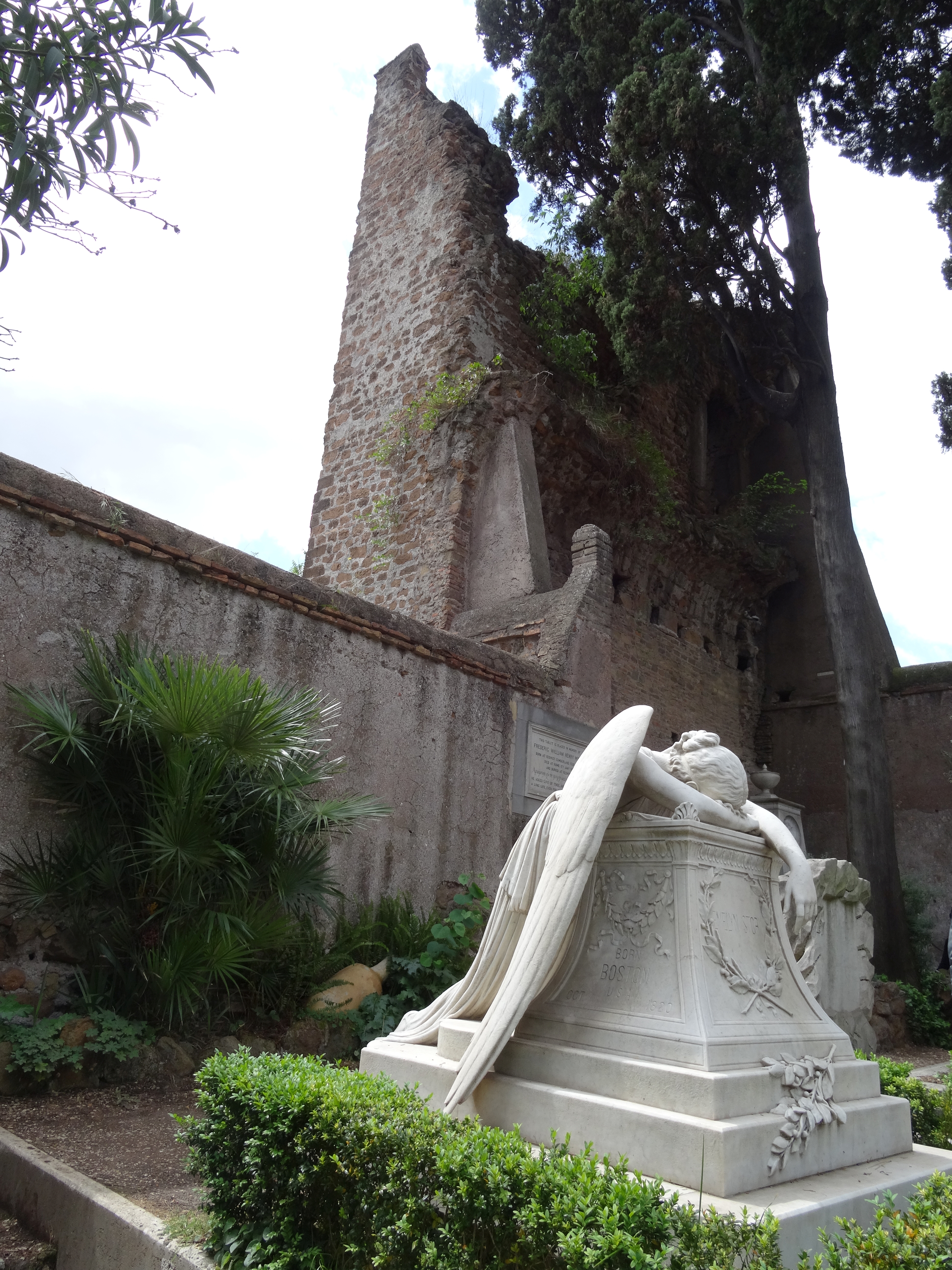
- The Angel of Grief: A stunningly beautiful, emotional, and duplicated marble sculpture depicting a weeping angel, carved by William Wetmore Story for his wife's grave in 1894.
- The Pyramid of Cestius: A colossal, preserved ancient Roman pyramid built in 12 BC that forms the soaring, dramatic backdrop to the older section of the cemetery.
History
Because papal law strictly forbade the burial of non-Catholics (especially Protestants and Jews) in consecrated ground, foreign diplomats and artists who died in Rome were relegated to this strip of land outside the city walls. It quickly became the ultimate, romanticized burial ground for the European elite making the Grand Tour in the 18th and 19th centuries.
Visitor Tips
- Atmosphere: Oscar Wilde notoriously called it "the holiest place in Rome." It is quiet and shaded by massive cypress trees, perfect for a contemplative walk.
- Cats: Like many Roman ruins, it operates a beloved sanctuary for dozens of feral cats who sleep peacefully on the historic tombs.
- : 45–60 minutes.
Tags
#history#nature#free_entry
Location
See something wrong with this page? Help us fix it →