Loading city...
Skip to main content
Museums in Nashville
6 museums selected in this guide.
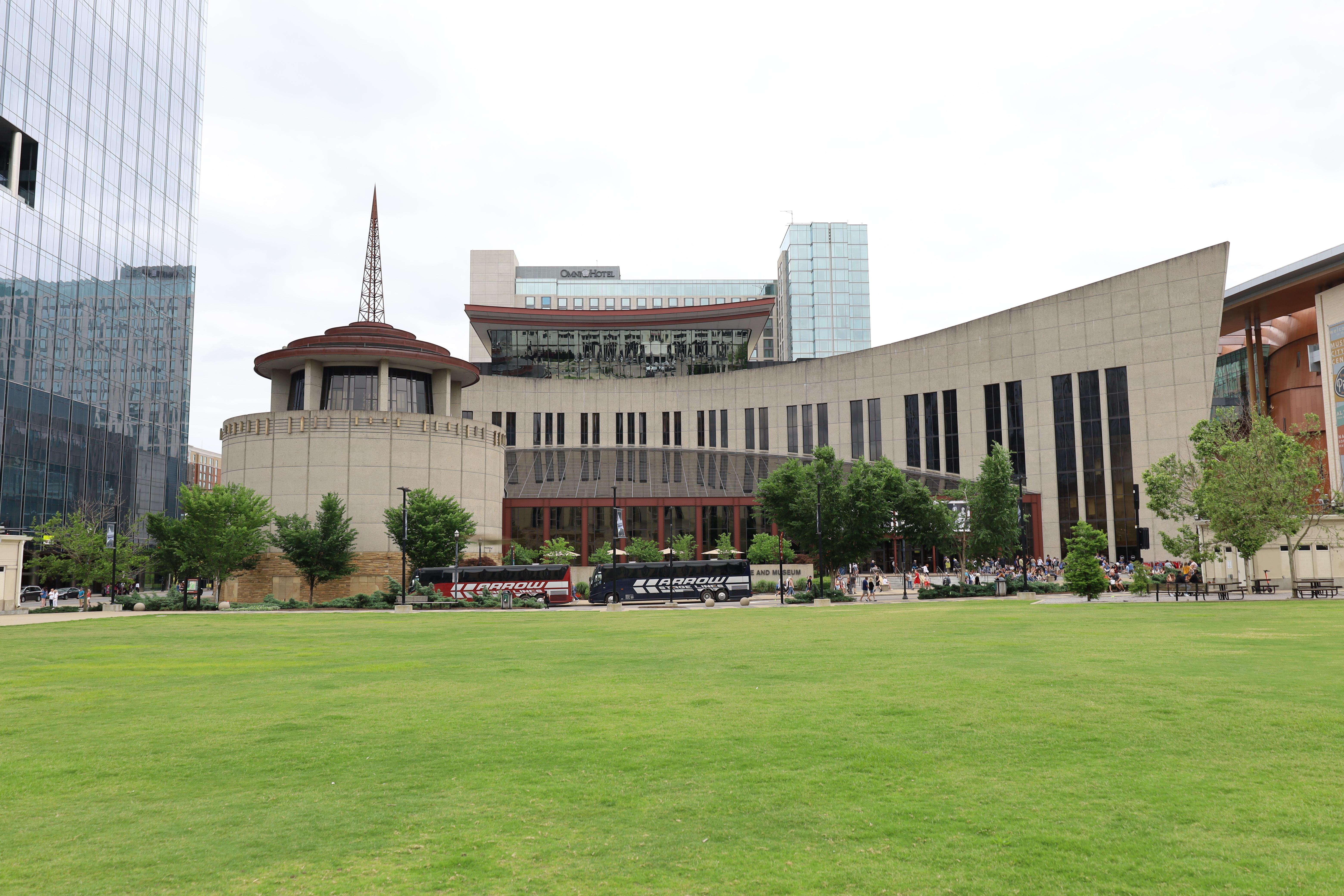 Country Music Hall of FameMuseum · 2h · $28
The Country Music Hall of Fame and Museum is a 350,000-square-foot institution on Nashville's Music Mile that chronicles the evolution of country music from its Appalachian folk roots to its modern-day crossover appeal. Opened in 2001 and designed by Tuck-Hinton Architects, the building itself is an architectural statement—its windows evoke piano keys, the roofline mirrors a vintage Cadillac tailfin, and the rotunda tower echoes a radio antenna.
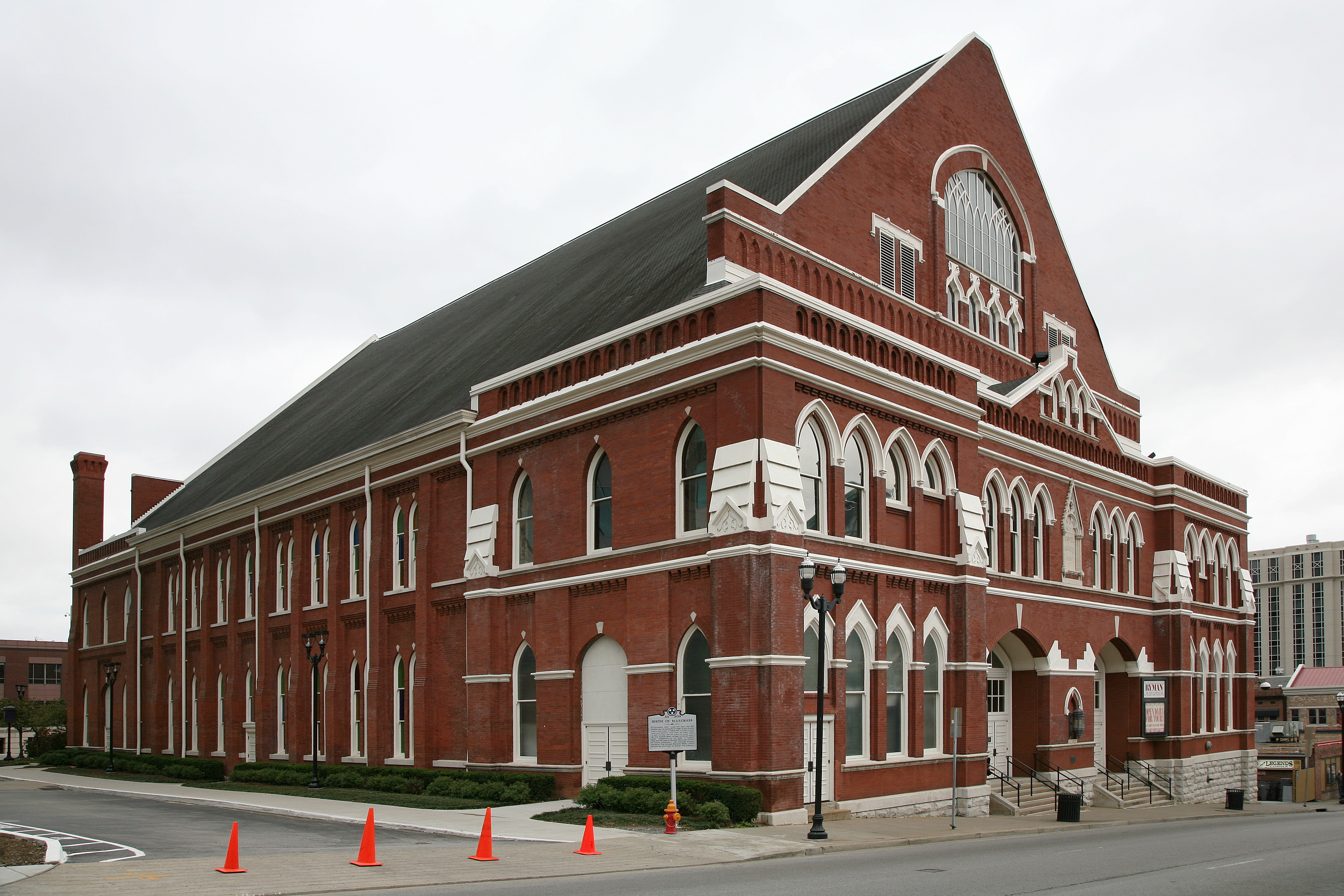 Ryman AuditoriumMuseum · 1.5h · $25
Known as the "Mother Church of Country Music," the Ryman Auditorium is a 2,362-seat venue that served as the home of the Grand Ole Opry from 1943 to 1974. Its exposed brick walls and stained-glass windows, remnants of its original 1892 life as the Union Gospel Tabernacle, give it an acoustics quality that artists consistently rank among the world's finest.
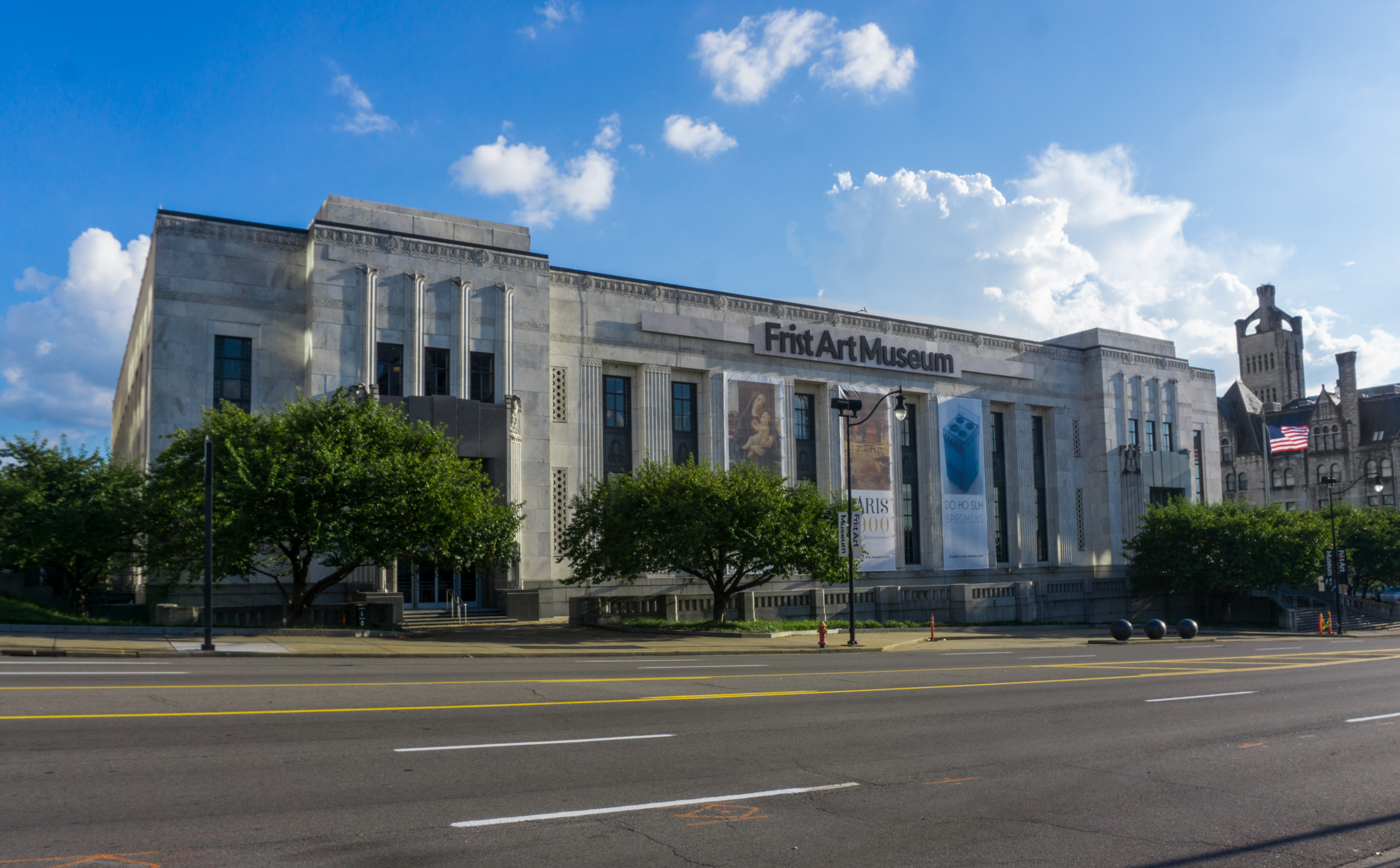 Frist Art MuseumMuseum · 2h · $15
The Frist Art Museum occupies Nashville's stunning 1934 Art Deco former main post office, a building designed by Marr and Holman with geometric friezes, aluminium grillwork, and a soaring marble lobby. The museum has no permanent collection—instead, it hosts a rotating slate of world-class travelling exhibitions.
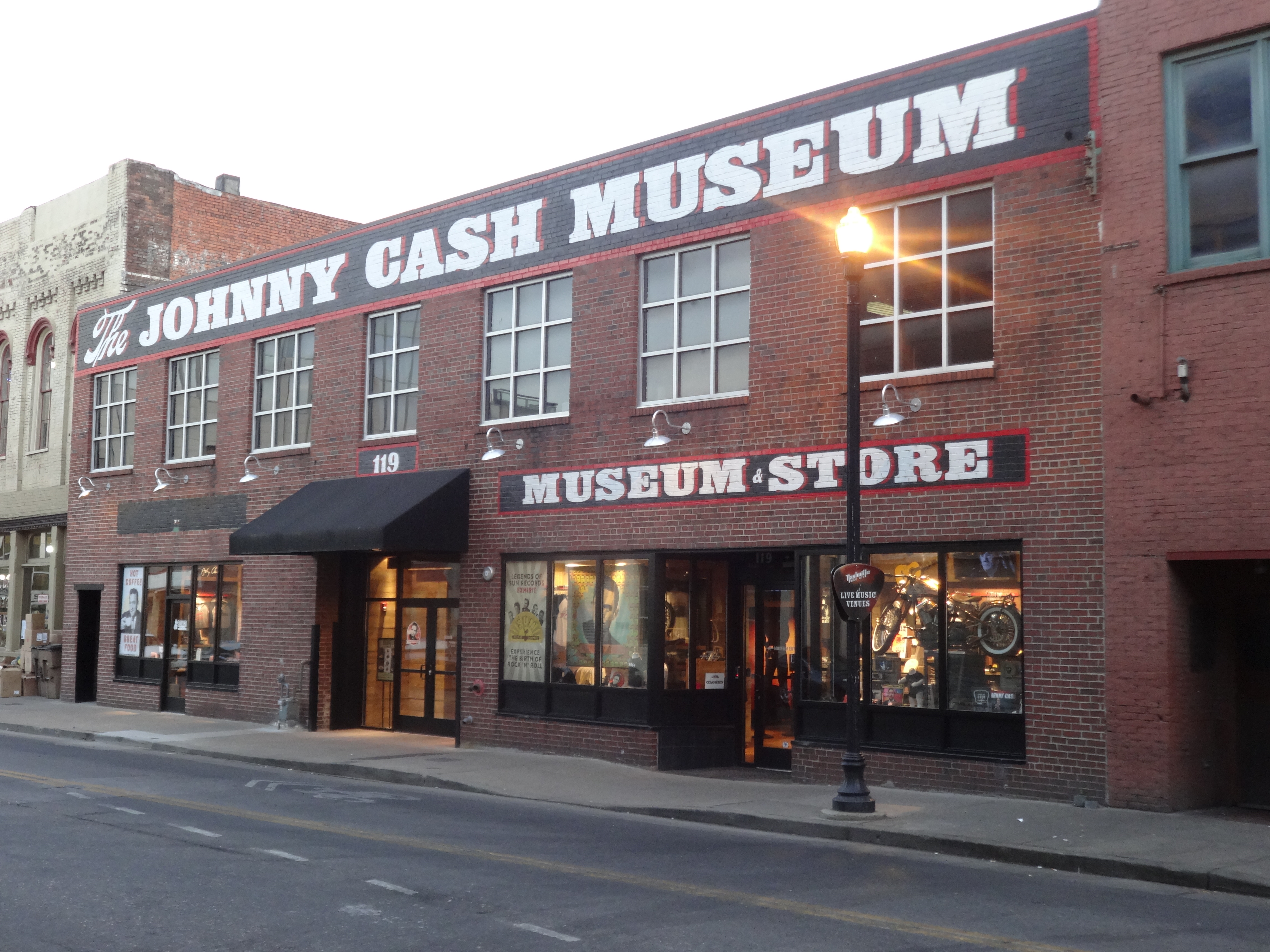 Johnny Cash MuseumMuseum · 1.3h · $24
Housed in a 19th-century building on Third Avenue South, the Johnny Cash Museum contains the world's largest collection of Cash artifacts and memorabilia. Founded by collector Bill Miller, the museum's intimate scale matches the personal nature of its exhibits—handwritten letters, stage-worn suits, and the original ring of fire.
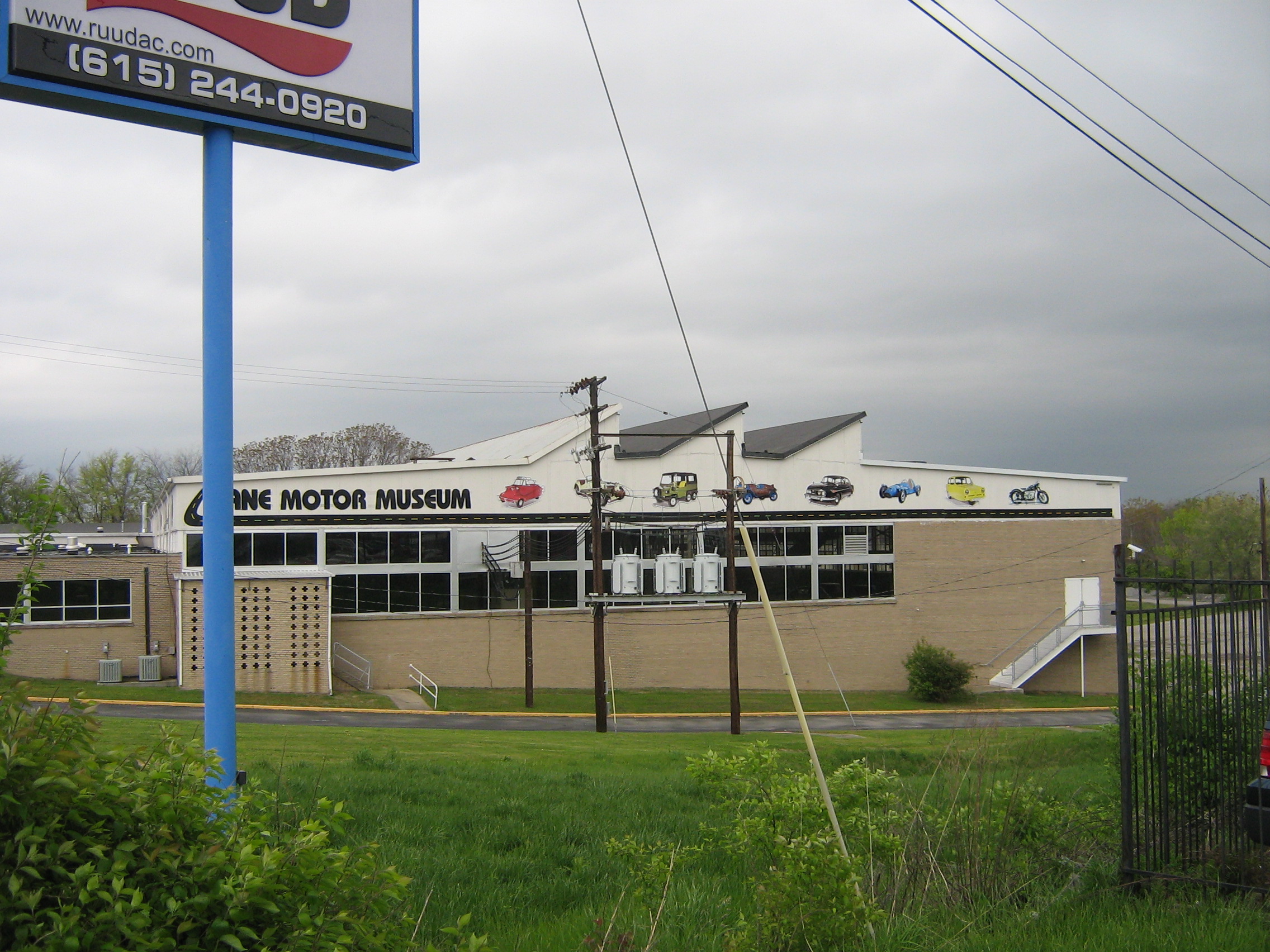 Lane Motor MuseumMuseum · 1.5h · $14
Tucked into a former bakery warehouse in South Nashville, the Lane Motor Museum houses over 500 vehicles—the largest European car collection in the United States. Founded by collector Jeff Lane, the museum specializes in the quirky, the experimental, and the forgotten side roads of automotive history.
 National Museum of African American MusicMuseum · 2h · $25
Opened in 2020, the National Museum of African American Music (NMAAM) is the only museum in the world dedicated to preserving and celebrating over 50 genres of music created, influenced, or inspired by African Americans. The 56,000-square-foot space on Broadway combines interactive technology with historical artifacts.