Loading city...
Skip to main content
Neighborhoods in Boston
7 neighborhoods selected in this guide.
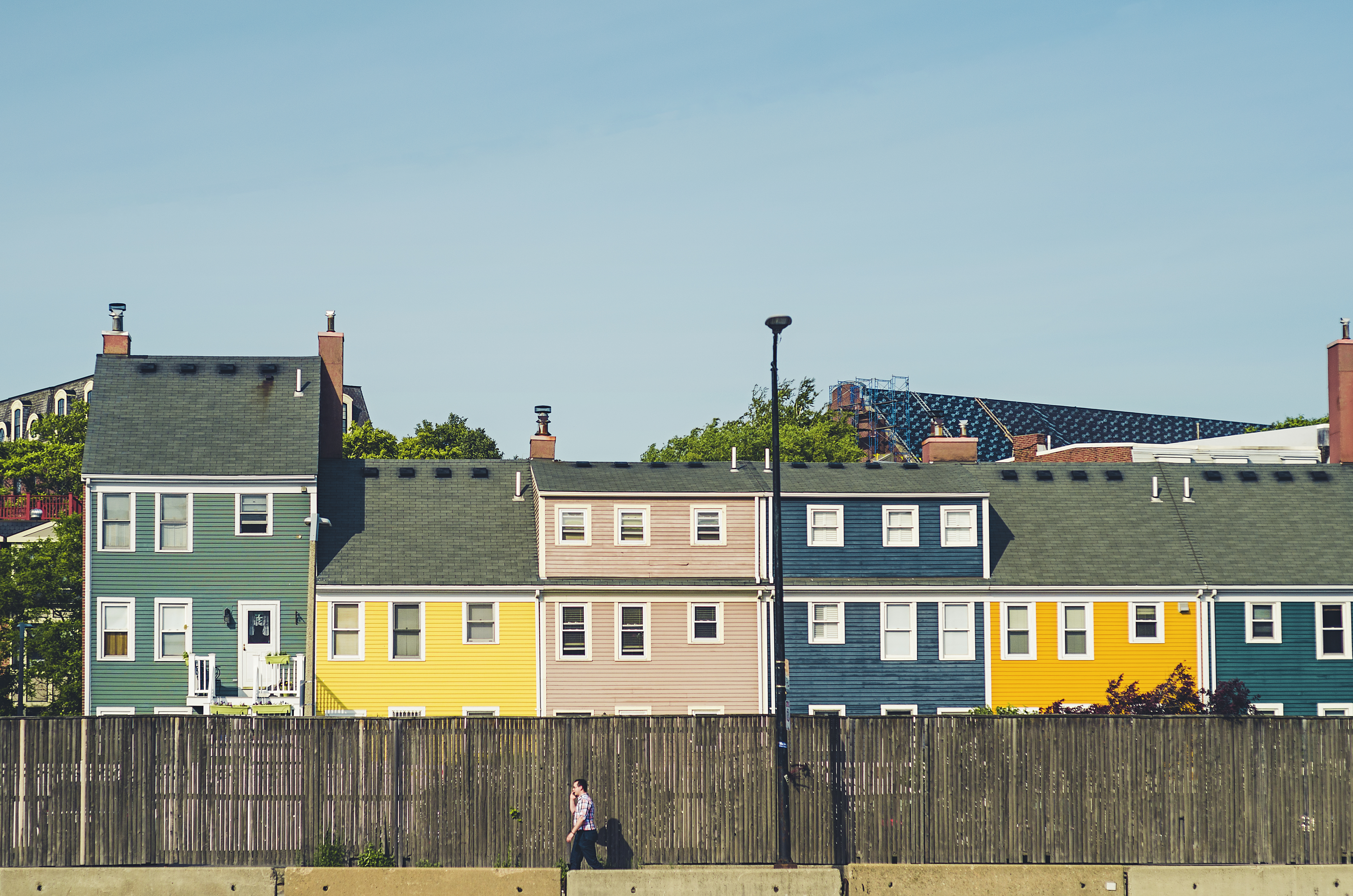 CharlestownNeighborhood · 1h · Free
Charlestown is Boston's oldest neighborhood, settled in 1628, one year before Boston proper. Perched across the inner harbor, it combines Revolutionary War history — Bunker Hill Monument and the USS Constitution — with a thriving waterfront community of restored row houses and harbor views.
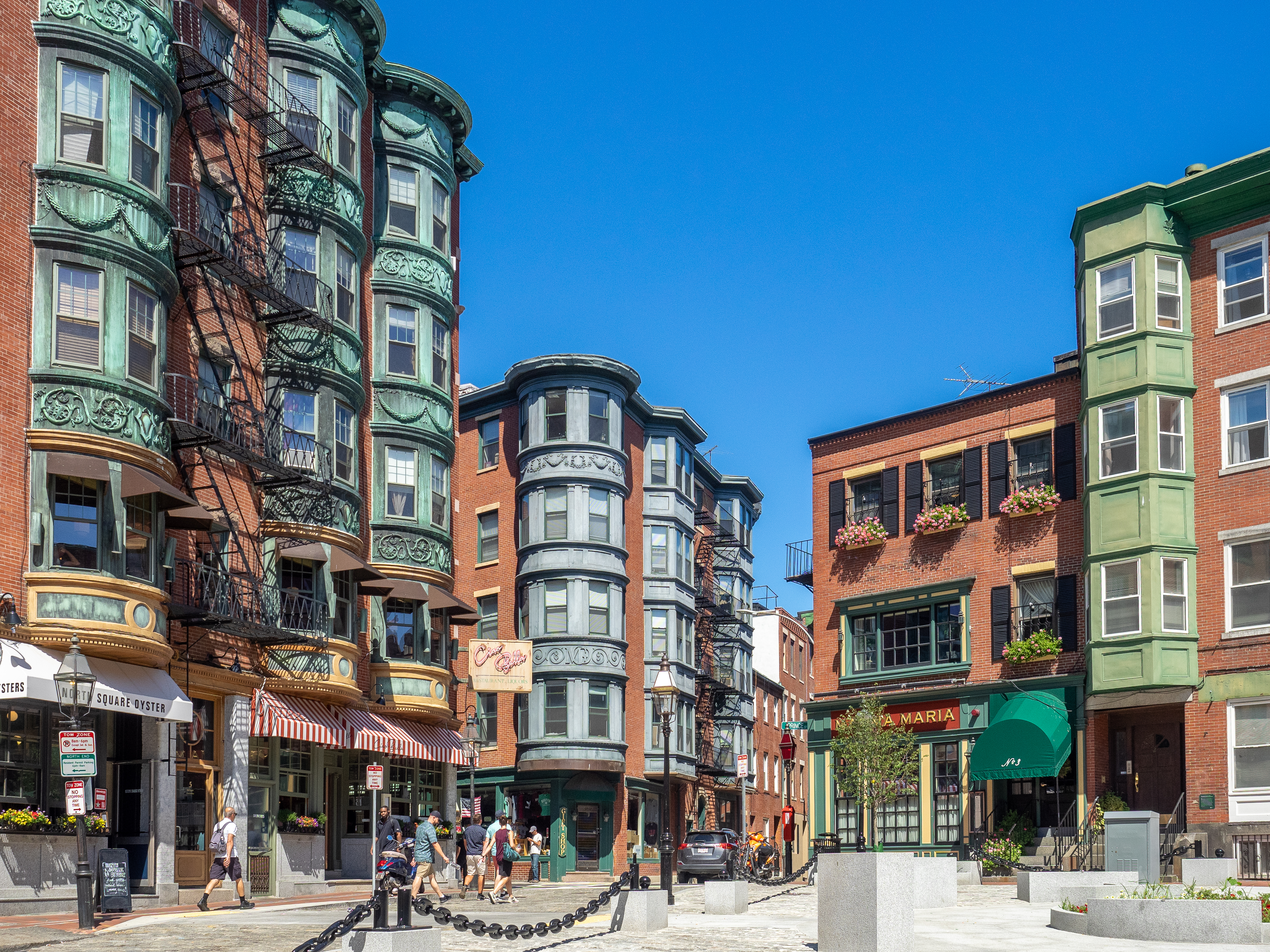 North EndNeighborhood · 2h · Free
The North End is Boston's oldest residential neighborhood and its vibrant Italian-American quarter. Narrow streets are lined with family-run trattorias, bakeries, espresso bars, and historic sites from the Revolutionary era.
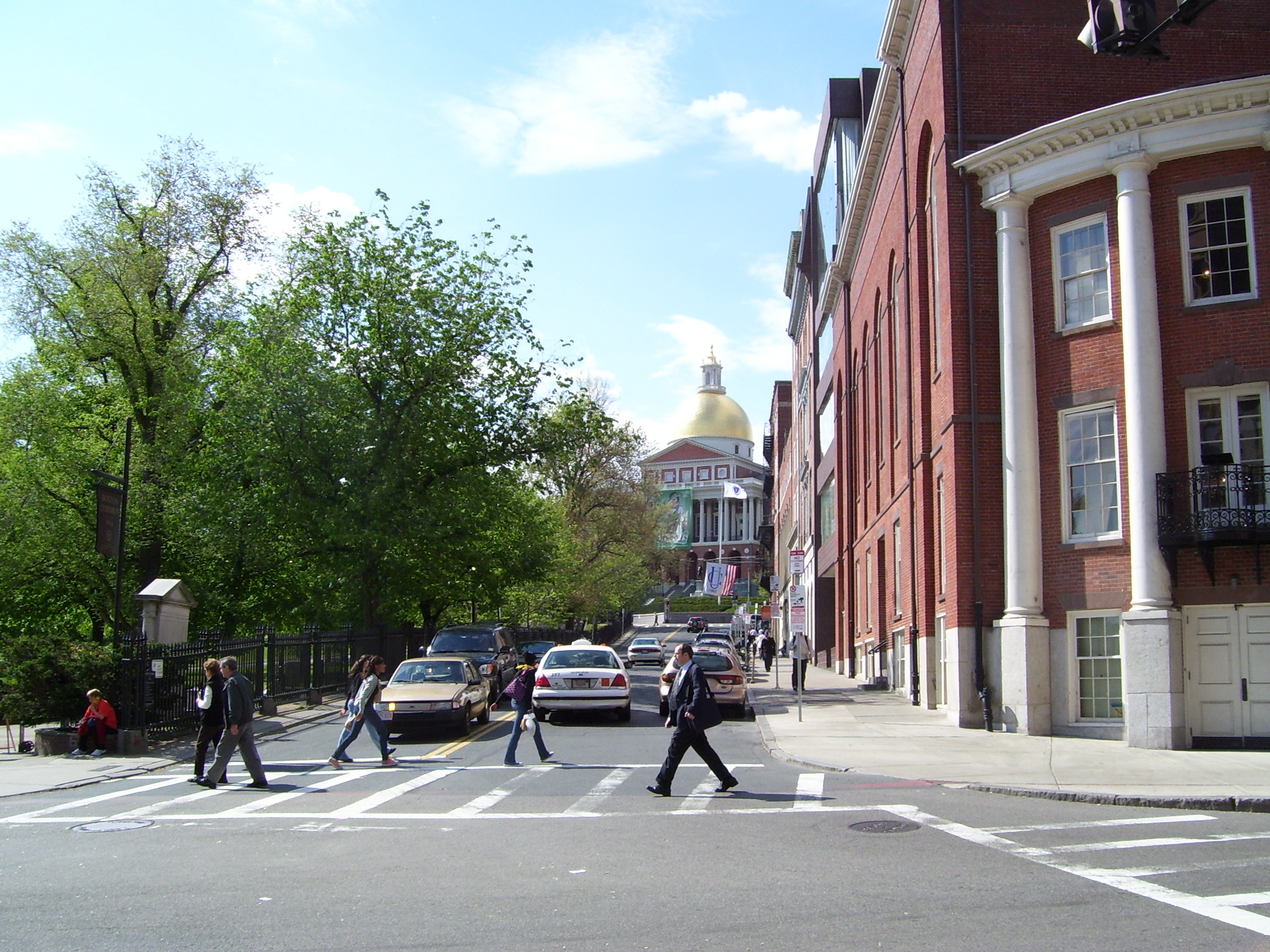 Beacon HillNeighborhood · 1.5h · Free
Beacon Hill is one of America's most picturesque neighborhoods, defined by gas-lamp-lit cobblestone streets, Federal-style brick row houses, and windowbox gardens. Acorn Street, the most photographed street in Boston, epitomizes its colonial charm.
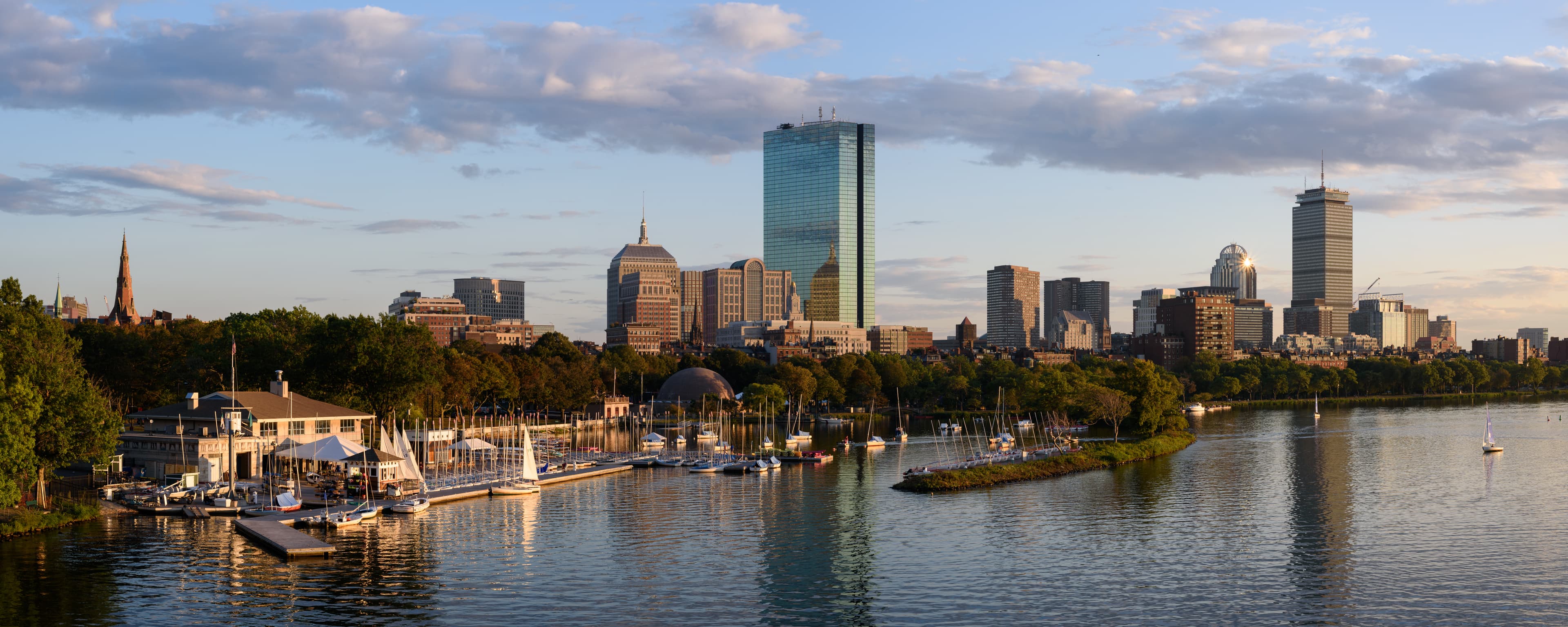 Back BayNeighborhood · 1.5h · Free
Back Bay is Boston's most architecturally uniform neighborhood, built on filled tidal flat in the mid-1800s. Its French-inspired grid of brownstone-lined streets — Commonwealth Avenue, Newbury Street, and Boylston Street — houses upscale shops, galleries, and some of the city's finest buildings.
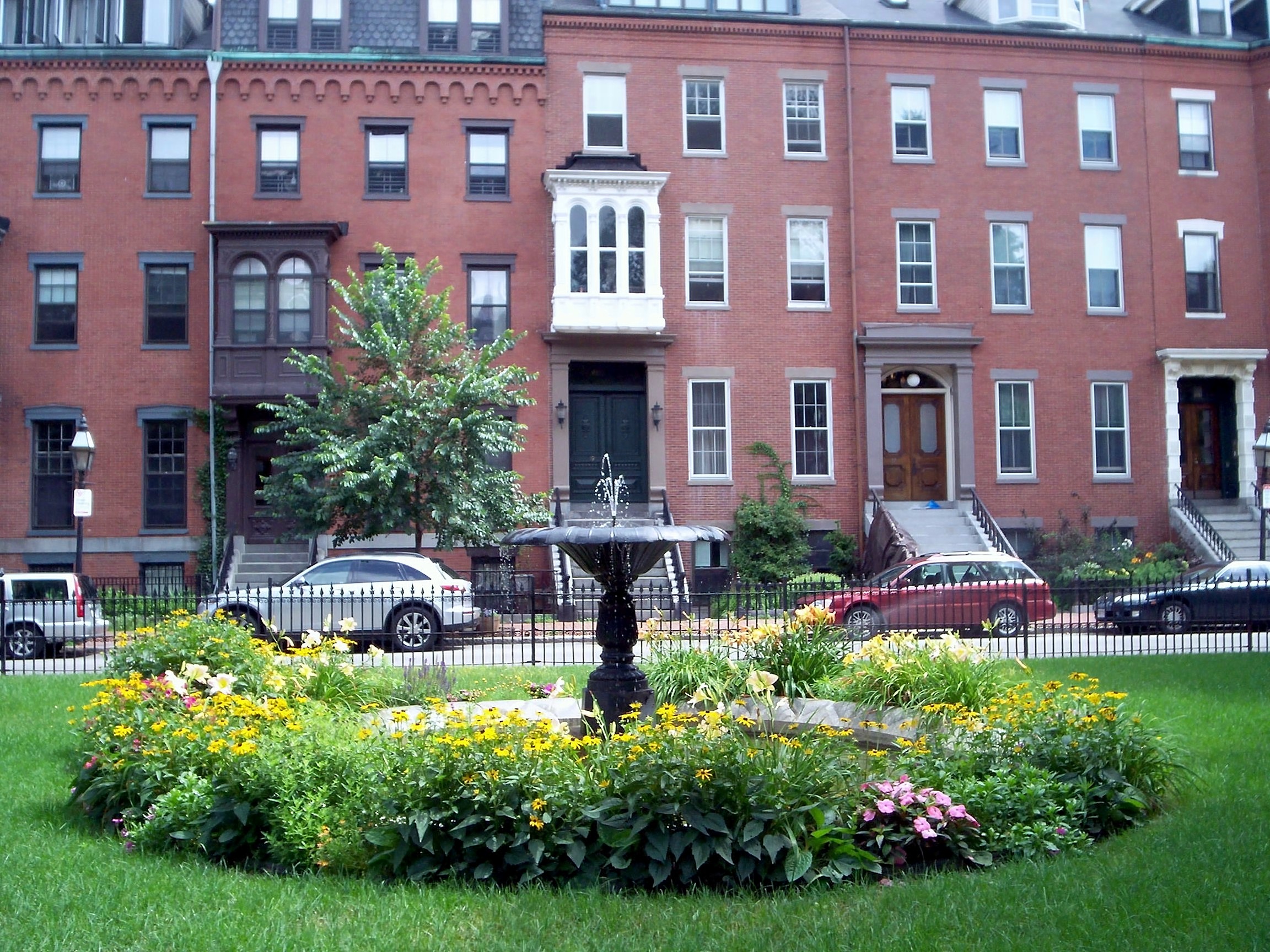 South EndNeighborhood · 1.5h · Free
The South End is Boston's largest Victorian-era neighborhood, known for its diverse dining scene, art galleries, and vibrant community. Designated a National Historic District, its rows of bow-front brownstones and tree-lined squares form one of the most intact Victorian streetscapes in the United States.
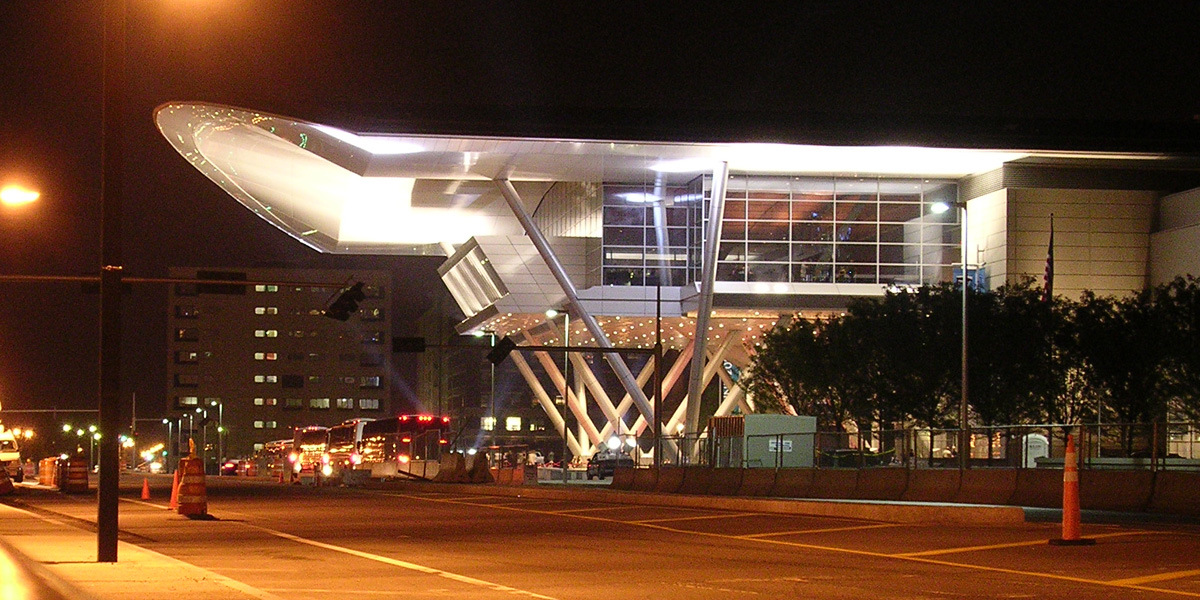 Seaport DistrictNeighborhood · 1.5h · Free
The Seaport District (also called the Innovation District) is Boston's newest neighborhood, transformed from industrial waterfront into a gleaming hub of restaurants, museums, and tech startups. The Institute of Contemporary Art and a revitalized Harborwalk anchor the cultural scene.
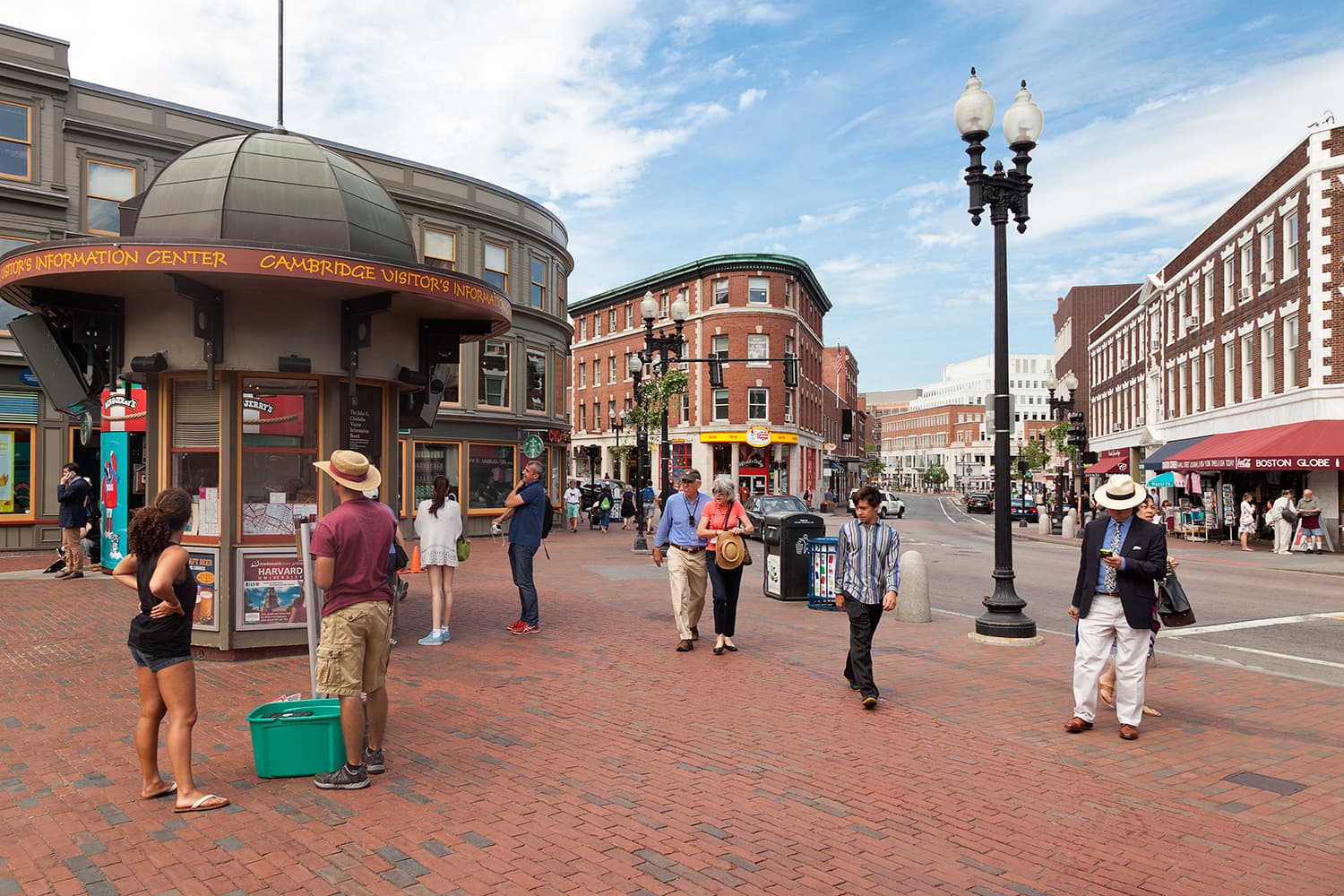 Harvard SquareNeighborhood · 1.5h · Free
Harvard Square is a lively commercial and cultural hub at the heart of Cambridge, centered on the intersection of Massachusetts Avenue, Brattle Street, and JFK Street. Home to Harvard University, independent bookshops, street musicians, and eclectic dining, it retains a scholarly bohemian energy.