Loading city...
Skip to main content
Attractions in Porto
7 attractions selected in this guide.
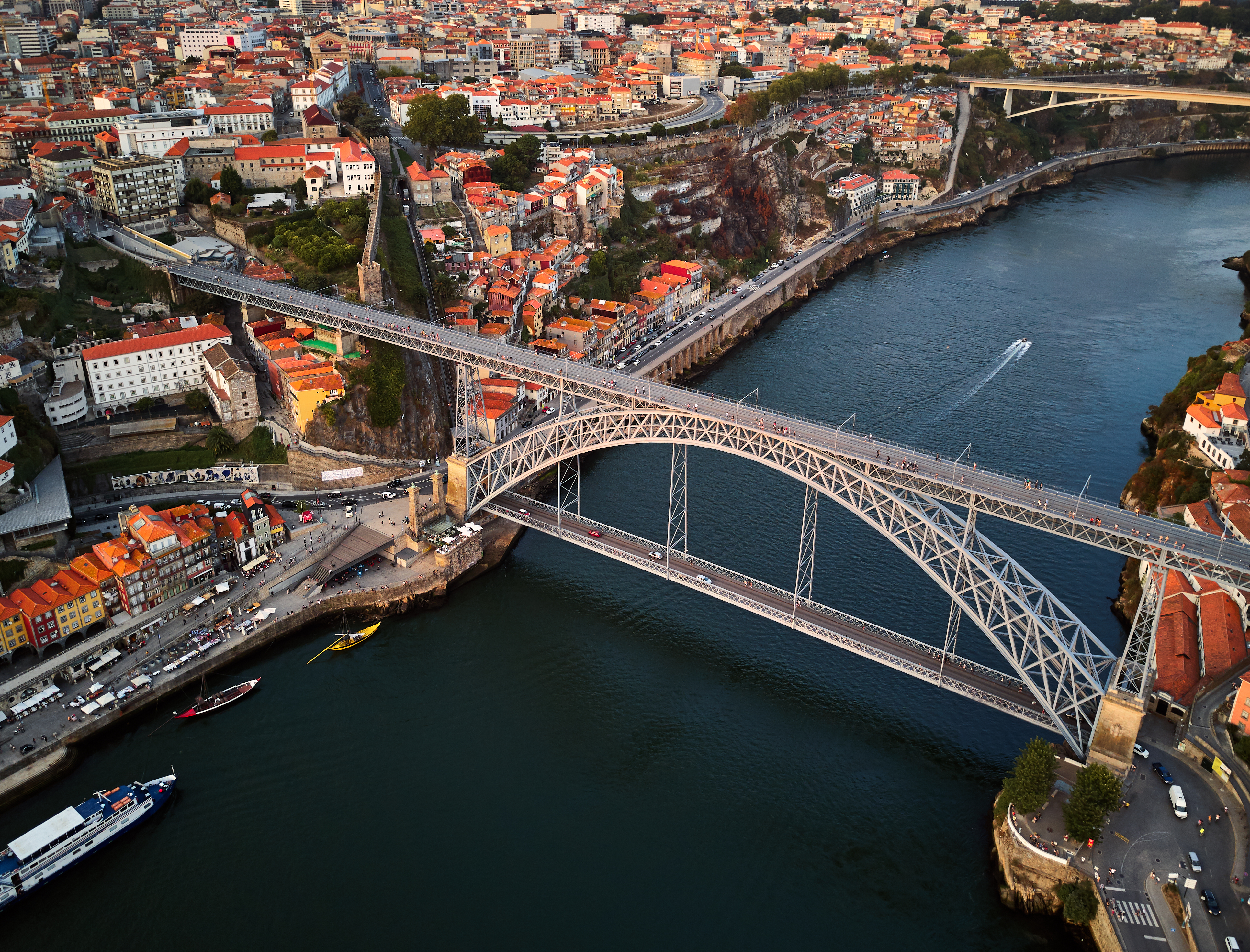 Dom Luís I BridgeAttraction · 20 min · Free
The Dom Luís I Bridge is an iron double-decker bridge spanning the Douro, designed by Théophile Seyrig (a collaborator of Gustave Eiffel). The upper deck carries the metro and pedestrians; the lower deck handles road traffic.
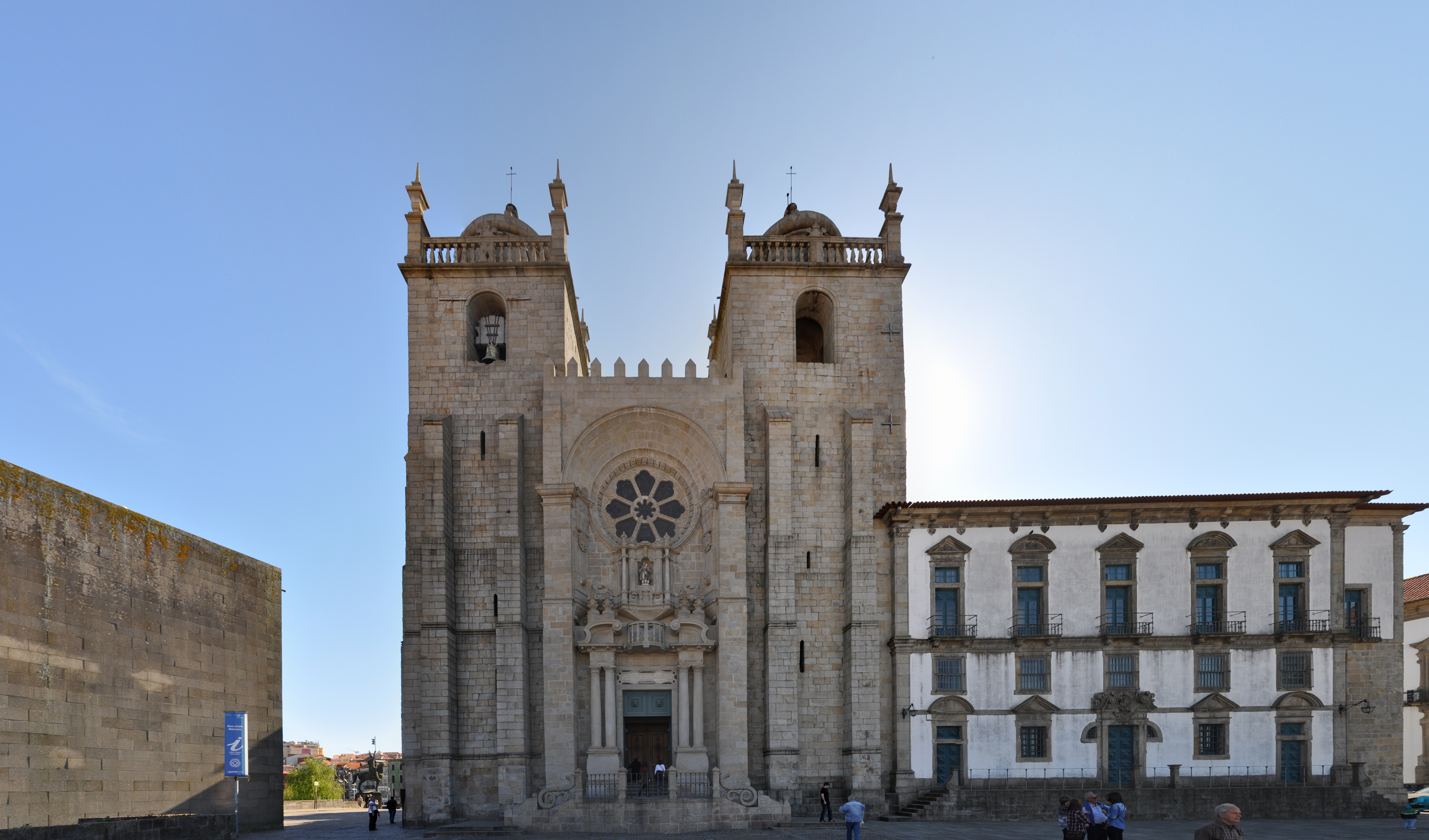 Porto Cathedral (Sé)Attraction · 30 min · €3
The Sé do Porto is a Romanesque fortress-cathedral crowning the hilltop above the Ribeira. Its austere exterior hides a Gothic cloister decorated with azulejo tiles and sweeping views over the Douro.
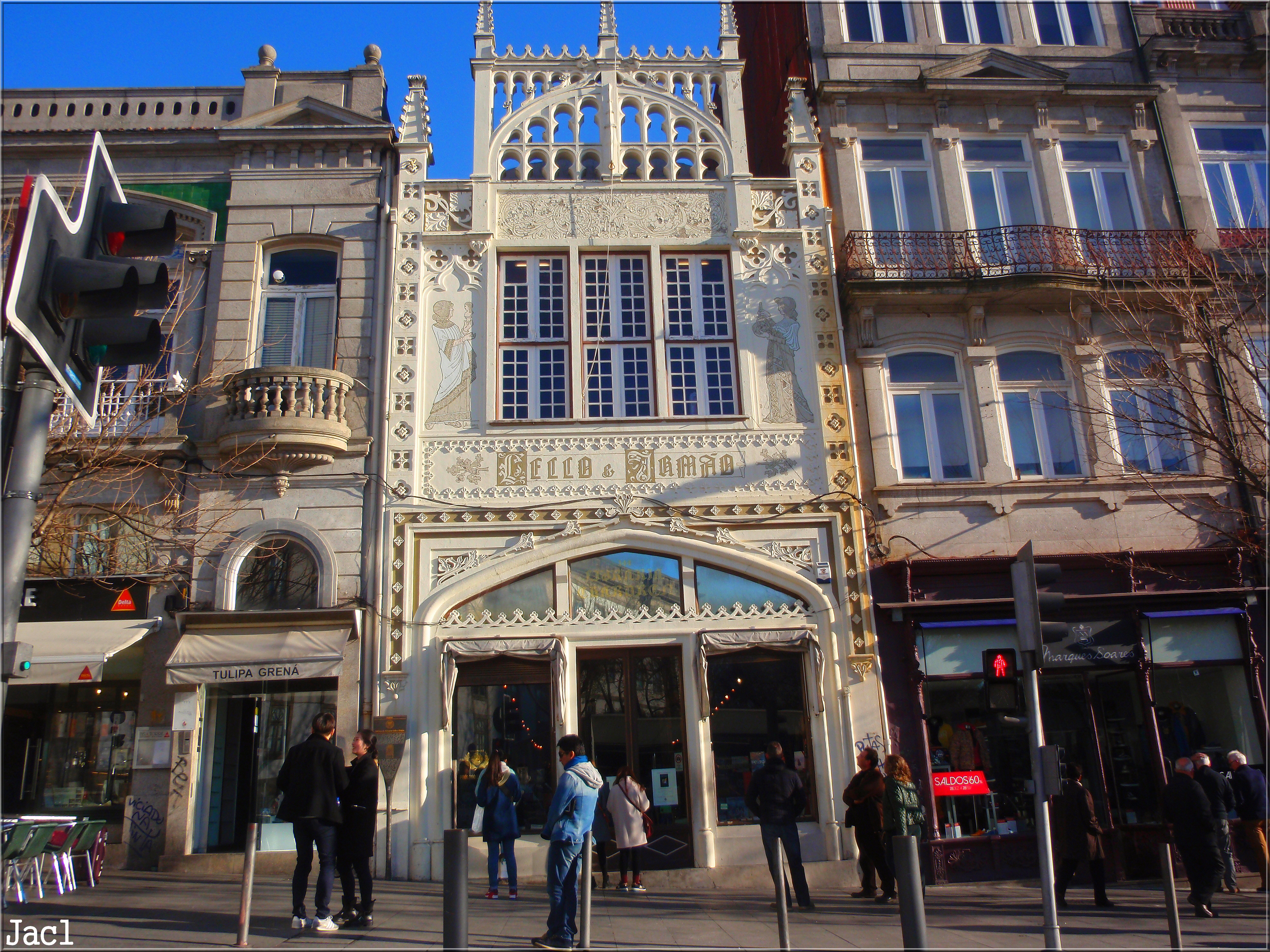 Livraria LelloAttraction · 30 min · €8
Livraria Lello is one of the world's most beautiful bookshops, a 1906 Neo-Gothic fantasy of carved wood, a crimson staircase, and a stained-glass ceiling. Often cited as an inspiration for J.K. Rowling's Hogwarts, it draws over a million visitors annually.
 São Bento StationAttraction · 20 min · Free
São Bento Station is Porto's main railway station, famous for its entrance hall lined with 20,000 azulejo tiles depicting Portuguese history—from the Battle of Aljubarrota to the arrival of King John I in Porto.
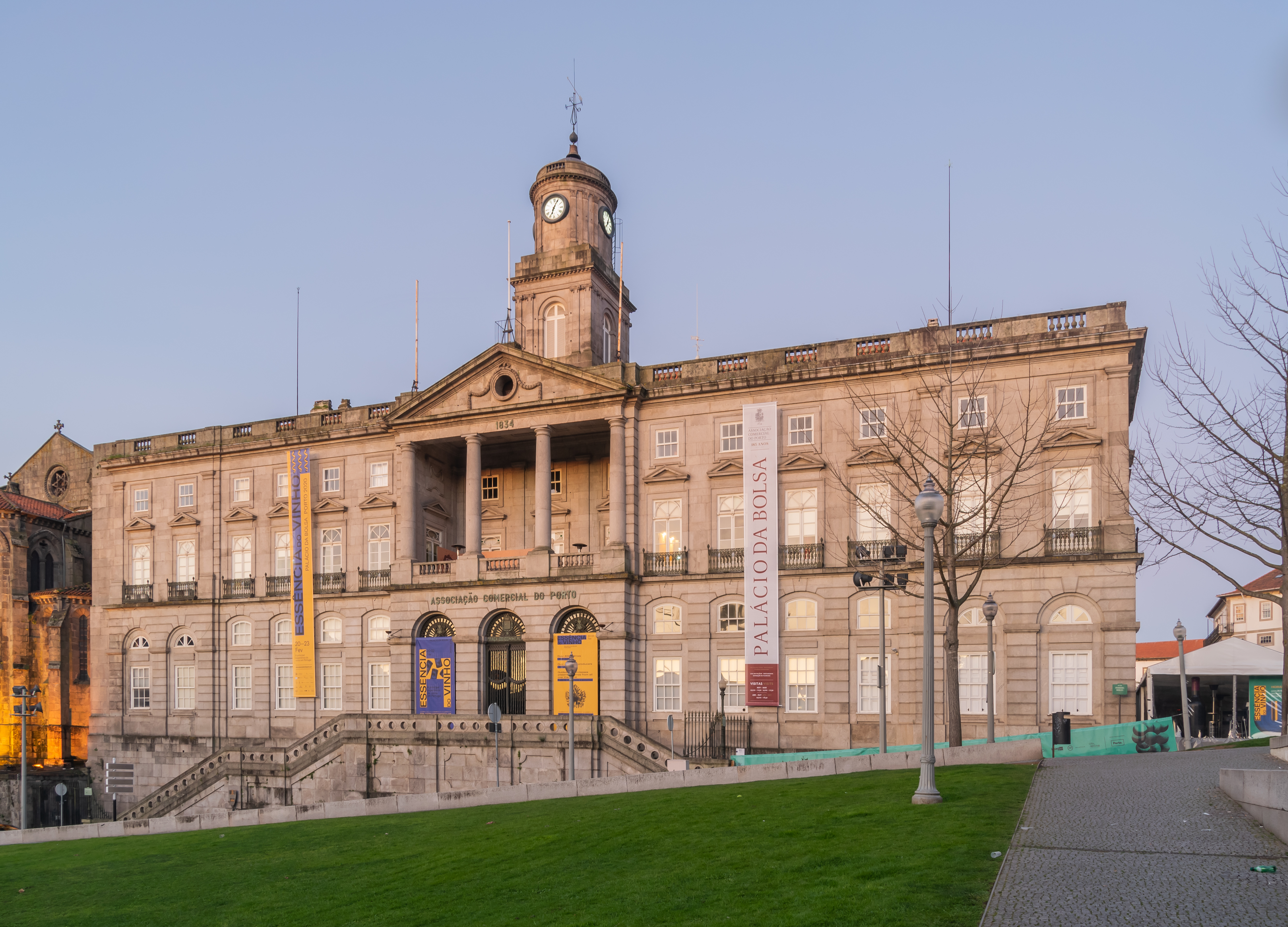 Palácio da BolsaAttraction · 45 min · €14
The Palácio da Bolsa is Porto's neoclassical Stock Exchange Palace, built by the city's merchants to impress foreign traders. The Arab Room—a Moorish Revival reception hall inspired by the Alhambra—is the opulent highlight.
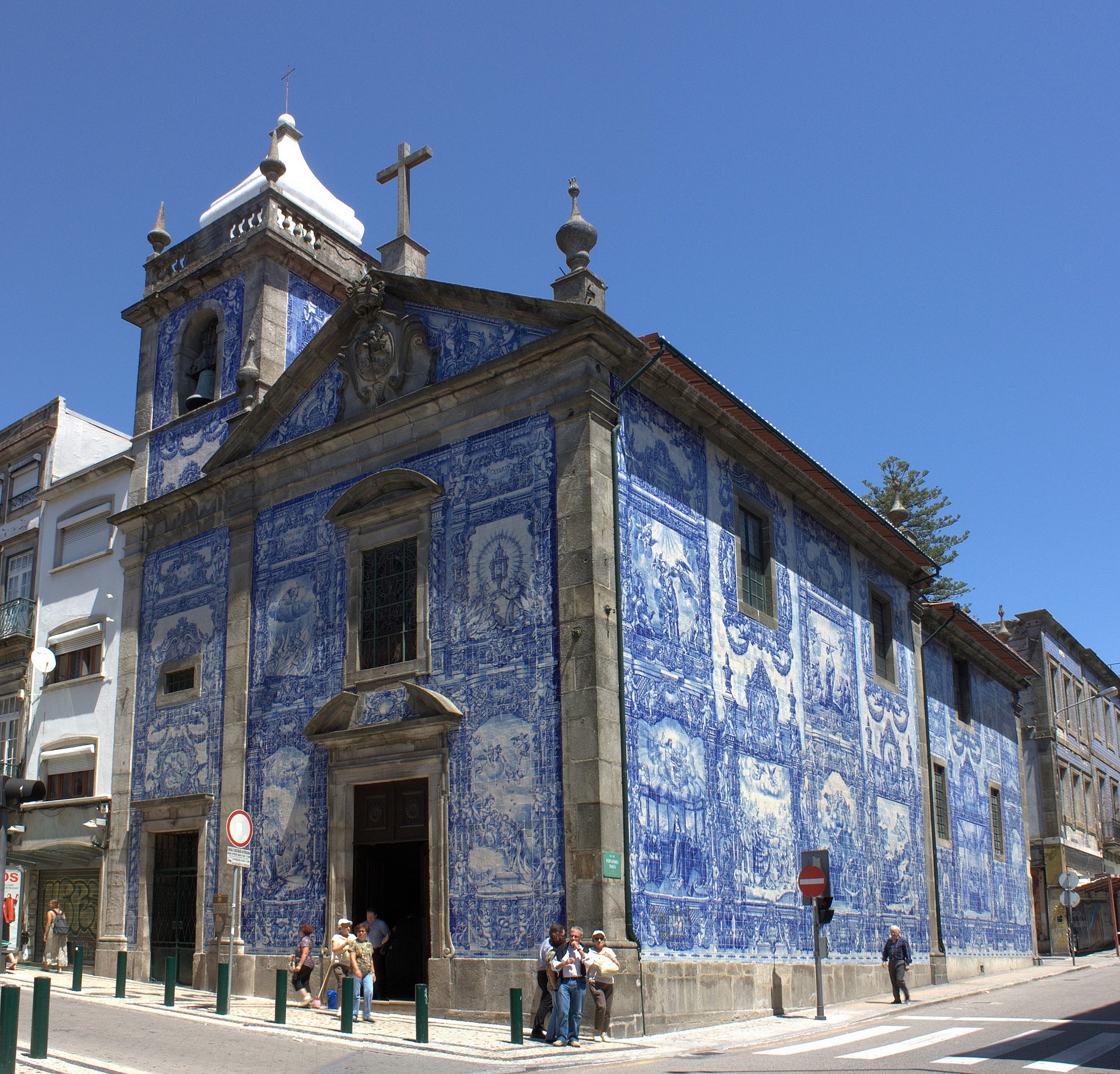 Chapel of SoulsAttraction · 10 min · Free
The Capela das Almas (Chapel of Souls) is a small church near Bolhão market whose exterior is entirely covered in azulejo tiles—15,947 tiles depicting the lives of saints, making it one of Porto's most photographed buildings.
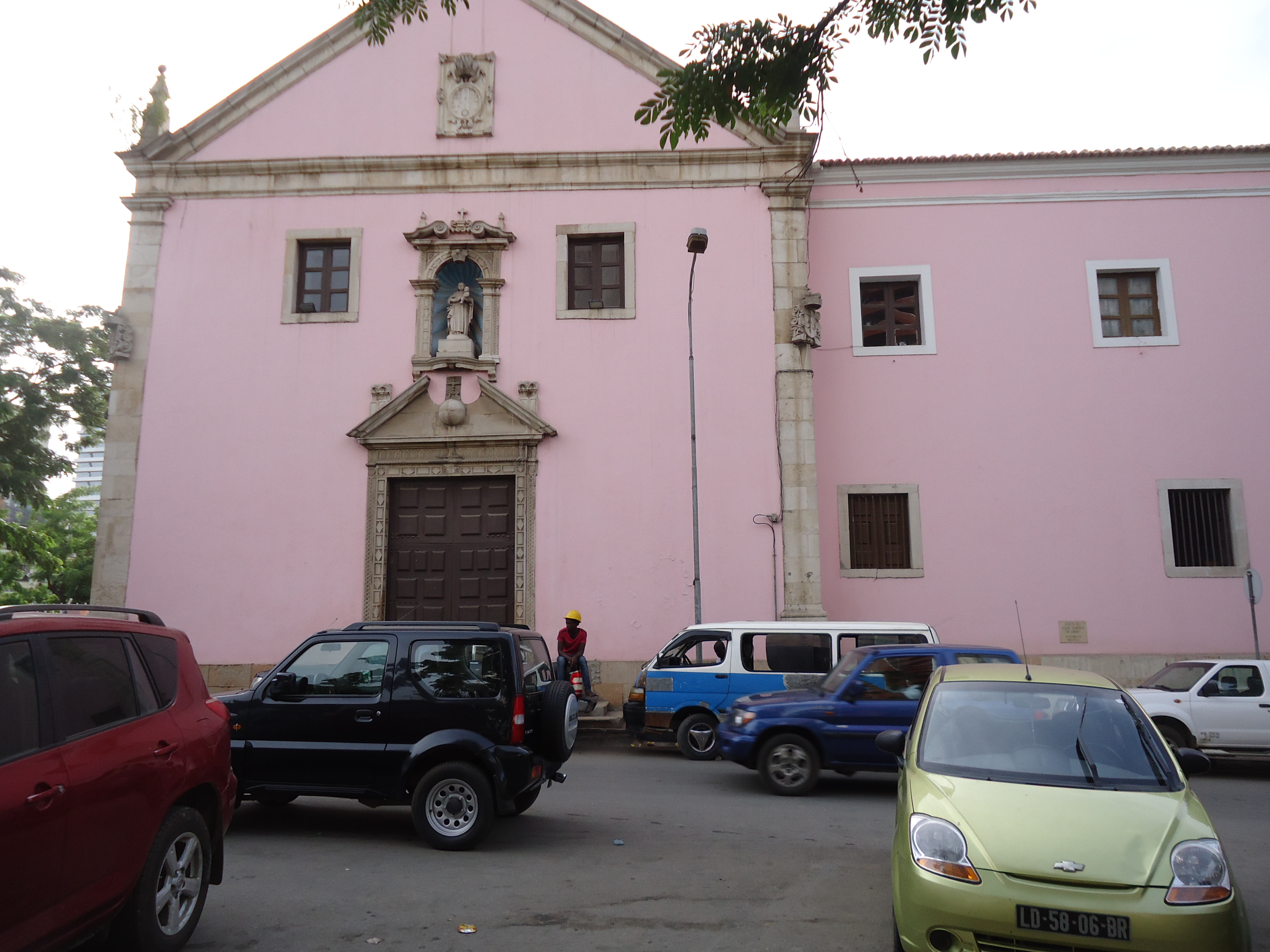 Igreja do CarmoAttraction · 15 min · Free
The Igreja do Carmo is a Baroque church famous for its enormous blue-and-white azulejo tile panel covering the entire side wall. Adjacent twin church Igreja dos Carmelitas is connected by a narrow 'house' built to separate the monks from the nuns.