Loading city...
Skip to main content
Attractions in Wrocław
10 attractions selected in this guide.
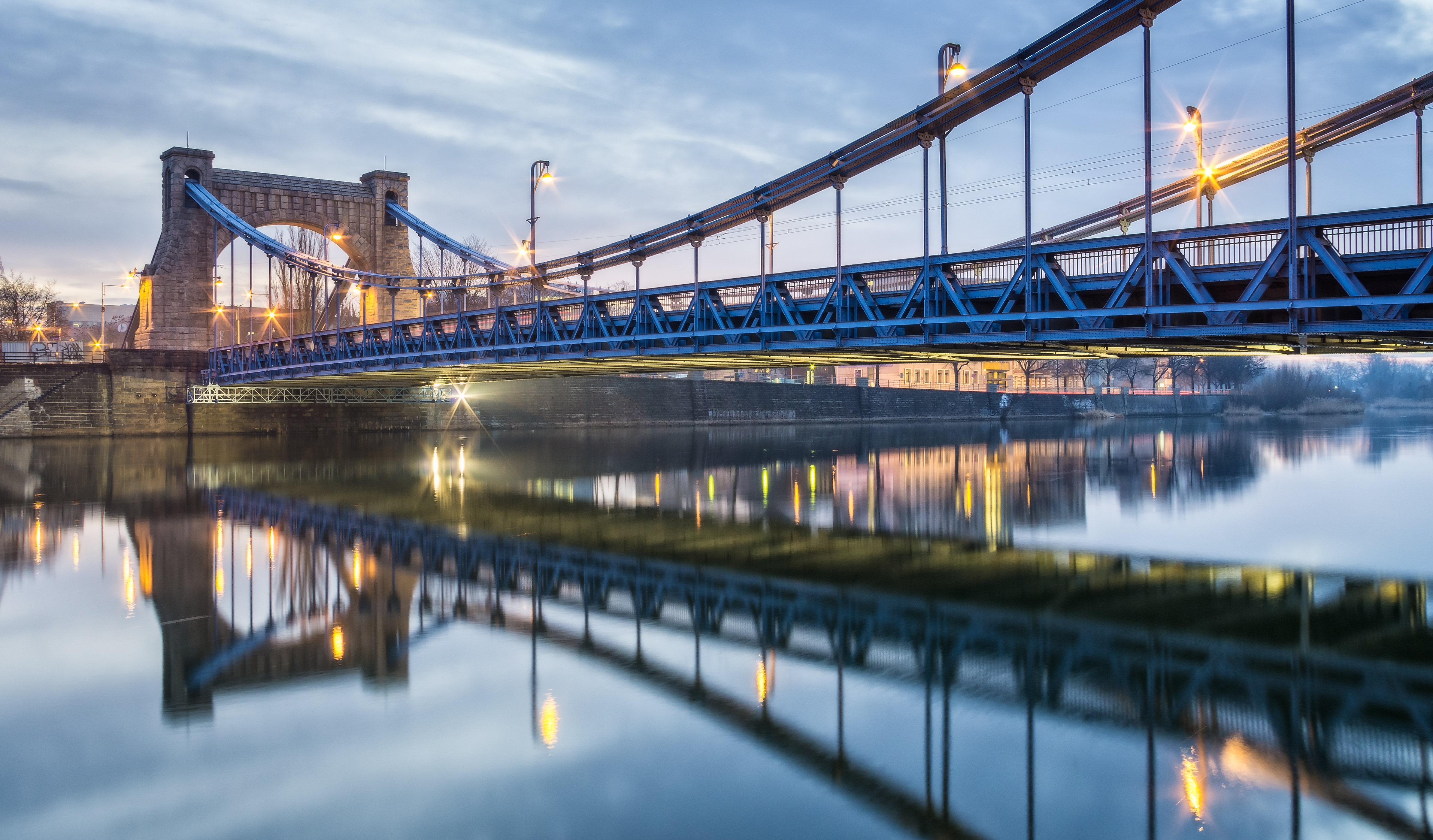 Wrocław FountainAttraction · 20 min · Free
The Wrocław Multimedia Fountain, located near the Centennial Hall, is one of the largest fountains in Europe. With 800 water jets, laser projections, and fire effects, it hosts spectacular evening shows from May through October.
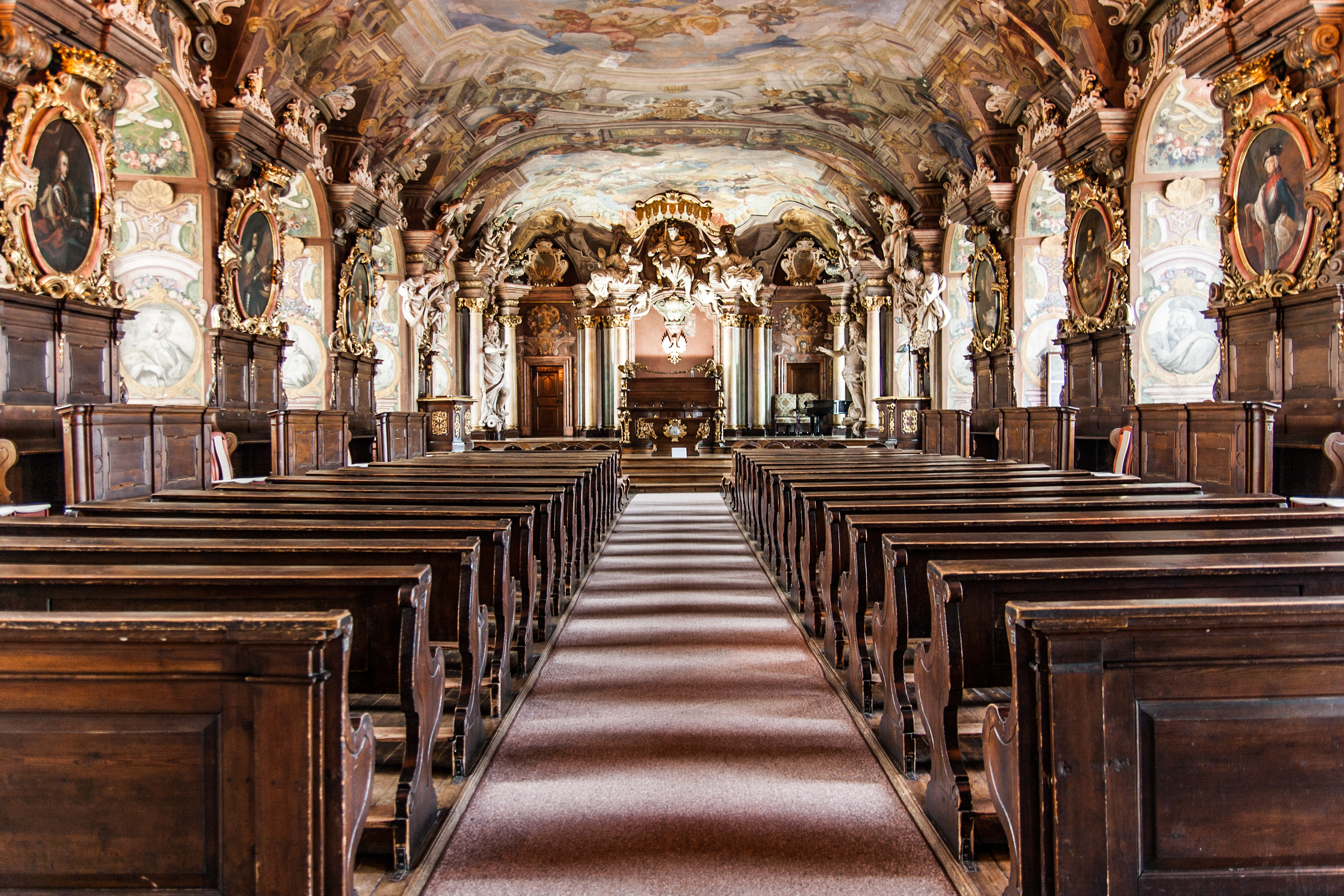 University of Wrocław – Aula LeopoldinaAttraction · 45 min · 20 zł
The Aula Leopoldina is the ceremonial hall of the University of Wrocław, a dazzling Baroque masterpiece from 1732. With its frescoed ceiling, gilded stucco, and illusionistic paintings, it is considered one of the most beautiful university halls in Europe.
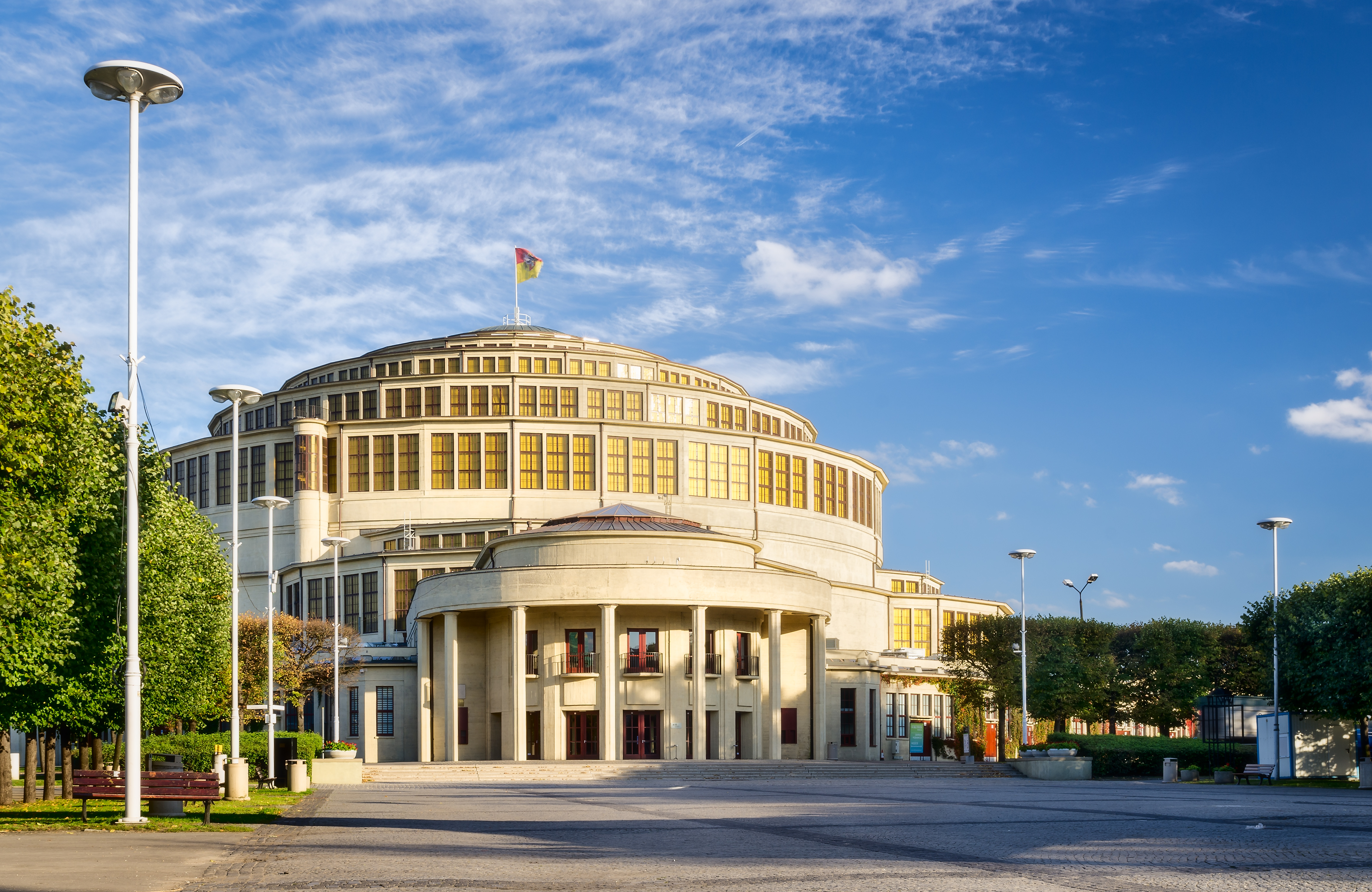 Centennial HallAttraction · 1h · 25 zł
The Centennial Hall (Hala Stulecia) is a UNESCO World Heritage Site and a pioneering work of reinforced concrete architecture. Designed by Max Berg in 1913, its 65-meter dome was the largest of its kind when built.
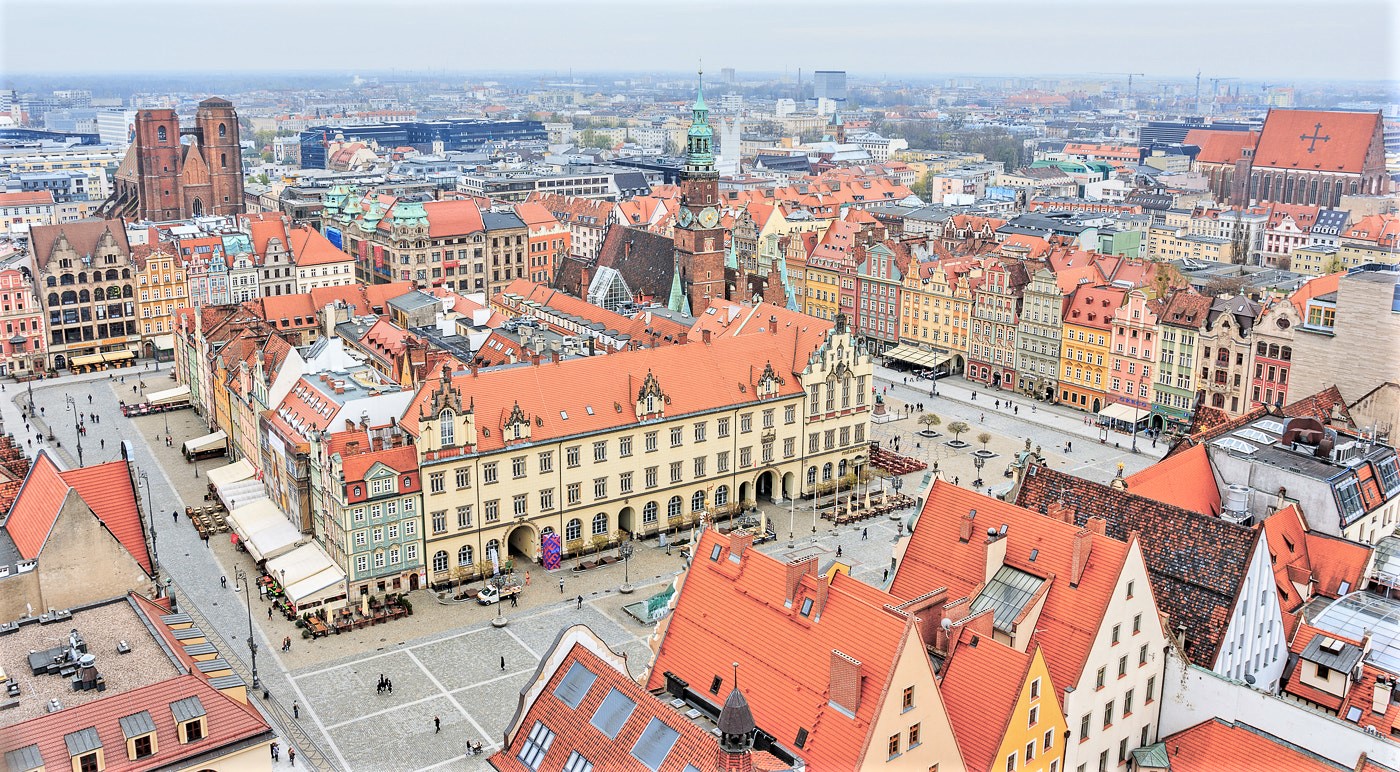 Wrocław Market SquareAttraction · 1h · Free
Wrocław's Rynek (Market Square) is one of the largest medieval town squares in Europe, covering 3.7 hectares. Surrounded by colorful Baroque and Renaissance townhouses, it is the vibrant heart of the city's social and cultural life.
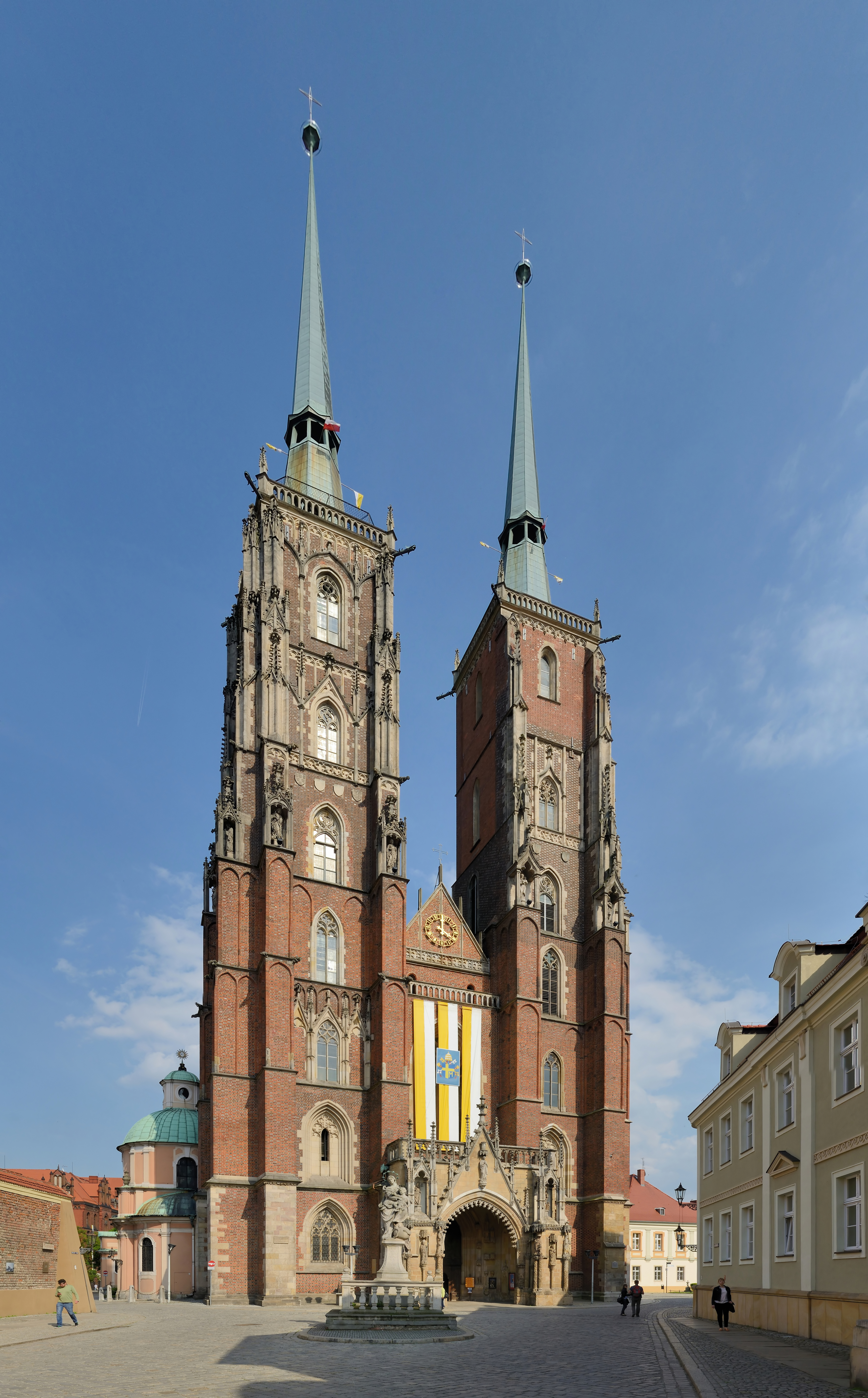 Cathedral of St. John the BaptistAttraction · 45 min · Free
The Cathedral of St. John the Baptist is the spiritual heart of Wrocław, crowning Cathedral Island (Ostrów Tumski) with its twin Gothic spires. The first church on this site dates to the year 1000, making it one of the oldest in Poland.
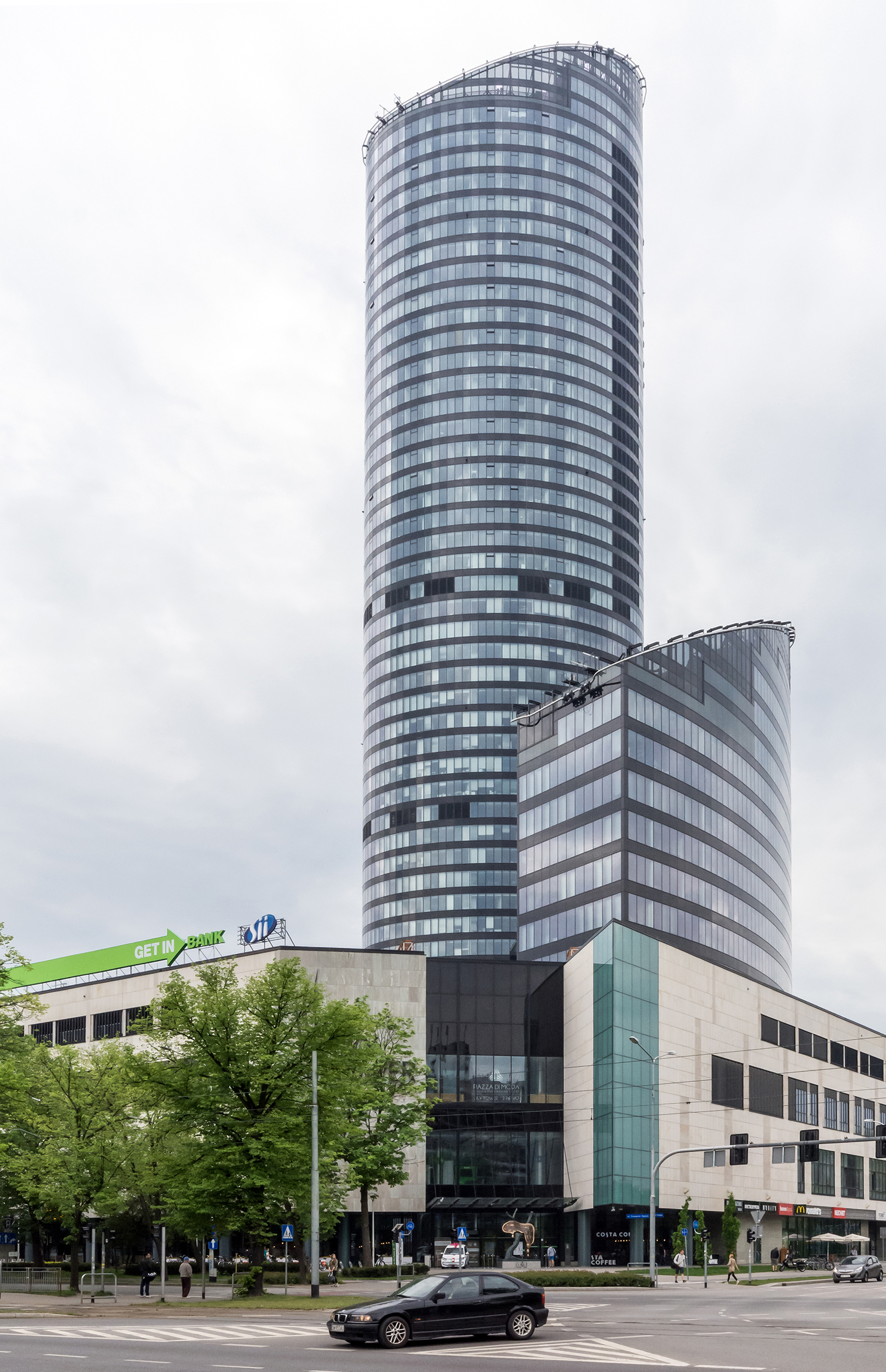 Sky TowerAttraction · 30 min · 20 zł
At 212 meters, Sky Tower is the tallest building in Wrocław and one of the tallest in Poland. Its 49th-floor observation deck offers 360-degree views of the city, the Oder River, and — on clear days — the Sudeten Mountains.
 Church of St. ElizabethAttraction · 45 min · 8 zł
The Church of St. Elizabeth is a Gothic basilica whose 87-meter tower offers one of the best bird's-eye views of the Market Square. Built in the 14th century, it was historically the main Protestant church of the city.
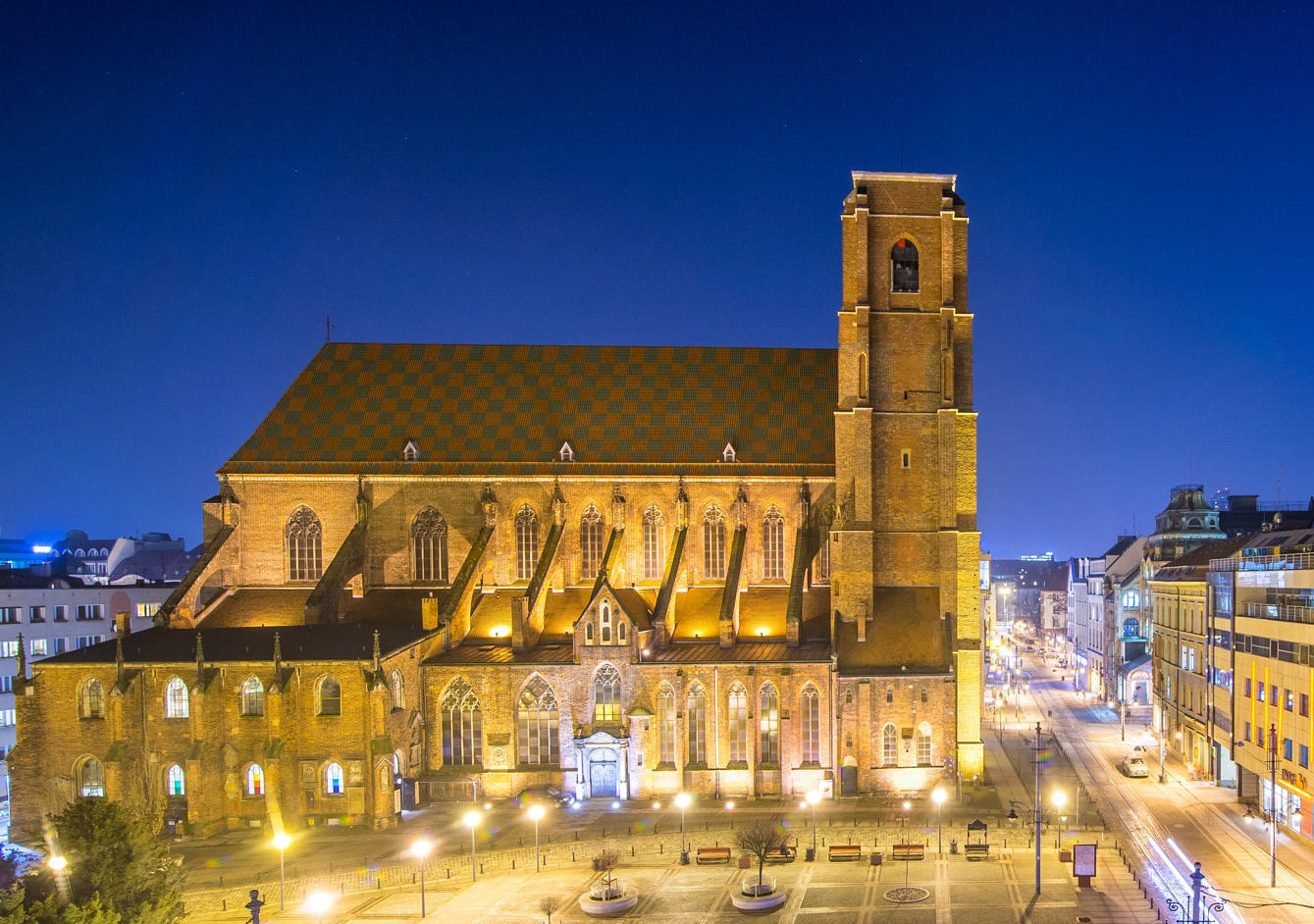 Church of St. Mary MagdaleneAttraction · 30 min · Free
The Church of St. Mary Magdalene is a 13th-century Gothic church notable for its Romanesque portal — a 12th-century masterwork relocated from a demolished abbey — and its unique elevated bridge connecting the two towers.
- Wrocław Town HallAttraction · 45 min · 15 zł
The Gothic Town Hall of Wrocław is one of the finest civic buildings in Central Europe, dating from the 13th century. Its ornate eastern facade, astronomical clock, and medieval interiors make it a masterpiece of brick Gothic architecture.
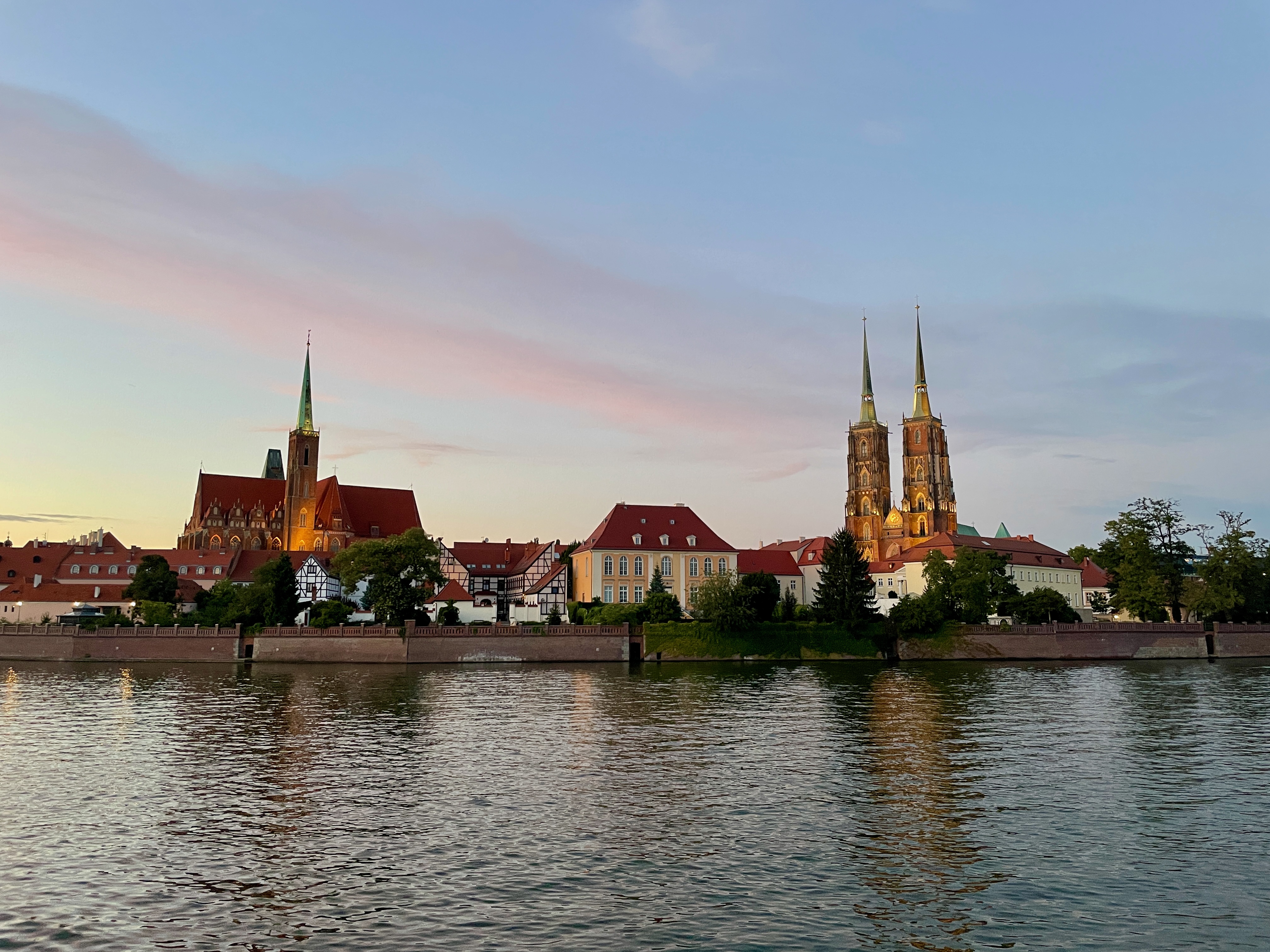 Ostrów TumskiAttraction · 1.5h · Free
Ostrów Tumski (Cathedral Island) is the oldest part of Wrocław, a serene enclave of churches, gardens, and cobblestone lanes on an island in the Oder River. At dusk, a lamplighter still ignites the gas streetlamps by hand — one of the last such traditions in Europe.