Loading city...
Skip to main content
Museums in Riga
9 museums selected in this guide.
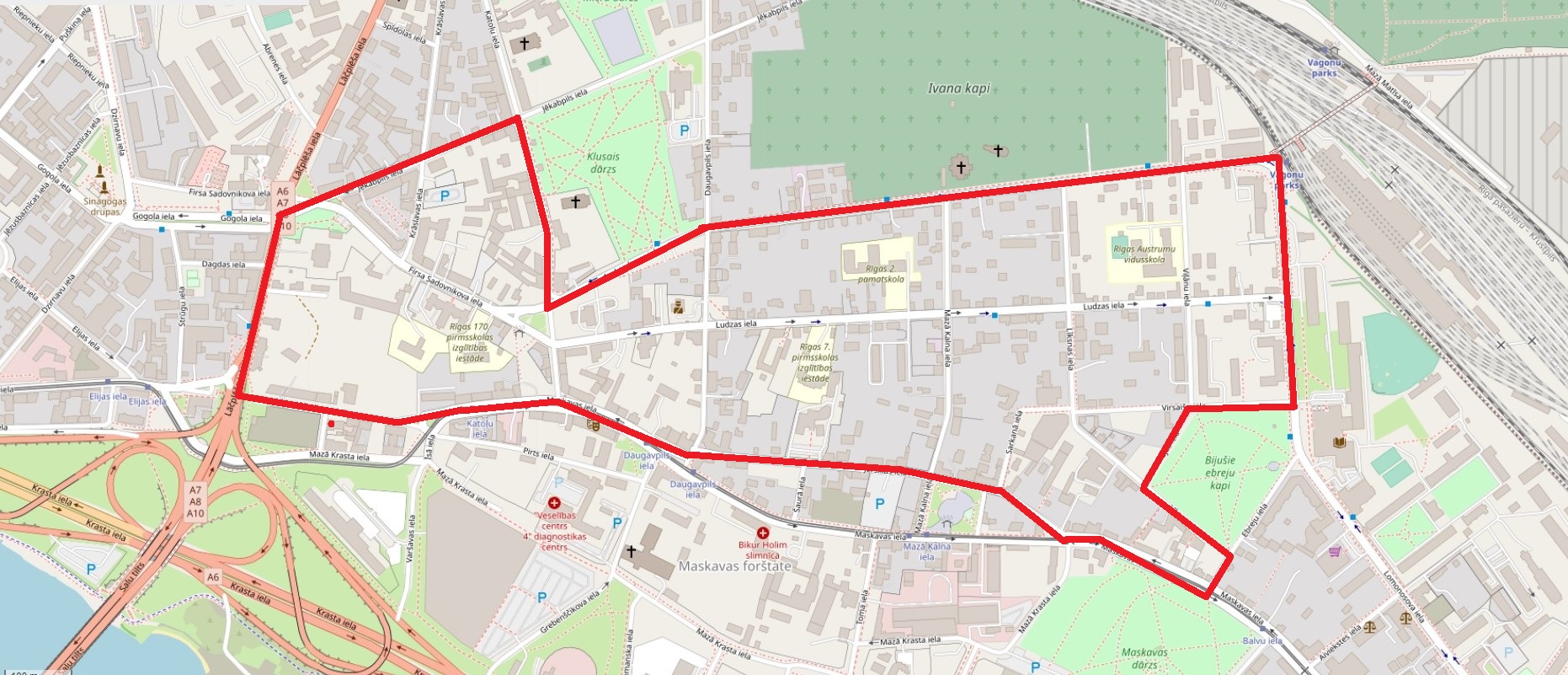 Riga Ghetto MuseumMuseum · 1h · Free
The Riga Ghetto and Latvian Holocaust Museum is an open-air memorial and indoor exhibition documenting the destruction of Latvia's Jewish community during World War II. Located near the former ghetto area in the Moscow District, the museum preserves the memory of more than 70,000 Latvian Jews murdered during the Holocaust.
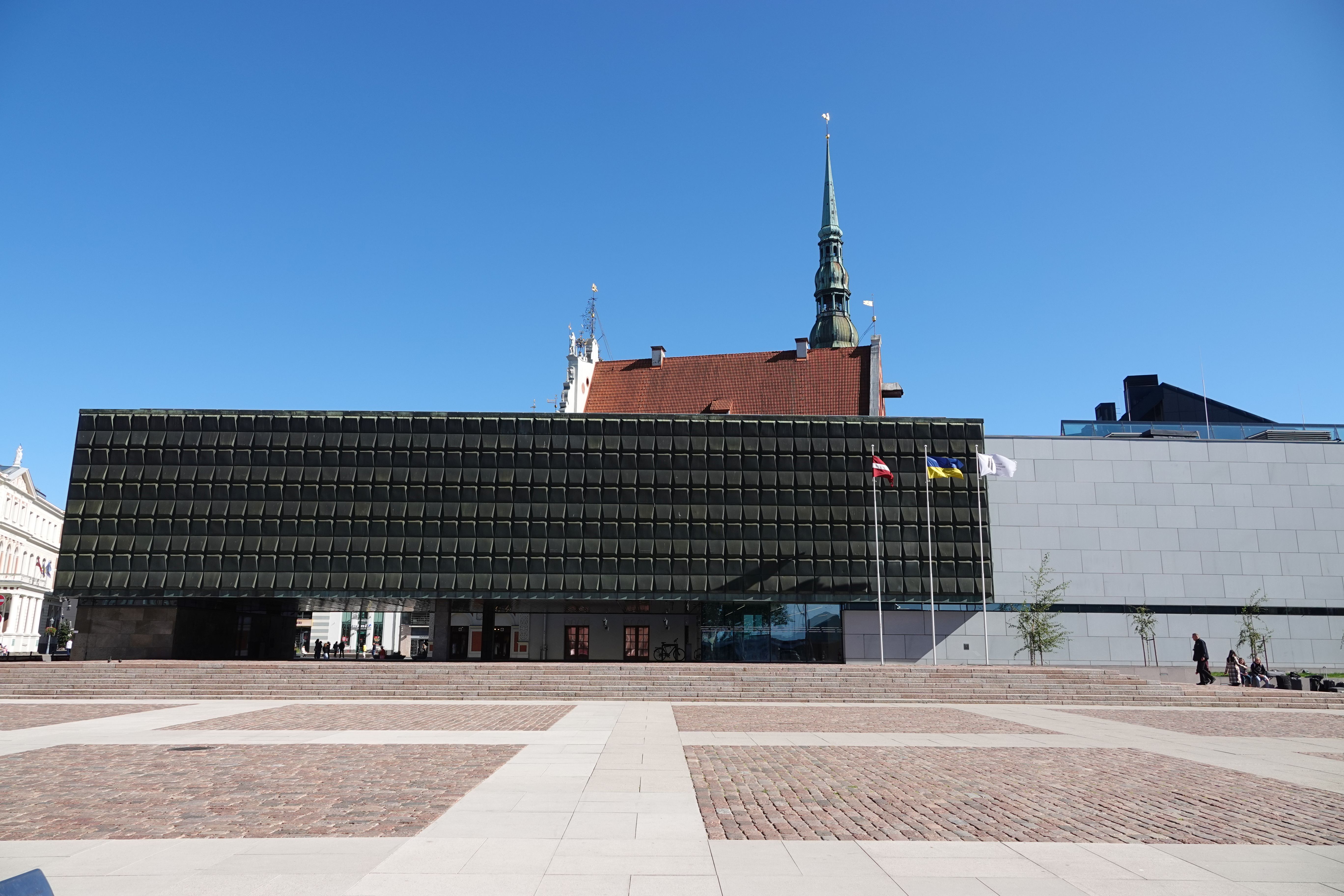 Latvian Museum of OccupationMuseum · 1.3h · €8
The Museum of the Occupation of Latvia documents the country's 50 years under two totalitarian regimes: Nazi Germany (1941–1944) and the Soviet Union (1940–1941, 1944–1991). Located next to the House of the Blackheads, the museum is a powerful and sobering experience.
 Latvian National Museum of ArtMuseum · 1.5h · €10
The Latvian National Museum of Art (Latvijas Nacionālais mākslas muzejs) is the country's premier art institution, housed in a grand Baroque Revival building from 1905. The collection spans Latvian and Baltic art from the 18th century to the present, with over 52,000 works.
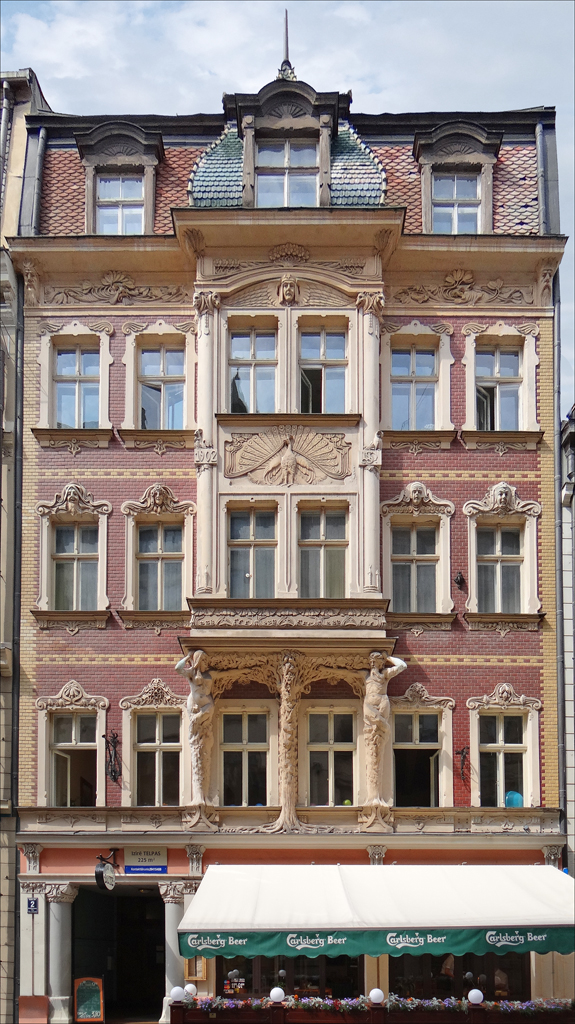 Art Nouveau MuseumMuseum · 1h · €9
The Art Nouveau Museum (Rīgas Jūgendstila muzejs) occupies a fully restored apartment at Alberta iela 12, offering a unique immersion into the domestic life of Riga's bourgeoisie around 1903. Every detail — wallpaper, furniture, kitchen, and bathroom — has been painstakingly reconstructed.
 Latvian Ethnographic Open-Air MuseumMuseum · 2.5h · €8
The Latvian Ethnographic Open-Air Museum is one of Europe's oldest and largest open-air museums, spread across 87 hectares of pine forest on the shores of Lake Jugla. Over 118 historic buildings from the 17th to the 20th century illustrate rural Latvian life across all four cultural regions.
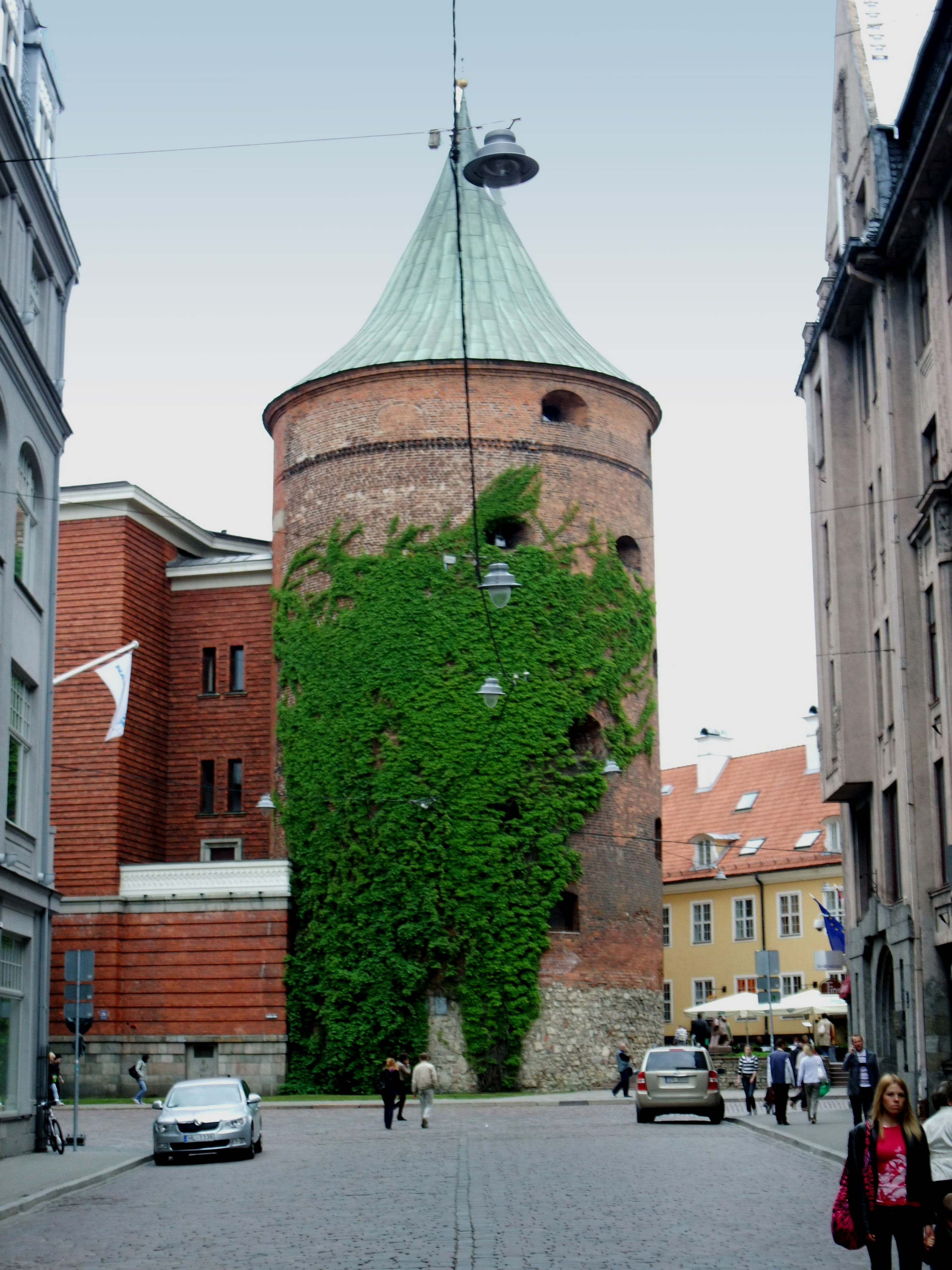 Powder Tower and Latvian War MuseumMuseum · 1h · Free
The Powder Tower (Pulvertornis) is the only surviving tower of Riga's original medieval fortifications, now housing the Latvian War Museum. The massive cylindrical tower, with walls over three metres thick, contains nine cannonballs embedded from the 1656 Swedish siege.
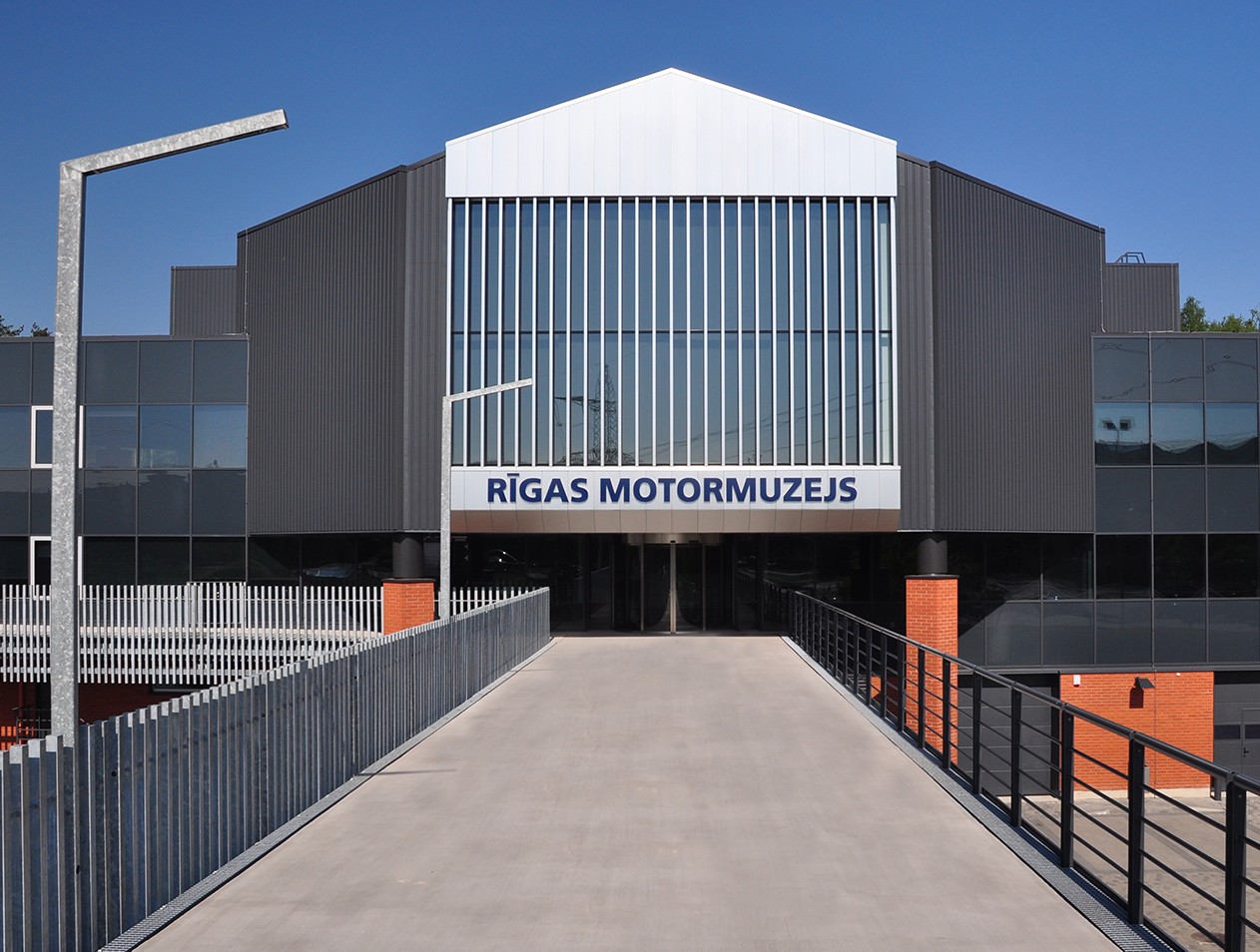 Riga Motor MuseumMuseum · 1.5h · €12
The Riga Motor Museum is the largest automotive museum in the Baltics and one of the finest in Europe. After a 2016 renovation, it features interactive exhibits, rare Soviet-era vehicles, and unique pieces like Stalin's armoured ZIS-115 and Brezhnev's crashed Rolls-Royce.
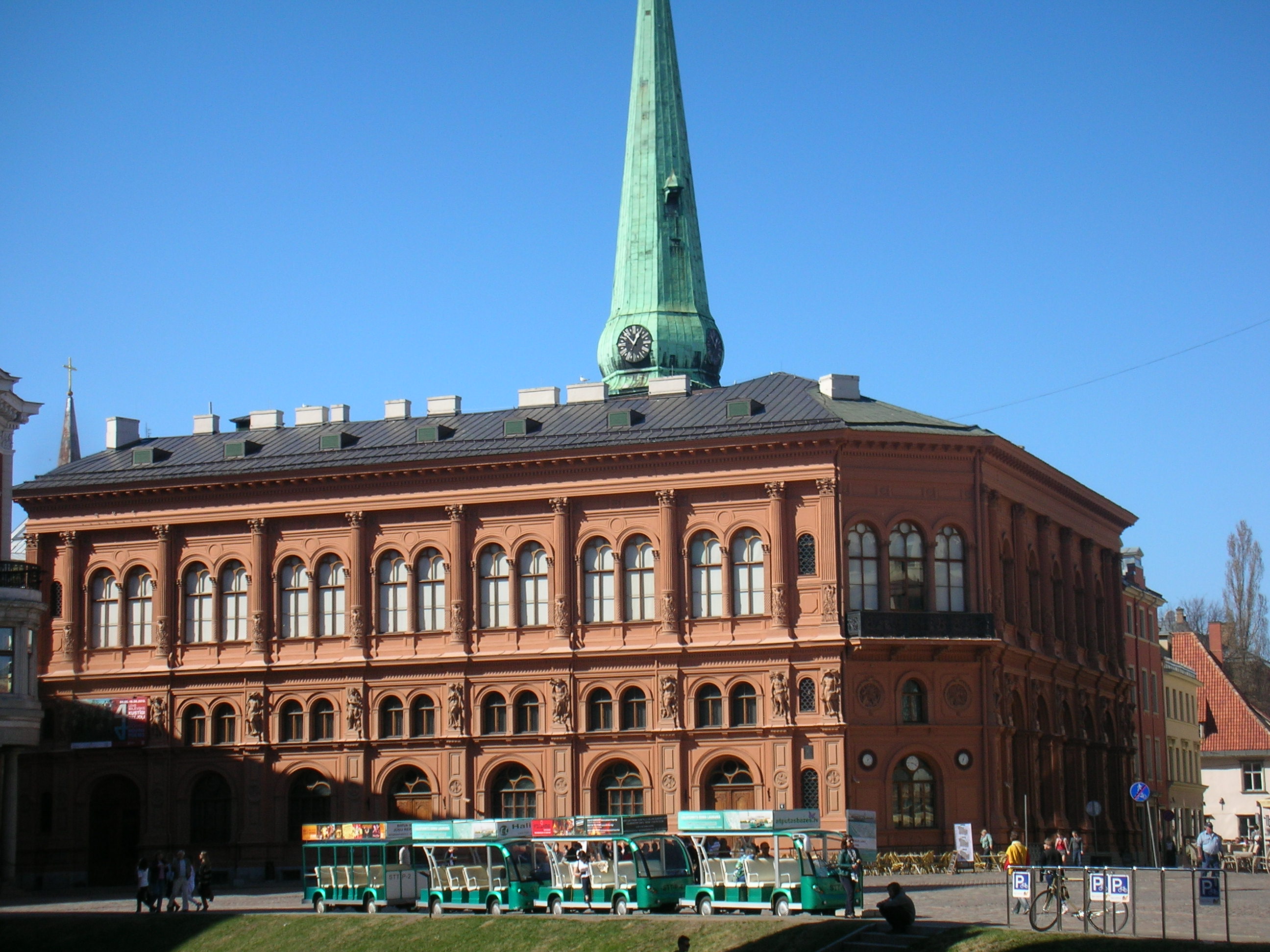 Riga Bourse Art MuseumMuseum · 1.3h · €6
The Riga Bourse Art Museum (Mākslas muzejs Rīgas Birža) occupies a sumptuous Venetian Renaissance-style building built in 1855 as a stock exchange. After a major restoration completed in 2011, it now houses the city's collection of foreign art, spanning from ancient Egypt to 20th-century Impressionism.
 KGB Corner HouseMuseum · 1h · €15
The KGB Corner House (Stūra māja) is the former headquarters of the Soviet KGB in Riga, now preserved as a memorial and museum of Soviet-era repression. The building's interrogation rooms, cells, and offices have been left largely intact, providing a chilling window into the machinery of state terror.