Loading city...
Skip to main content
Attractions in Lucca
11 attractions selected in this guide.
 Porta San PietroAttraction · 15 min · Free
Porta San Pietro is the most monumental of Lucca's six surviving city gates, piercing the southern stretch of the Renaissance walls. Its double arched entranceway flanked by rusticated pilasters serves as the most dramatic threshold into the walled city.
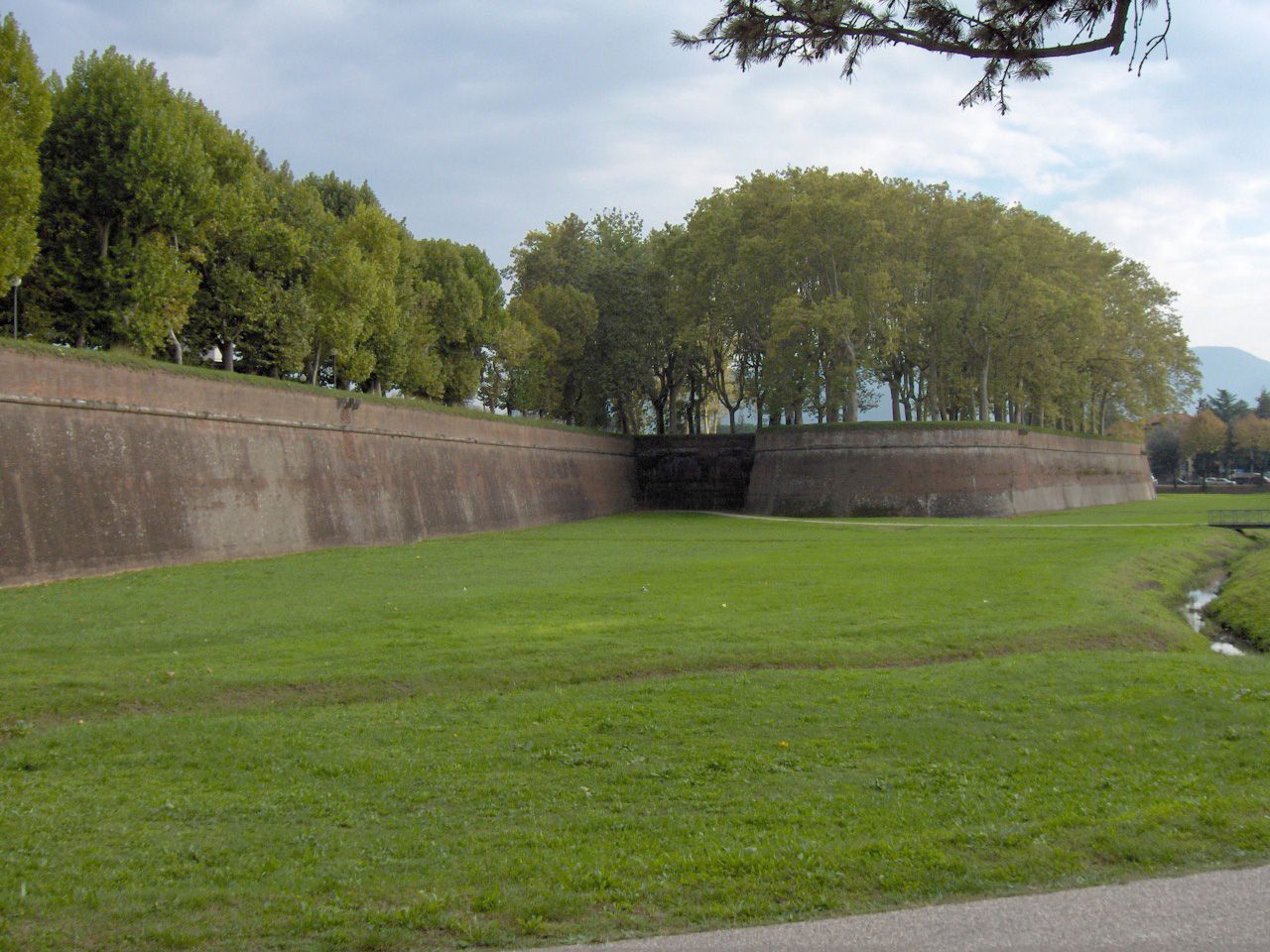
- Lucca City WallsAttraction · 1.5h · Free
The Mura di Lucca are a remarkably intact set of Renaissance-era fortification walls encircling the historic centre. Stretching 4.2 km in circumference, the tree-lined ramparts were completed in the 17th century and never saw military action, transforming over time into Lucca's most beloved public promenade.
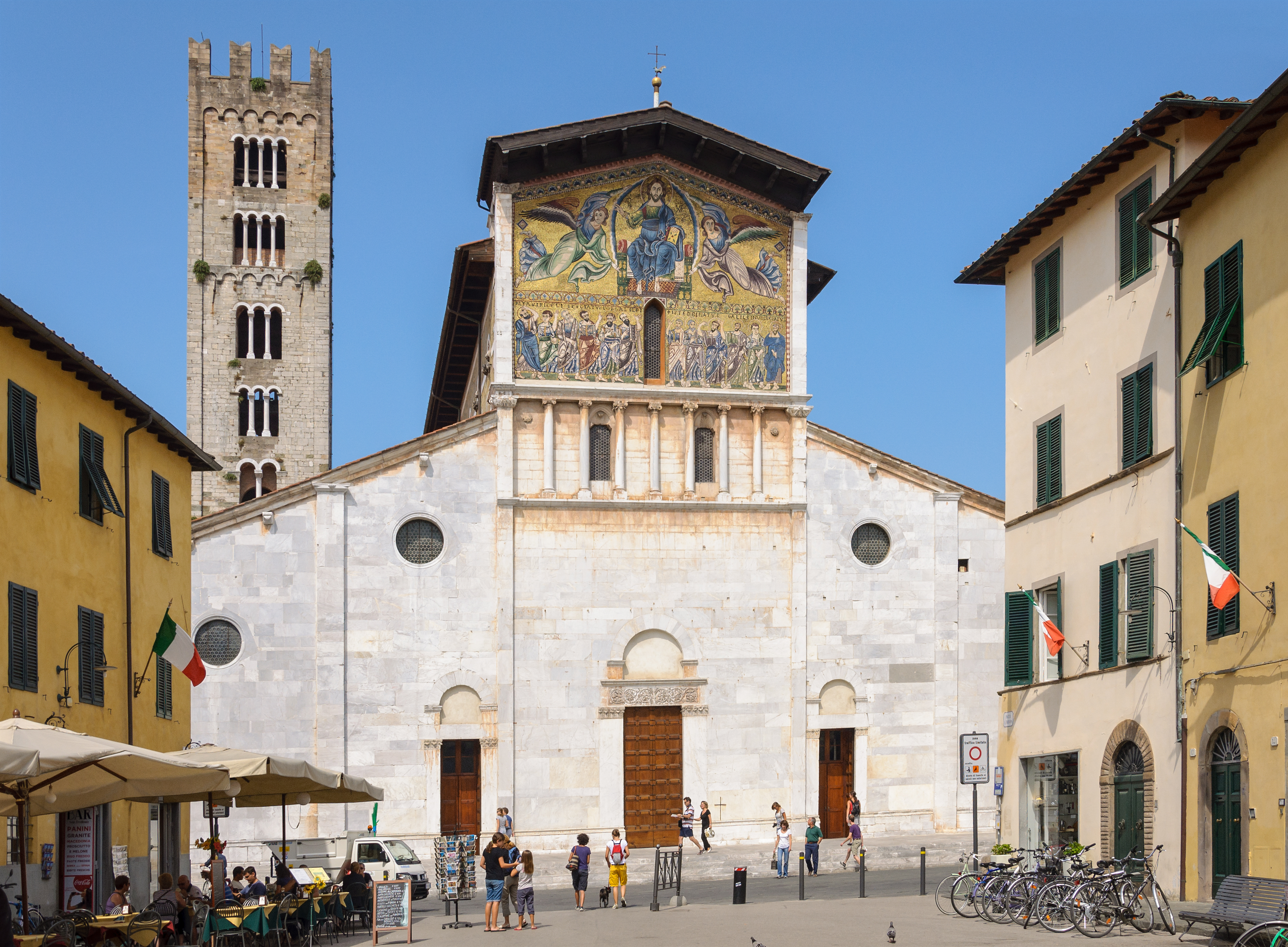 Basilica di San FredianoAttraction · 30 min · Free
The Basilica di San Frediano is one of Lucca's oldest and most striking churches, immediately recognisable by the enormous 13th-century golden mosaic of the Ascension on its upper façade. The interior houses romanesque carved capitals and a remarkable 12th-century baptismal font.
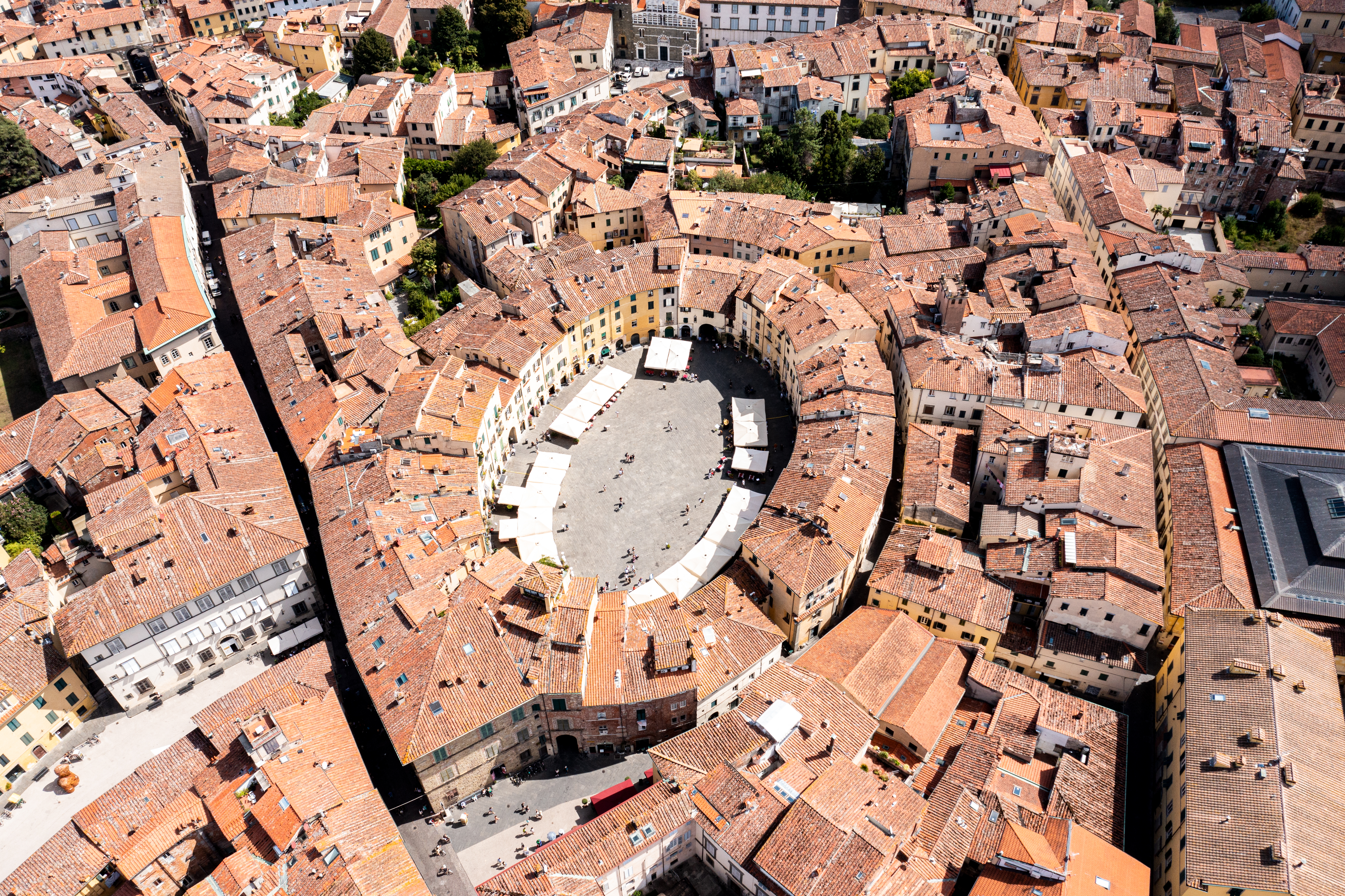 Piazza dell'AnfiteatroAttraction · 30 min · Free
Piazza dell'Anfiteatro is an elliptical public square built on the ruins of a 2nd-century Roman amphitheatre. Its distinctive oval shape, defined by a continuous ring of medieval buildings in ochre and terracotta hues, makes it one of Italy's most photographable piazzas.
- Piazza San MicheleAttraction · 20 min · Free
Piazza San Michele marks the site of the ancient Roman forum and remains the social heart of Lucca. Dominated by the towering façade of San Michele in Foro, the square is ringed with historic palazzi and bustles with café life.
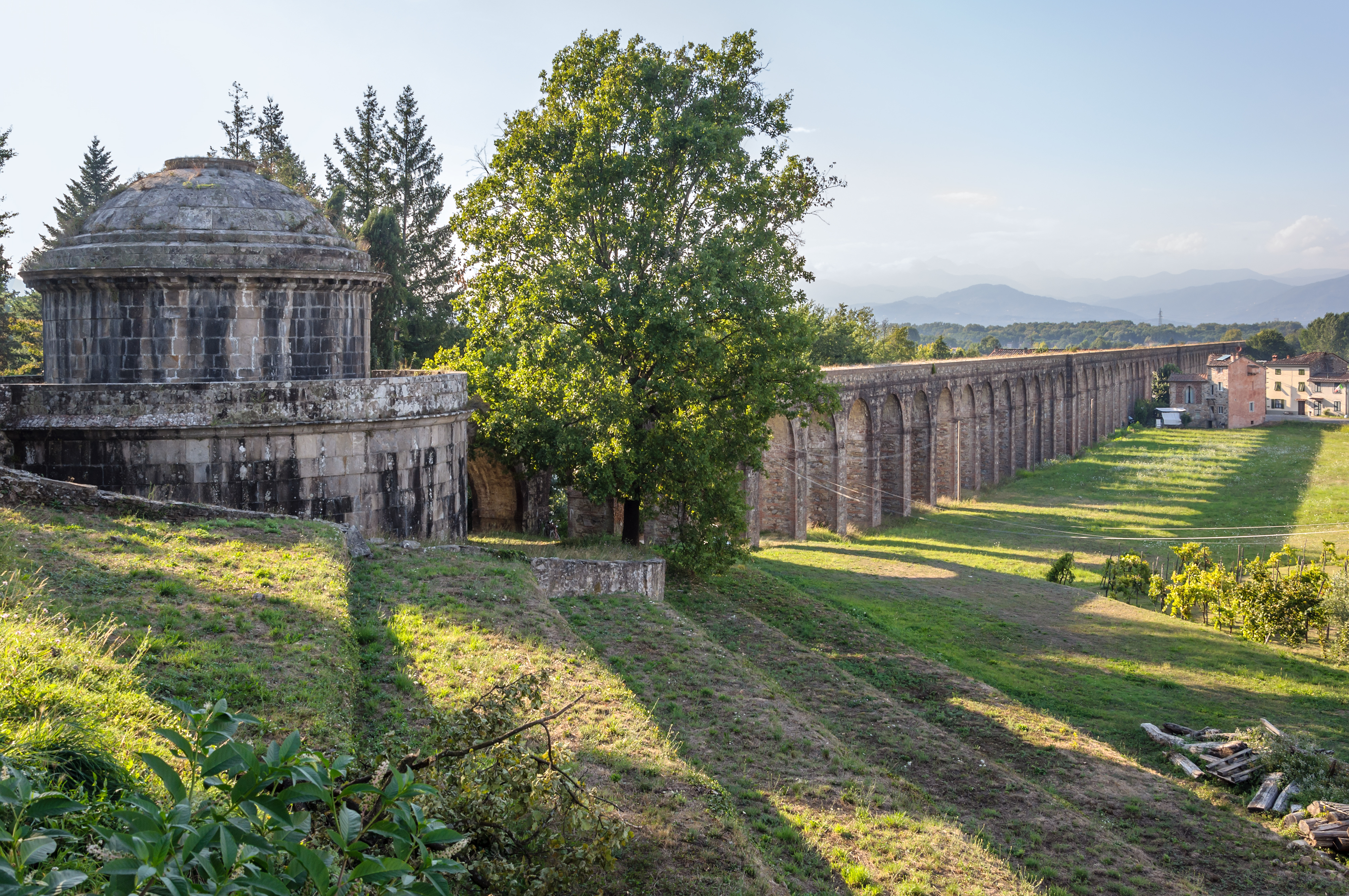 Acquedotto del NottoliniAttraction · 30 min · Free
The Acquedotto del Nottolini is a striking neoclassical aqueduct stretching over 3 km from the springs of the Guamo valley into the city. Its 459 arches marching across open countryside create a miniature Roman-aqueduct landscape surprisingly close to the city.
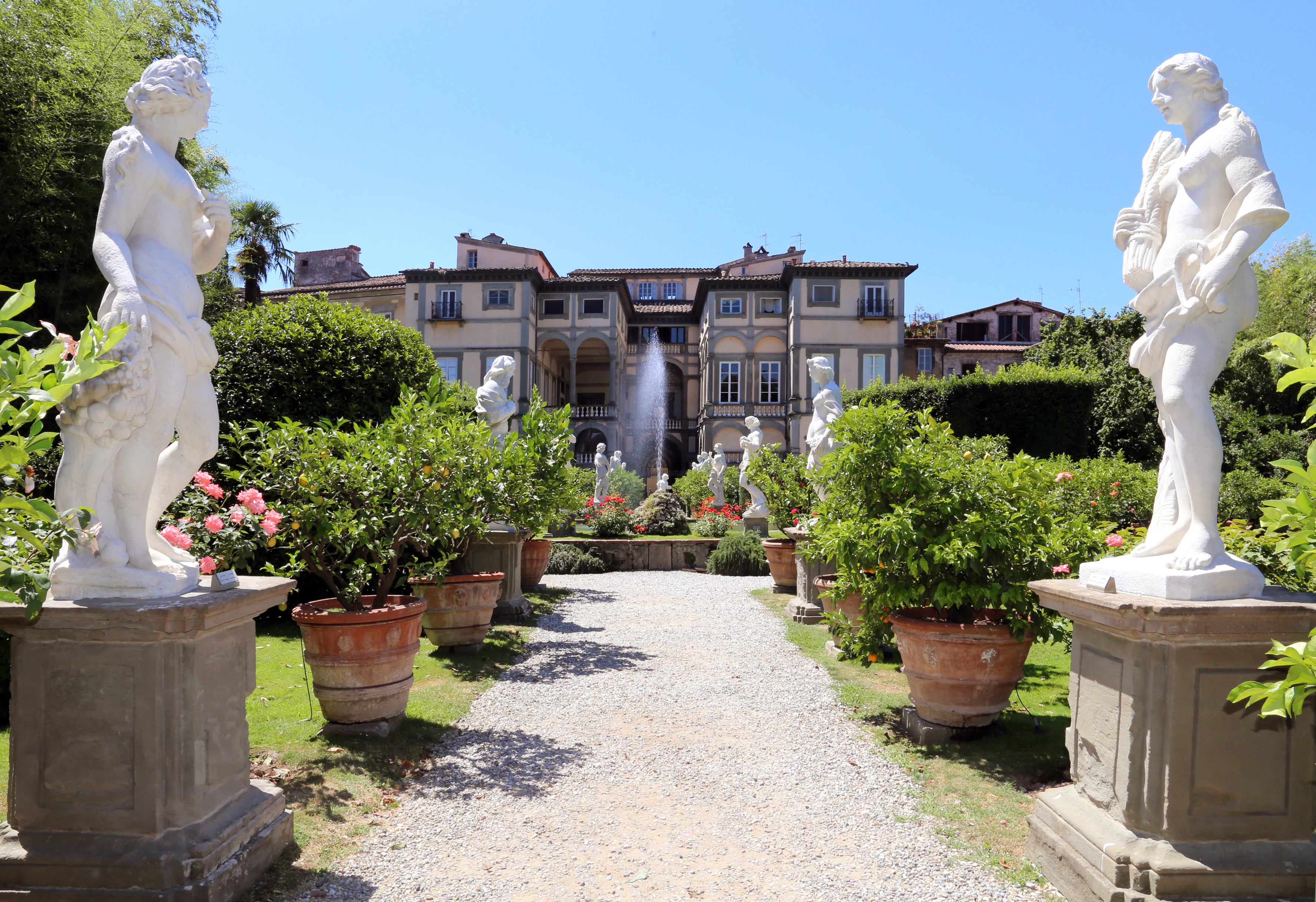 Palazzo PfannerAttraction · 45 min · €7
Palazzo Pfanner is an elegant 17th-century palace housing a Baroque Italian garden and a collection of medical instruments. The garden, framed by lemon trees and 18th-century statuary, was famously used as a filming location for Jane Campion's The Portrait of a Lady.
- Chiesa di San Michele in ForoAttraction · 25 min · Free
Chiesa di San Michele in Foro stands on the site of the ancient Roman forum, its towering Pisan-Romanesque façade soaring far above the nave roof. The multi-tiered loggia of twisted columns and inlaid marble is crowned by a 4-metre statue of the Archangel Michael.
 Cattedrale di San MartinoAttraction · 45 min · €3
The Cattedrale di San Martino is Lucca's Romanesque-Gothic cathedral, notable for its asymmetrical façade of intricately carved marble columns — each one unique. The interior houses Jacopo della Quercia's marble tomb of Ilaria del Carretto, considered a masterpiece of early Renaissance funerary sculpture.
 Chiesa dei Santi Giovanni e ReparataAttraction · 40 min · €4
The complex of Santi Giovanni e Reparata encompasses a 12th-century church and an archaeological excavation revealing layers of Roman, Early Christian, and medieval Lucca beneath the present floor level.
- Piazza NapoleoneAttraction · 20 min · Free
Piazza Napoleone is Lucca's grandest formal square, dominated by the neoclassical Palazzo Ducale (now provincial government offices). Created during the Napoleonic era by demolishing medieval buildings, the broad open space contrasts with Lucca's typically narrow streets.