Loading city...
Skip to main content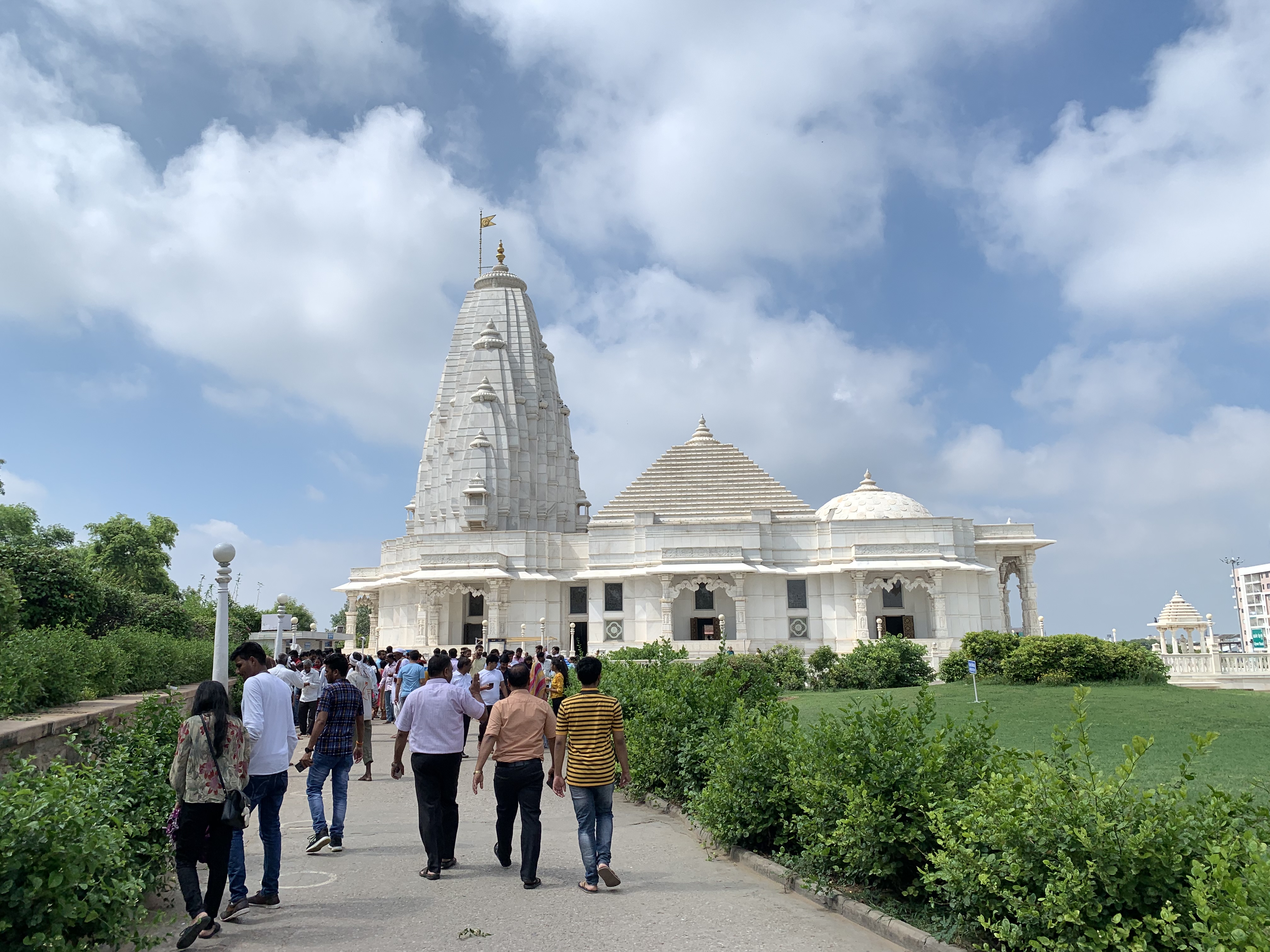
Parks in Jaipur
5 parks selected in this guide.
 Central Park JaipurPark · 1h · Free
Jaipur's Central Park is a vast urban green space stretching along a 3-km strip in the heart of the city. Developed in 2006, it features India's tallest national flag (206 feet), walking and jogging tracks, and a musical fountain — a popular evening gathering spot for locals.
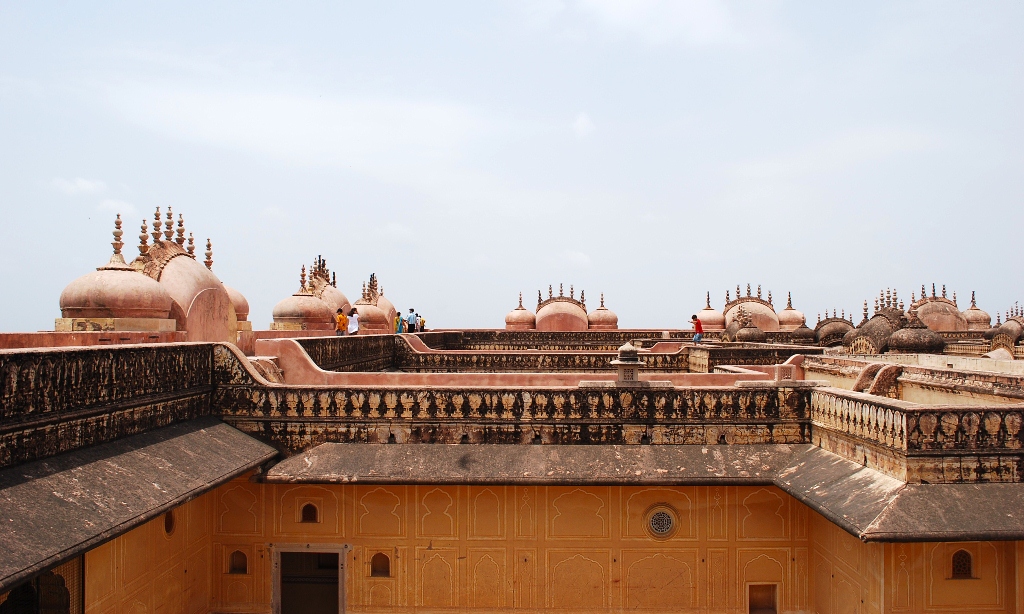 Nahargarh Biological ParkPark · 2h · ₹200
Nahargarh Biological Park is a 7.2-square-kilometre wildlife sanctuary spread across the rocky, forested foothills below Nahargarh Fort. It houses native Rajasthani species in semi-natural enclosures and offers a safari experience on the city's doorstep.
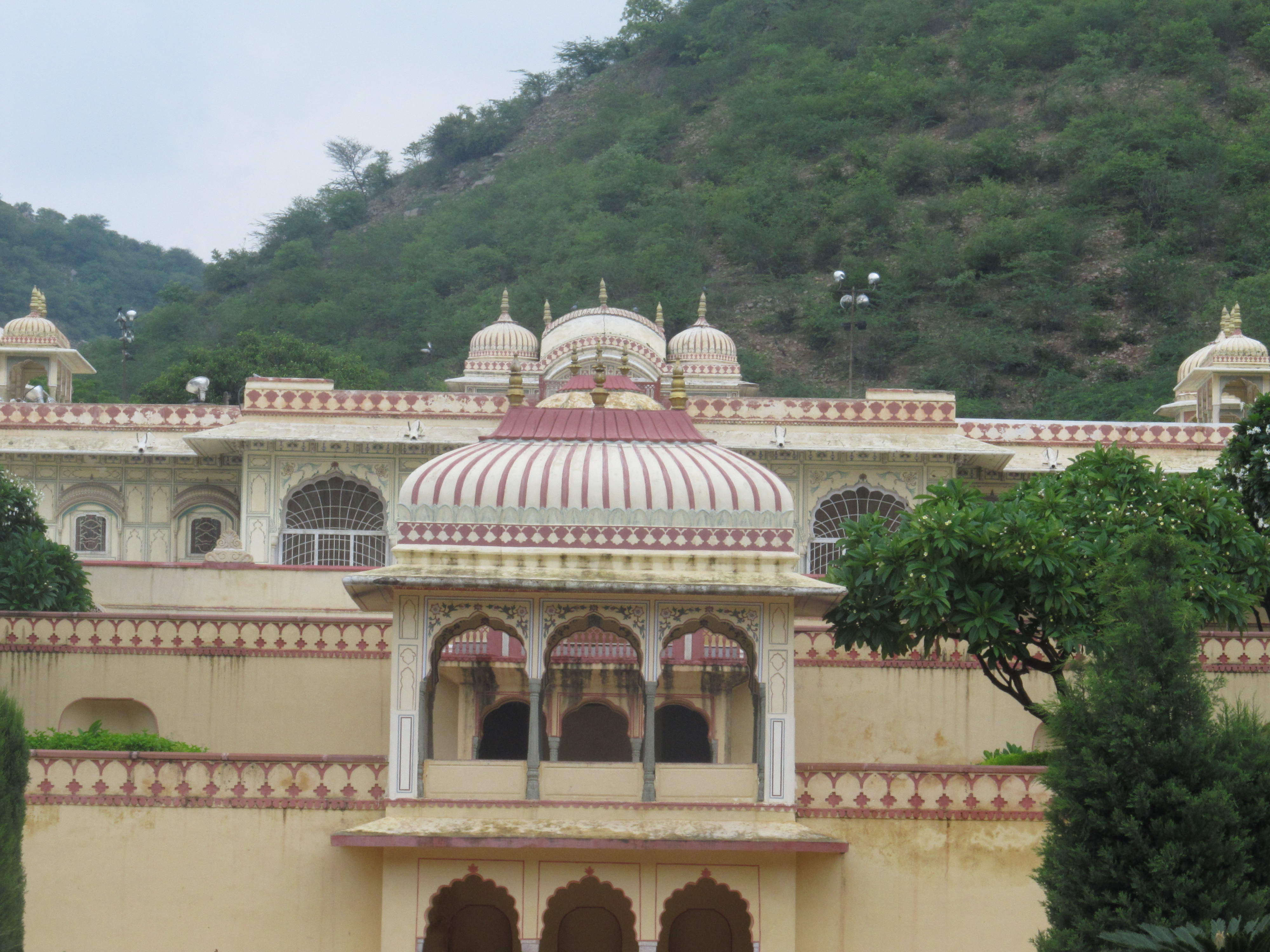 Sisodiya Rani GardenPark · 1h · ₹50
Sisodiya Rani Garden is a terraced Mughal-style garden built in 1728 by Maharaja Sawai Jai Singh II for his queen from Udaipur's Sisodia dynasty. With painted pavilions, multi-tiered fountains, and murals depicting scenes from Lord Krishna's life, it is one of the most serene retreats on Jaipur's outskirts.
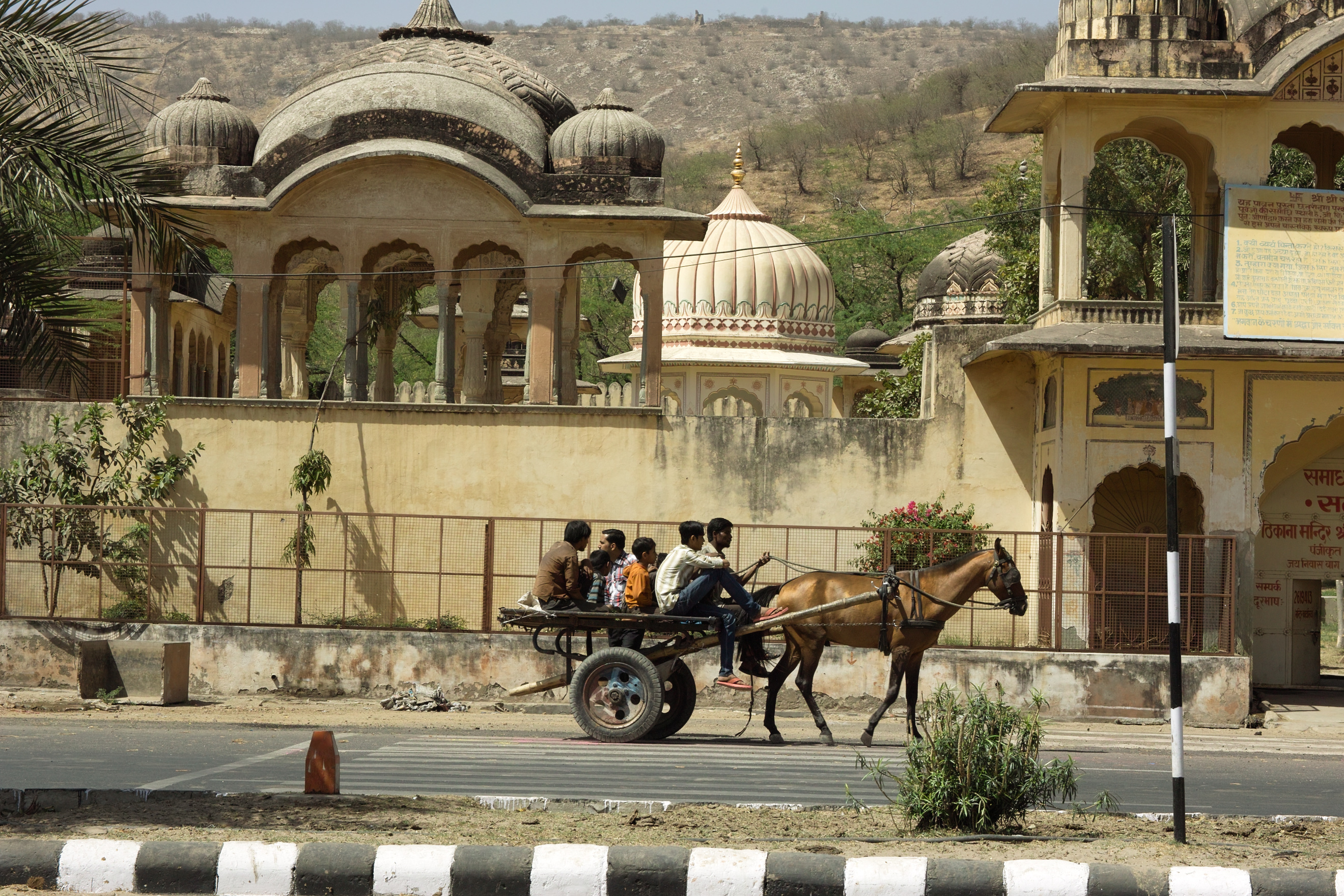 Kanak Vrindavan GardenPark · 45 min · ₹25
Kanak Vrindavan is a peaceful Mughal-influenced garden at the foot of the Nahargarh hills, situated along the road to Amber Fort. Built around marble temples and ornamental fountains, it offers a serene contrast to Jaipur's busier attractions.
 Ram Niwas GardenPark · 1h · Free
Ram Niwas Garden is a historic 30-acre public garden established in 1868 by Maharaja Sawai Ram Singh II as a famine-relief project. Home to the Albert Hall Museum, a zoo, a herbarium, and an open-air theatre, it is both a green lung and a cultural hub in central Jaipur.