Loading city...
Skip to main content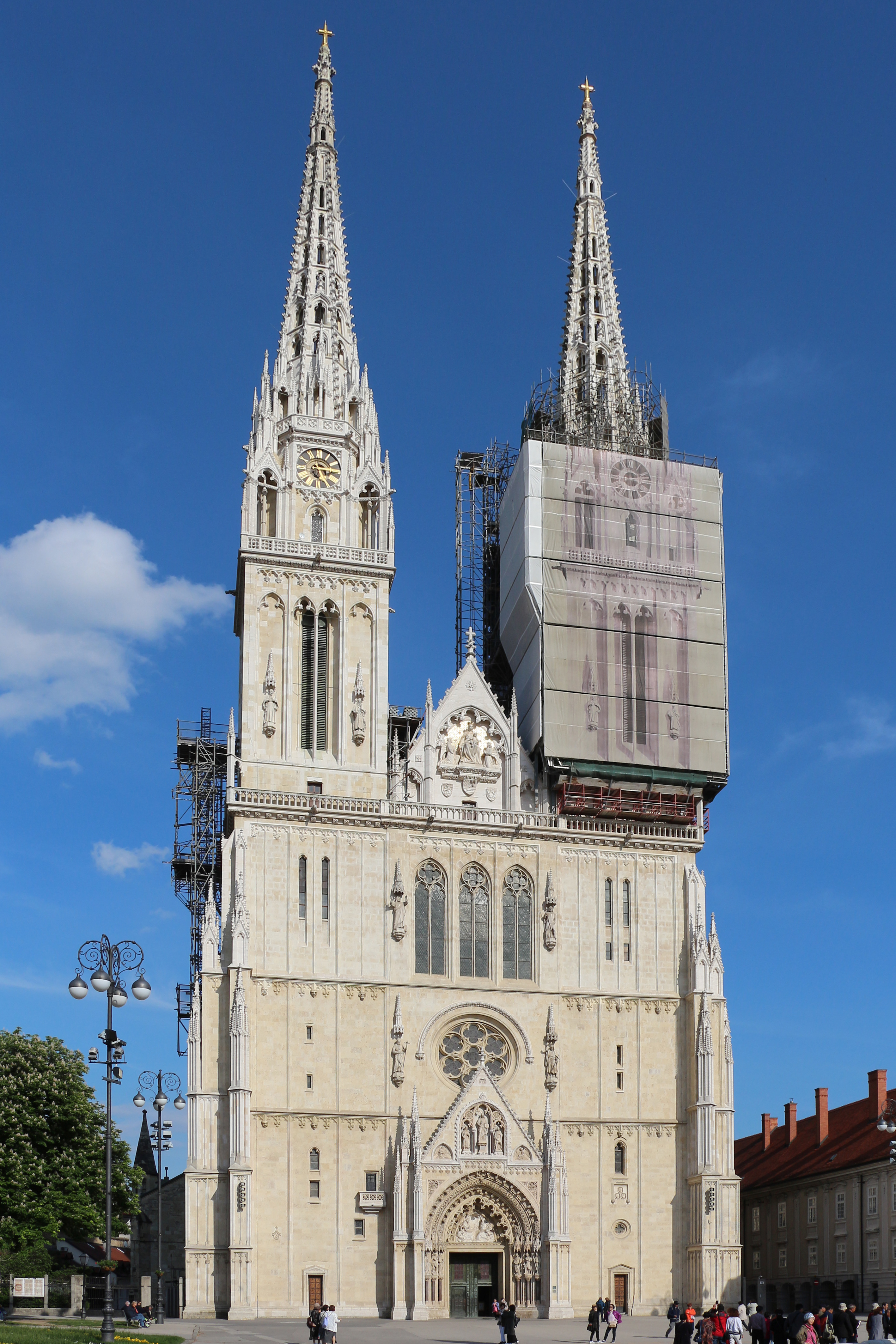
Attractions in Zagreb
9 attractions selected in this guide.
- Zagreb CathedralAttraction · 45 min · Free
Zagreb Cathedral (Cathedral of the Assumption of the Blessed Virgin Mary) is Croatia's tallest building and the most monumental sacral structure in the country. Its twin neo-Gothic spires, reaching 108 metres, dominate the city skyline and have been a symbol of Zagreb since their completion in 1902.
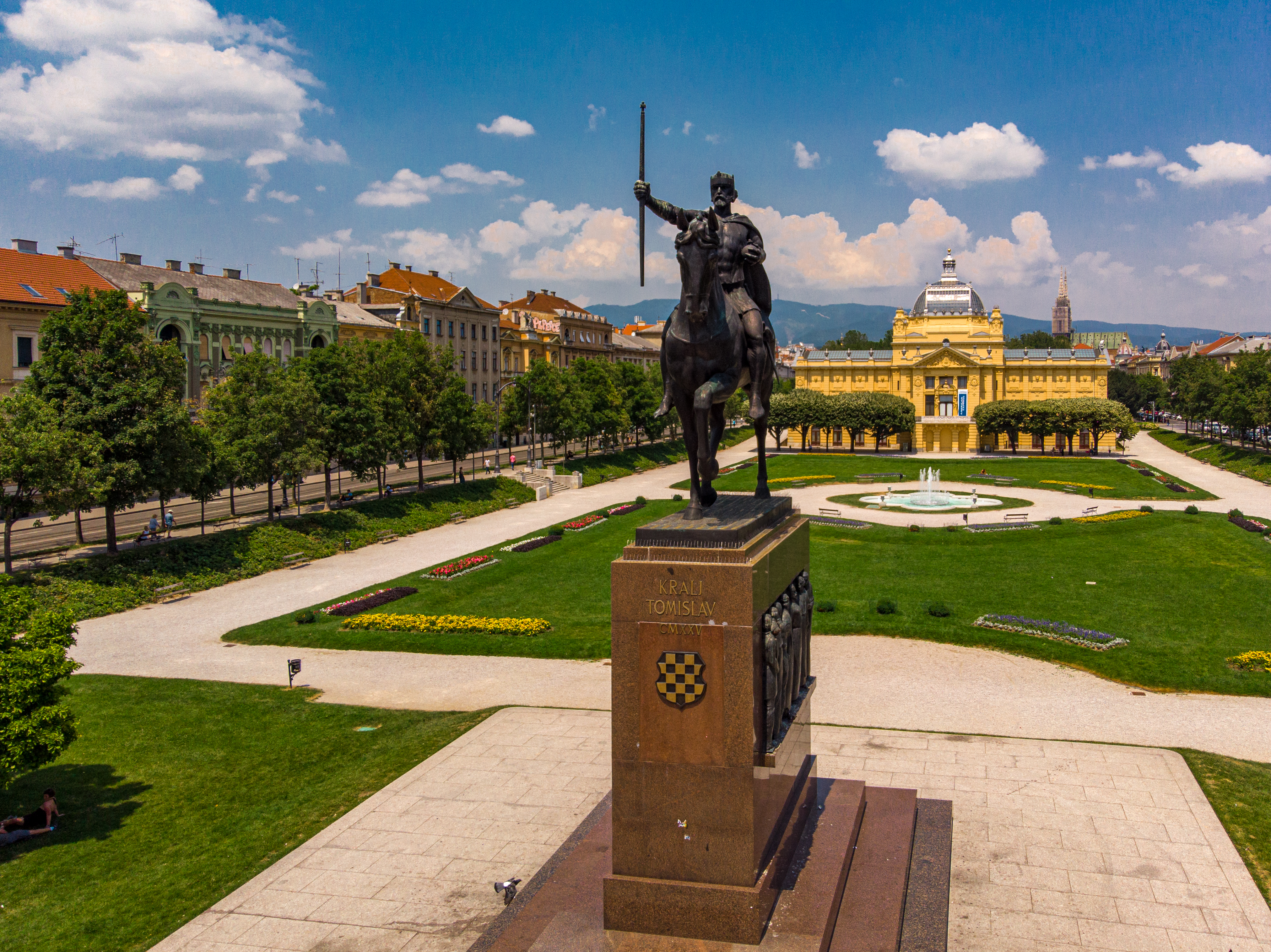 King Tomislav SquareAttraction · 20 min · Free
King Tomislav Square is the grandest of Zagreb's Lower Town squares, a long green park stretching from the main train station to the Art Pavilion. The equestrian statue of Croatia's first king anchors the square's northern end.
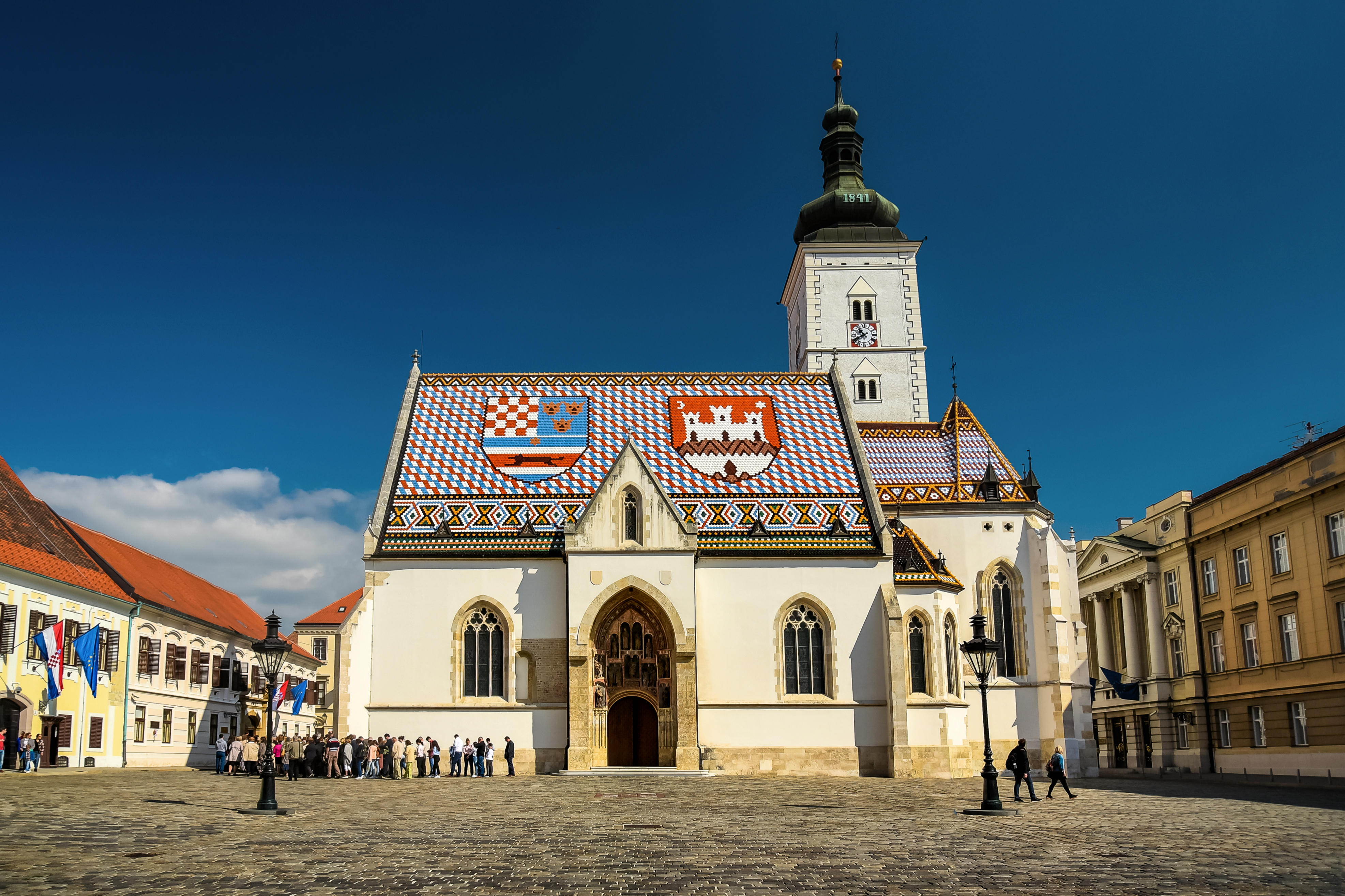 St. Mark's ChurchAttraction · 30 min · Free
St. Mark's Church is one of Zagreb's most recognizable landmarks, famous for its colorful tiled roof depicting the coats of arms of Croatia, Dalmatia, Slavonia, and the City of Zagreb. It sits at the heart of Gornji Grad, flanked by the Croatian Parliament and the Government Palace.
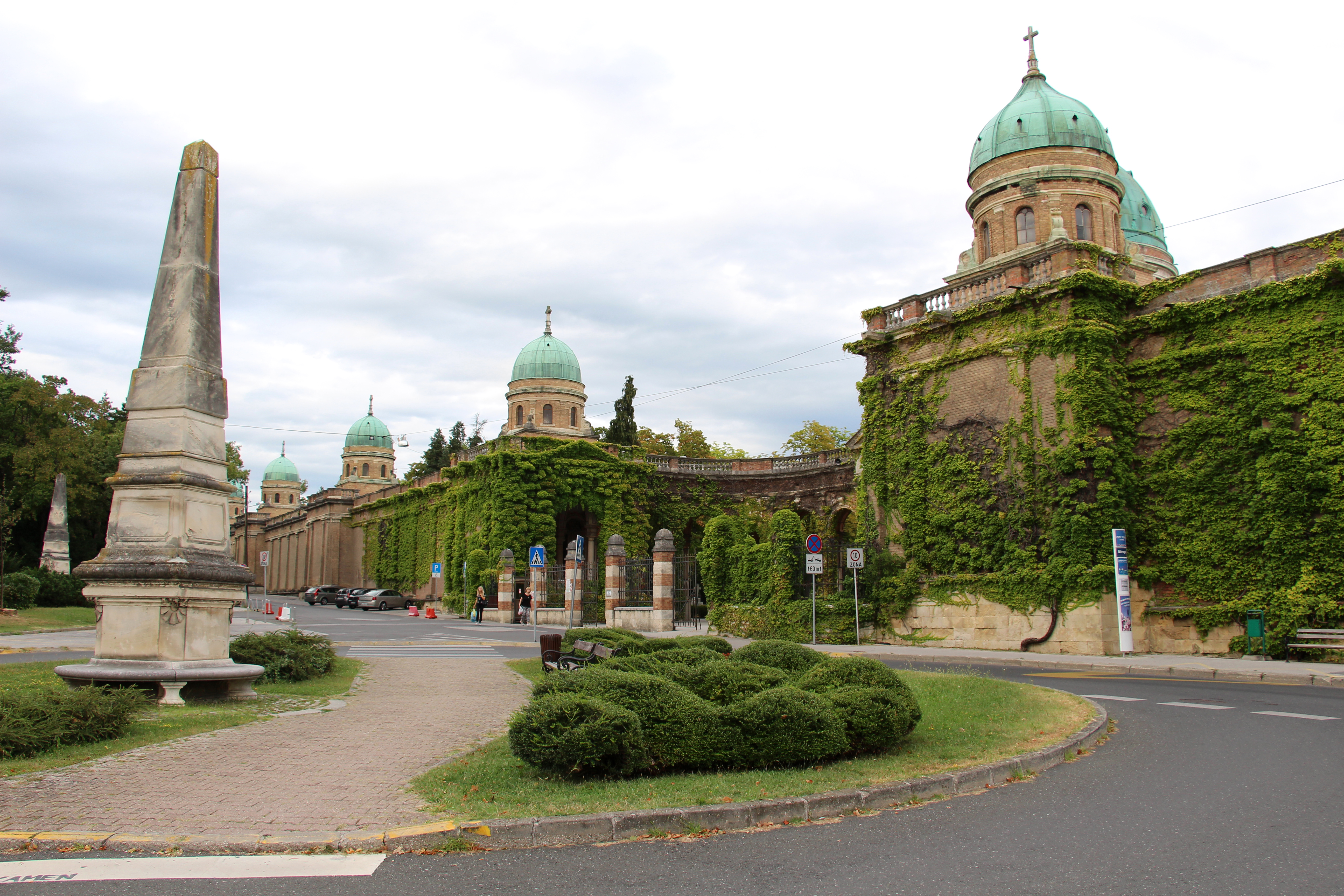 Mirogoj CemeteryAttraction · 1h · Free
Mirogoj Cemetery is one of Europe's most beautiful burial grounds, featuring a monumental neo-Renaissance arcade entrance designed by Hermann Bollé. Often described as an open-air sculpture gallery, it serves all faiths and is both a functioning cemetery and a cultural landmark.
 Croatian National TheatreAttraction · 1.5h · €15
The Croatian National Theatre (HNK) is a magnificent neo-Baroque building inaugurated in 1895 by Emperor Franz Joseph I. It hosts opera, ballet, and drama performances and stands as one of Zagreb's finest architectural landmarks.
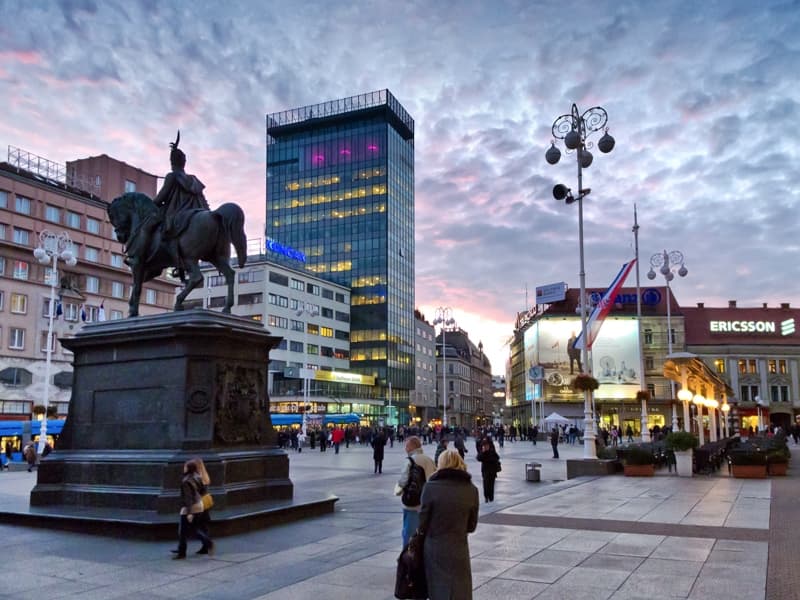 Ban Josip Jelačić SquareAttraction · 30 min · Free
Ban Josip Jelačić Square is Zagreb's central square and the natural meeting point of the Upper and Lower Towns. Named after the 19th-century Croatian Ban (viceroy), it buzzes with tram traffic, street performers, and café terraces from dawn to late evening.
 Medvedgrad FortressAttraction · 2h · Free
Medvedgrad is a 13th-century fortress on the southern slopes of Medvednica mountain, overlooking Zagreb from an altitude of 583 metres. Partially restored, it now serves as a memorial site and viewpoint with commanding views over the entire city and beyond.
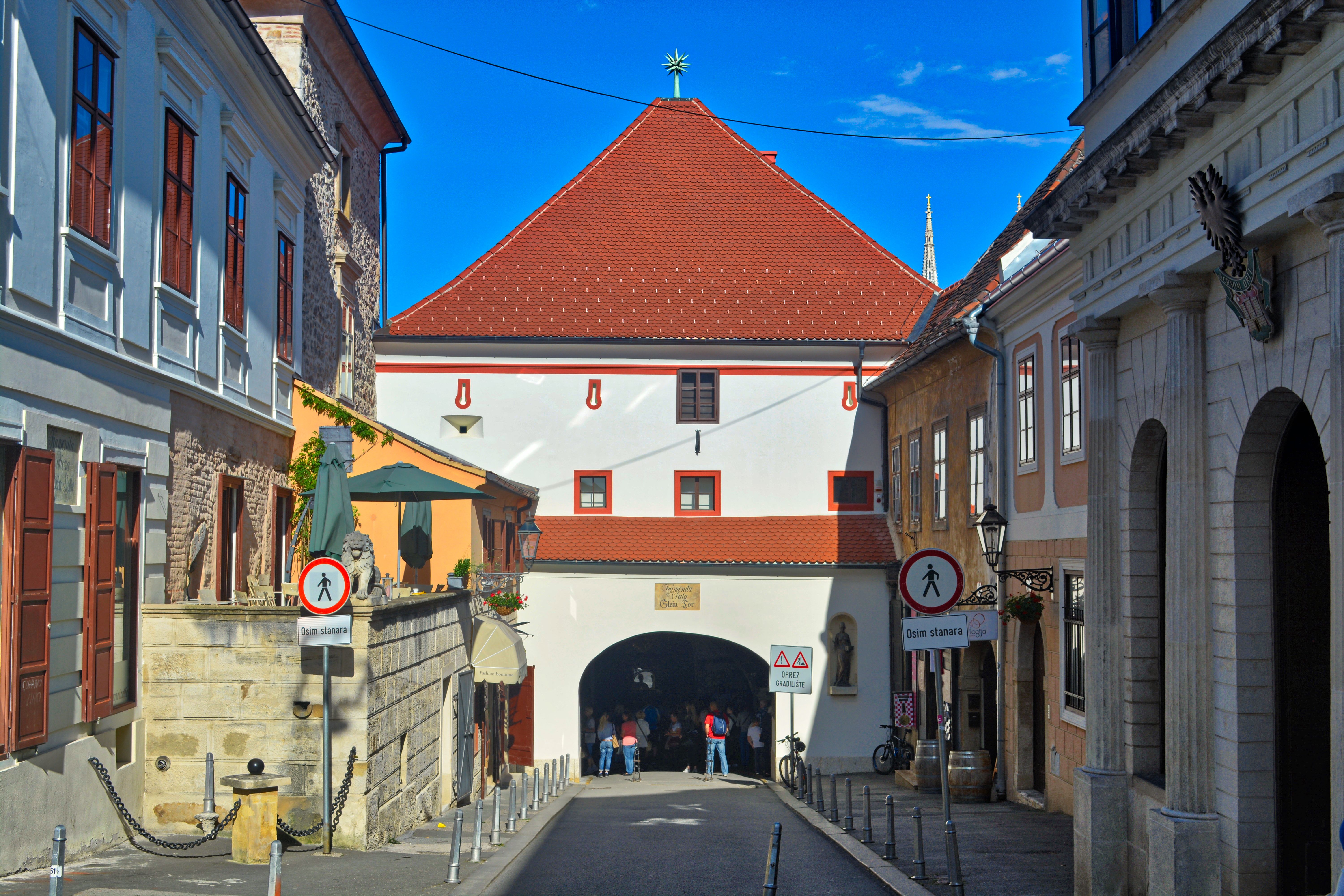 Stone GateAttraction · 15 min · Free
Stone Gate (Kamenita vrata) is the only surviving gate of the medieval Gradec fortifications. Inside, a small chapel houses a revered image of the Virgin Mary, which according to legend survived a devastating fire in 1731 unscathed.
 Croatian State ArchivesAttraction · 30 min · Free
The Croatian State Archives building is one of Zagreb's most striking Art Nouveau structures, featuring a richly decorated façade with allegorical sculptures. While primarily a working archive, its exterior alone makes it worth a detour.