Loading city...
Skip to main content
Attractions in Barcelona
16 attractions selected in this guide.
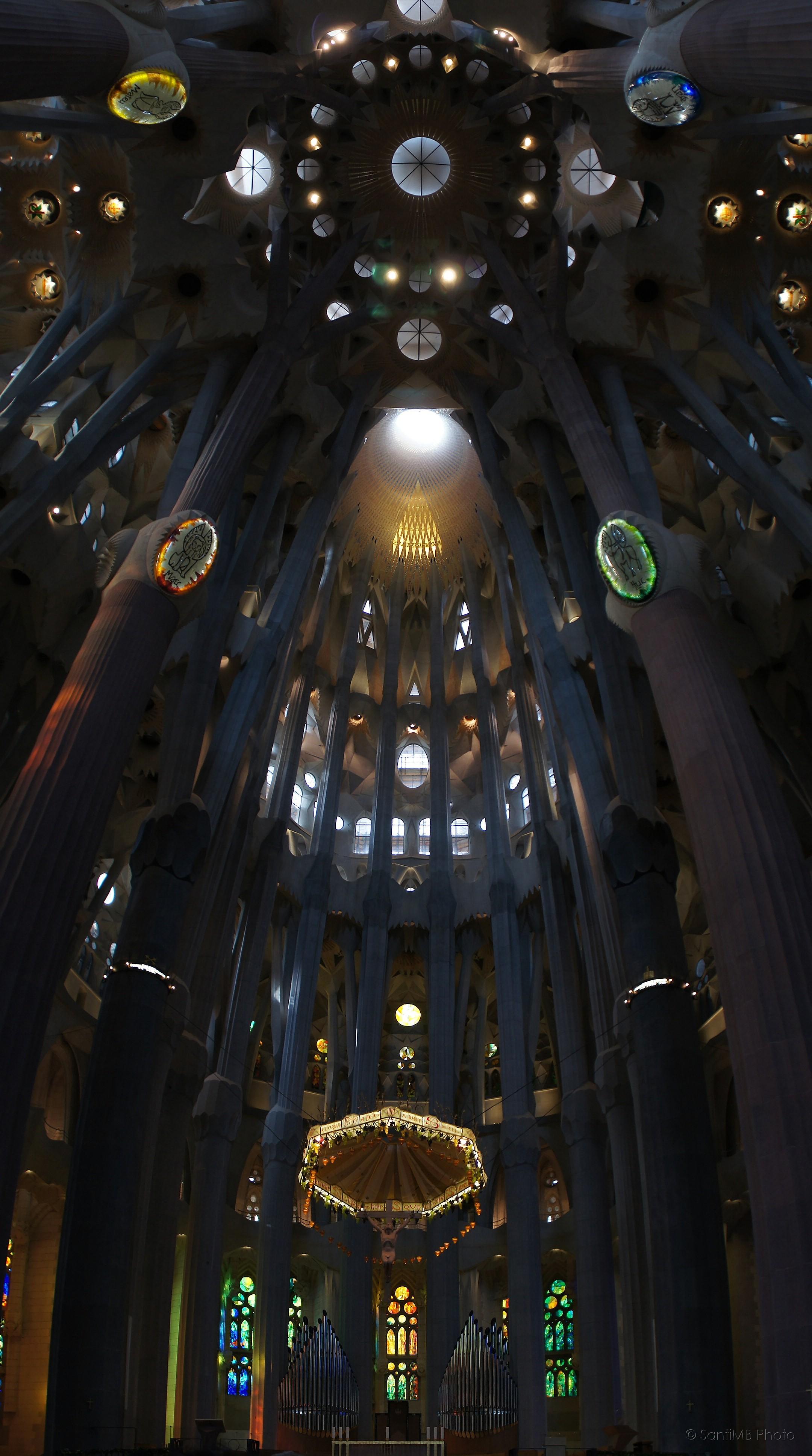 Sagrada FamíliaAttraction · 2h · €26
The Basílica de la Sagrada Família is Antoni Gaudí's monumental unfinished masterpiece and Barcelona's most visited landmark. Under construction since 1882, it blends Gothic and Art Nouveau forms into a forest-like interior flooded with coloured light from its stained-glass windows.
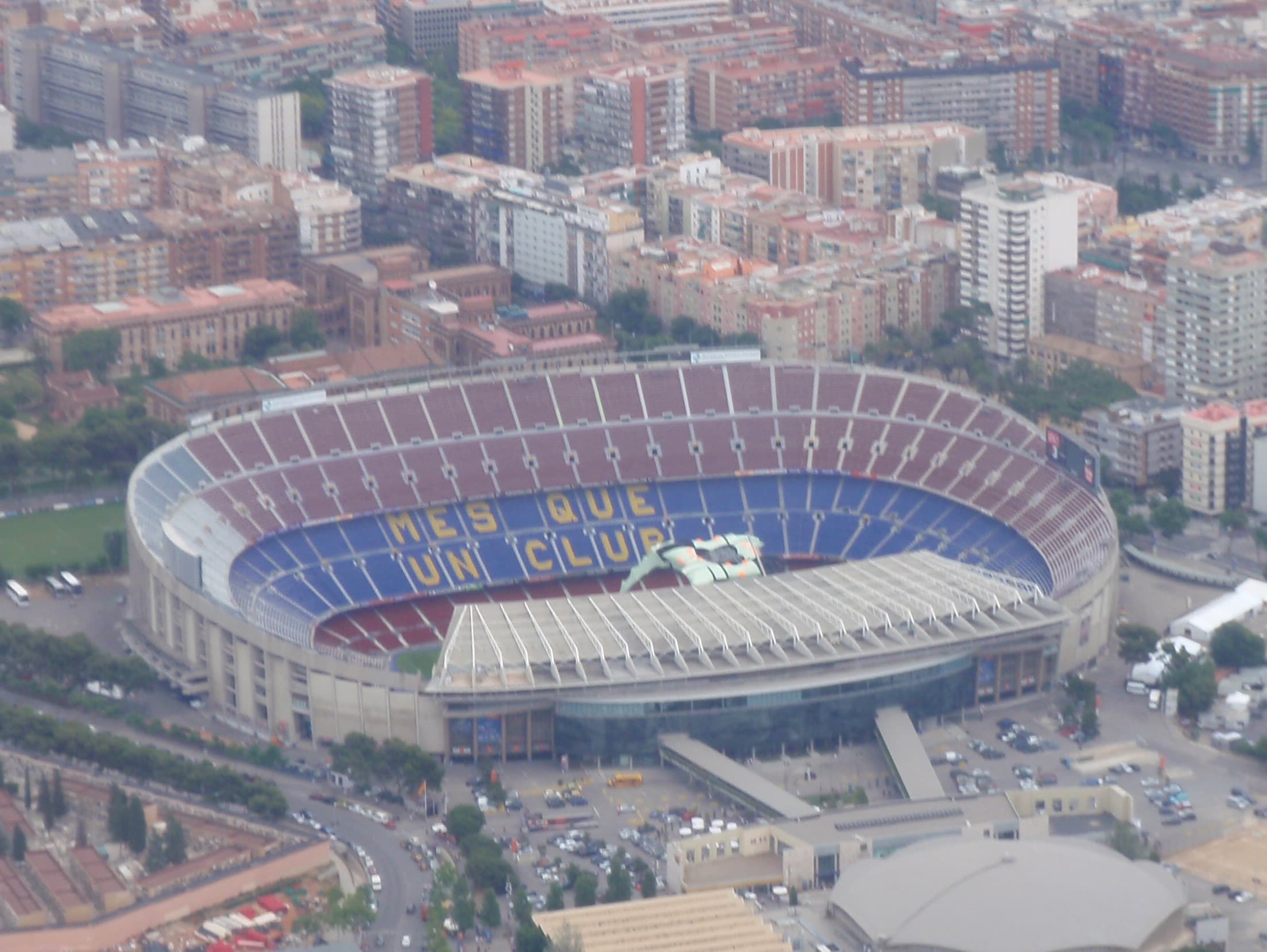 Camp NouAttraction · 2h · €28
Camp Nou is the home stadium of FC Barcelona and one of the largest football stadiums in the world with a capacity of 99,354. The Camp Nou Experience tour brings visitors through the players' tunnel, the pitch-side, the press room, and the club museum.
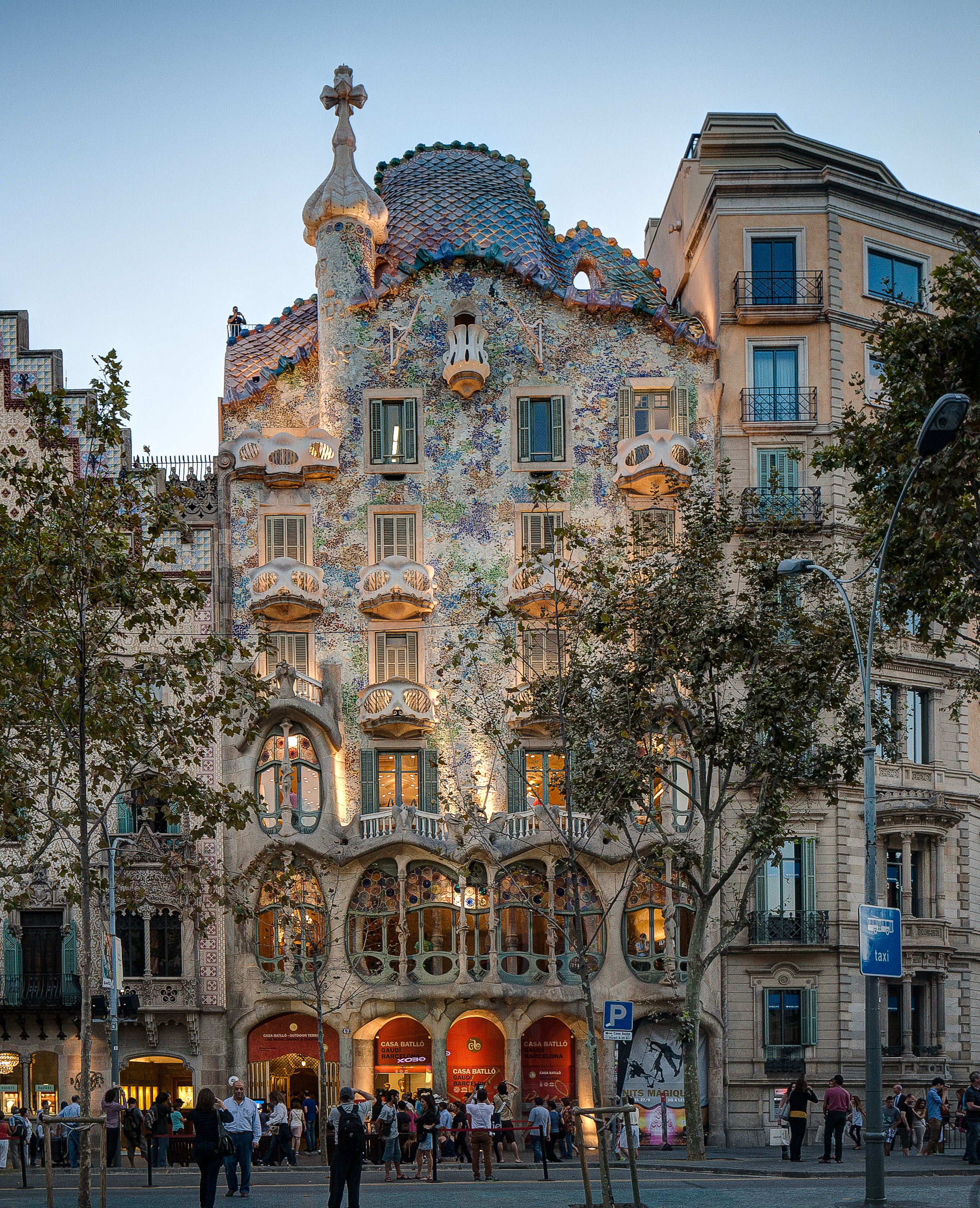 Casa BatllóAttraction · 1.3h · €35
Casa Batlló is one of Gaudí's most fantastical works — a residential building on Passeig de Gràcia whose facade resembles a living organism with skeletal balconies, iridescent tiles, and a dragon-spine rooftop.
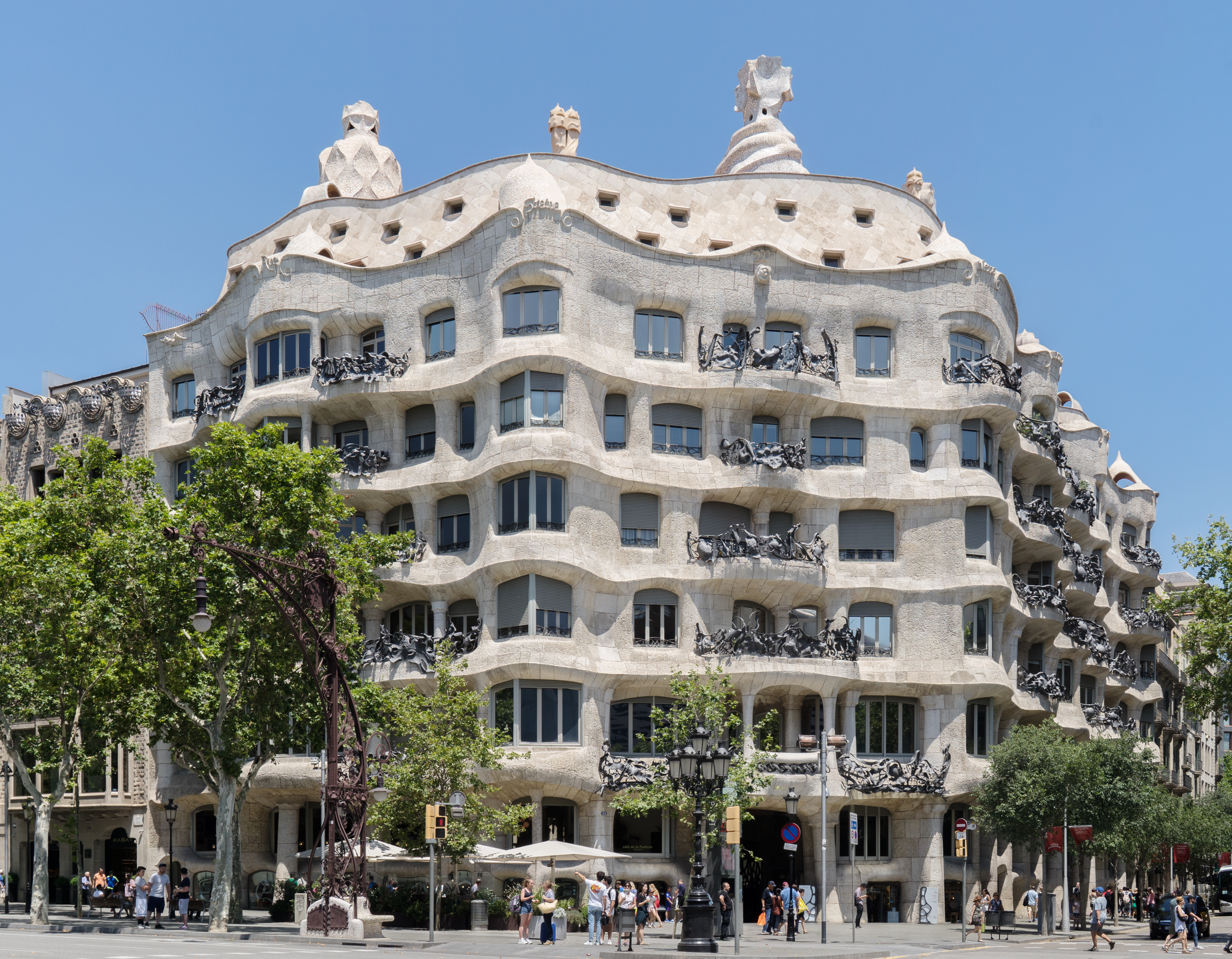 Casa Milà (La Pedrera)Attraction · 1.3h · €29
Casa Milà (La Pedrera) is Gaudí's last civil work before dedicating himself entirely to the Sagrada Família — a wave-like stone apartment building whose rooftop of helmeted chimney warriors has become a symbol of Barcelona.
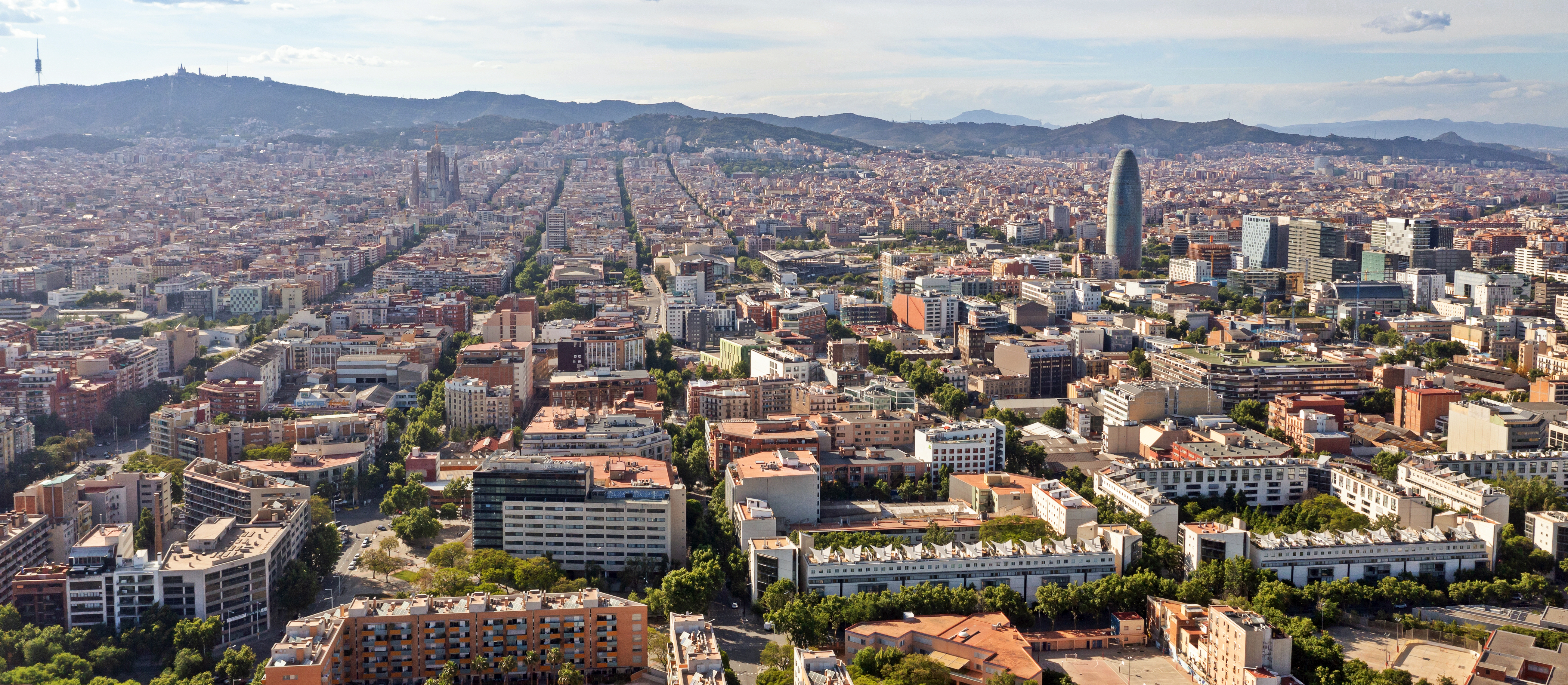 Barcelona CathedralAttraction · 45 min · €16
The Cathedral of the Holy Cross and Saint Eulalia is Barcelona's Gothic cathedral, dominating the Barri Gòtic with its ornate facade, soaring nave, and a serene cloister where 13 white geese have been kept since medieval times.
 La RamblaAttraction · 45 min · Free
La Rambla is Barcelona's most famous promenade — a 1.2-kilometre tree-lined boulevard stretching from Plaça de Catalunya to the Columbus Monument at the port, alive with flower stalls, street performers, and café terraces.
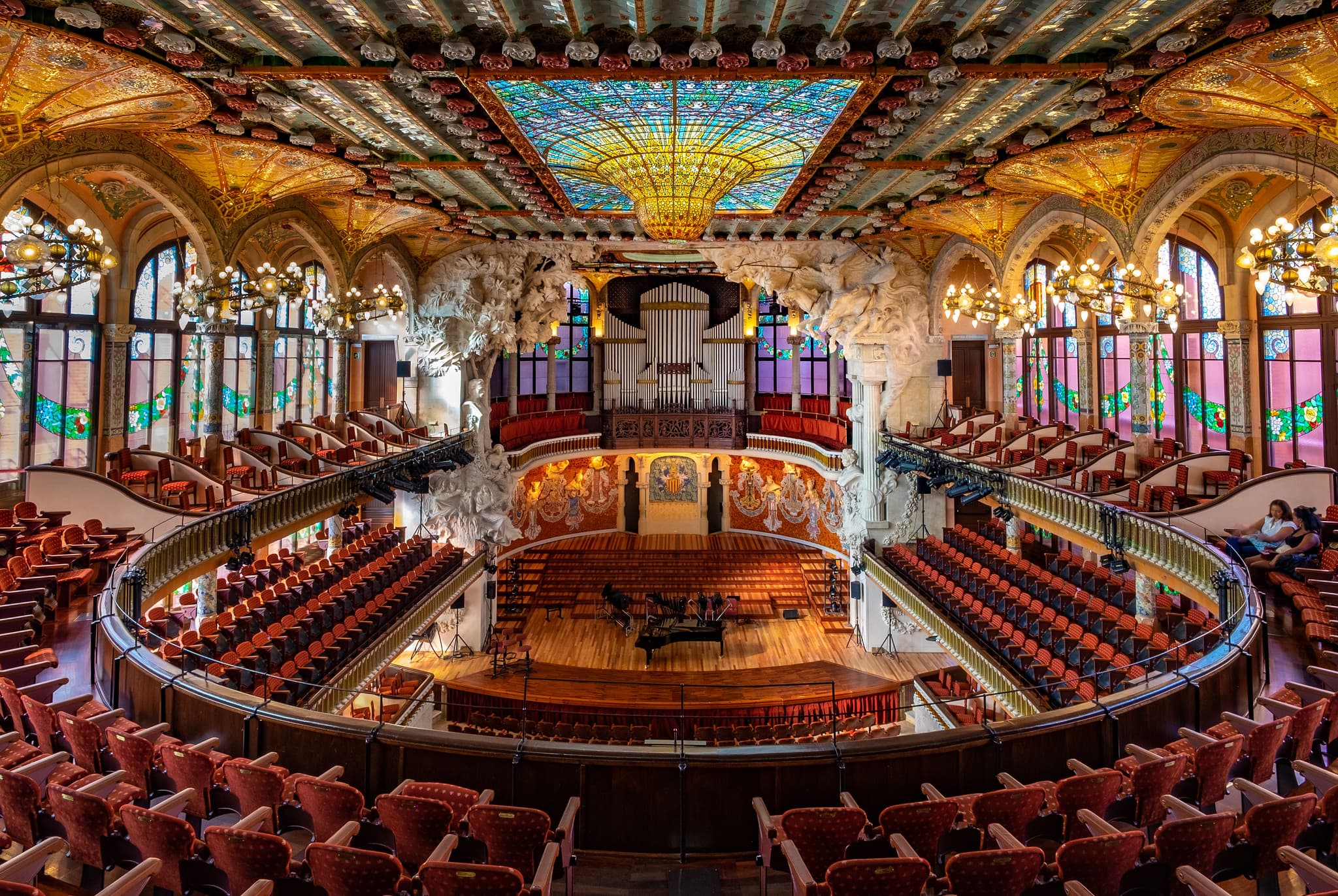 Palau de la Música CatalanaAttraction · 1h · €20
The Palau de la Música Catalana is a UNESCO World Heritage concert hall designed by Lluís Domènech i Montaner — a masterpiece of Catalan Modernisme with an explosion of stained glass, mosaics, and sculptural ornamentation.
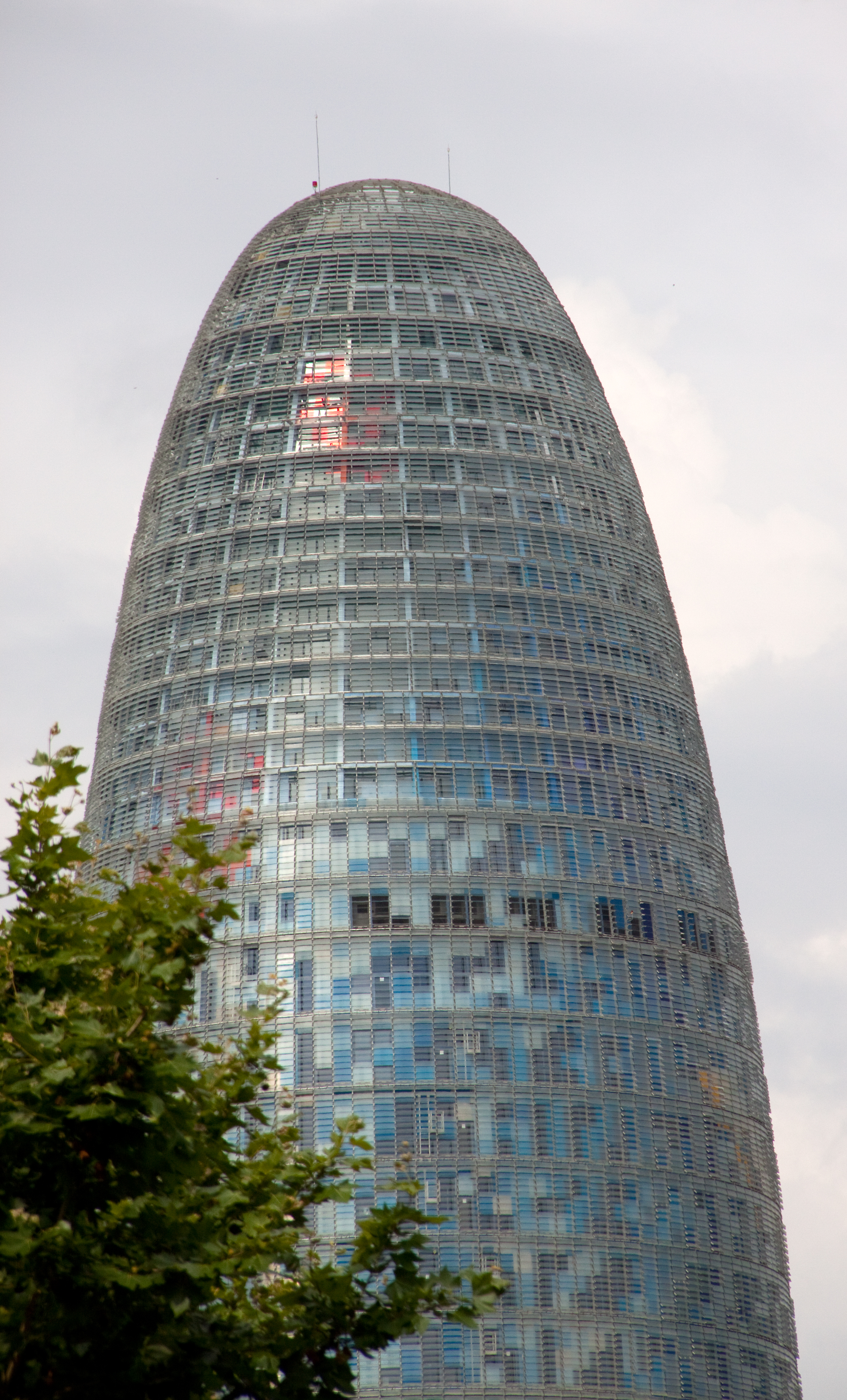 Torre GlòriesAttraction · 45 min · €18
Torre Glòries (formerly Torre Agbar) is a 34-storey, 144-metre skyscraper designed by French architect Jean Nouvel. Its distinctive bullet shape and multicolored glass façade make it one of Barcelona's most recognizable modern landmarks.
 Recinte Modernista de Sant PauAttraction · 1.5h · €17
The Recinte Modernista de Sant Pau is a UNESCO World Heritage complex of Art Nouveau pavilions designed by Lluís Domènech i Montaner. Originally built as a hospital (1902–1930), it is one of the largest and most elaborate Modernista ensembles in the world.
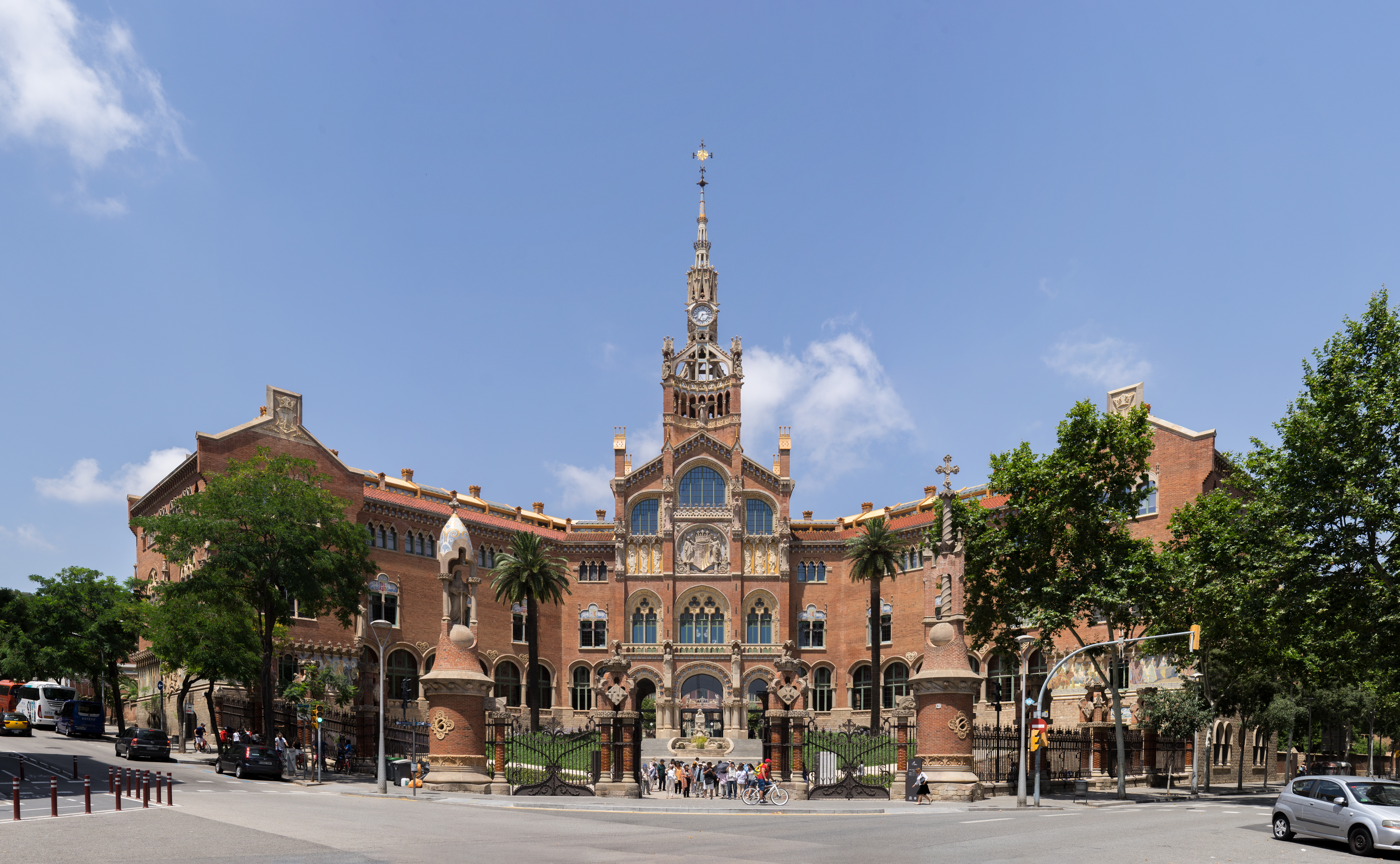 Hospital de Sant PauAttraction · 1.3h · €17
The Hospital de la Santa Creu i Sant Pau is a UNESCO-listed Modernista complex designed by Lluís Domènech i Montaner — a city of colourful pavilions connected by underground tunnels, rivalling Gaudí's works in ambition and beauty.
 Santa Maria del MarAttraction · 30 min · Free
Santa Maria del Mar is a stunning example of Catalan Gothic architecture in the Born quarter — built in just 54 years (1329–1383), an astonishing speed that gave it a rare architectural unity with soaring columns and a wide, luminous nave.
 Arc de TriomfAttraction · 15 min · Free
The Arc de Triomf is a red-brick Moorish Revival triumphal arch built as the main entrance to the 1888 Universal Exhibition. It marks the beginning of the wide promenade leading to Parc de la Ciutadella.
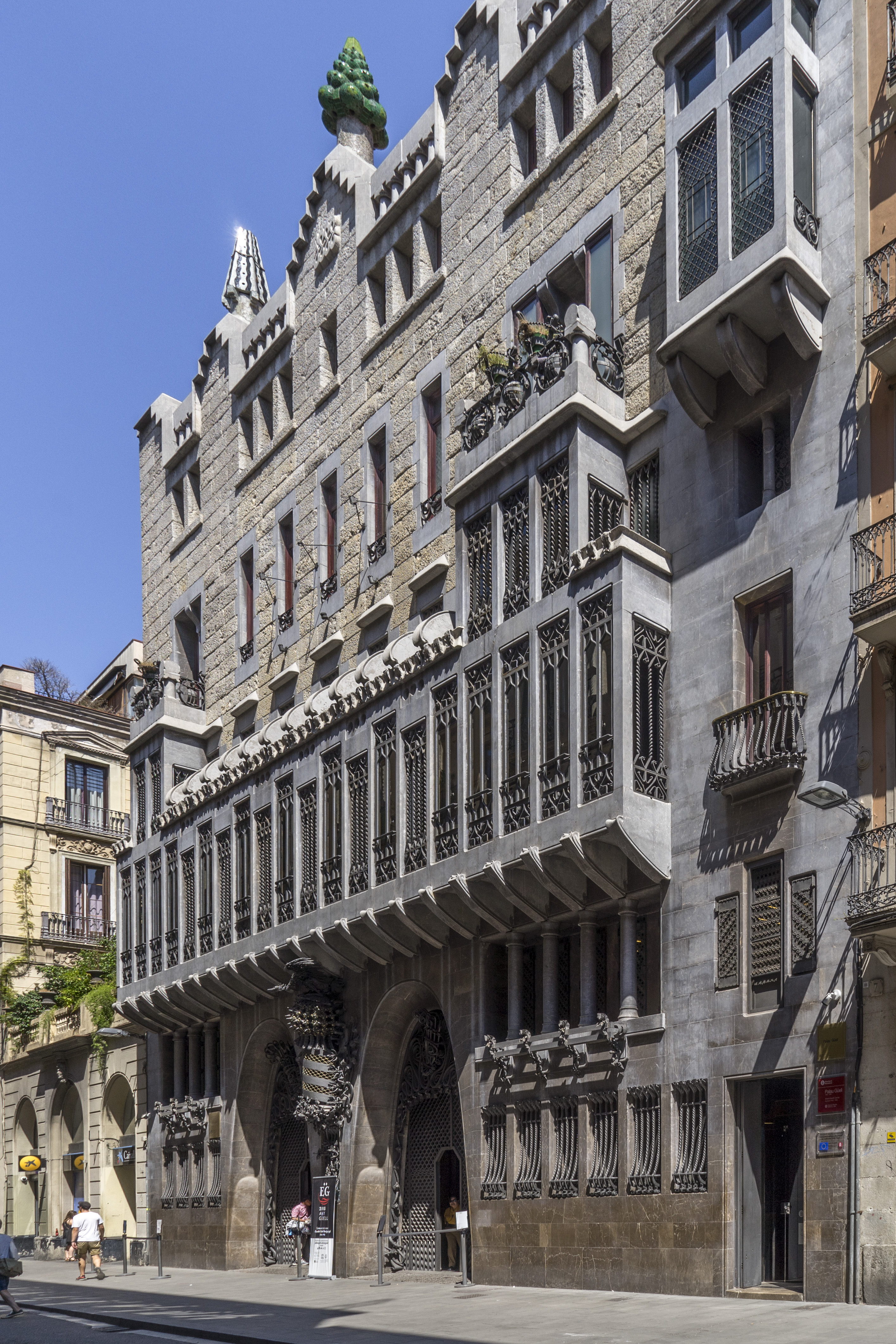 Palau GüellAttraction · 1h · €12
Palau Güell is one of Gaudí's earliest major works — a palatial townhouse built for his patron Eusebi Güell near La Rambla, featuring an extraordinary central hall, parabolic arches, and a fantastical rooftop of mosaic chimneys.
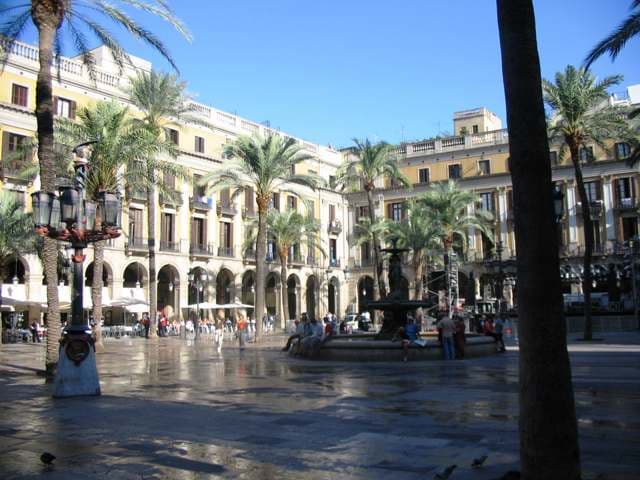 Plaça ReialAttraction · 20 min · Free
Plaça Reial is Barcelona's most elegant square — a colonnaded neoclassical plaza just off La Rambla with towering palm trees, a central fountain, and ornate lampposts designed by a young Antoni Gaudí.
 Monestir de PedralbesAttraction · 1.3h · €5
The Monestir de Pedralbes is a 14th-century Gothic monastery in the uptown Pedralbes district. Its three-story cloister — one of the finest in Europe — and the Chapel of Sant Miquel with murals by Ferrer Bassa make it a masterpiece of Catalan Gothic architecture.
 Sant Pau del CampAttraction · 30 min · €3
Sant Pau del Camp is one of Barcelona's oldest surviving churches, tucked away in the Raval neighborhood. Dating to the 10th century, it is the city's best example of Romanesque architecture, featuring a miniature cloister with trilobed arches.