Loading city...
Skip to main content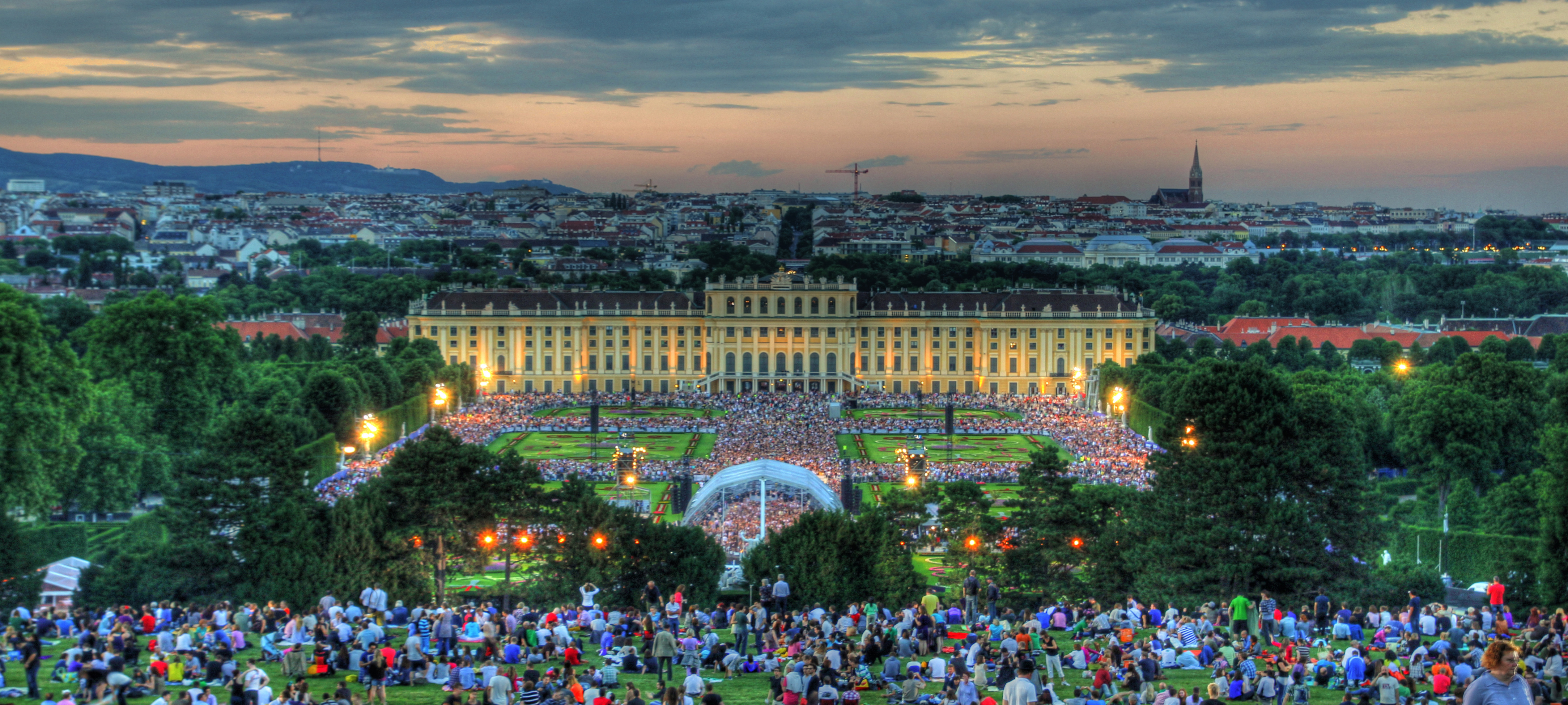
Attractions in Vienna
9 attractions selected in this guide.
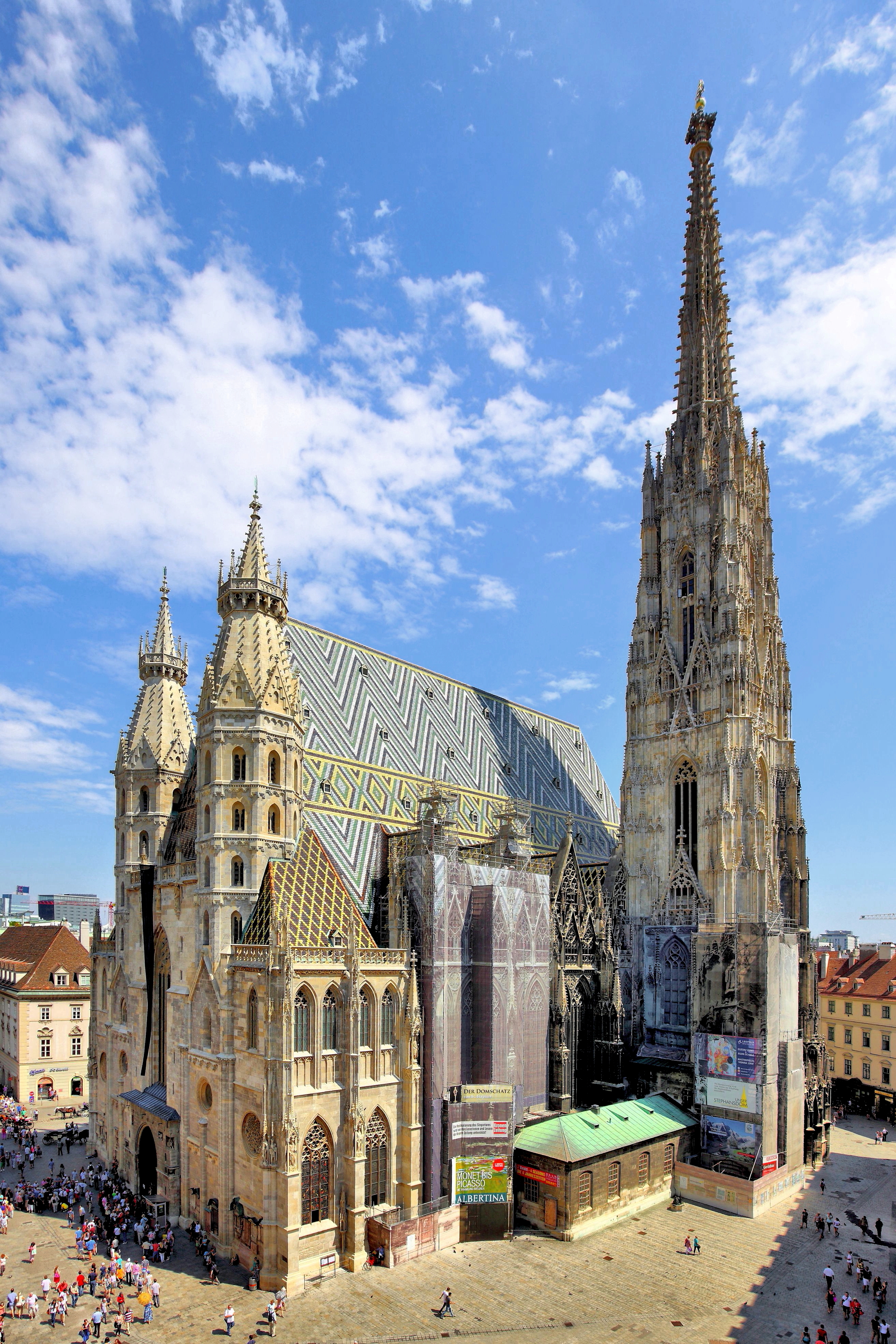 St. Stephen's CathedralAttraction · 1h · Free
St. Stephen's Cathedral is Vienna's spiritual and geographical heart, its 136-metre Gothic south tower—Steffl—an icon visible across the city. The cathedral blends Romanesque, Gothic, and Baroque elements accumulated over 800 years.
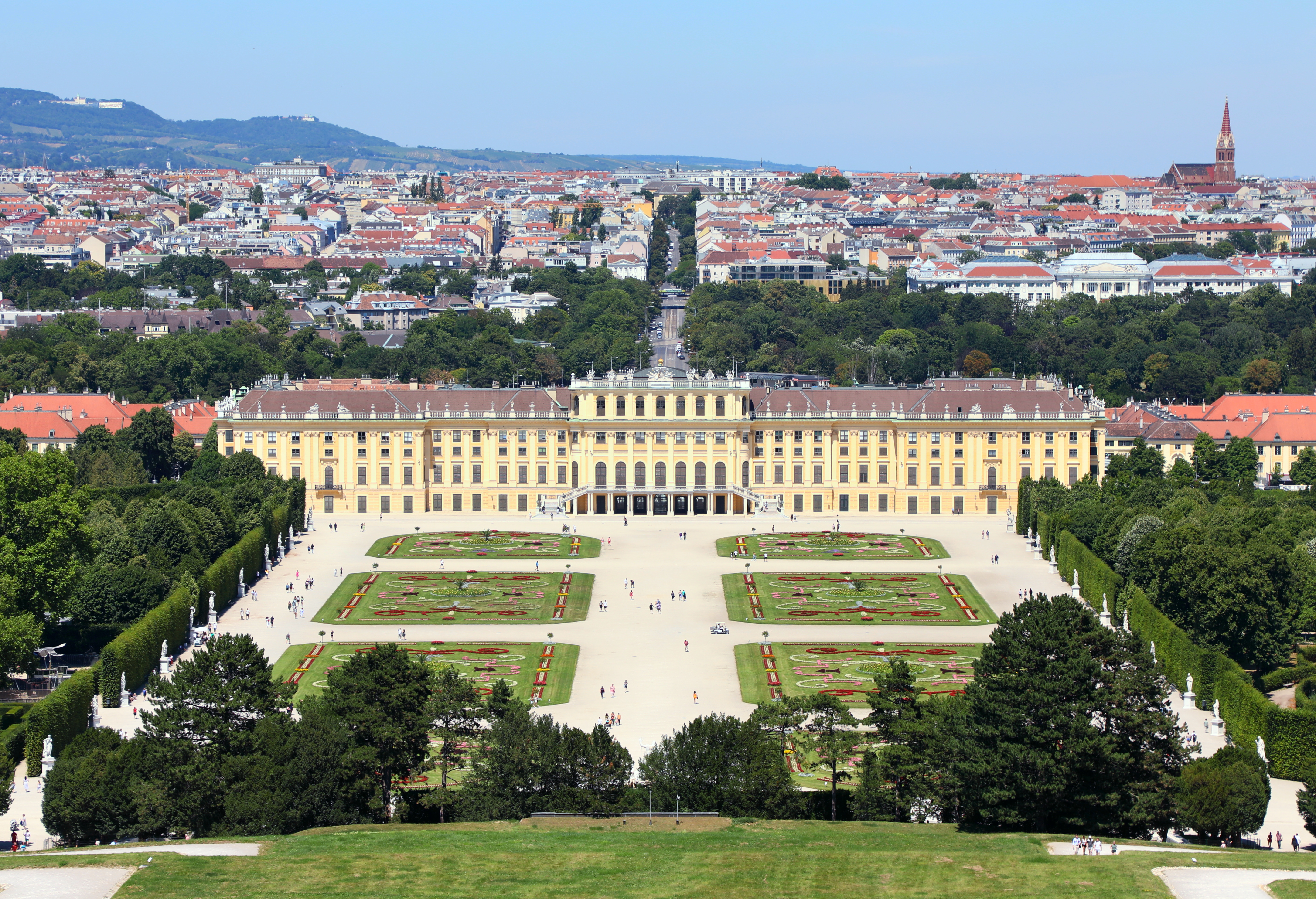 Schönbrunn PalaceAttraction · 3h · €28
Schönbrunn Palace is the former imperial summer residence of the Habsburg dynasty, a UNESCO World Heritage Site with 1,441 rooms, magnificent gardens, and Europe's oldest zoo. It rivals Versailles in splendour and draws over 4 million visitors per year.
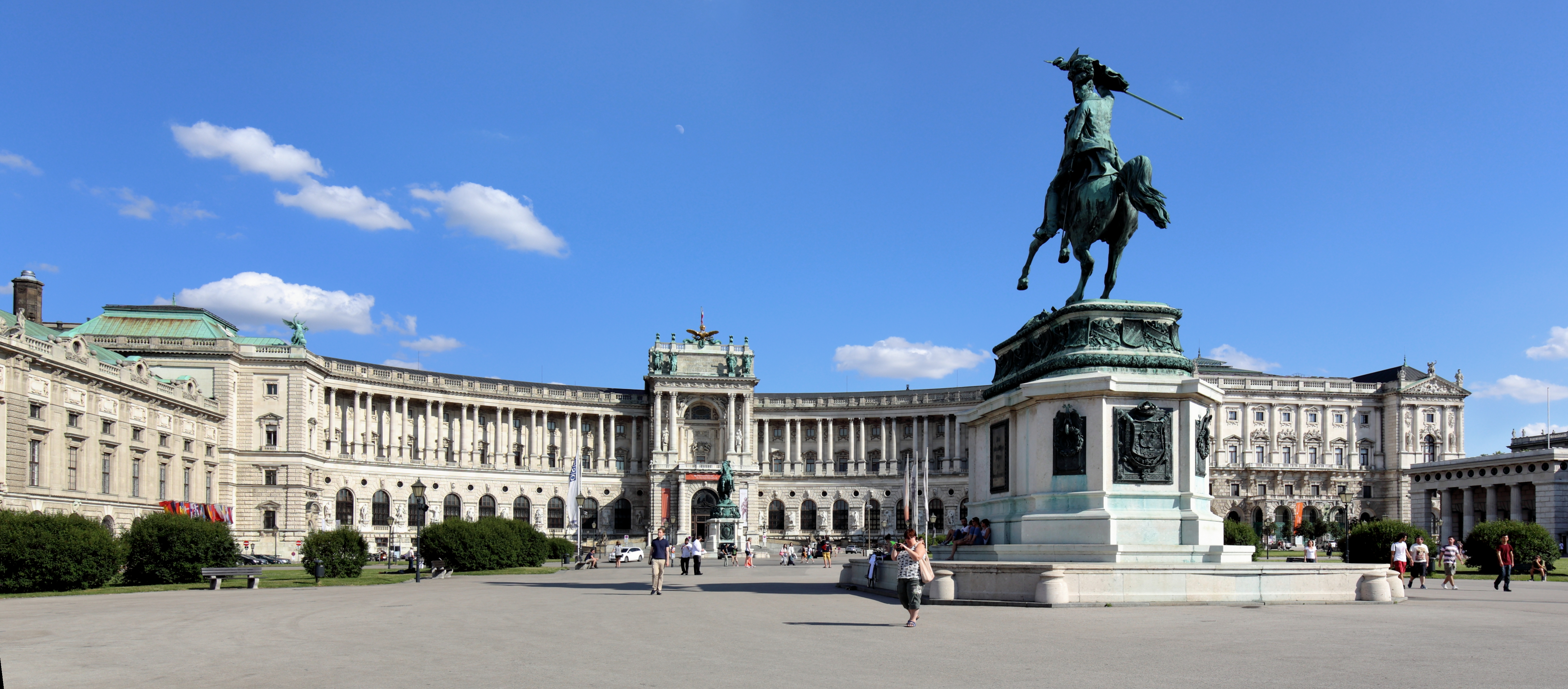 Hofburg PalaceAttraction · 2h · €18
The Hofburg is the former imperial winter residence of the Habsburgs, a sprawling complex of 2,600 rooms that now houses the Austrian president's office, the Spanish Riding School, the Imperial Apartments, and the Sisi Museum.
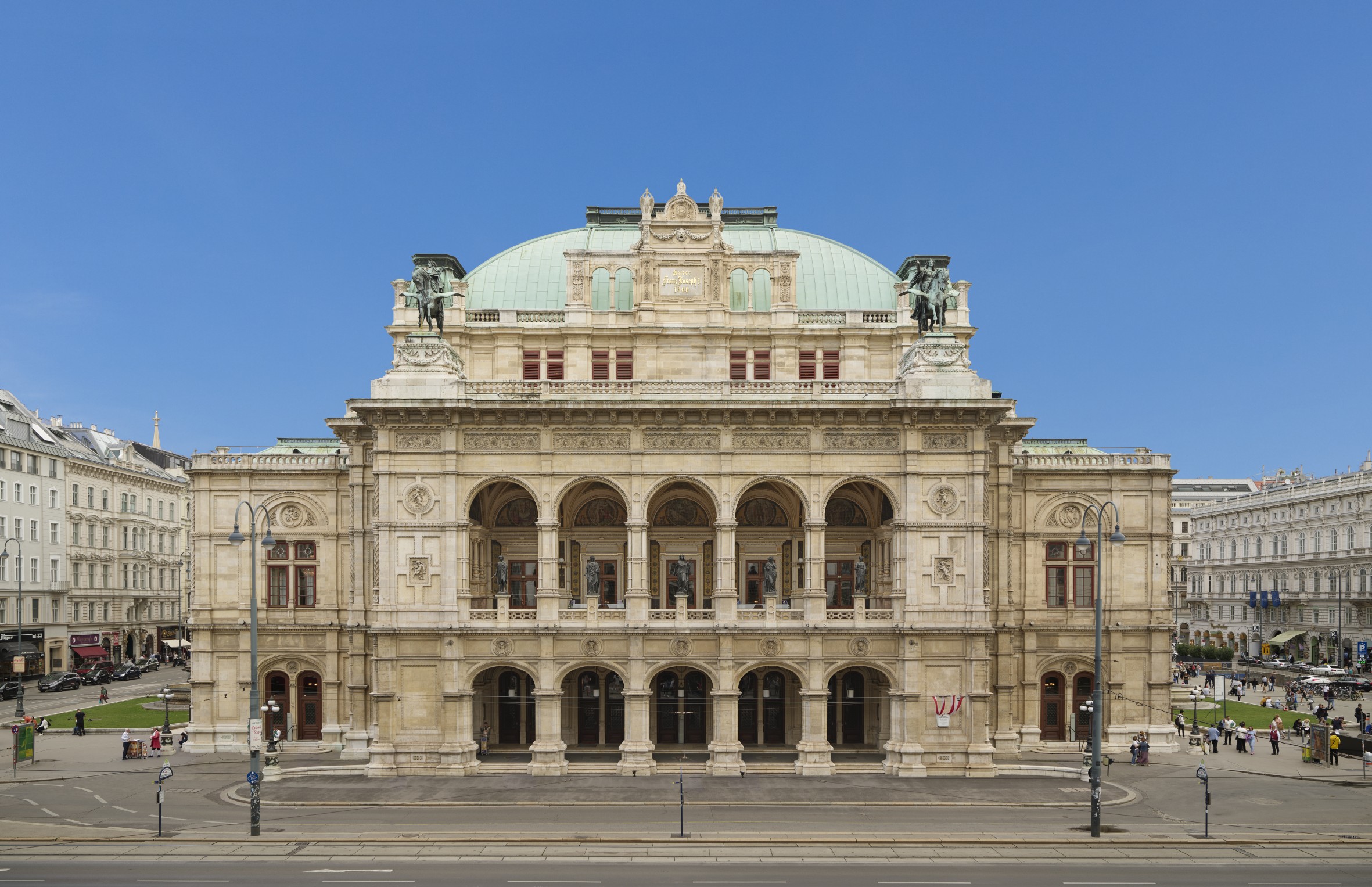 Vienna State OperaAttraction · 2h · €17
The Wiener Staatsoper is one of the world's leading opera houses, staging around 350 performances per year with a repertoire of 60+ operas and ballets. The neo-Renaissance building seats 2,284 and hosts the legendary annual Opera Ball.
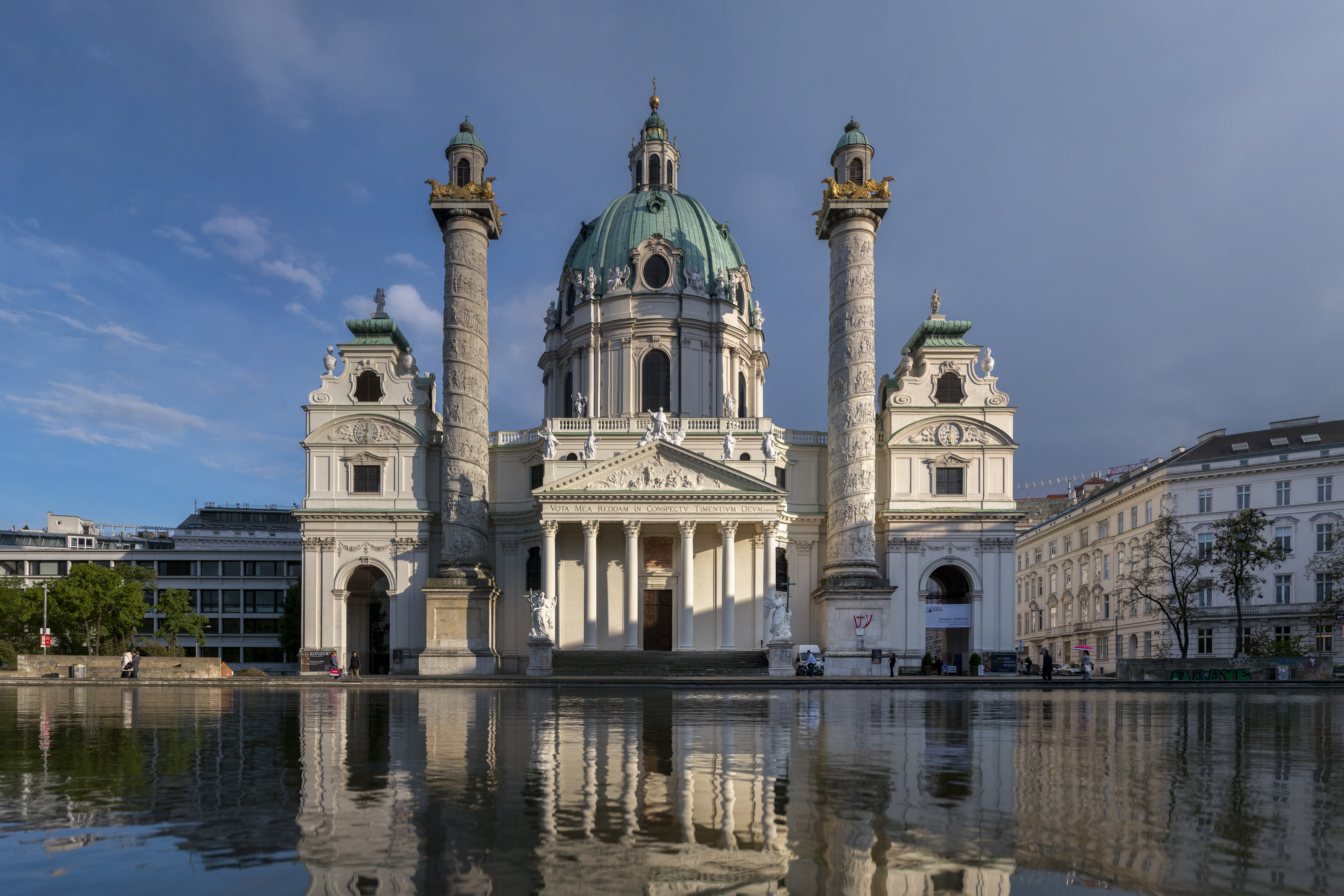 KarlskircheAttraction · 30 min · €8
The Karlskirche is Vienna's finest Baroque church, built 1716–1737 to fulfil Emperor Charles VI's vow during the plague. Its dramatic facade combines a Roman temple portico, twin Trajan's-column-style pillars, and a 72-metre copper dome.
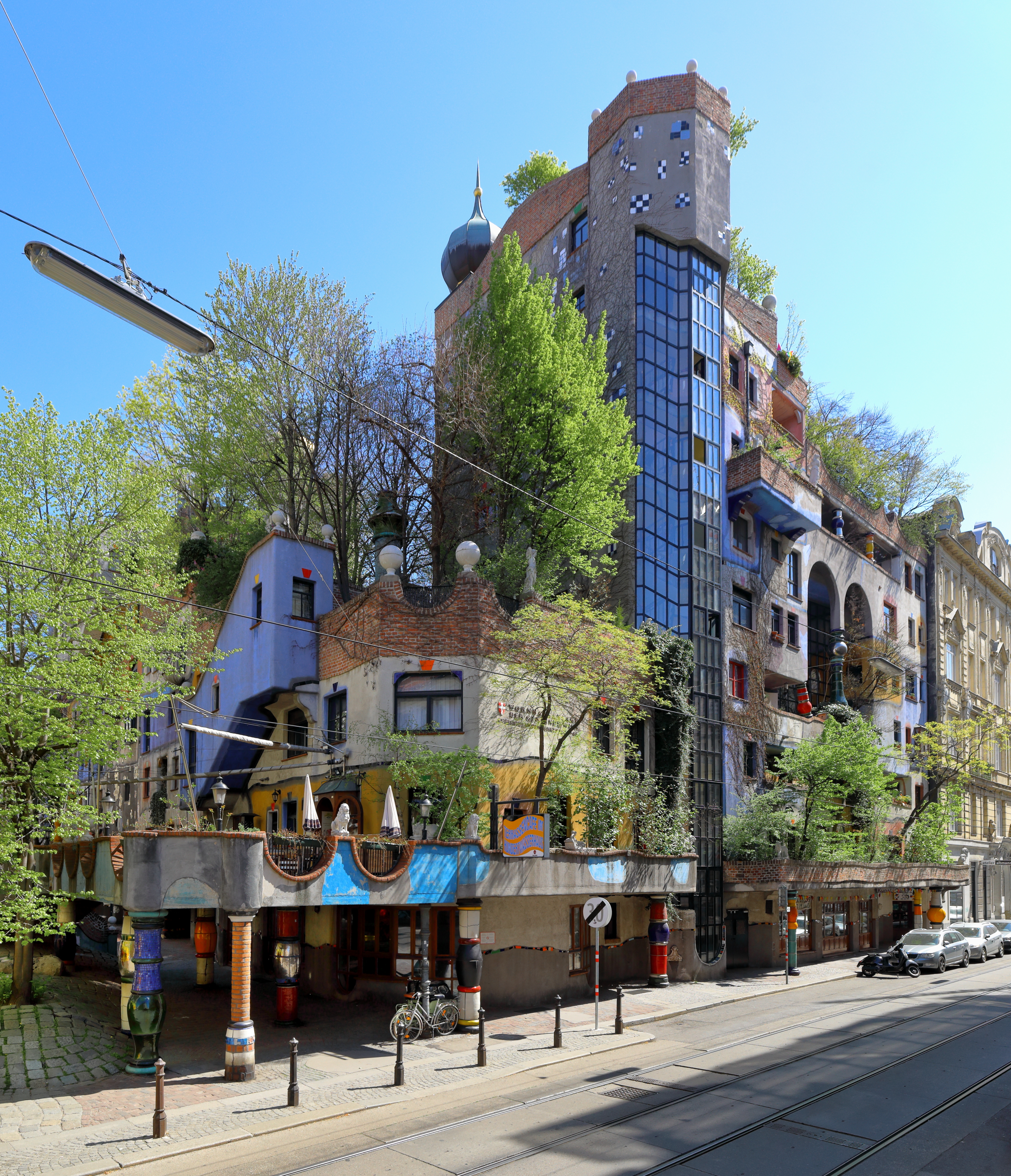 HundertwasserhausAttraction · 20 min · Free
The Hundertwasserhaus is a city-owned apartment building redesigned by artist Friedensreich Hundertwasser in 1985. With undulating mosaic facades, trees growing from balconies, and no two windows alike, it's Vienna's most joyfully eccentric building.
 MusikvereinAttraction · 2h · €12
The Musikverein is Vienna's—and arguably the world's—finest concert hall, famed for the Goldener Saal's legendary acoustics and as the home of the Vienna Philharmonic's New Year's Concert, broadcast to 50 million viewers globally.
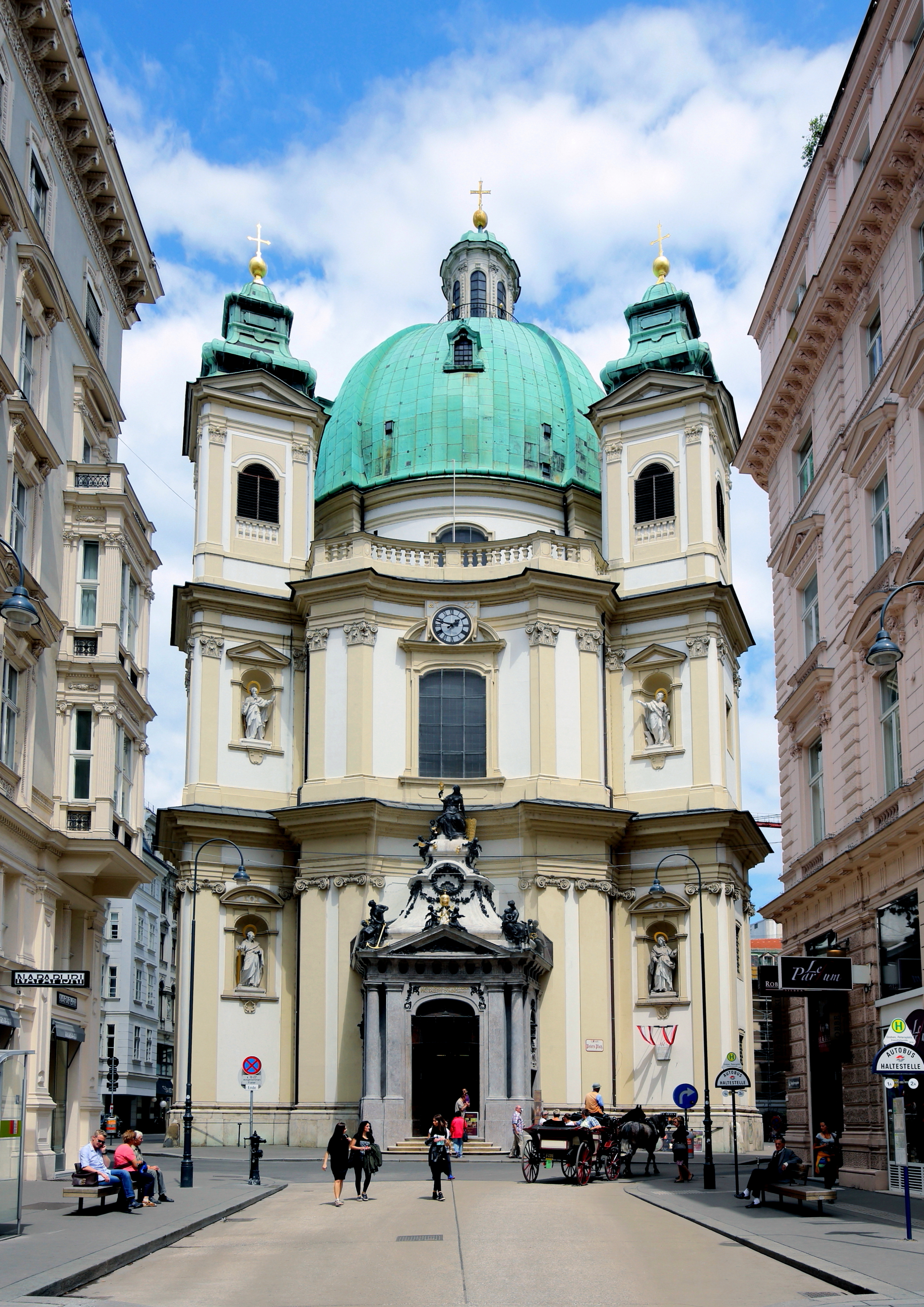 St. Peter's ChurchAttraction · 20 min · Free
St. Peter's Church is a jewel-box Baroque church just off the Graben, modelled on St. Peter's in Rome. Despite its modest exterior wedged between buildings, the oval interior bursts with frescoes, gold leaf, and dramatic Baroque illusionism.
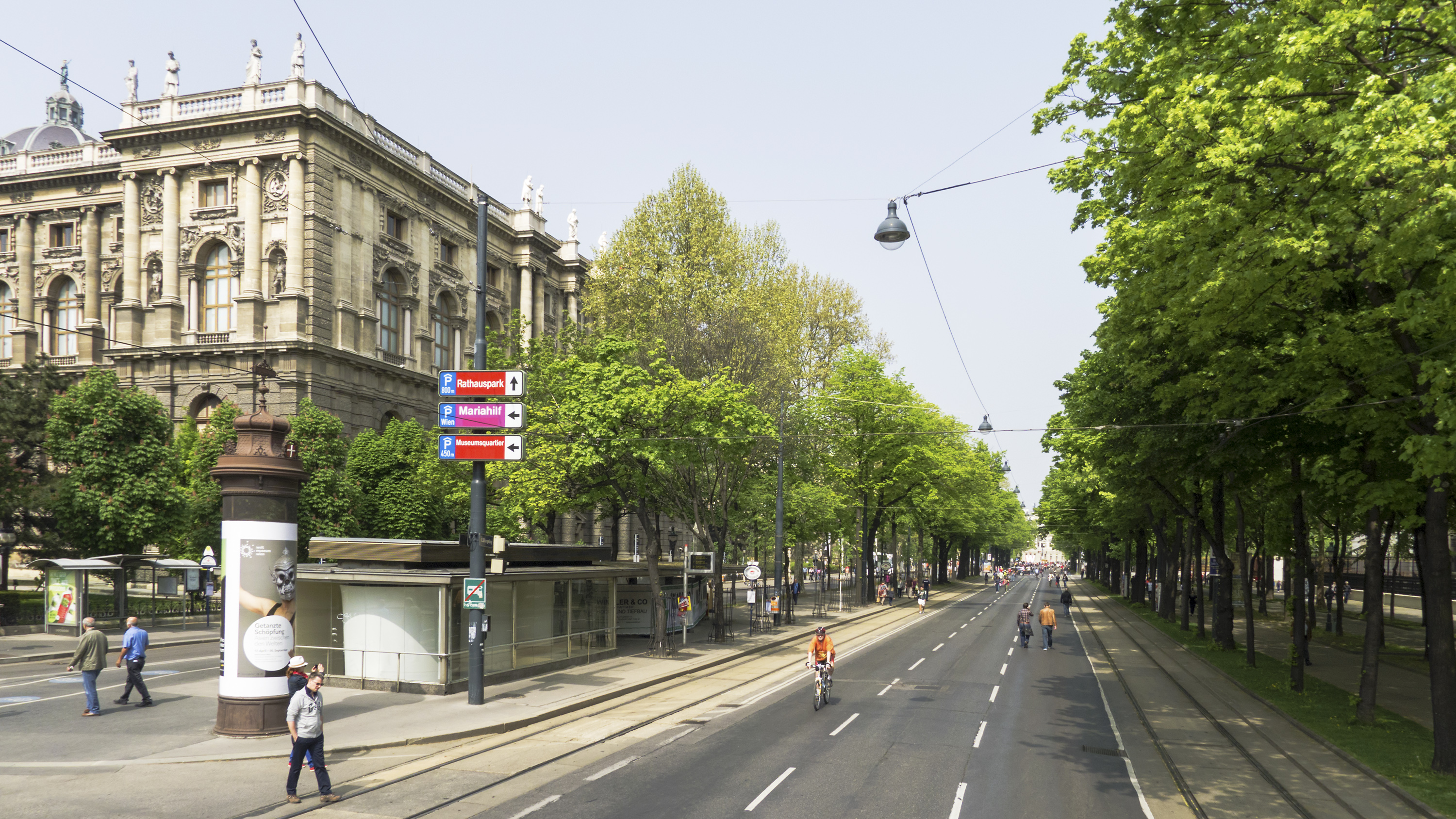 RingstraßeAttraction · 1h · Free
The Ringstraße is Vienna's grand 5.3 km boulevard, built in the 1860s on the site of the demolished city walls. It's lined with monumental buildings in a deliberate mix of historicist styles—Gothic, Renaissance, Greek Revival, and Baroque—forming an open-air museum of 19th-century architecture.